



The "Outsiders" on Clay: Are Americans Really Not Good on Clay Courts?


Every April and May, when the tennis season transitions from North American hard courts to European clay courts, observers note that alongside the scheduled Monte Carlo, Madrid, and Rome Masters, American players appear less fond of competing on clay surfaces.
As evidenced by the imminent ATP 1000 Monte Carlo Masters, a majority of the top-50 American players have chosen to bypass this crucial French Open preparatory tournament. This naturally raises the question: Are Americans truly not adept at, or perhaps not fond of, clay? Behind this phenomenon lies not merely technical incompatibility but a deeper systemic reliance within the entire tennis development framework.
Claiming that Americans are not skilled on clay is not entirely accurate. Historical data shows that Americans have indeed had moments of glory at Roland Garros, the pinnacle of clay court honor.
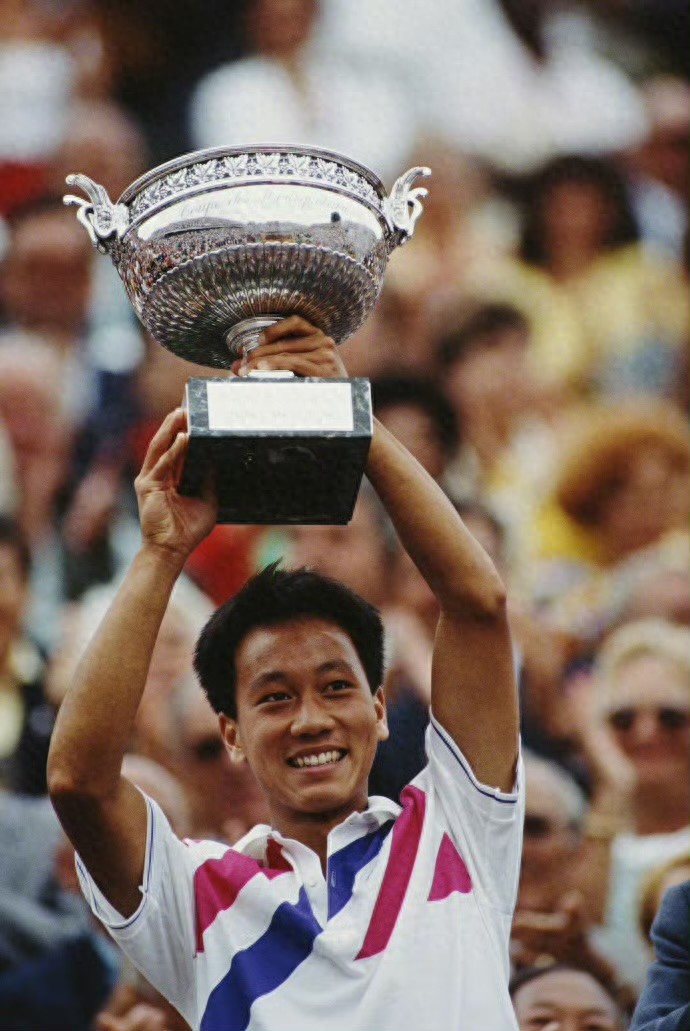
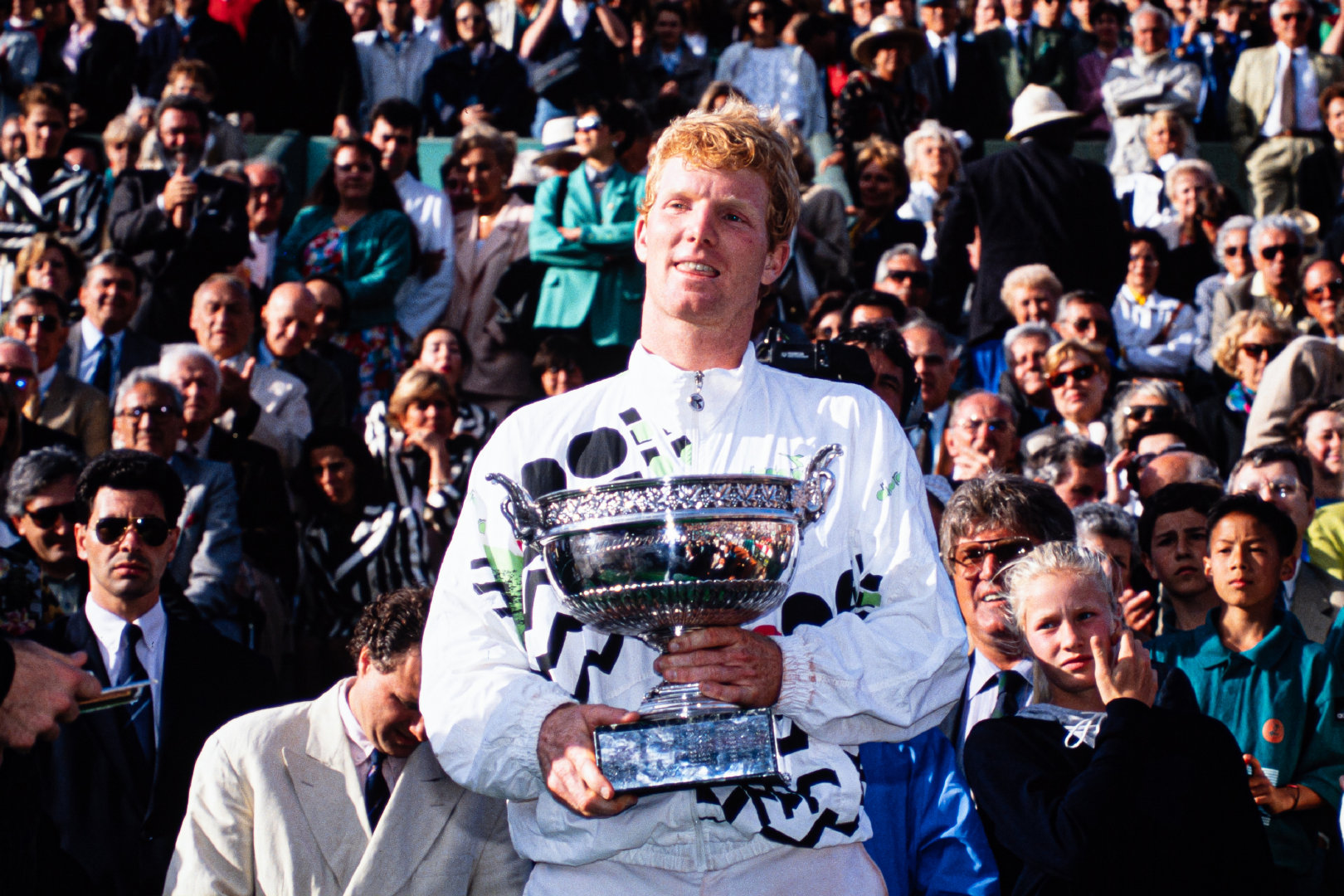
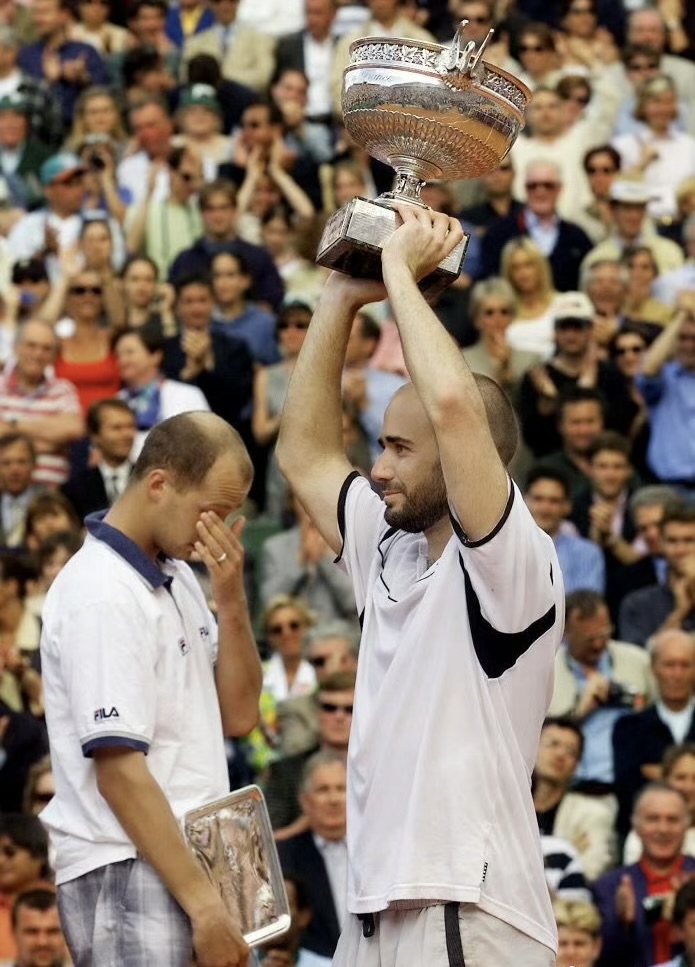
During the golden era of the 1990s, American men's tennis briefly dominated the French Open. Michael Chang, at 17 years and 3 months old, won the French Open in 1989, still holding the record for the youngest male Grand Slam champion in the Open Era. Subsequently, Jim Courier achieved back-to-back French Open titles in 1991 and 1992. Then, Andre Agassi claimed the trophy in 1999, completing his career Grand Slam. Over this decade, Americans contributed four Coupe des Mousquetaires to the red clay of France.
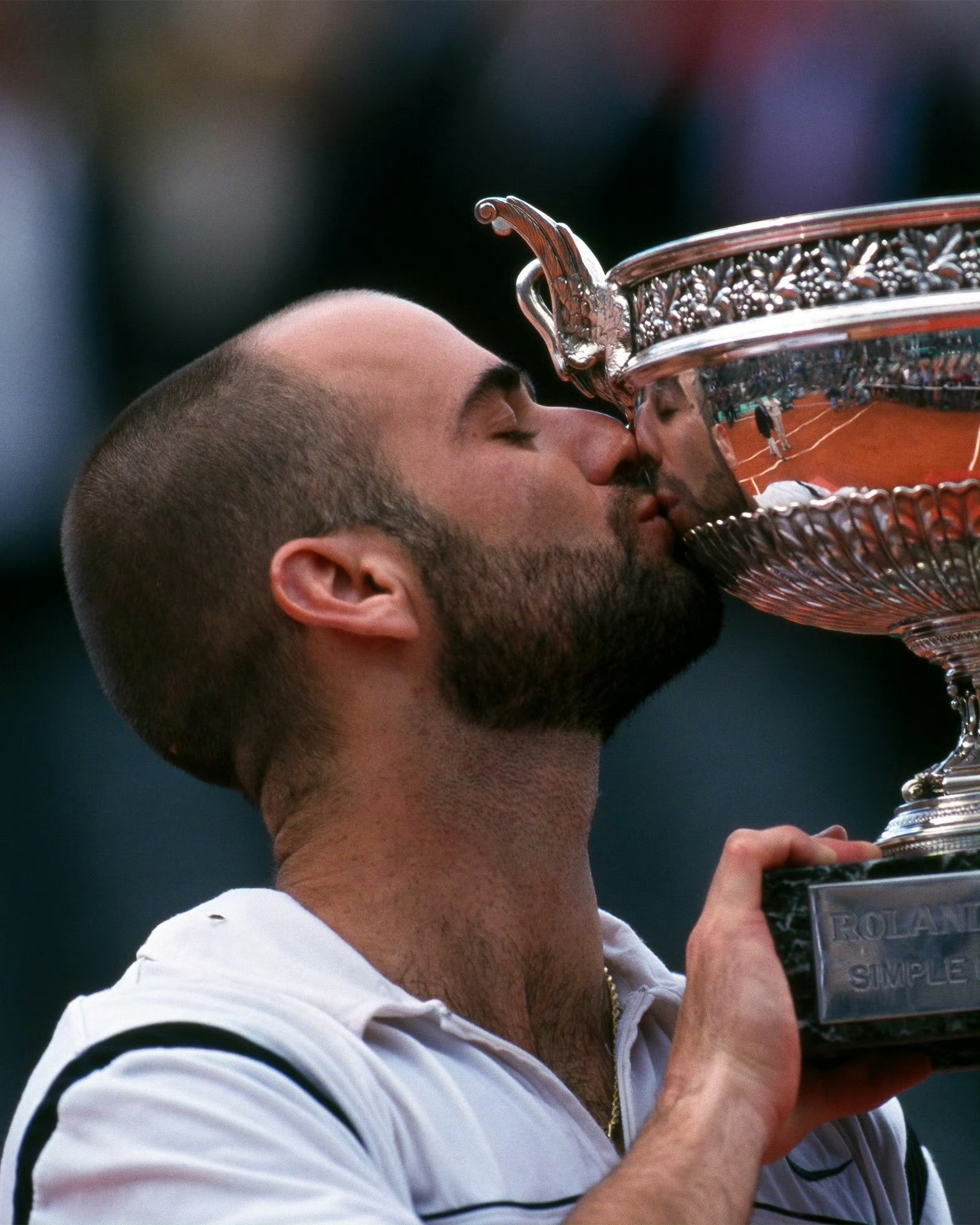
However, since Agassi's victory in 1999, American men's tennis has endured a championship drought at the French Open lasting over two decades. Even the legendary Pete Sampras, in his illustrious 14 Grand Slam career, uniquely lacked a French Open title, his best result being only the 1996 semifinals. Current top American players like Taylor Fritz, while formidable on hard courts, often appear unsteady on clay when facing European opponents.
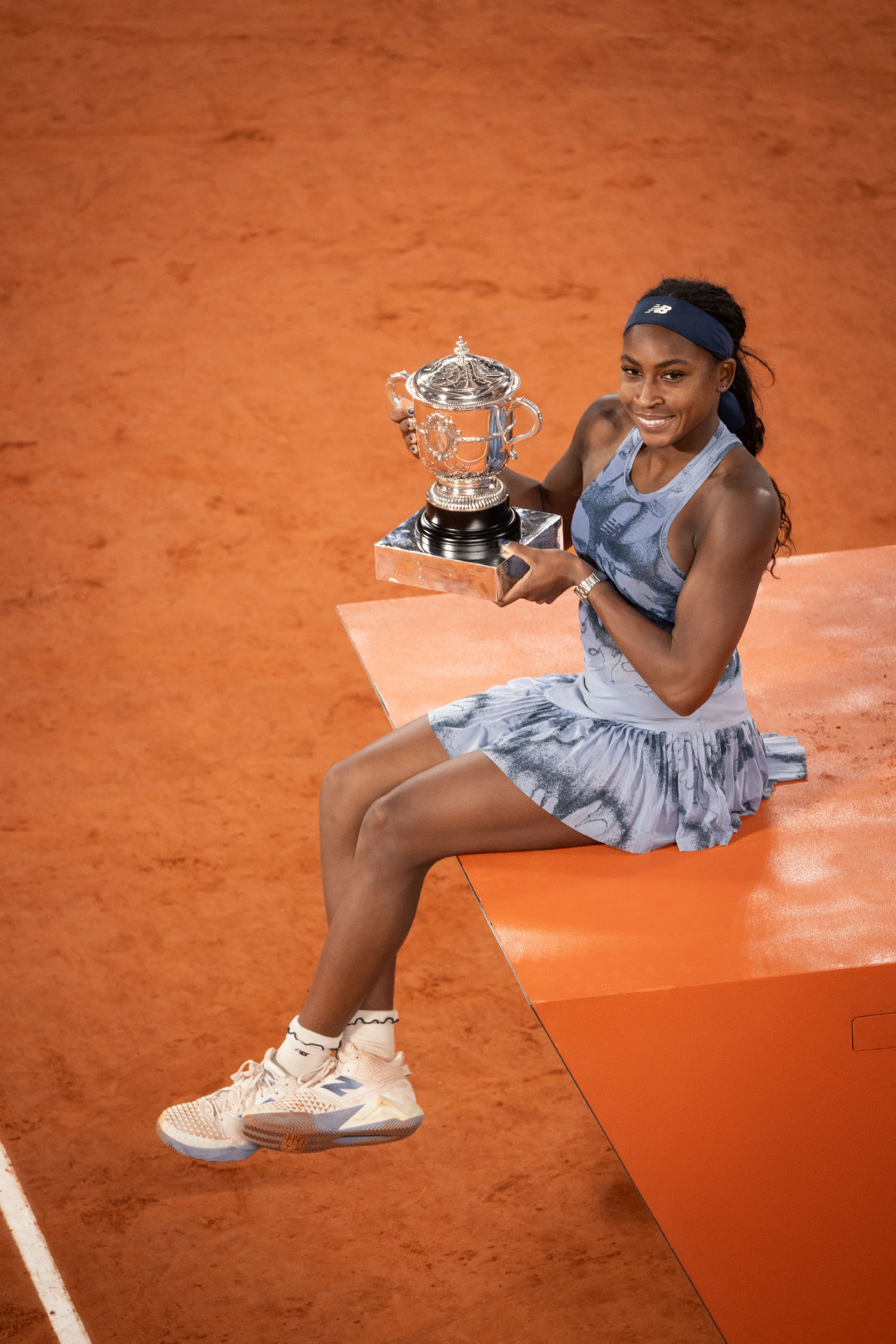
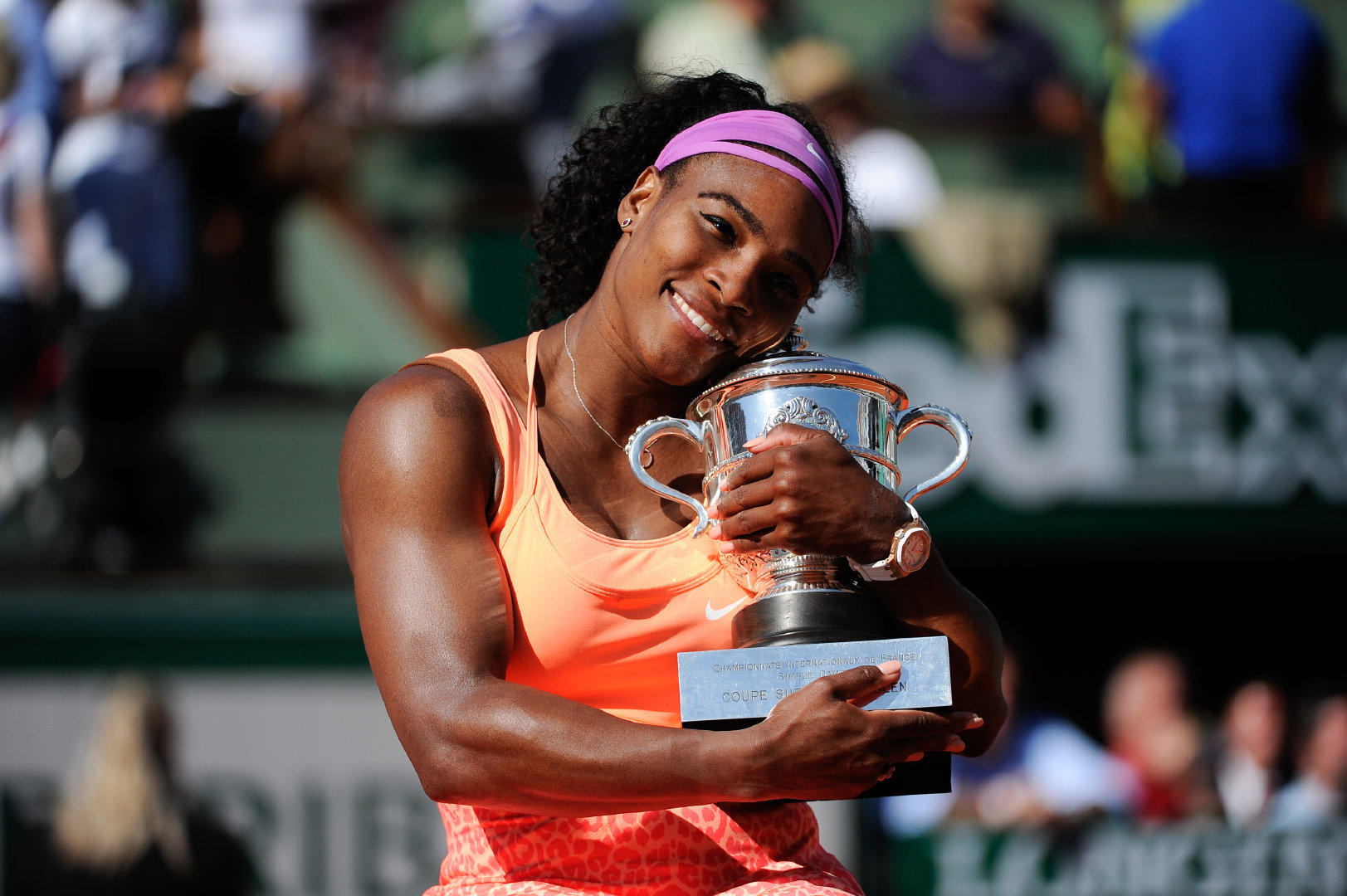
In contrast, American women's tennis has fared slightly better on clay. Serena Williams, Venus Williams, and more recently Coco Gauff have all reached finals or won titles at the French Open. However, this success largely stems from their era-defying absolute power and physical attributes, rather than systematic clay court tactical proficiency.
Why do Americans seem to struggle on clay? The widely acknowledged core reason lies in the training system during their junior development.
American tennis is a classic hard-court nation. From public parks to private clubs, and tennis academies from California to Florida, hard courts dominate overwhelmingly. Hard courts offer fast ball speed and predictable bounce, shaping the typical American playing style: centered on powerful serves and strong flat baseline shots, pursuing fast-paced offensive play to win points quickly. This style thrives on fast hard courts and grass, but encounters a natural adversary upon moving to clay courts.
The physical characteristics of clay courts are fundamentally different from hard courts. Firstly, the clay surface is softer with higher friction, significantly reducing ball speed. Andy Roddick's serve exceeding 240 km/h might lose over 20% of its potency on clay, greatly diminishing its impact. Secondly, clay produces irregular and higher bounces, demanding players possess exceptional sliding skills and defensive coverage, capable of enduring dozens of shots within a single point.
Andy Roddick once vividly described this predicament: "We rarely trained on clay growing up, so movement on clay courts is somewhat challenging. It's like language—easy to learn at three or four years old, but very difficult to pick up at sixteen or seventeen."
American players are accustomed to attacking early on hard courts, but on slow clay courts, this approach often turns into a frenzy of unforced errors. They lack the clay-court mindset of European players, who patiently maneuver during rallies, gradually building advantages through spin and placement variations.
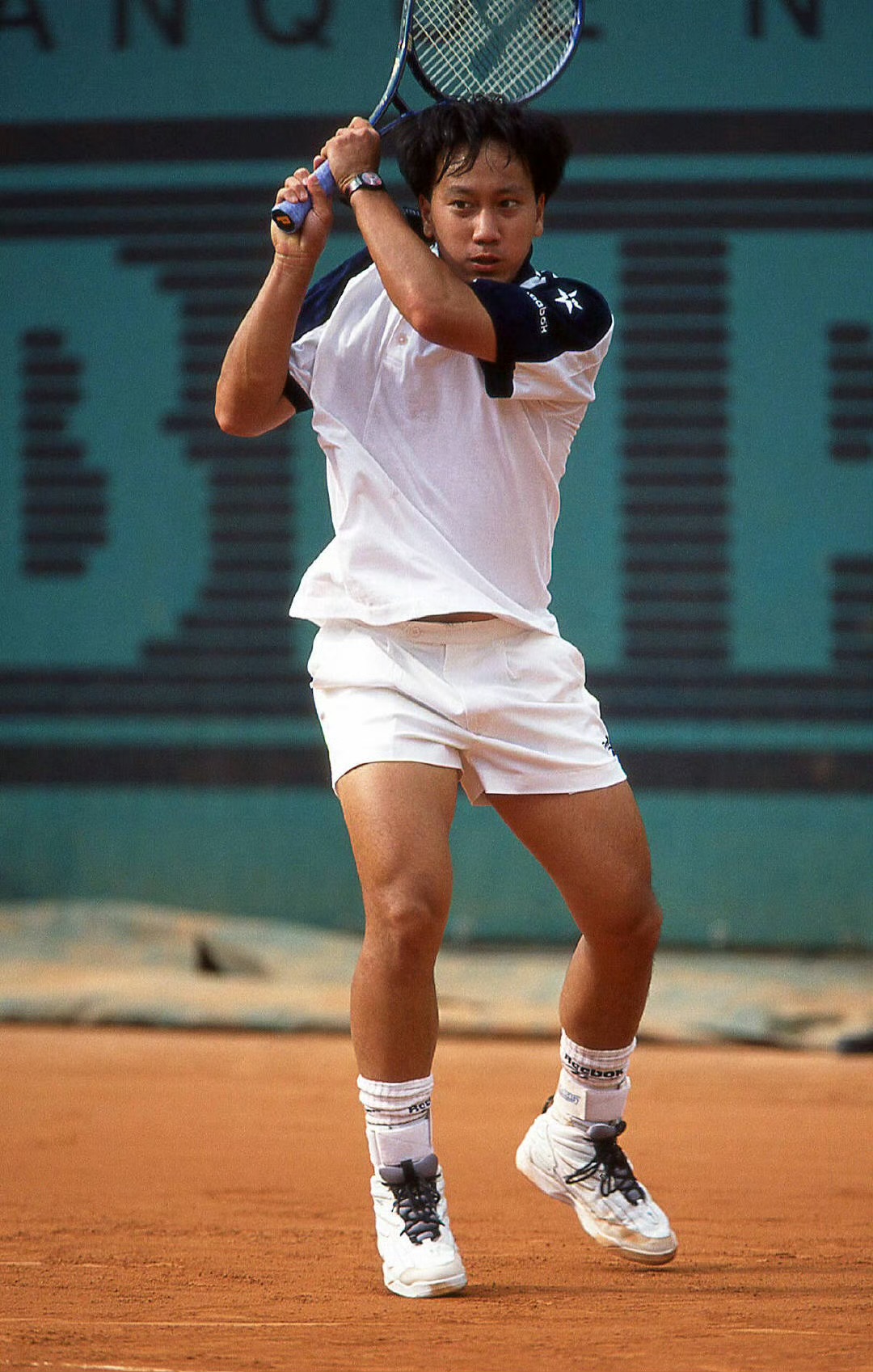
Michael Chang pointedly noted: "In clay court matches, you absolutely cannot replicate the tactics from hard court tournaments. Shots that win points on hard or grass courts might require several more strokes to secure a point on clay."
The American players' lack of proficiency essentially stems from the incompatibility between their mainstream playing style and the characteristics of clay courts.
Power-based tactics falter: America produces many power players like Andy Roddick, John Isner, and Sam Querrey. On clay, serve advantages are diminished, forcing them into extended baseline rallies—a scenario they are not adept at.
Lack of tactical diversity: Todd Martin once reflected that American tennis coaching overly focuses on how to hit the ball, neglecting how to think about the match. European players learn from childhood to use slices, drop shots, lobs, and various methods to construct points on clay, whereas American players are more accustomed to directly demolishing opponents' defenses with power.
Absence of physical memory: Sliding is the most fundamental movement technique on clay, requiring countless hours of training from youth to develop muscle memory. American players cultivate precise stop-and-start movement on hard courts, which is not only inefficient but also prone to slipping on the slick clay surface.
Although the current state of American players on clay is concerning, American tennis is not without reflection and potential change. The United States actually hosts a long-standing clay court event—the Houston Open (also known as the U.S. Men's Clay Court Championships), which is the sole ATP clay tournament within the country. While top stars often skip it recently to prepare for the European season, it still provides American young players a window to experience clay.
In recent years, the younger generation represented by Coco Gauff and Ben Shelton has shown some improvement on clay. Particularly Gauff, with her excellent physical attributes and increasingly mature tactical awareness, reached the French Open final as runner-up in 2022 and further won the French Open title in 2025, proving that with dedication to clay, Americans can also conquer this red terrain.
In summary, Americans are not inherently unskilled on clay; rather, their tennis development system has selectively neglected clay over the past decades. While European and South American children slide and run on clay courts, learning to wear down opponents with patience, American children practice 200 km/h serves on hard courts.
The lack of proficiency is essentially a relative specialization compared to other court types. To break this cycle, American tennis needs not just a few geniuses, but a fundamental reintegration of clay into the youth training system. As Michael Chang stated, clay requires not brute force but a blend of wisdom and patience—perhaps the first lesson American young players need to learn.(Source: Tennis Home Author: Mei)

 Links
Links
 Contact
Address:UNIT 1804 SOUTH BANK TOWER, 55 UPPER GROUND,LONDON ENGLAND SE1 9E
Number:+85259695367
E-mali:[email protected]
 App
App


