



Federer Discusses Tennis Homogenization: What Is Lost When Court Speeds Converge?



“Tennis matches today are too boring and too homogenized.”This isn’t a complaint from an ordinary fan, but a candid remark from Roger Federer, winner of 20 Grand Slam titles. The Swiss maestro, now retired, speaks even more boldly than before.
“What would happen if the same matchup were played on a different court?”In a recent podcast, Federer raised a thought-provoking scenario:“We don’t just need fast courts; we want to see: Alcaraz or Sinner being thoroughly studied on ultra-fast courts, then playing the same matchup on ultra-slow courts to see what the effect would be.”
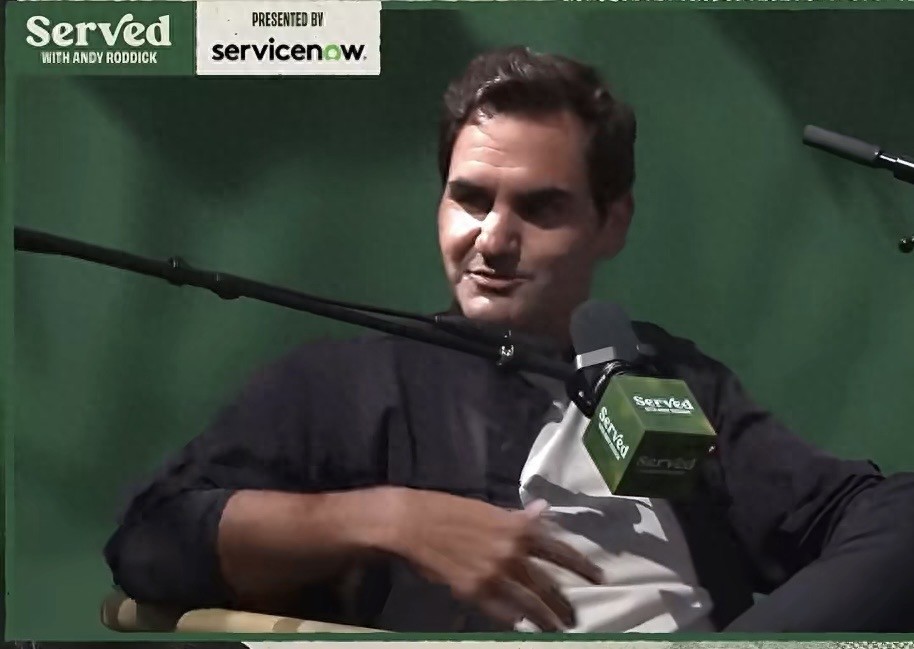
The underlying message is clear: on today’s tour, no matter which tournament you attend, you see similar match rhythms, similar tactical patterns, and even players’ playing styles becoming increasingly indistinguishable.Federer pointed the finger directly at tournament directors: “The reason is that tournament directors have been too lax about ball speed and court speed, resulting in essentially the same playing conditions week after week.”
Federer specifically contrasted this with the past ranking system:“Previously, only 12 tournament results counted for the year’s ranking, so everyone would specialize in the surfaces they excelled at, maximizing their strengths. This meant players wouldn’t meet as frequently, and when an aggressive powerhouse faced a defensive grinder, that produced the most thrilling matches.”
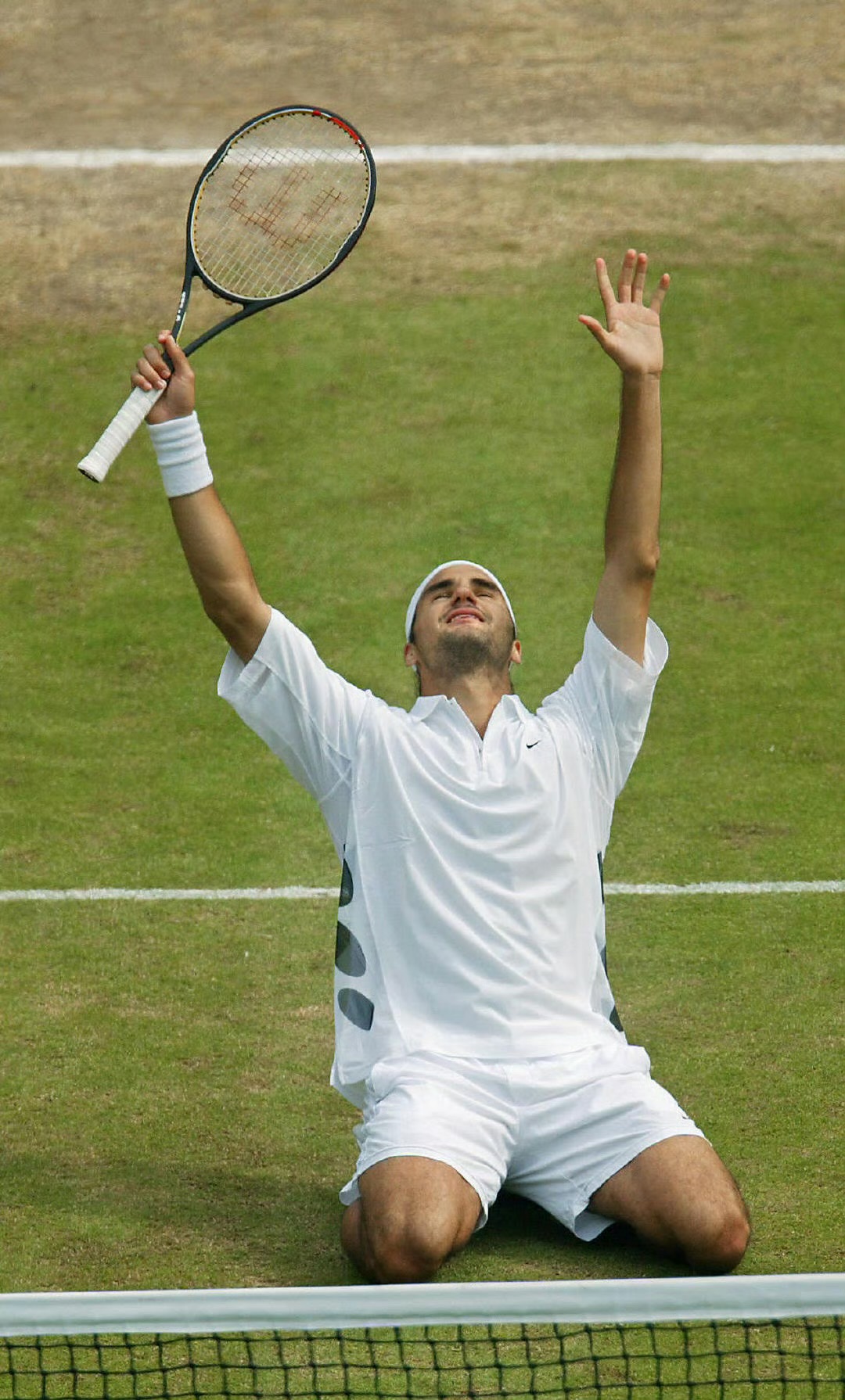
Under the old ranking system, players didn’t need to compete year-round without rest. They carefully selected tournaments best suited to their style—serve-and-volley specialists focused on fast courts, baseline defenders targeted slow clay. Each playing style had its own niche, and each approach could find its moment of glory.
The direct consequence of this differentiation was: players with distinct styles built up momentum on their favored surfaces, then collided in key matches. Fans eagerly awaited these clashes of spear versus shield; when pure attackers met pure defenders, the matches were inherently dramatic.
Federer highlighted a highly convincing phenomenon: “That’s why you could win the French Open, then Wimbledon, then the US Open, without changing your playing style at all.”
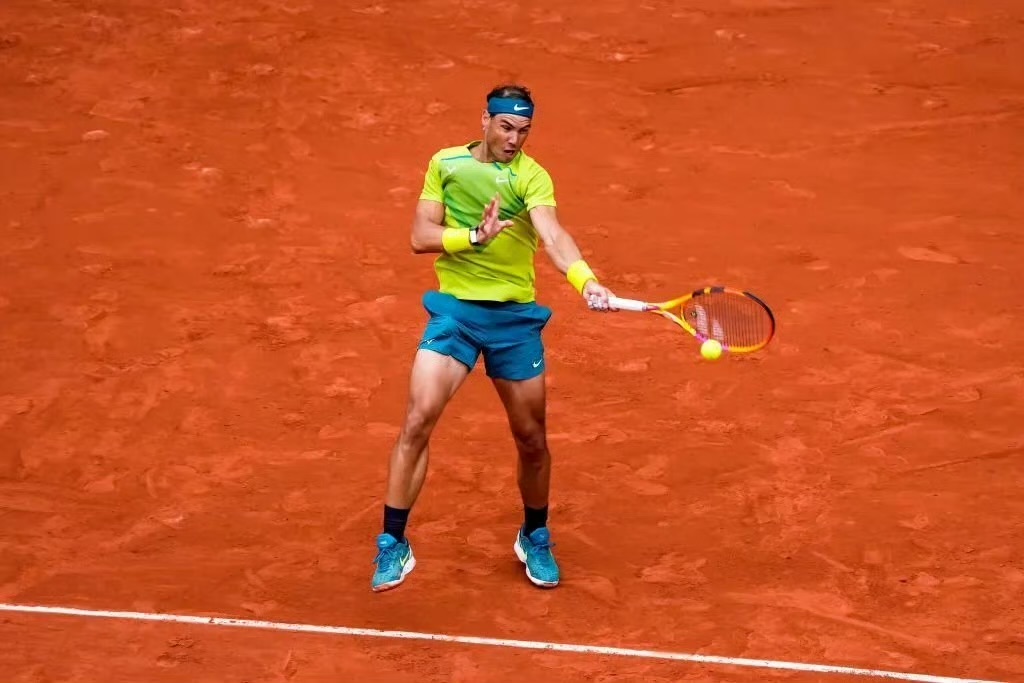
Twenty years ago, this would have been unimaginable. The slow clay courts of Roland Garros and the fast grass courts of Wimbledon were almost two different worlds. Clay specialists and grass kings were often distinct types of players; those who could dominate on both extreme surfaces were rare.
But today, the differences in court speed have been greatly smoothed out. Tournament organizers, aiming to extend rallies, enhance spectacle, or cater to broadcast demands, generally tend to keep court speeds within a medium range. The result: clay isn’t as slow anymore, grass isn’t as fast anymore, and hard courts are even more neutral.

In such an environment, a standardized playing style has emerged—powerful baseline endurance, stable double-handed backhands, excellent physical reserves. This style works on any surface, but it also means the once diverse tactical systems are disappearing.
So the question arises: Is homogenization progress, or a loss?From a competitive sports perspective, the comprehensive skill set of players is indeed progress. Modern tennis players are stronger, faster, and more versatile than in any previous era.
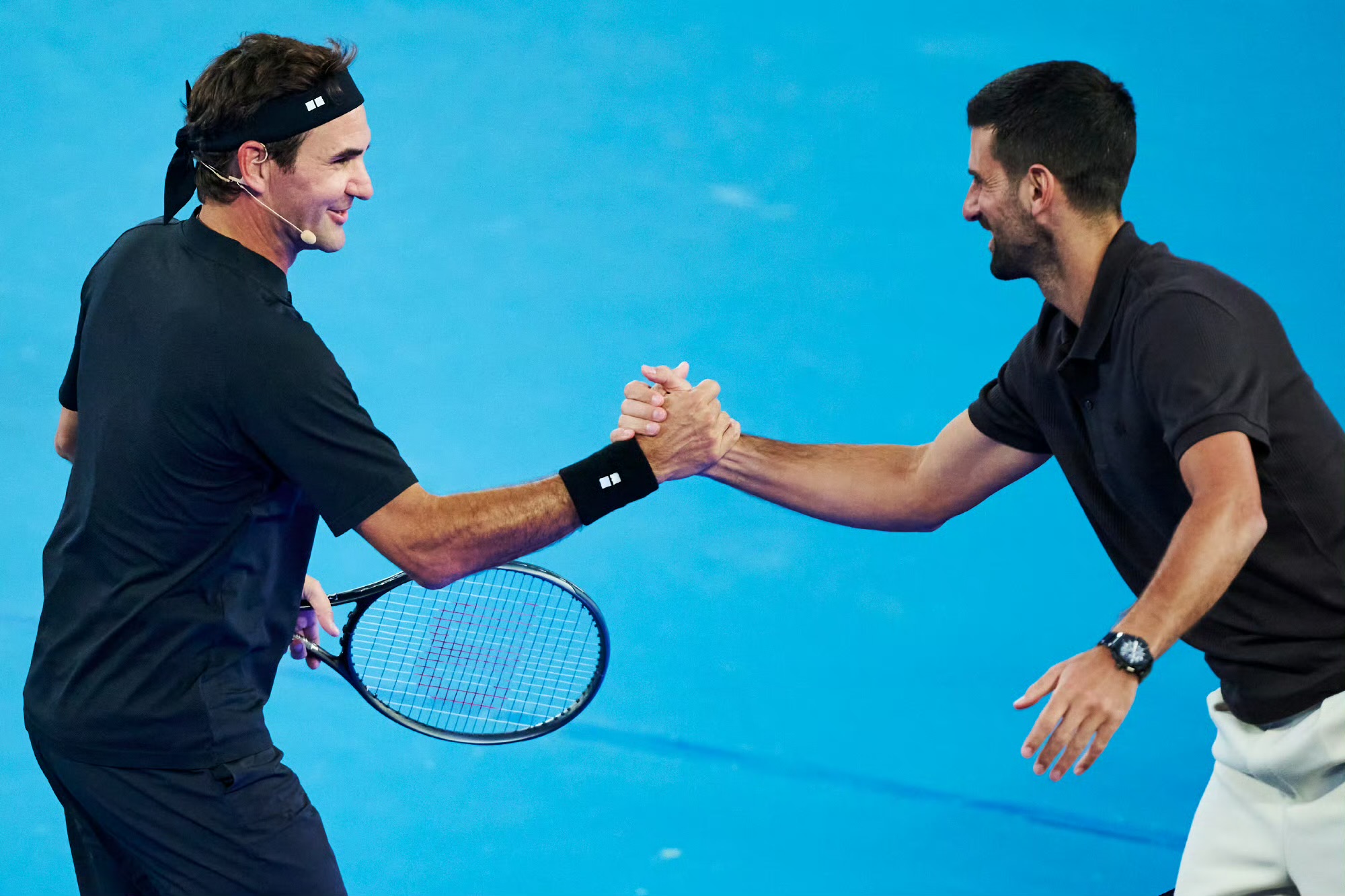
But from a spectator’s viewpoint, the aesthetic fatigue brought by homogenization is real. When every match feels like a copy-paste of the same template, when fans can no easily distinguish whether it’s the clay season or the grass season, the diversity that tennis prides itself on is quietly fading.
Federer’s critique resonates widely precisely because he voiced what many longtime fans feel but couldn’t articulate. They miss not just certain stars, but that era of serve-and-volley versus baseline defense, fast courts versus slow courts, and distinct styles.
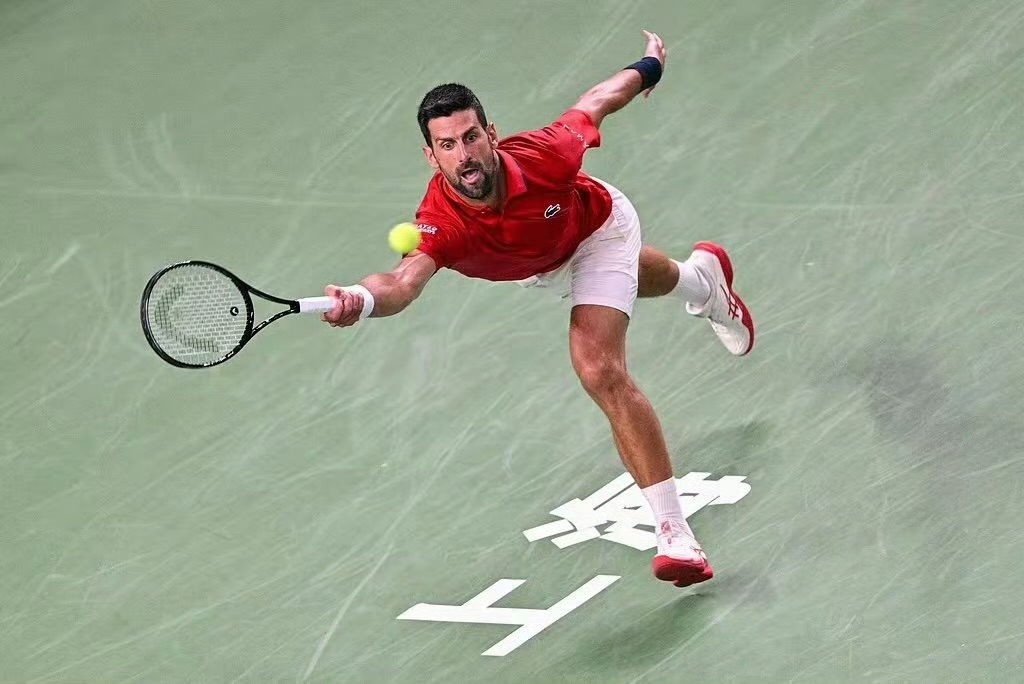
The charm of tennis lies in its diversity.Federer’s remarks may not change anything; the convergence of court speeds involves complex commercial logic and broadcast demands. But at least, one of the greatest players in history reminds us: much of tennis’ appeal stems from its variety.
When the boundaries between Roland Garros, Wimbledon, and the US Open blur, when all players compete using the same logic, we lose not only the drama of matches but also the soul of the sport.
Perhaps, someday in the future, we might truly witness Federer’s envisioned scenario—the same pair of players first competing on the fastest court, then on the slowest court. Not to determine a winner, but to prove: under different conditions, tennis can display entirely different forms of beauty.And that is precisely what tennis should be.(Source: Tennis Home Author: Mei)

 Links
Links
 Contact
Address:UNIT 1804 SOUTH BANK TOWER, 55 UPPER GROUND,LONDON ENGLAND SE1 9E
Number:+85259695367
E-mali:[email protected]
 App
App


