



Wimbledon Announces Major Rule Change! Becomes Third Grand Slam Tournament to Introduce This Rule



The Wimbledon Tennis Championships have long been regarded as the most traditional and rule-strict tournament among the four Grand Slams, adhering to rules and traditions dating back to its establishment in 1877. However, after 149 years, this iconic grass-court Grand Slam event is about to make a significant adjustment to a long-standing rule.
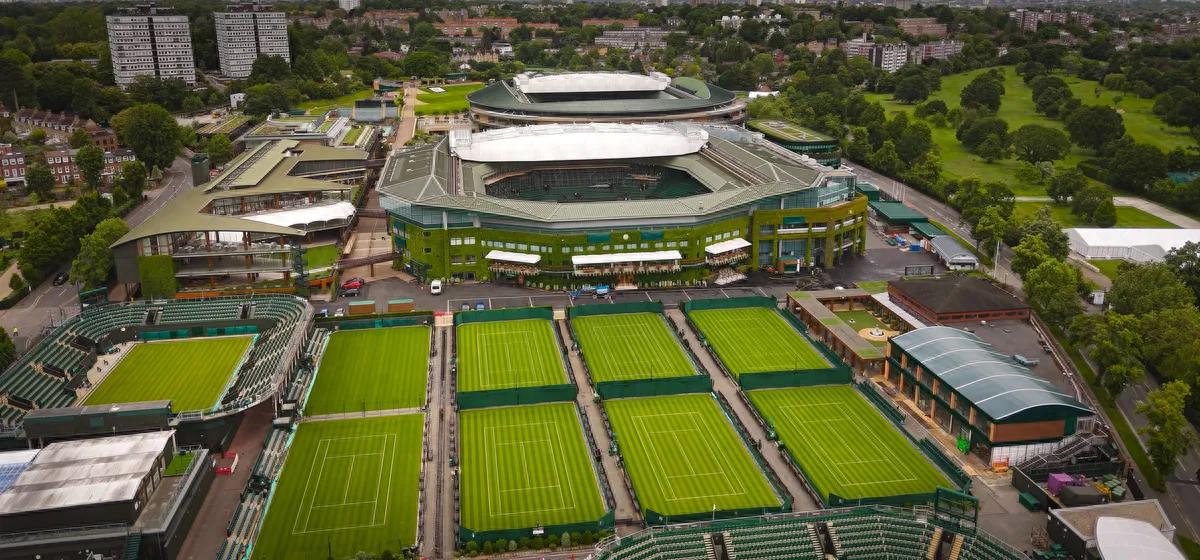
Officials have confirmed that Wimbledon will introduce a video replay challenge system for the first time in its 149-year history. This challenge system was first implemented at the 2023 US Open and has since been adopted by the Australian Open, but it has not yet been introduced at the French Open.
The video replay challenge system will be available throughout the tournament on Centre Court and Court No. 1, and will also be used for singles matches on Court No. 2, Court No. 3, Court No. 12, and Court No. 18.
This move responds to the increasing demand for higher accuracy in officiating decisions in tennis tournaments. Although Wimbledon has been slow to adopt this technology, the initiative is expected to greatly benefit players. The All England Lawn Tennis and Croquet Club confirmed the introduction of the system through an official statement and explained how it will operate.

“Players may request a replay challenge for specific rulings made by the chair umpire (such as ‘no bounce,’ ‘foul shot,’ ‘net touch’) when a decision determines a point, or immediately after a point ends (for instances of interference),” the statement reads. “There will be no limit on the number of replay challenges a player can request.”
The video replay challenge system will operate independently from the electronic line-calling system, which will continue to handle in/out calls. The new system will focus on more complex rulings by the chair umpire, including double hits, potential interference, etc. Players can request a replay challenge immediately after a point ends or after an umpire’s decision awards a point. Unlike the electronic line-calling system, there is no cap on the number of video replay challenges a player can make, granting them more power to question umpire decisions than ever before.
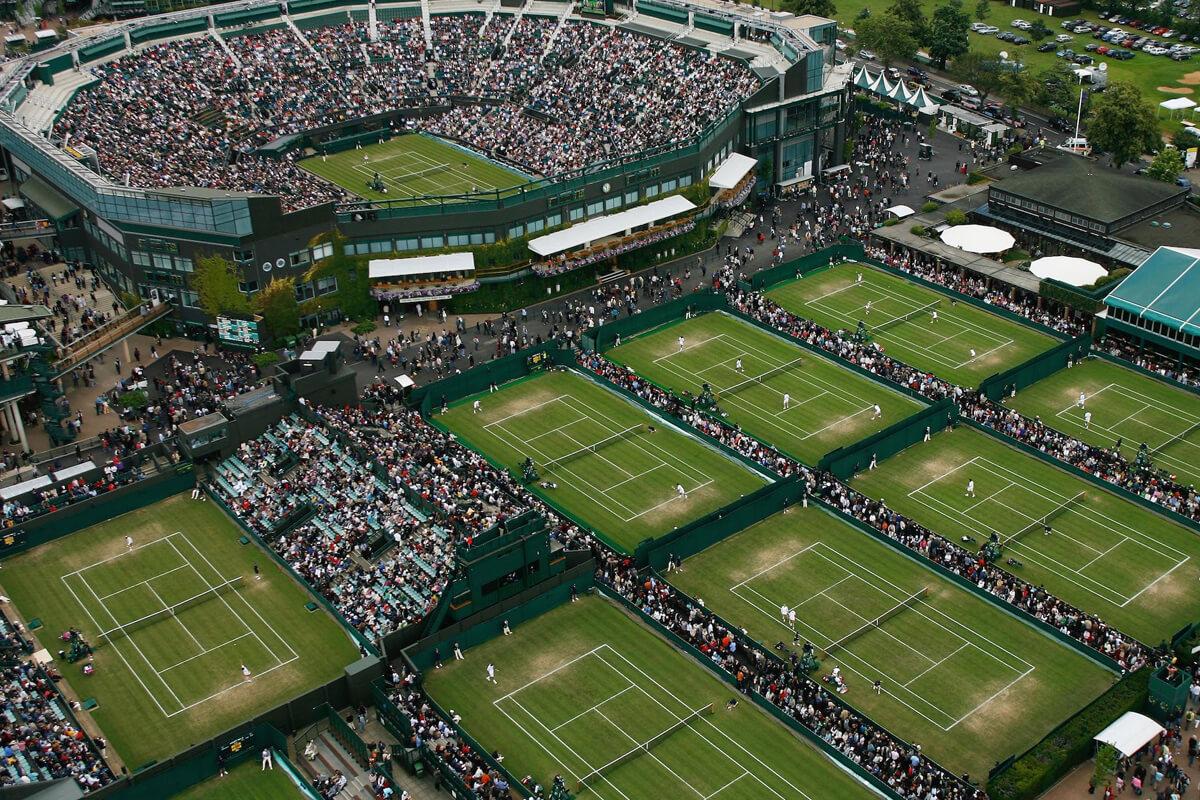
While this is seen as a step in the right direction for Wimbledon, the tournament firmly maintains many traditions despite repeated calls from players for reforms.
According to a recent report by The Times, despite growing concerns among players about privacy issues, Wimbledon has decided not to adjust its camera setup before the 2026 tournament. Previously, the Australian Open faced backlash over intrusive filming in backstage areas.
The report stated that Wimbledon believes backstage cameras have documentary value and can capture important moments. However, tournament officials confirmed that designated areas for players and their teams will not be filmed, and this rule will apply throughout the event. “Wimbledon has informed players that despite the controversy over Australian Open backstage filming, no changes will be made to camera setups this year,” Tom Kershaw wrote in The Times.
The player privacy controversy erupted following Coco Gauff’s incident at the 2026 Australian Open. After losing to Elina Svitolina in the quarterfinals, Gauff smashed her racket in a backstage corridor due to the painful defeat. Shortly after the incident, footage of Gauff venting her emotions quickly went viral. She later publicly criticized the tournament, accusing it of failing to provide private spaces for players. “I specifically went to a place where they wouldn’t broadcast, but obviously they still filmed it,” she said. “So maybe we can have some discussions about that, because I feel like in this tournament, the only private space we have is the locker room.”

The American player promptly received support from Novak Djokovic, who expressed similar views on the issue. “I agree with her [Gauff],” he stated. “You can hardly find any place to hide—how to say it—to release your disappointment and anger without being caught on camera, which is really sad. But we live in a society and era where content is paramount, so this is a deeper issue.”Source: Tennis Home Author: Spark

 Links
Links
 Contact
Address:UNIT 1804 SOUTH BANK TOWER, 55 UPPER GROUND,LONDON ENGLAND SE1 9E
Number:+85259695367
E-mali:[email protected]
 App
App


