



Miami: Maria Sharapova's Heartbreak Destination



The wind in Miami, laden with Atlantic humidity, sweeps across the hard courts of Crandon Park. The sun here is perpetually brilliant, the stands forever bustling. For most tennis players, this is a premier tournament where they chase glory and riches. But for Maria Sharapova, Miami was a cursed promised land—she reached the edge of that championship trophy five times, yet watched it slip from her grasp five times.
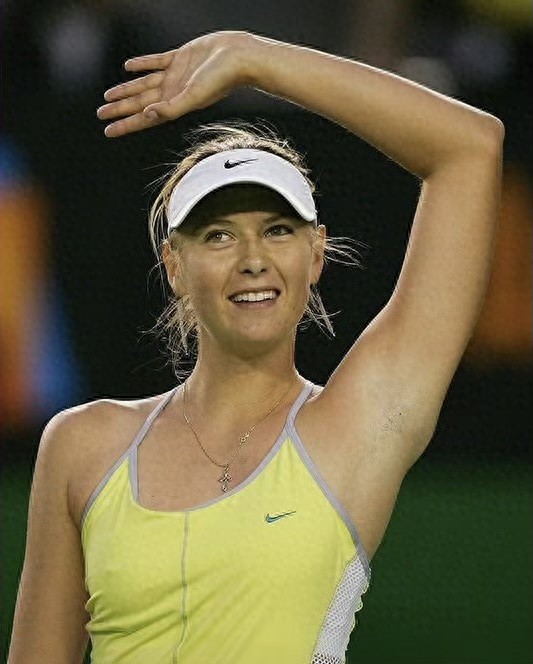
Rewind to the 2005 Miami Open. Not yet eighteen, Sharapova was no longer the dark horse who stunned Wimbledon eight months prior; she was the world's fourth-ranked player, the brightest new star in women's tennis. In the final against Kim Clijsters, the scores were 3-6, 5-7—seemingly close, yet she was controlled throughout by the Belgian's rhythm. That was her first taste of defeat in a Miami final. Young then, she believed countless future opportunities would allow her to redeem it.

One year later, the same city, the same final stage. This time, compatriot Svetlana Kuznetsova defeated her. The 6-4, 6-3 scoreline was more decisive than the previous year. Sharapova covering her head with a towel on the sidelines was captured by countless cameras—in that frame, there were no screams, no signature fist pumps, only the unshown frustration of a young athlete. She likely did not yet know that Miami's misfortune was just beginning.
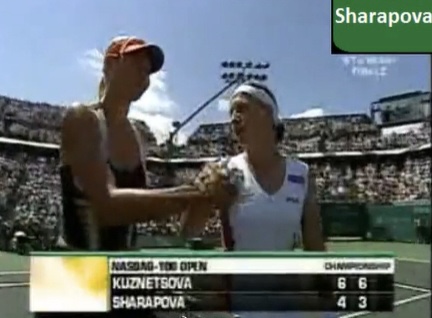
In the following years, Sharapova surged triumphantly on other courts: US Open champion, Australian Open champion, crowned with a French Open to complete the Career Grand Slam. She collected the crowns of nearly all major tournaments except Miami. Yet whenever the calendar turned to March, as she stepped onto Florida's hard courts, that invisible shackle tightened.
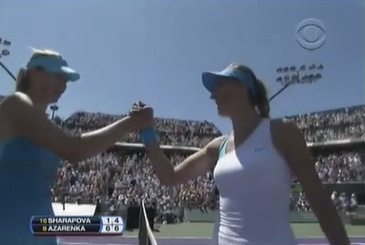
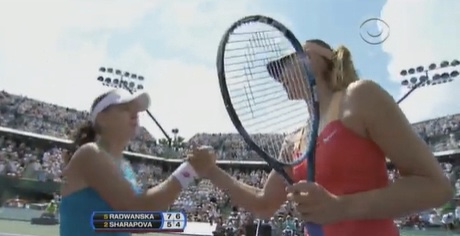
The 2011 Miami final, Victoria Azarenka told her with a 6-1, 6-4 score that the Miami title still did not belong to her. The Belarusian's defense was impregnable; Sharapova's heavy artillery lost its accuracy in Miami's winds. The 2012 final, Agnieszka Radwańska, with her delicate variations and deft defensive touch, again extinguished the Russian beauty's hope of lifting the trophy with a 7-5, 6-4. Four finals, four defeats, and all were straight-set losses—for a legend holding five Grand Slam titles, this was an almost incomprehensible paradox.
Yet, the cruelest script was reserved for the last.2013, Sharapova, reaching the Miami final for three consecutive years, faced Serena Williams—the greatest nemesis of her career. In the first set, Sharapova played like a beast imprisoned for years finally breaking free, 6-4, she seized the opening set. At that moment, the entire Crandon Park seemed to tremble. Was it this time? Was it finally? On the stands, her team clenched their fists, countless fans held their breath.
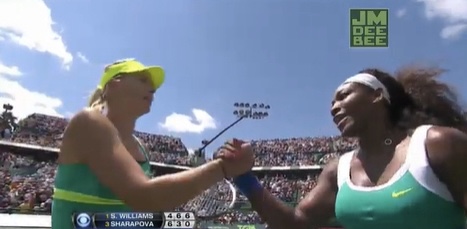
But Serena Williams is the coldest finisher in tennis history. The second set, the American leveled it 6-3. The deciding set—6-0. A score that shattered all Sharapova fans. A bagel, a comeback, under Miami's blazing sun, Serena Williams completed the reversal in the most brutal manner. Post-match, Sharapova struggled to maintain composure, but in those green eyes, something unmistakably shattered.
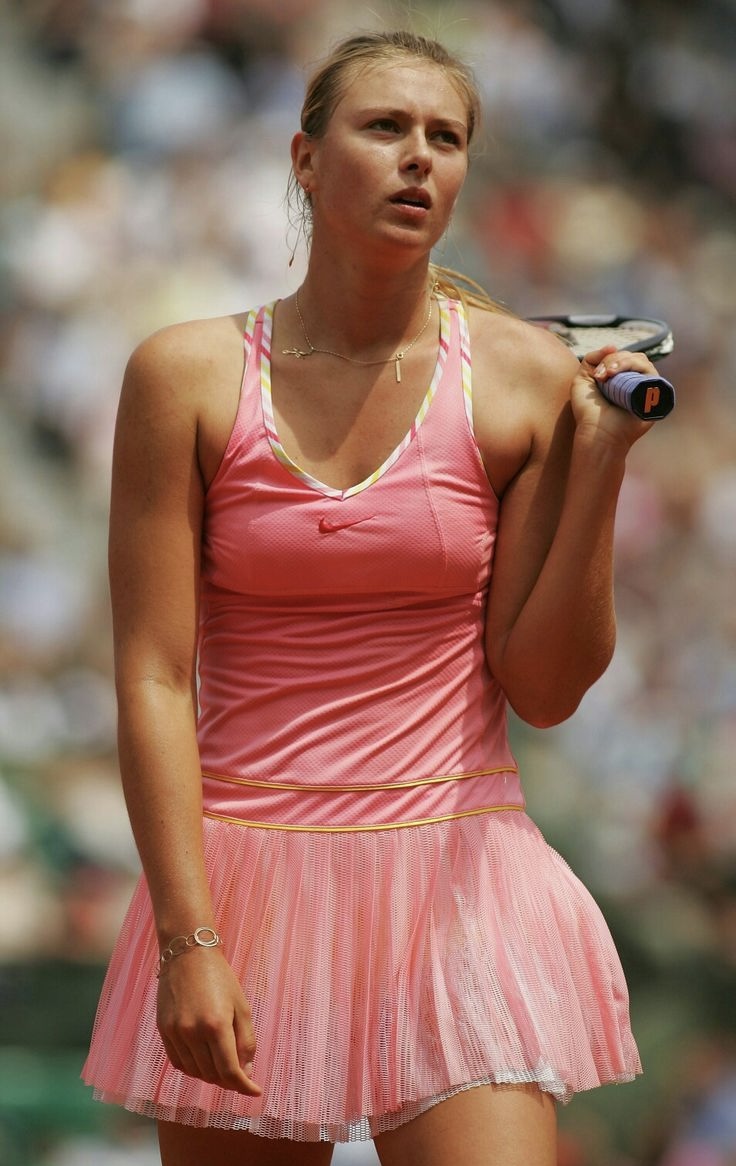
Five trips to the Miami final, a record of 0 wins and 5 losses, winning only one set, and that sole set was overturned by a bagel from her opponent. This cannot be explained by simply playing poorly; it was a tragedy meticulously orchestrated by fate. Miami for Sharapova is like Roland Garros for Pete Sampras, Wimbledon for Ivan Lendl—the sole unconquered territory on the career map.
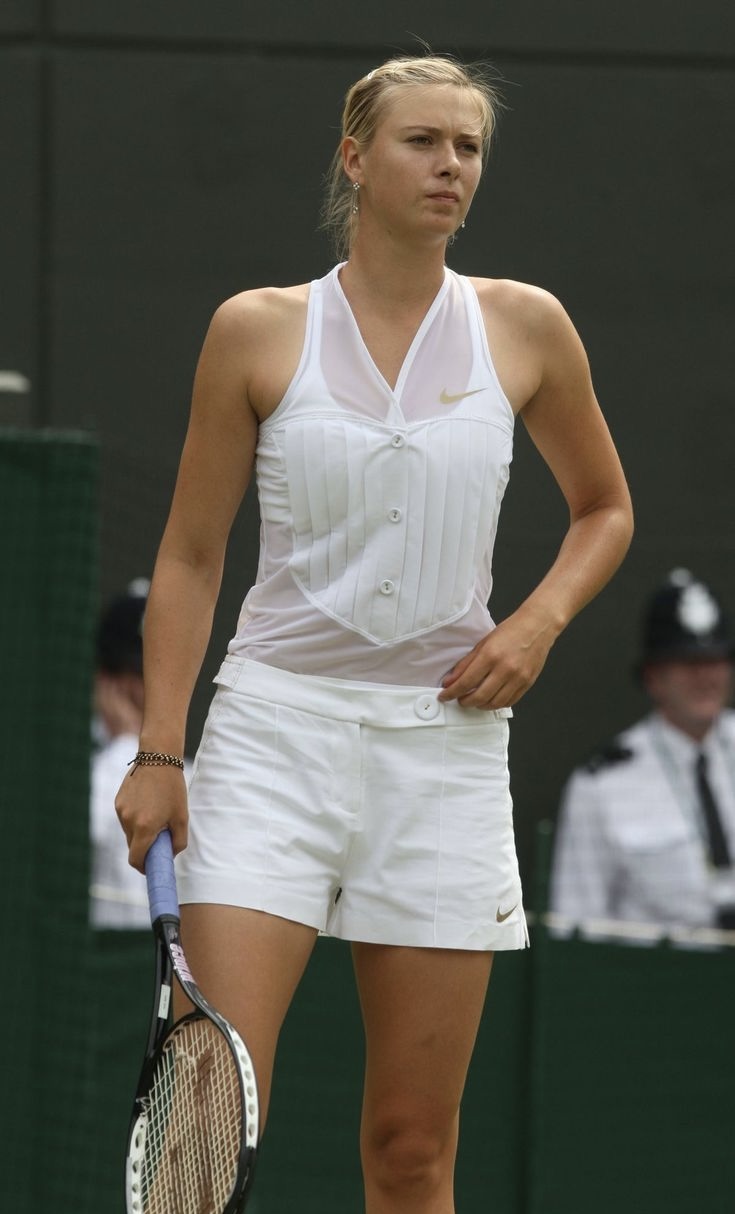
Now, looking back on Sharapova's career, those five Miami runner-up plates still gleam silver. Some say reaching five finals itself is proof of greatness, but for a fighter as proud and ambitious as Sharapova, runner-up is the greatest failure. She could roar, pump her fists, and lift championship trophies on any other court,唯独在迈阿密, she could only watch, time after time at the award ceremony, as her opponent raised the championship trophy she dreamed of.

Miami's sun remains brilliant, year after year shining on those hard courts.只是那个金发飘扬的身影, will never again appear on the final stage. Five journeys of heartbreak, ultimately凝固成网球史上一段令人唏嘘的注脚—about a city, a superstar, and those championship points that were never realized.(Source: Tennis Home Author: Mei )

 Links
Links
 Contact
Address:UNIT 1804 SOUTH BANK TOWER, 55 UPPER GROUND,LONDON ENGLAND SE1 9E
Number:+85259695367
E-mali:[email protected]
 App
App


