



The Rise of a New King and the Legend Endures: A Comprehensive Comparison Between Alcaraz and Djokovic



The 2026 Australian Open final’s battle between youth and experience has spotlighted the rivalry between Alcaraz and Djokovic. One is a 22-year-old Grand Slam prodigy ushering in a new era with explosive power; the other is a 38-year-old all-time great, crafting his legend through unmatched consistency. They hail from different tennis epochs, each excelling and facing challenges in technique, talent, and environment. Their strengths and flaws paint a picture of the sport’s ongoing heritage and evolution.

Technical Aspects: A Duel Between Ultimate Offense and Versatile Defense
Alcaraz’s technical style centers on aggressive offense, boasting top-tier explosive power in the tennis world. His forehand strikes with tremendous force and precise placement, while his backhand is flexible with sharp directional changes and excellent net play. He excels at taking the initiative to pressure opponents from the baseline, disrupting their rhythm with a rapid pace. Notably, he has refined drop shots into an art form, inspiring many imitators and spreading across the men’s circuit. His youthful physique supports extensive court coverage and rapid transitions between offense and defense, setting a new standard for the younger generation. However, his game heavily depends on physical condition; under pressure, his unforced error rate rises, his serve lacks consistency, and his tactical choices tend to be one-dimensional, leaning mostly on offense with less finesse in defensive counterattacks.
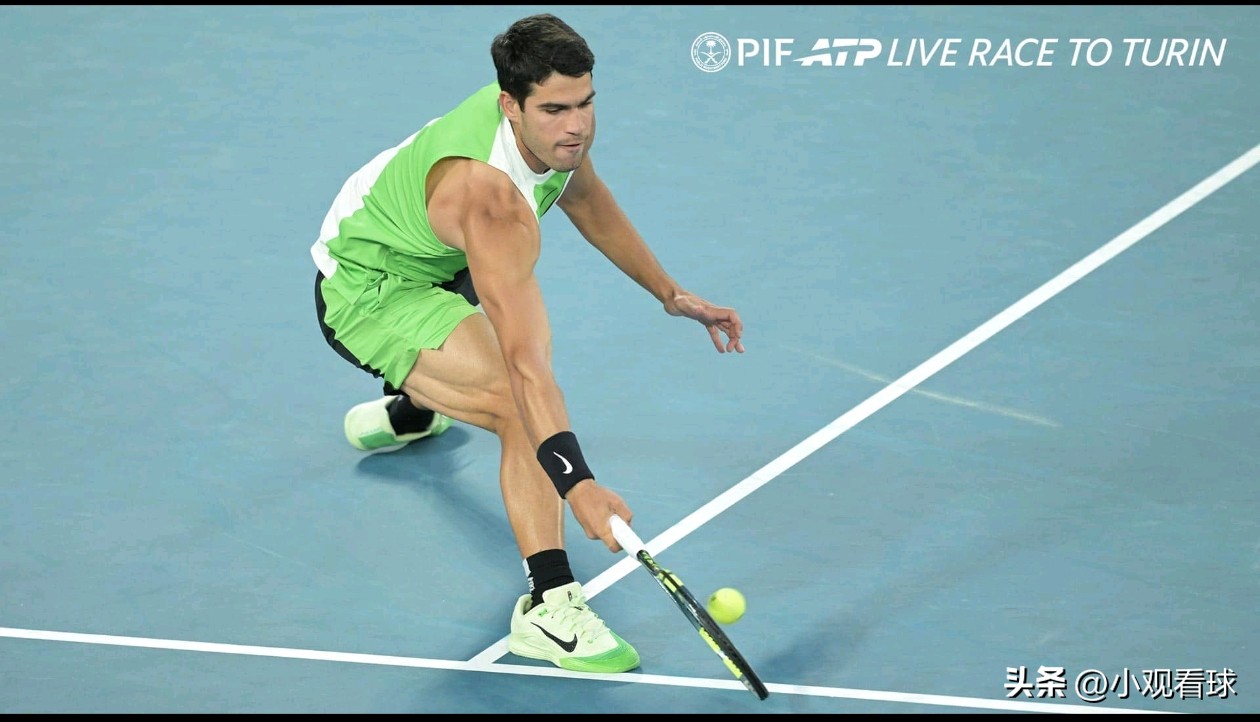
Djokovic epitomizes all-around defense and counterattack, with no obvious technical weaknesses. His two-handed backhand is historically stable and precise. Although his serve is not overpowering, its placement is tricky, efficiently creating attacking opportunities. His baseline endurance is unparalleled, excelling at patiently wearing down opponents and capitalizing on their mistakes. His tactical intelligence is supreme, able to swiftly adapt strategies based on opponents’ characteristics, with unmatched on-court adaptability. Yet, age has affected Djokovic’s movement speed and shot explosiveness; against aggressive players like Alcaraz, the physical toll during rallies is greater, making it difficult to maintain high-intensity defense in fast-paced exchanges.
Tennis Talent: Two Extremes of Natural Power and Supreme Court Intelligence
Alcaraz’s talent is that of a natural conqueror on court, possessing rare physical gifts — exceptional muscular explosiveness, remarkable coordination, and dynamic vision. He can accurately read ball trajectories and execute difficult shots in high-speed exchanges. From a young age, he has shown a maturity beyond his years in big matches, with fearless fighting spirit on crucial points, embodying a born competitor’s heart. This talent has enabled him to quickly adapt to various courts, achieve Grand Slam success early, and become the only rising star capable of challenging legends head-on.
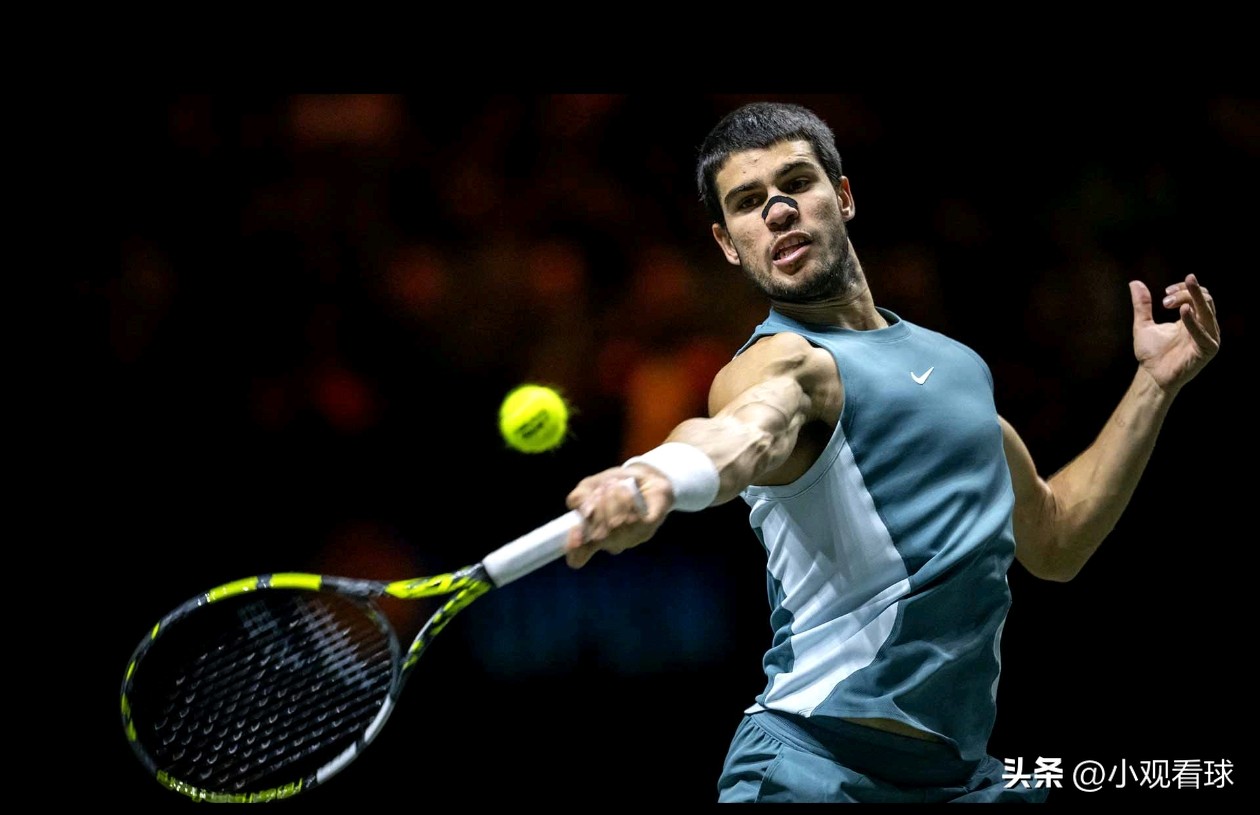
Djokovic’s talent lies in his extraordinary tennis IQ and body control. He is not naturally a physical powerhouse but has honed his flexibility and coordination to the extreme through training. He possesses a unique “body reset” ability, quickly adjusting positioning and maintaining rhythm during baseline rallies. His tennis intelligence ranks among the best, instantly reading opponents’ shot patterns and tactics, anticipating ball trajectories, and disrupting opponents’ plans with feints and tempo changes. This cerebral approach has allowed him to remain competitive at the highest level even in the later stages of his career.
Competitive Environment: The Golden Era of Titans Versus a Unique New Generation Landscape
Djokovic competed during the golden age dominated by the Big Three, facing fierce rivalry from Federer and Nadal throughout his career. All three have won over 20 Grand Slam titles each, forming a tripartite pinnacle of competition that constantly pushed each other to evolve. Additionally, players like Murray, Wawrinka, and Del Potro were formidable contenders capable of upsetting in major events. Every one of Djokovic’s titles was earned by overcoming layers of elite opposition.

Alcaraz’s competitive environment is relatively less intense. The current Big Three are approaching retirement with significantly declined form; mid-generation players like Zverev and Medvedev have struggled to sustain consistent threat; the rise of younger players started years after Alcaraz, and some promising talents like Draper have been hampered by injuries, delaying their breakthrough. Currently, only Sinner poses a genuine challenge to Alcaraz, making his path to the top less obstructed than the era Djokovic faced.
Personality Traits: Passionate Fighting Spirit Versus Calm Resilience on Court
Alcaraz’s personality is fiery and bold, displaying great passion and emotion with every spectacular shot. This temperament fuels his fearlessness in critical points and willingness to attempt difficult plays, enabling him to stage comebacks from behind. His energy excites the crowd and boosts his mental strength. However, this emotional volatility sometimes leads to impulsive shot choices and increased errors. Against mentally savvy opponents like Djokovic, he can be thrown off rhythm, indicating room to improve his psychological resilience.
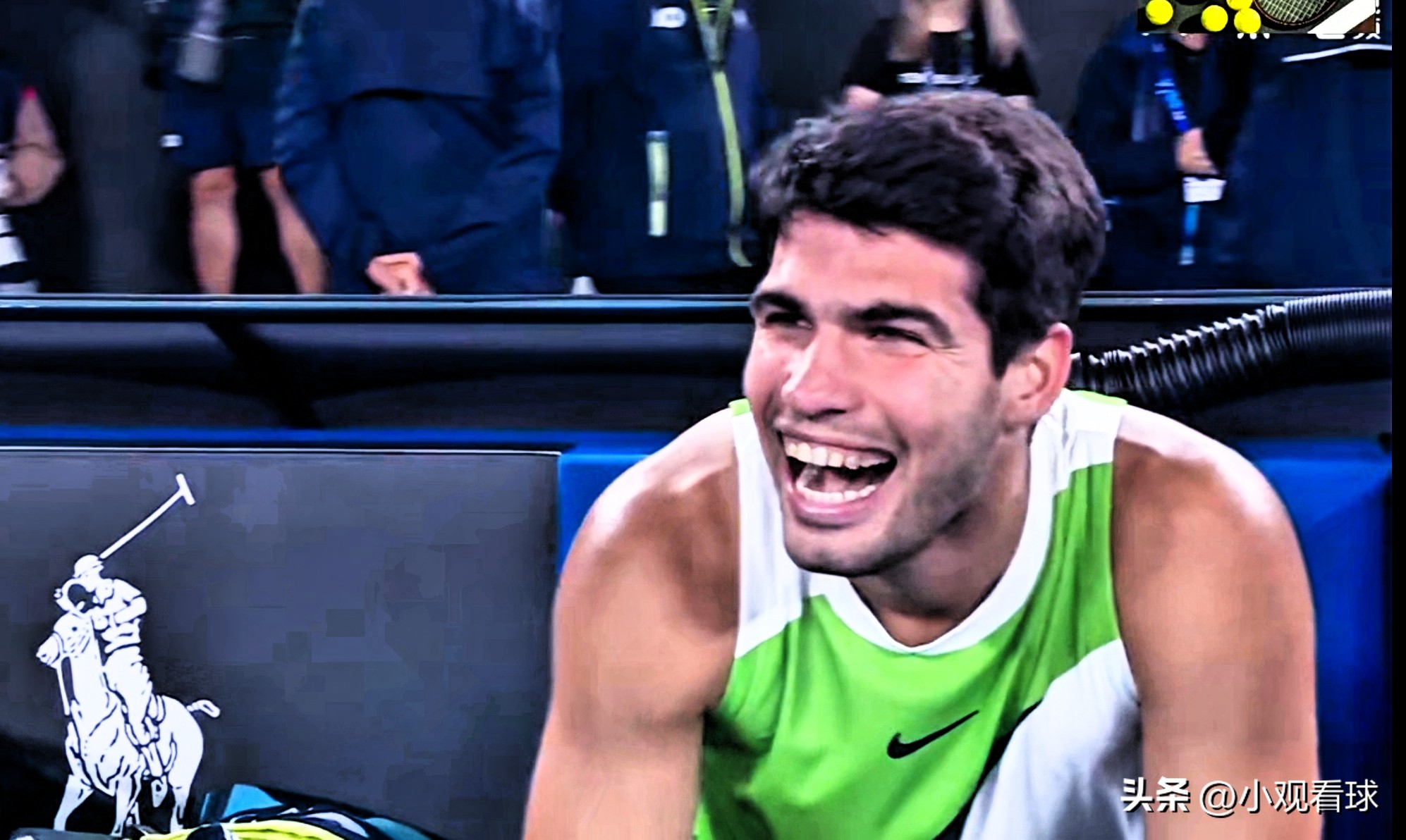
Djokovic’s character is steady, resilient, and highly disciplined. In his later career, he rarely shows emotions on court, maintaining a cool head and excelling at managing his mindset under pressure. Even when trailing, his strong mental toughness allows him to patiently wear down opponents’ will. His extreme discipline has helped him sustain peak physical condition and compete at the highest level late into his career. His psychological warfare is top-notch, subtly influencing opponents through gestures and rhythm changes to control matches. However, his calmness can sometimes limit his attacking ambition, occasionally forcing him into passive defense against younger aggressive players.
Sports Medicine Conditions: New Generation Advantages and Veteran Scientific Longevity
Alcaraz benefits from the advanced sports medicine era, having been exposed since youth to cutting-edge training concepts, precise fitness monitoring, and efficient rehabilitation technologies. Scientific training has built his physical capabilities, and top medical resources enable rapid recovery from injuries, minimizing career disruptions. Modern tennis also offers better player protections and more considerate scheduling, creating a favorable environment for his career development. Yet, his aggressive style demands intense physical exertion and extensive court coverage, increasing injury risk if heavy workloads persist. How he uses sports medicine and plans his schedule scientifically will be key to his career longevity.
Djokovic’s career has witnessed the evolution of sports medicine. Early on, he lacked today’s elite medical support but relied on strict discipline and scientific training to avoid major injuries. In later years, advanced rehab techniques, personalized fitness regimes, and injury prevention systems have become his “longevity secret,” helping him maintain competitiveness despite aging. However, aging naturally reduces recovery speed, requiring longer rest after intense matches and increasing injury risks. While sports medicine can slow physical decline, it cannot stop the natural effects of aging on performance.
Controversies and Suppression: Resilience Forged in Shadows and Invisible Costs
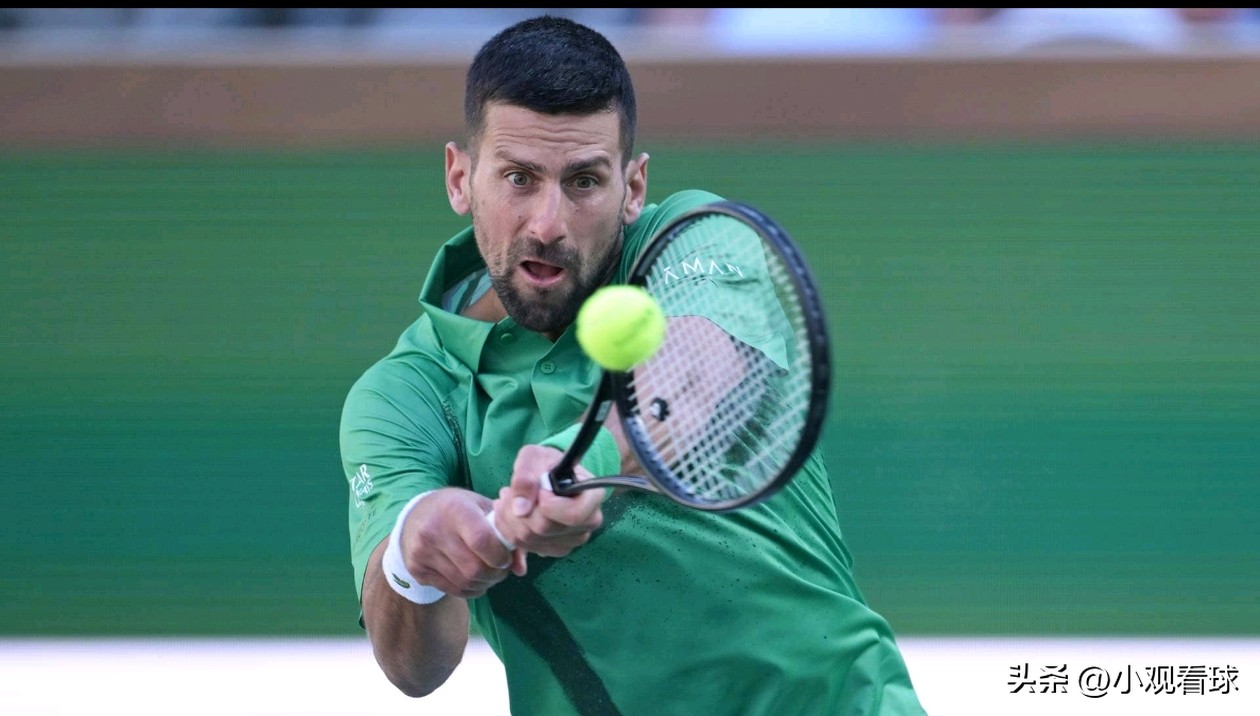
Djokovic’s career has been marked by numerous controversies and targeted suppression, becoming a unique aspect of his legendary journey. Early struggles with gluten intolerance caused multiple withdrawals and criticism. Media narratives often portrayed him as a “global outsider.” In 2022, his stance on vaccination led to visa denial at the Australian Open, missing the chance to defend his title. Event organizers have imposed subtle restrictions in scheduling and court conditions, and some media and fans have shown bias due to his non-native status or less popular style. These negative factors have persistently shadowed his career.
The negative impact is clear: repeated controversies distracted his focus and disrupted preparation rhythms. Unfair treatment at key events directly cost him titles (such as the harsh penalty at the 2020 US Open), affecting his total championship count and historical standing. Long-term media pressure added psychological burdens, occasionally causing emotional fluctuations in high-pressure matches and conflicts with referees or organizers, amplifying disputes further.
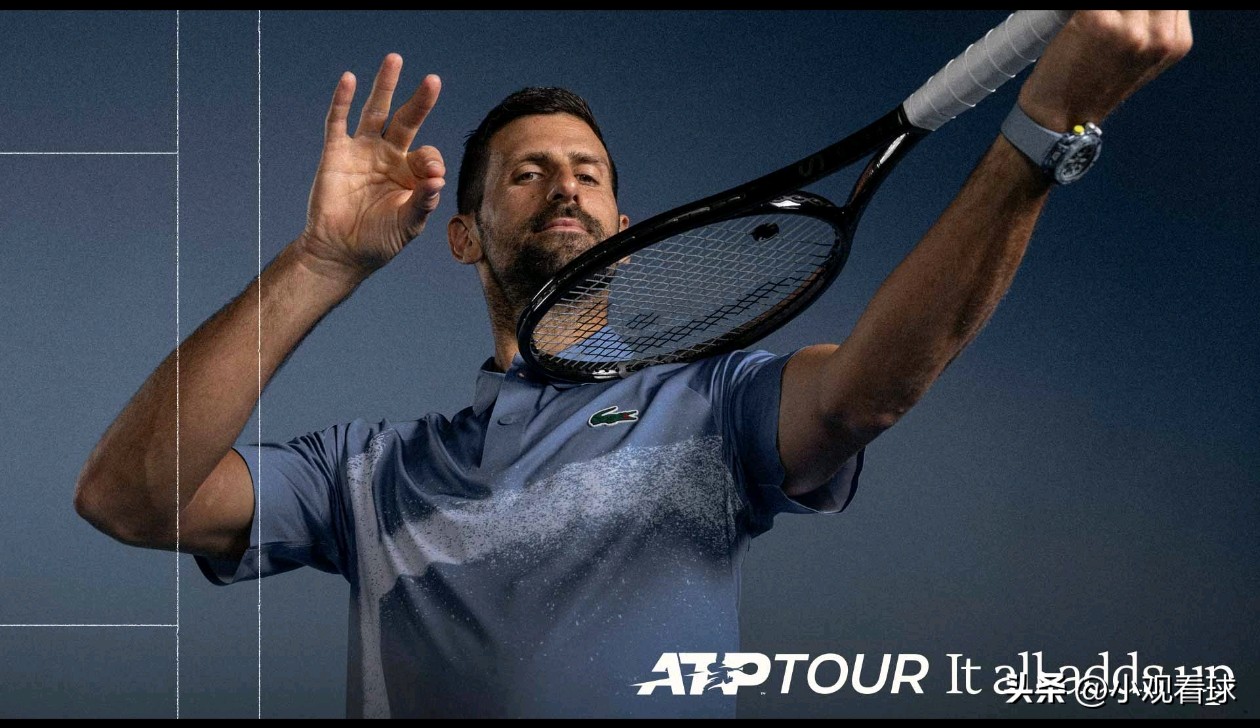
Djokovic’s Most Iconic Photograph
Yet the positive value is equally profound: constant adversity forged his remarkable resilience, making him stronger through setbacks. The more he was underestimated, the more astonishingly he performed, with multiple comeback wins amid controversy as proof. These challenges taught him to maintain focus amid media storms, transforming external doubts into motivation. His extreme discipline and training intensity partly serve as silent rebellion against negativity. Importantly, these experiences elevated him beyond a mere athlete to a symbol of steadfast principles and resistance to injustice, earning a loyal global fanbase and deepening the legend’s richness.
Overcoming countless hardships, his image resonates deeply, giving his matches a powerful emotional impact that moves countless fans.
In contrast, Alcaraz’s career has yet to face such intense controversies or suppression. As a leader of the new generation, he enjoys the benefits of tennis’s “star-making” machinery — strong support from organizers, positive media coverage, and natural fan goodwill. This favorable environment allows him to focus on improving his game but lacks opportunities to develop mental toughness through adversity. If he encounters major disputes or unfair treatment in the future, his resilience under pressure will still need testing.
Other Dimensions: The Battle Between Career Legacy and Future Potential
Beyond the above aspects, both players differ in career achievements and future prospects. Djokovic holds 24 Grand Slam titles, having endured countless high-level contests. His vast experience equips him to handle various courts and opponents expertly, enabling smart decisions in critical moments and comebacks from tough situations. However, age is his biggest weakness, with inevitable declines in stamina and explosiveness shortening his peak period and reducing endurance in major tournaments.
Alcaraz possesses boundless future potential. At 22, he has already achieved a career Grand Slam, with ample room to refine his technique, tactics, and mental resilience. As he gains more experience, his overall competitiveness will keep growing. With modern sports medicine and smart career planning to minimize injuries, he could claim many more Grand Slam titles. Yet his relative lack of career depth means he sometimes makes judgment errors or tactical missteps in complex match scenarios. To become a true tennis ruler, he must endure more legendary battles and tough challenges.
The rivalry between Alcaraz and Djokovic represents a clash of tennis generations. Each has distinctive strengths and weaknesses, along with some regrets. Alcaraz boasts youthful physicality and explosive offensive talent but must keep improving technically and mentally. Djokovic has unrivaled technique and vast experience but faces age, physical limits, and ongoing controversies. For Alcaraz, Djokovic is a target to chase and a model of growth through adversity; for Djokovic, Alcaraz is a formidable opponent and the future hope of tennis. Their competition will continue, embodying the sport’s charm in the passing of the torch and peak confrontations.
[Look at me][Bow][Rose]
#Alcaraz##TheBigThree##TennisWorld##ATPHistory##TennisLegend#

 Links
Links
 Contact
Address:UNIT 1804 SOUTH BANK TOWER, 55 UPPER GROUND,LONDON ENGLAND SE1 9E
Number:+85259695367
E-mali:[email protected]
 App
App


