



Anber lost in a seventh-set tiebreak after checking his phone, sparking accusations of match-fixing; Serena’s coach strongly supports women playing five-set matches!



The second round match at the 2026 ATP250 Montpellier, originally not drawing much attention, suddenly became a focal point because of an unexpected event during play.
This second-round contest saw French ace Anber face his fellow countryman and 37-year-old veteran Mannarino. The match was rollercoaster-like: Anber took the first set 7-6 (4), lost the second 3-6. In the deciding set, he once led 5-4 and earned three match points in the tenth game but failed to convert any, eventually pushing the match into a tiebreak. In the tiebreak, Anber initially led 4-3 and held two serve points, with victory within reach.
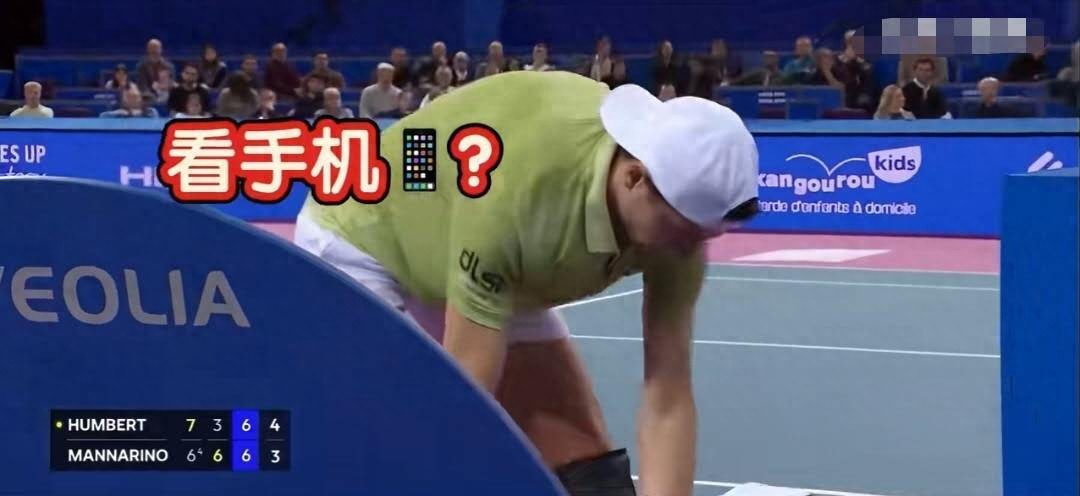
However, at this crucial moment, Anber made a surprising move—he paused the match, walked to the side of the court, rummaged through his bag, and glanced at his phone screen. Though the interruption lasted only a few seconds and he immediately apologized to his opponent and the umpire, this break clearly affected his rhythm. Returning to the court, Anber lost four consecutive points, dropped the tiebreak 4-7, and was ultimately upset by Mannarino. Even more unusual, after the match, he did not follow the usual protocol of acknowledging the home crowd but instead left the court directly.
This unusual behavior quickly sparked debate. On social media, many international fans openly questioned the match’s integrity: “Is he blatantly checking the odds?” Others commented, “It’s a proper ATP250 event—why aren’t phones collected before the match?”
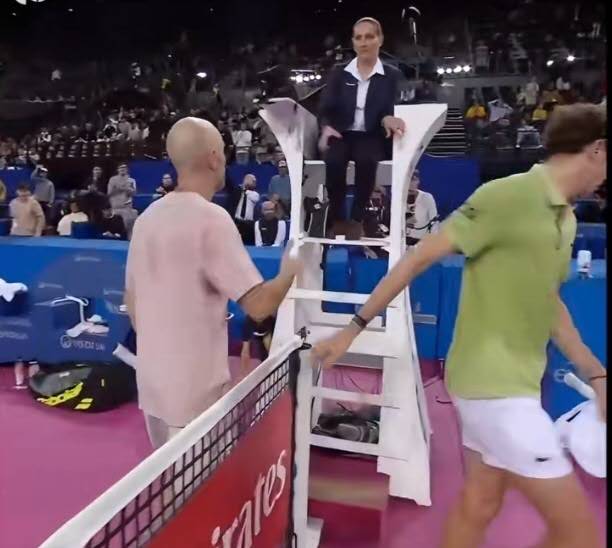
Domestic commentators offered a different interpretation, suggesting Anber might have received urgent or distressing news that unsettled him. His swift departure after the match seemed to support this theory.
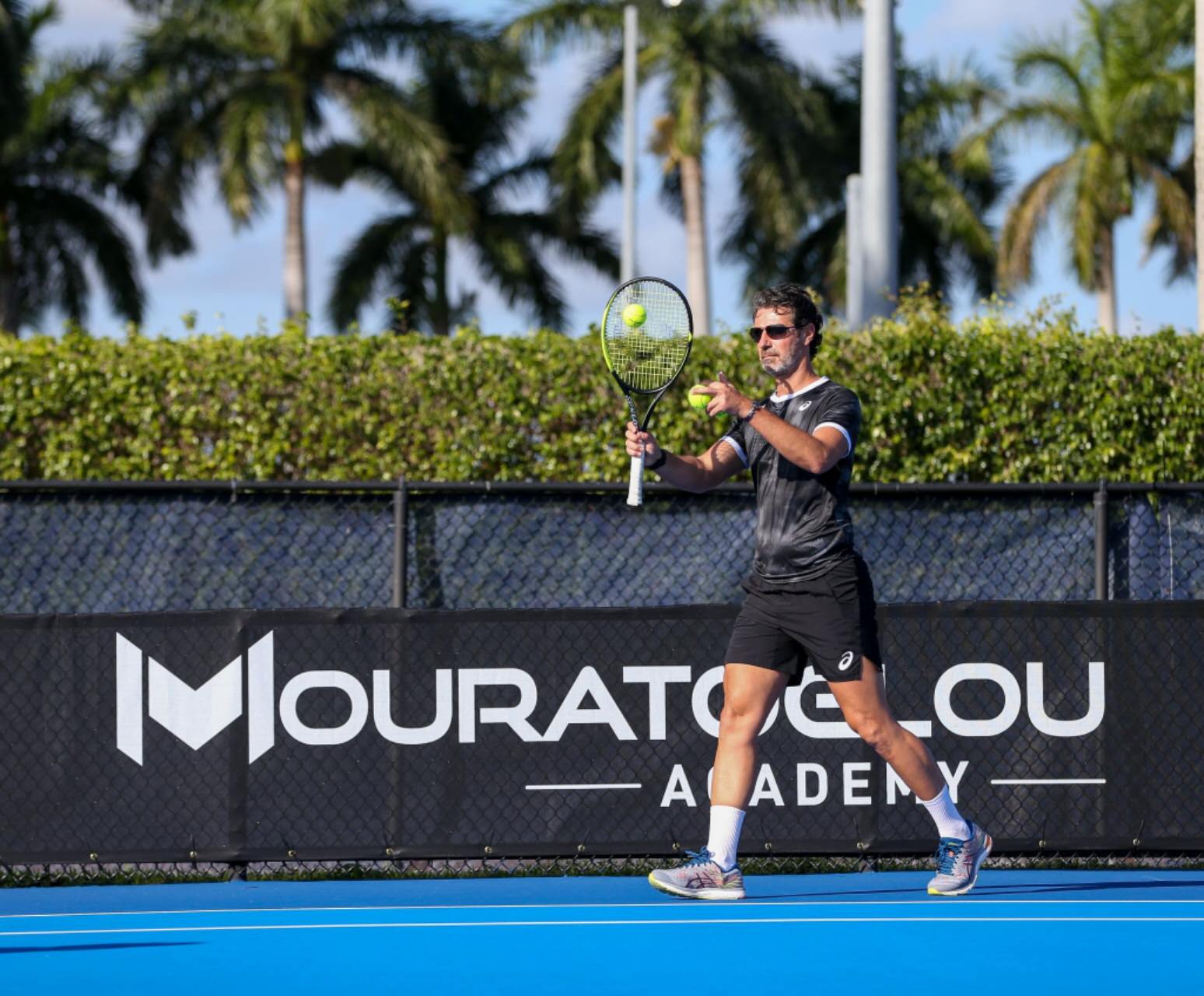
While the phone incident involving Anber stirred discussion, another controversy in tennis was heating up. Serena Williams’ former coach, Mouratoglou, recently voiced his support for women’s tennis adopting a best-of-five sets format at Grand Slam events.
Mouratoglou stated, “This would end the debate over equal prize money. Male players often say they play more matches with best-of-five sets, while women only play best-of-three.” He also specifically mentioned the French Open’s scheduling: “The French Open avoids scheduling women’s matches at night because there could be quick scores like 6-1, 6-1 ending in 40 minutes, yet fans pay to watch such matches.”

It’s worth noting that women’s tennis has precedent for five-set matches. From 1984 to 1998, the WTA Finals championship match was contested as best-of-five sets.
Mouratoglou believes modern female players are fully capable of handling the physical demands of five-set matches. He cited the 2011 Australian Open match between Schiavone and Kuznetsova, which lasted 4 hours and 44 minutes, as an example.
Mouratoglou’s proposal quickly sparked heated debate online, with opinions sharply divided among netizens.
Supporters argue, “Equal pay requires equal effort; you can’t work three hours a day while I work five or six and get the same salary.” Opponents counter that the appeal of tennis lies not only in match length but also in competitiveness and entertainment value, questioning, “Do you really not know which sells more tickets, women’s matches or men’s?”
So, what do you think about these two tennis controversies? Feel free to share your thoughts and opinions in the comments below!(Source: Tennis Home, Author: Lu Xiaotian)

 Links
Links
 Contact
Address:UNIT 1804 SOUTH BANK TOWER, 55 UPPER GROUND,LONDON ENGLAND SE1 9E
Number:+85259695367
E-mali:[email protected]
 App
App


