



Breaking news! The Australian Open tournament director reveals that the women's event may adopt a best-of-five sets format after the quarterfinals next year.



As the 2026 Australian Open concludes, a proposal that could reshape the history of women's tennis has emerged. The tournament director, Craig Tiley, recently disclosed that starting in 2027, the later rounds of the women's singles matches might switch to a best-of-five sets format, matching the men's. If implemented, this change would end the tradition, dating back to 1901, of women playing best-of-three sets in Grand Slam tournaments.
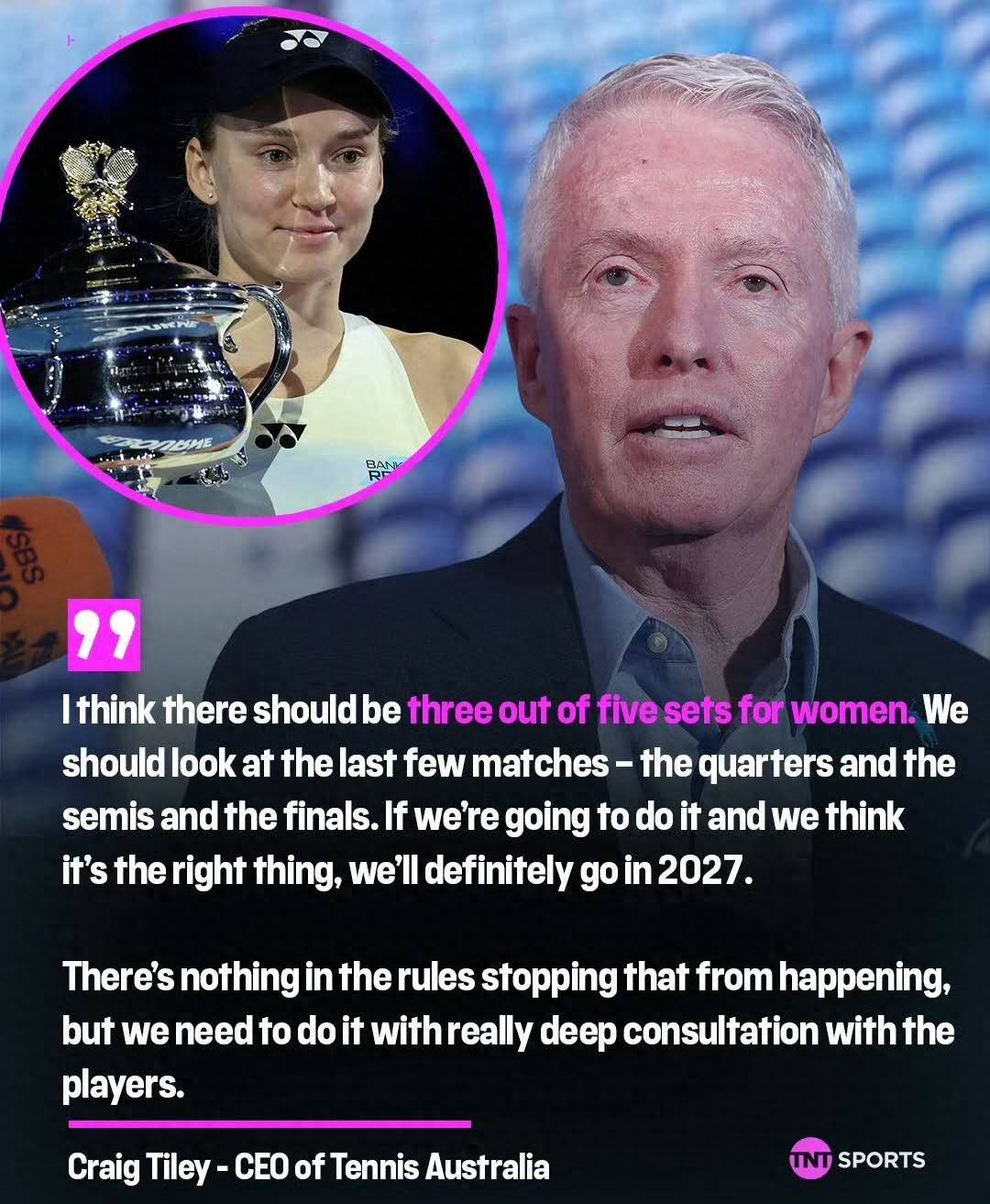
Tiley specifically mentioned the thrilling men's semifinal matches at this year's Australian Open, including Alcaraz's 5-hour 27-minute victory over Zverev and the classic 4-hour 9-minute battle between Djokovic and Sinner. He admitted these matches left a deep impression on him: "I still get goosebumps thinking about them."
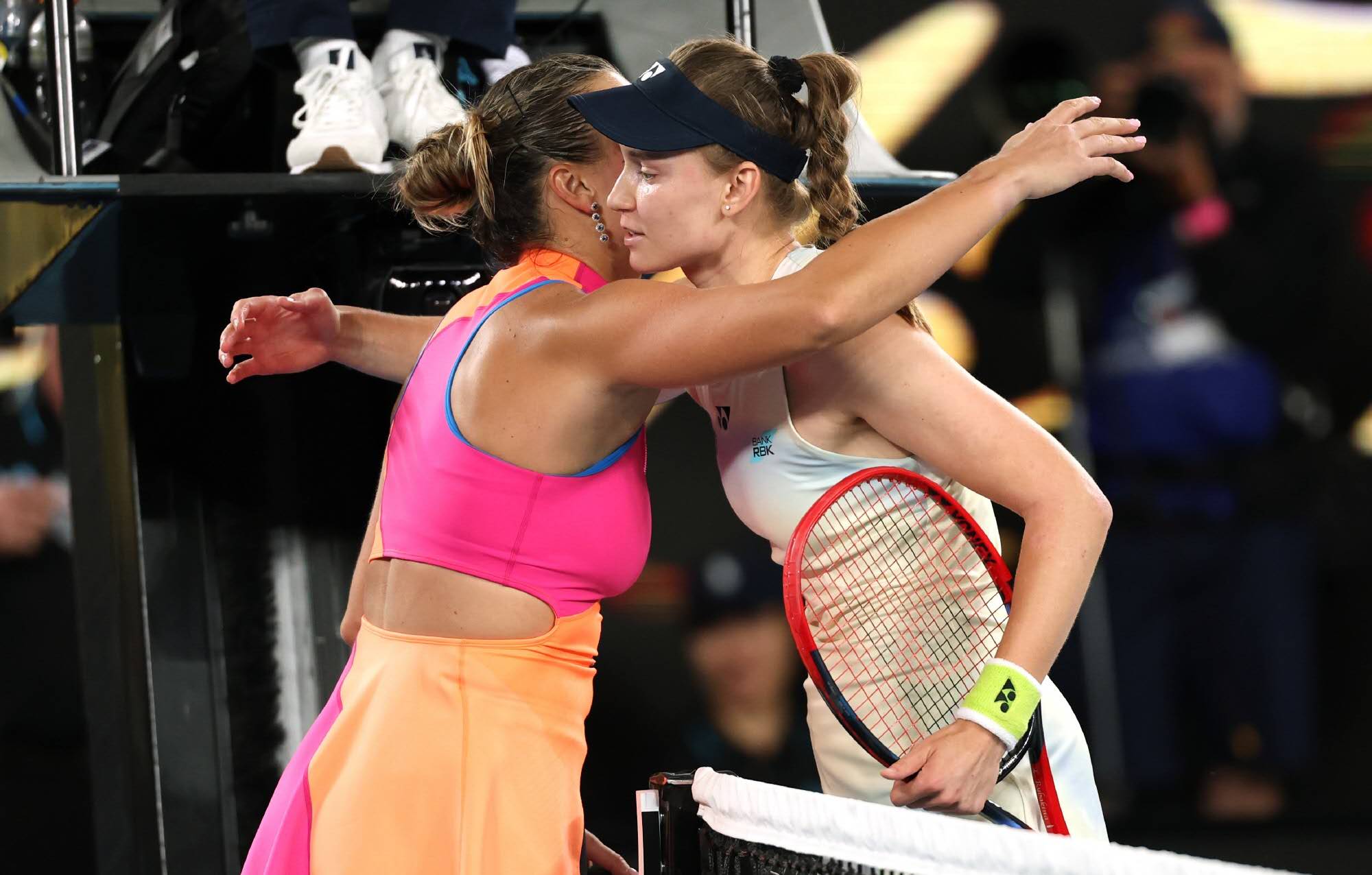
However, he also expressed admiration for the women's final, where Lebakina triumphed over Sabalenka in three sets. Yet, he believes that if the women's later rounds adopted a best-of-five sets format, the matches would become even more gripping and dramatic.
According to Tiley's plan, the change would only apply to the crucial later rounds of the women's singles—the quarterfinals, semifinals, and final. He made it clear that this adjustment does not require approval from the Grand Slam Board: "There is no rule prohibiting this. Each Grand Slam has its own rules regarding tiebreaks, and Melbourne has the authority to modify the number of sets in the women's matches."
This proposal has stirred considerable debate among players, especially concerning the increased physical strain and injury risks.
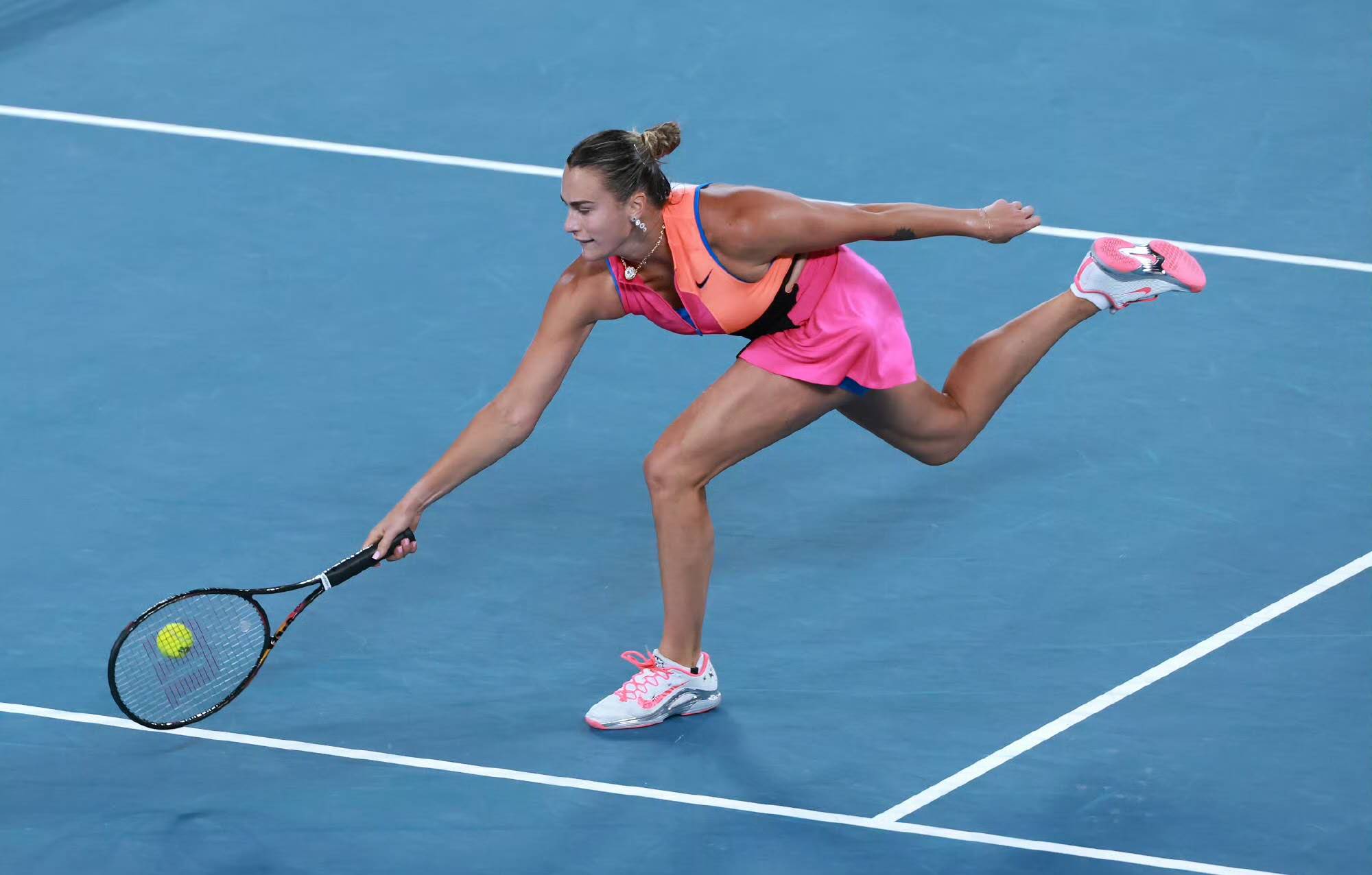
World No.1 Sabalenka has voiced her opposition clearly: "Physically, I might be one of the strongest players, so this could benefit me. But I think it's too demanding on women's bodies. I feel we are not yet ready to handle such intense tennis, and it would increase the risk of injuries for female players."
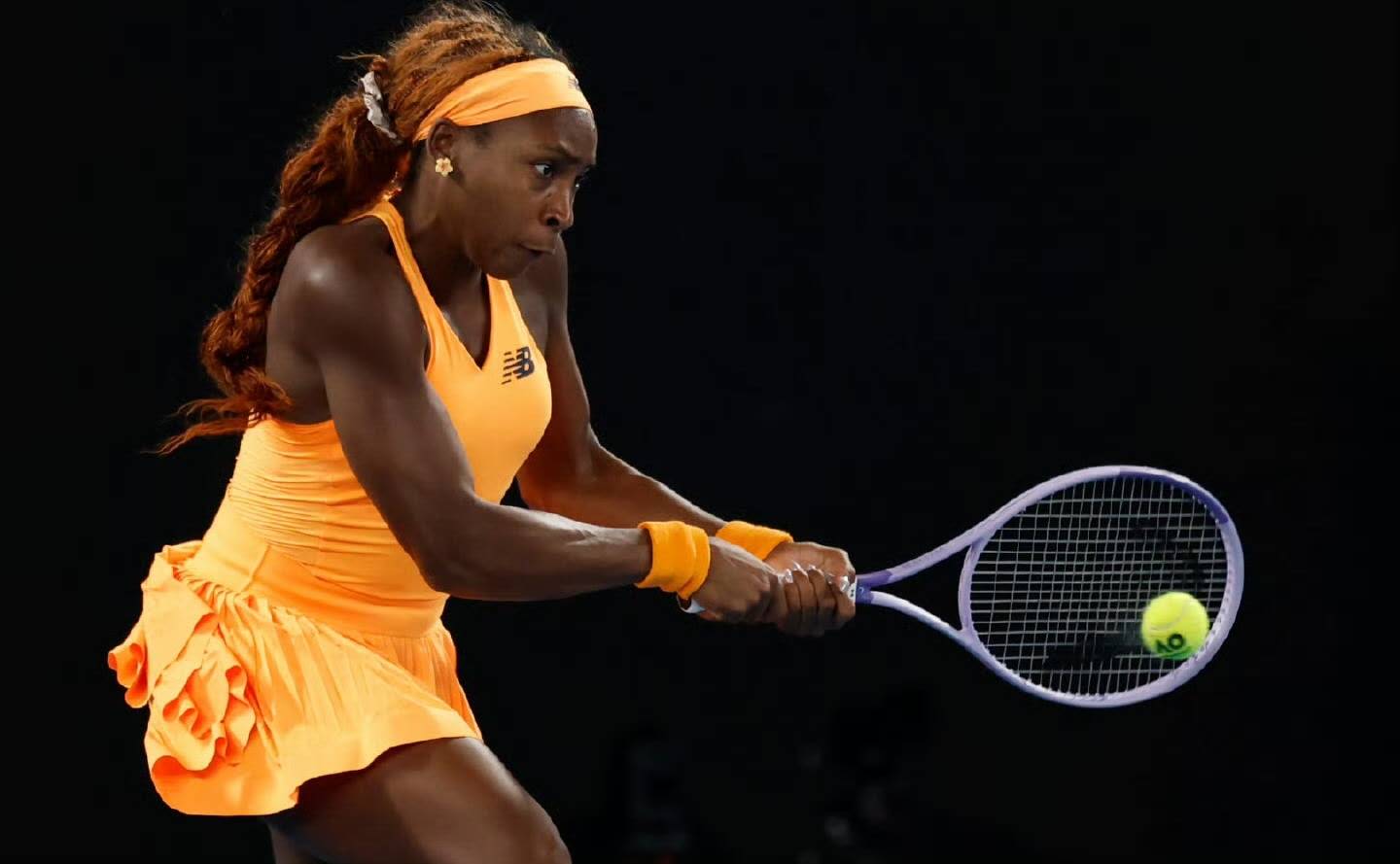
World No.2 Gauff expressed similar reservations: "From a physical standpoint, this might suit me. However, I do believe this is a significant change for the entire tour. I think maintaining the current format is also fine."
It is worth noting that the best-of-five sets format for women's tennis is not a new idea. In fact, the sport used this format over 130 years ago. In 1901, a male-only council shortened women's matches to best-of-three sets. More recently, the 1994 Australian Open announced plans to switch the women's final to best-of-five sets in 1995, but the proposal was dropped after top-ranked Graf led opposition. Additionally, the WTA Finals women's final used a best-of-five sets format from 1984 to 1998.
Moreover, discussions about whether women's tennis should adopt the best-of-five sets format have been ongoing and often intertwined with the issue of equal pay. Currently, the four Grand Slams offer equal prize money to men and women, though some lower-level tournaments have yet to fully equalize.
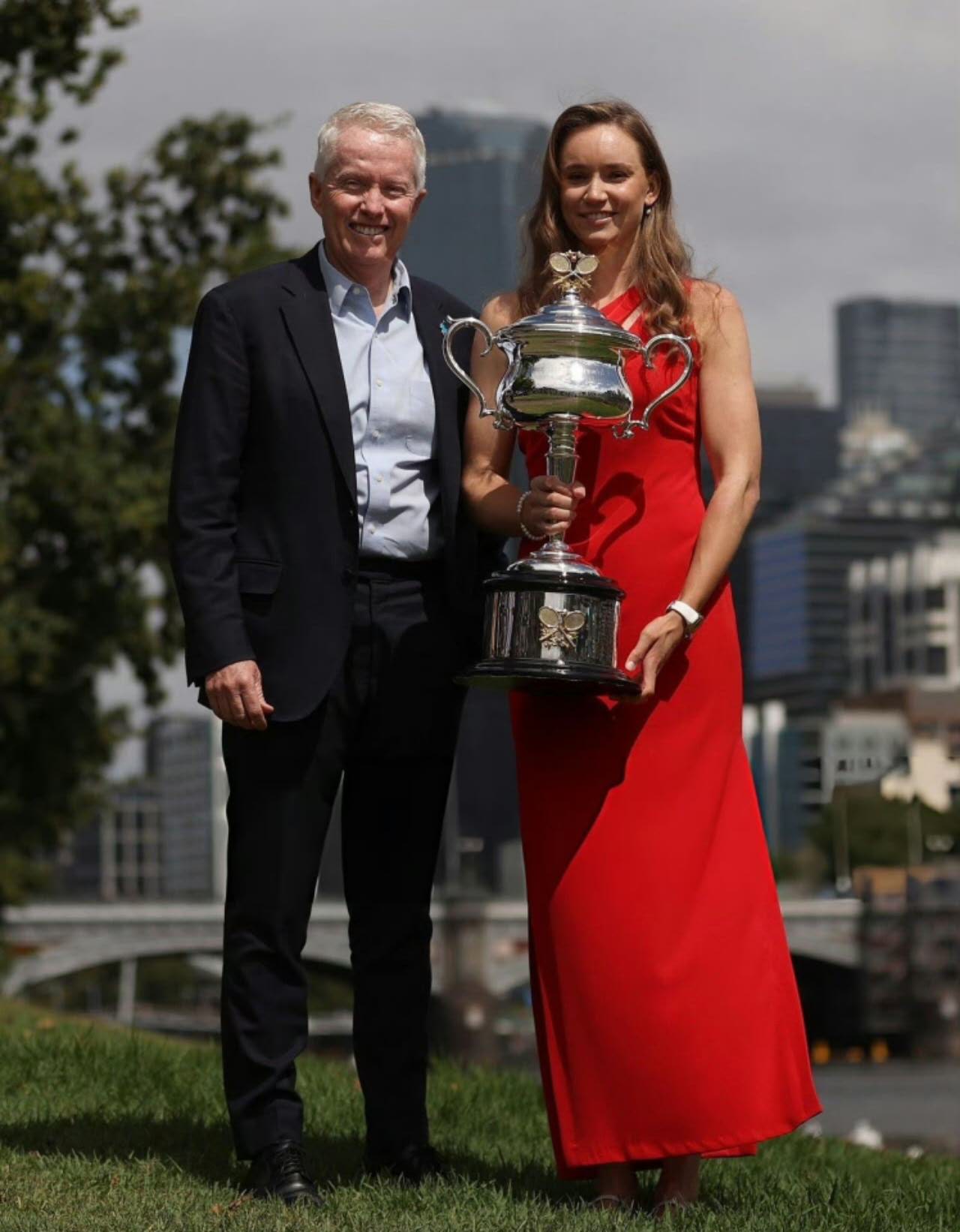
Tiley is aware that this proposal may cause divisions: "Some will say it’s ridiculous, while others will see it as a great idea." He emphasized that any changes must be made "only after thorough consultation with the players."
Whether this proposal will come to fruition depends on negotiations with the WTA and its players. As discussions progress, the future landscape of women's tennis might witness a historic transformation in 2027. What will tomorrow bring? This question now seems to perfectly capture the anticipation surrounding the potential change in the women's tennis format.(Source: Tennis Home, Author: Lu Xiaotian)

 Links
Links
 Contact
Address:UNIT 1804 SOUTH BANK TOWER, 55 UPPER GROUND,LONDON ENGLAND SE1 9E
Number:+85259695367
E-mali:[email protected]
 App
App


