



Kyrgios responds to Rublev’s claim of not representing male players, as Russian legend backs Zverev for a Grand Slam


While the "gender battle" has concluded, the discussions it triggered continue to resonate. The special conditions of the exhibition and Kyrgios’s ranking status have stirred significant debate within tennis circles.
Tennis notable Rublev raised doubts, stating that Kyrgios lacks the qualifications to represent men in this gender contest. He cited reasons such as Kyrgios’s injuries, his ranking, and his prolonged absence from the court, all of which, combined, make him unfit to embody the current level of men’s tennis.
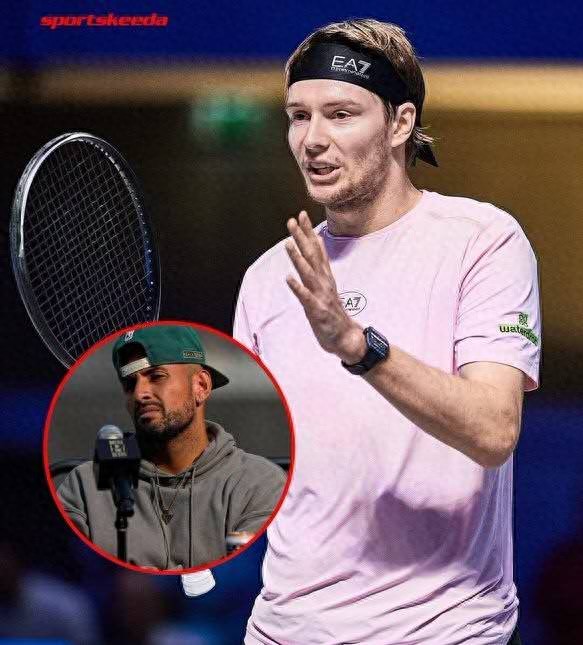
In response to Rublev’s criticism, Kyrgios recently replied with sarcasm: “That’s an interesting comment coming from someone whose entire playing style was shaped around me.” He revealed that many players privately expressed their support: “Some players messaged me saying: you represent us. I won’t name names because they’ve been bothering me for days, even weeks!”
Kyrgios continued, admitting that dealing with such pressure is not easy. However, he then turned his attention back to Rublev: “Rublev is next! Your turn!”
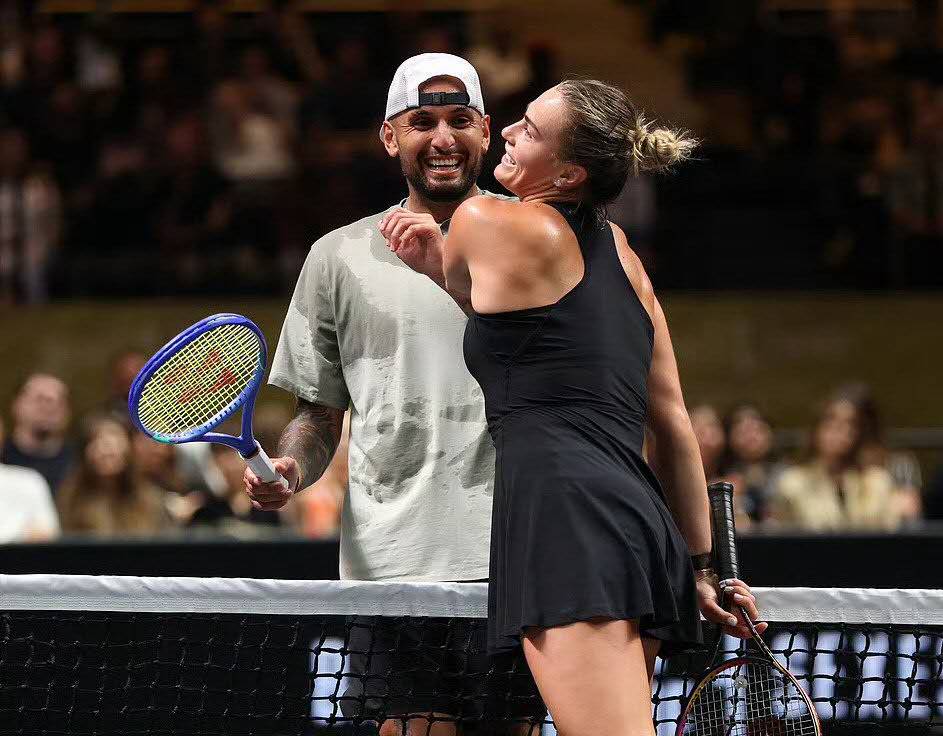
Born in 1997, Kazakh player Rublev experienced a breakout season in 2025. From contemplating retirement to breaking into the world’s top ten, he underwent a remarkable transformation. Early in 2025, Rublev was fighting to stay within the top 100 and even considered quitting. After Indian Wells, he took a three-day reflective trip to Las Vegas, which became a turning point in his season.
At the French Open that followed, he defeated two top-ten players, Demin and Draper, reaching the Grand Slam men’s singles quarterfinals for the first time in his career. In the next six tournaments, he claimed four titles—Halle, Gstaad, Kitzbühel, and Hangzhou—making him the first player that year to win on grass, clay, and hard courts. By year’s end, his world ranking had climbed to 11, just one spot shy of the top ten.
Therefore, it can be said that Rublev still possesses considerable strength in today’s men’s tennis, making his doubts about Kyrgios somewhat understandable. After all, given Kyrgios’s current form, even winning a single match on the regular tour seems difficult.

Some fans commented rationally: “Representation is not self-proclaimed; it requires strength and leading by example.”
Others quickly raised questions: “Is Rublev really inferior to Kyrgios? This is merely a comparison and reflection on the current competitive states of the two players.”
Amid the attention on this “representation” dispute, Russian tennis legend Kafelnikov shared his views on the two mid-career stars, Zverev and Medvedev.
He stated that 28-year-old Zverev “still has a chance” to win a Grand Slam, citing Muster as an example who won his first major at the same age.
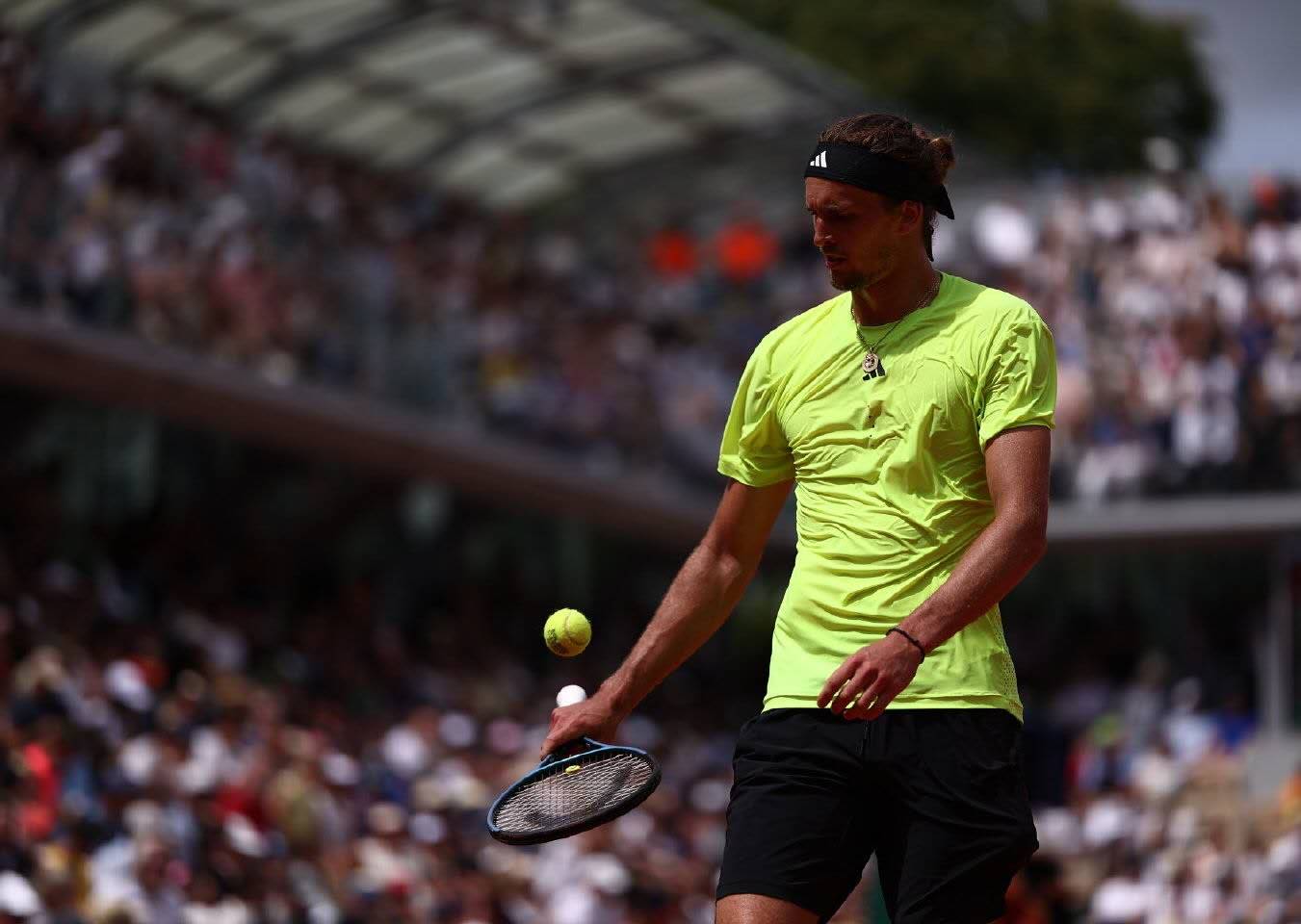
However, Kafelnikov also pointed out the harsh reality: “Alcaraz and Sinner completely dominate the tour.”
Using Medvedev as an example, he remarked, “Unless he makes fundamental changes, he won’t be able to compete for Grand Slam titles anymore.” Kafelnikov believes both players need to adjust their training methods and gameplay, with the key question being “whether they are ready to fully commit.”
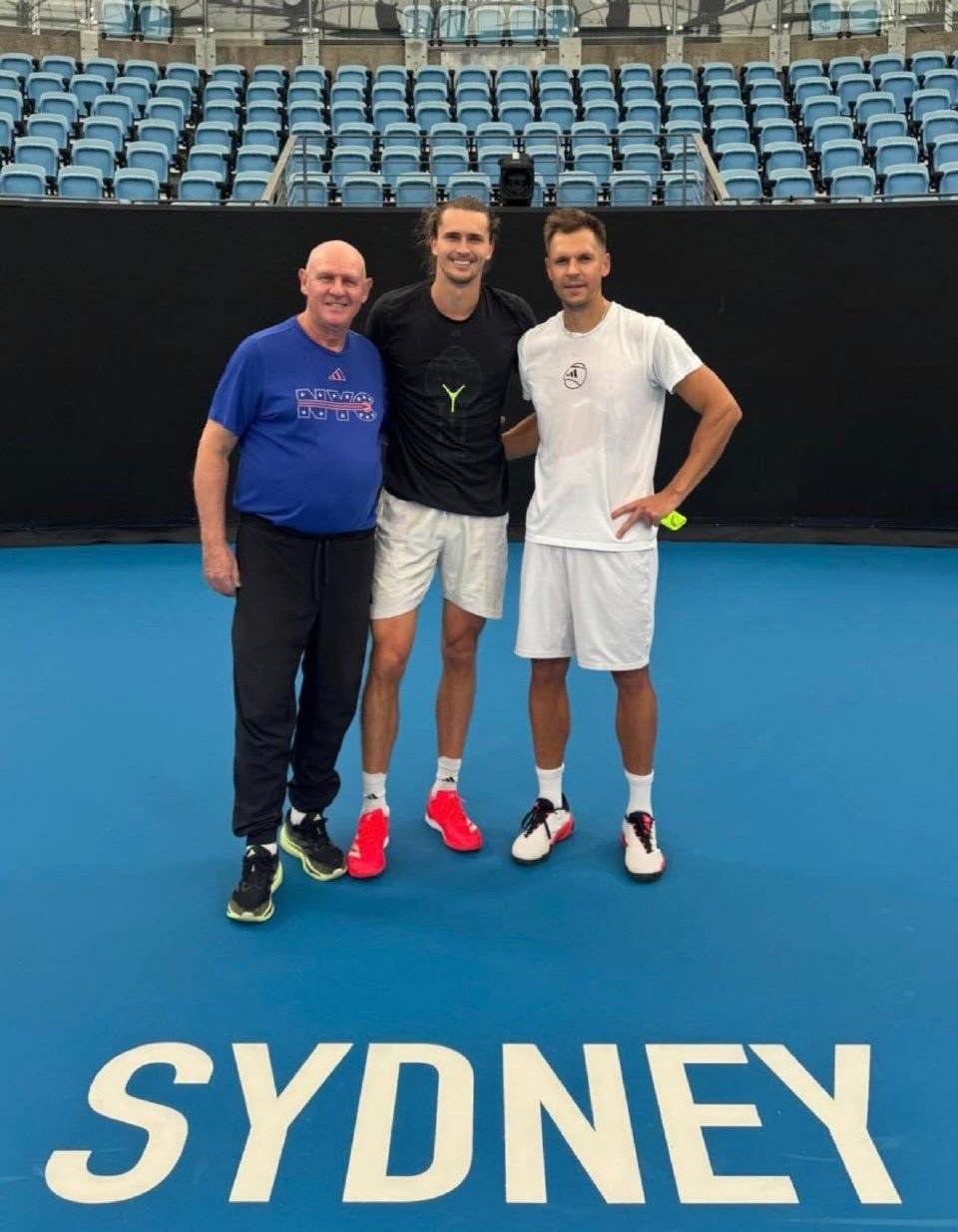
In response, some fans said, “Of course, we can’t deny Zverev’s potential to win a title since many players blossom late at his age. But we must face reality: to win a Grand Slam now, you have to beat Alcaraz and Sinner, and currently, Zverev is far behind these two. Many don’t want to admit it, but this is the reality you must confront in Grand Slam tournaments.”
On the tennis court, the twilight of veterans, the struggles of the mid-generation, and the rise of new stars weave a complex picture. While Kyrgios speaks out about “representation,” Rublev quietly climbs to world No. 11, just one step away from the top ten.(Source: Tennis Home, Author: Lu Xiaotian)

 Links
Links
 Contact
Address:UNIT 1804 SOUTH BANK TOWER, 55 UPPER GROUND,LONDON ENGLAND SE1 9E
Number:+85259695367
E-mali:[email protected]
 App
App


