



WTA's "Russian Legion" Citizenship Shift: Betrayal of Homeland or a Means to Survive?


With the Russia-Ukraine conflict now in its fourth year and ongoing sanctions from the global sports community, a wave of Russian tennis players is departing. Early in the 2025 season, the talented young Russian Polina Kudermetova changed her affiliation to Uzbekistan, resulting in another potential star lost by the Russian Tennis Federation.
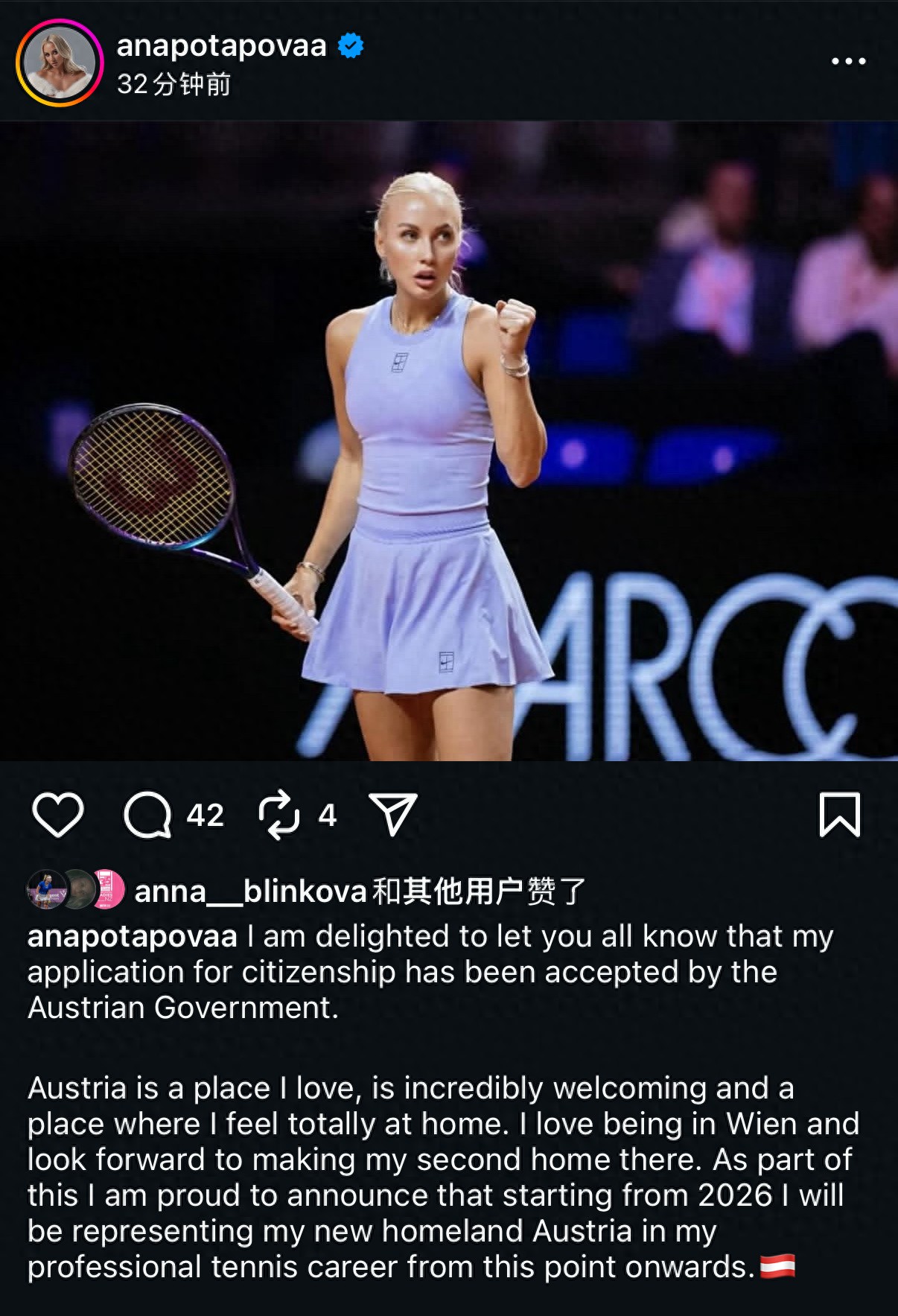
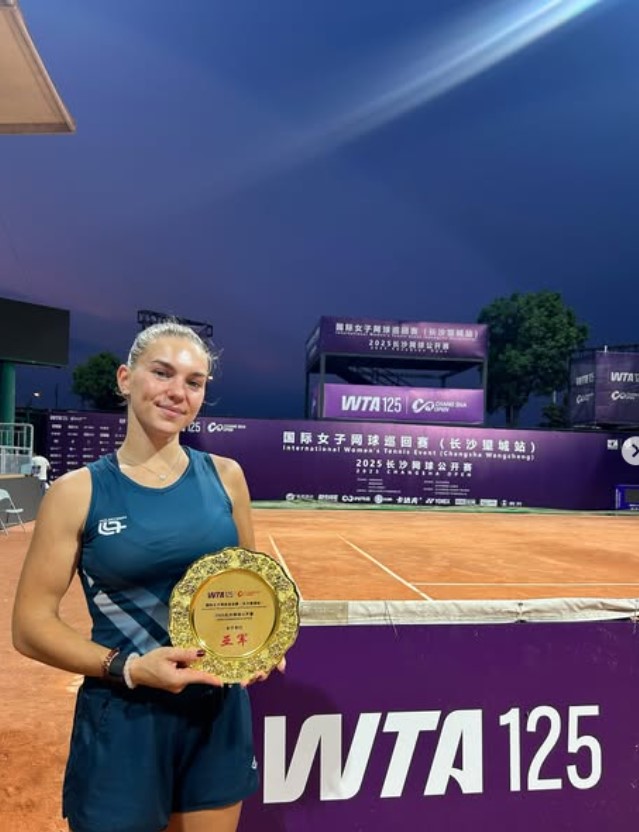
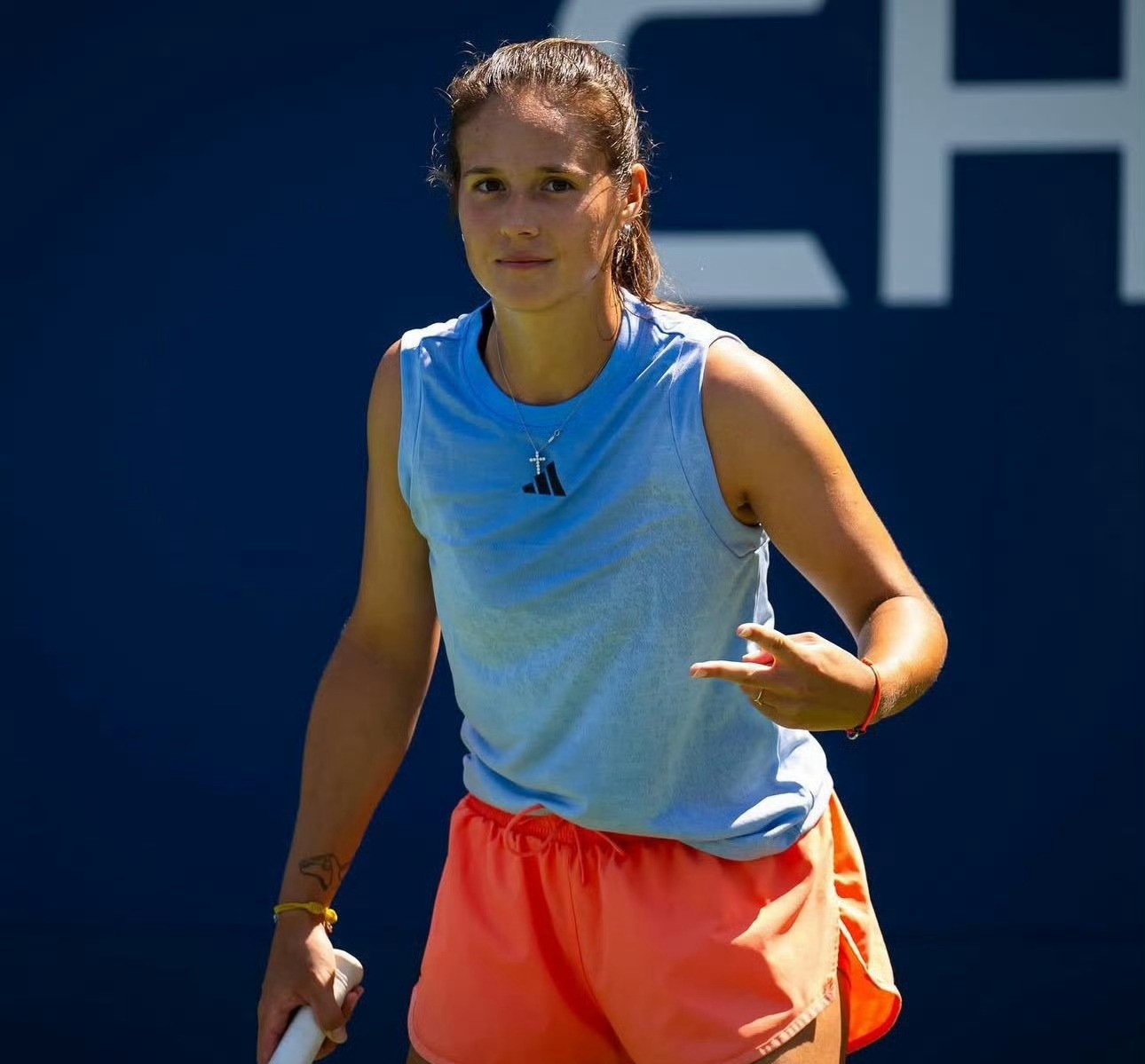
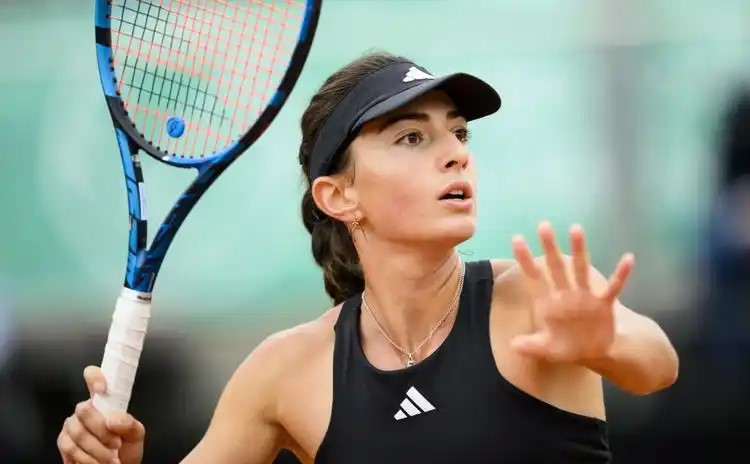
Almost at the same time, two more Russian athletes finalized their nationality transfers. Ranked 112th in the world, Rashimova chose to represent Uzbekistan, as her mother is Uzbek; 22-year-old Timofeyeva also announced in November that she would compete for Uzbekistan, having relocated there with her family six months prior. In March this year, Russian player Kasatkina, once ranked 12th globally, declared she had obtained permanent residency in Australia; meanwhile, 51st-ranked Potapova announced her Austrian citizenship approval and will represent Austria starting in 2026. In a statement, she expressed: “Austria is a country I love, where the people are incredibly warm and welcoming.”
Behind the collective nationality changes of Russian tennis players lies the negative impact of international sports sanctions imposed on Russia following the 2022 Russia-Ukraine conflict. The three major tennis organizations—ATP, WTA, and ITF—jointly announced the suspension of the Russian Tennis Federation’s membership and banned Russian and Belarusian athletes from competing under their national flags. This means Russian players can still participate in most tours but only as “neutral athletes,” without any national flag next to their names, and are barred from international team competitions such as the Davis Cup, Billie Jean King Cup, and United Cup.
For professional athletes, these team events represent not only national pride but also valuable ranking points. Being unable to represent their country is a deep source of frustration for many Russian players. Shamil Tarpishchev, chairman of the Russian Tennis Federation, candidly said, “I can only guess that Potapova hopes to participate in the Olympics.” He further explained, “Athletes cannot change their homeland, only the nationality under which they compete, because everyone wants to keep playing.” The reaction within Russia to this exodus has been divided; some netizens angrily label these players as “traitors,” while Russian Tennis Federation vice president and former world No.1 Kafelnikov openly expressed dissatisfaction with Potapova’s switch: “Should I cry? Is she a great athlete? What has she contributed to Russia in her lifetime?”
In contrast, Tarpishchev maintains a more composed stance. He acknowledges the loss of talent to Russian tennis but tries to downplay the political implications: “This wasn’t entirely unexpected for us, though it is somewhat surprising.” He specifically pointed out that Potapova did not qualify for the Russian national team based on ranking and “she has consistently complained about visa issues.”

Despite the wave of nationality changes, Russia’s tennis talent pool remains impressive. The 18-year-old rising star Andreyeva, currently ranked ninth worldwide, is Russia’s top female singles player. She won two WTA 1000 titles in 2025 and is considered one of the hottest prospects in women’s tennis. Responding firmly to rumors about Andreyeva possibly changing nationality, Tarpishchev denied them outright: “No, neither she nor Schneider will.” He also revealed the scale of Russia’s tennis talent: “We have 1,070 players competing abroad. They are like soldiers! Our national team maintains 350 players.” These figures indicate that despite talent outflow, Russian tennis still has a vast base. However, whether this trend will influence young players’ choices and reduce tennis’s appeal in Russia remains a long-term question.
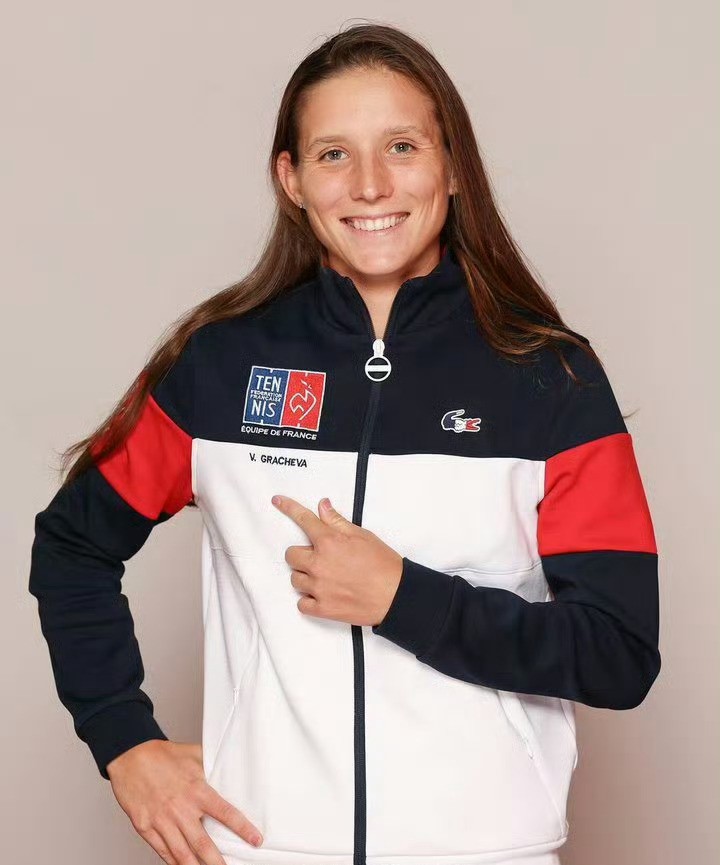
The nationality shifts among Russian players are not only impacting sports within Russia but are reshaping the global tennis landscape. After switching, Potapova instantly became Austria’s highest-ranked female tennis player, with the country’s second-best player, Grabher, ranked 94th. Potapova’s addition will undoubtedly strengthen Austria’s tennis competitiveness. Uzbekistan, by attracting Russian players, is also rapidly improving its tennis level. The arrivals of Rashimova and Timofeyeva have suddenly provided this Central Asian nation with two strong female players. This “talent migration” pattern is not unique to tennis; in an era of globalization, athlete mobility is increasingly common and complex.
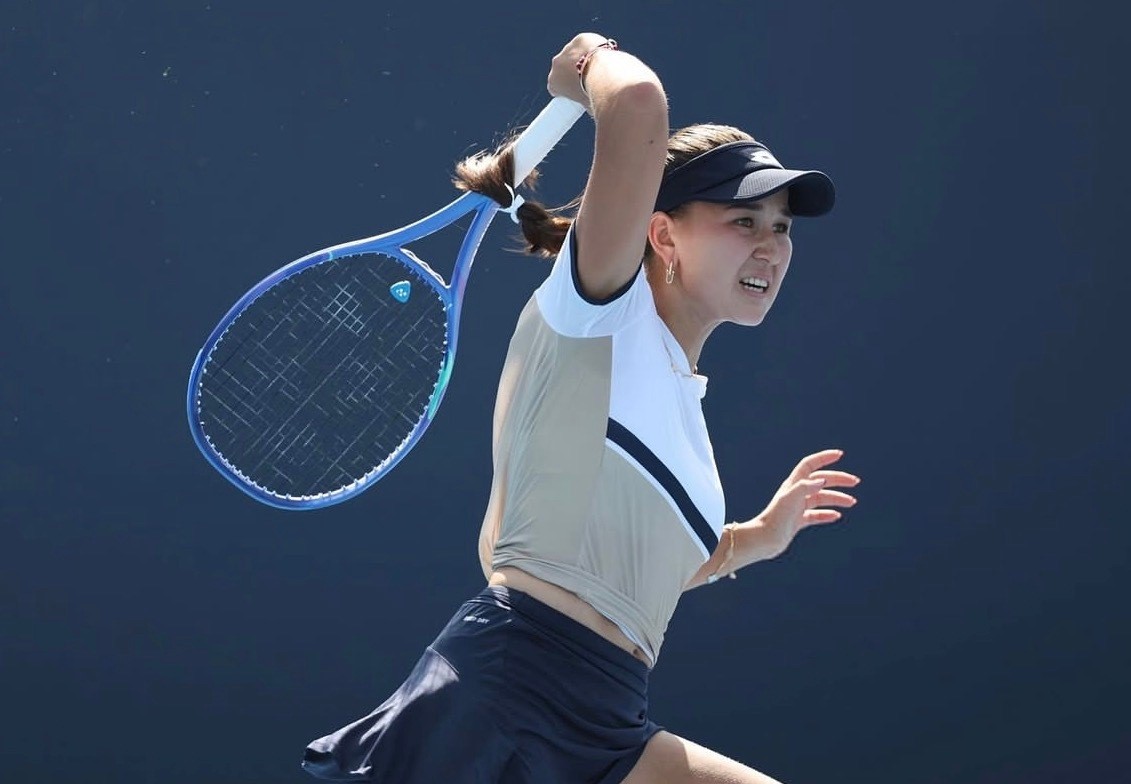
When Potapova posted a nationality change statement on social media nearly identical to Kasatkina’s, Kasatkina responded only with a skull emoji. This small detail seems to hint that for Russian players who have taken this path, switching nationality is both a relief and tinged with a sense of resignation.
With ongoing international sports sanctions and countries intensifying talent recruitment ahead of the Olympics, Russia’s tennis “brain drain” may continue. Perhaps Mira Andreyeva will switch to Mongolia, Schneider to Germany, Alexandrova to the Czech Republic, and Samsonova and Medvedev to Italy in the near future. Yet, Russia’s deep tennis tradition and large talent pool still provide strong regenerative capacity. How to retain talent and enhance its own appeal is a challenge the Russian Tennis Federation must address.(Source: Tennis Home, Author: Xiao Di)

 Links
Links
 Contact
Address:UNIT 1804 SOUTH BANK TOWER, 55 UPPER GROUND,LONDON ENGLAND SE1 9E
Number:+85259695367
E-mali:[email protected]
 App
App


