



Former world No. 1 tennis player makes a comeback, setting surprising goals


This powerful player has won 17 titles on the Tour and reached the world No. 1 ranking in 2017.
Having played only 3 WTA matches since September 2024, Karolina Pliskova is going through a rare period of interruption—almost the complete opposite of the consistent image that has defined the Czech player's career for over a decade. The cause stems from a severe left ankle injury she suffered at last year’s US Open during a match against Jasmine Paolini, which required surgery and forced her to end the season early.
Things became even more complicated when Pliskova had to undergo a second surgery in May, casting uncertainty over her professional future. In her initial comeback attempt last fall, the former world No. 1 admitted she was too hasty. Participating in smaller tournaments in Portugal and Turkey did not yield positive results, as both her body and mind were not yet ready. "Everything hurts—from my legs and back to my arms. I wondered if continuing was even worthwhile.", Pliskova shared with the Czech media.
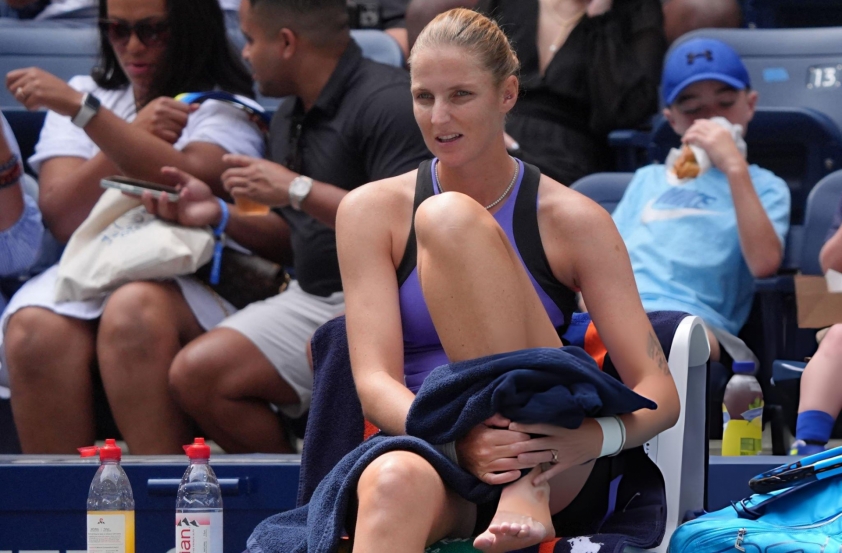
That moment of doubt led her to change her approach. Instead of pushing herself to return too soon, Pliskova decided to pause, restructure her training regimen, and allow herself proper recovery time. "I gave myself space and started training differently.", she explained. This is also why the former world No. 1 felt confident choosing early this year as her comeback point.
The tournament in Australia symbolized a fresh start, although Pliskova lowered her expectations. After missing the entire Australian season last year, she admitted she was motivated but did not want to pressure herself. "I’m not setting high expectations. The main thing is to see how my body responds.", the 33-year-old player said.
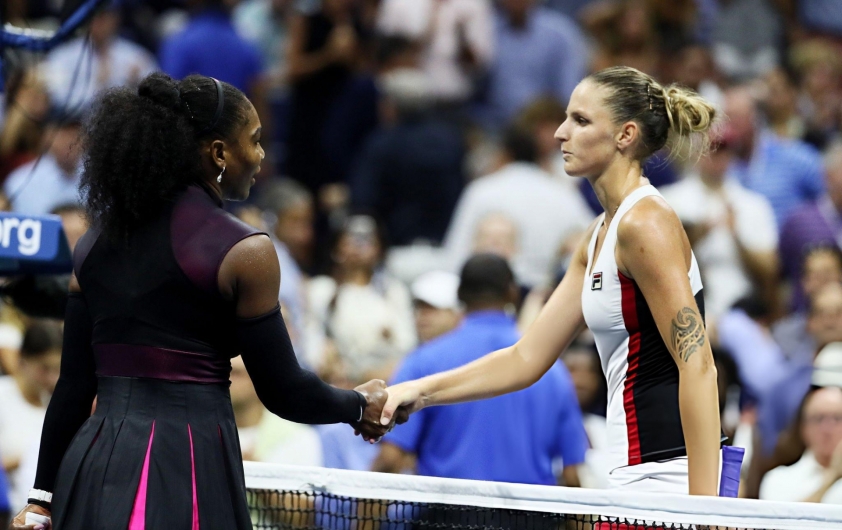
This caution is evident in her preparation process. Last December, Pliskova trained fully without any serious physical issues—a positive sign after many months of recurring injuries. Training sessions with strong opponents like Ekaterina Alexandrova and Katerina Siniakova encouraged her, although she understands that practice does not guarantee success in actual competition.
No longer at her peak, Pliskova’s objectives have now become much simpler. "Playing without pain and finishing matches is enough.", she stated. For a player who was once a major star in world tennis, this adjustment is difficult but necessary. For Pliskova now, listening to her body and rediscovering the joy of playing is more important than any title or ranking.

 Links
Links
 Contact
Address:UNIT 1804 SOUTH BANK TOWER, 55 UPPER GROUND,LONDON ENGLAND SE1 9E
Number:+85259695367
E-mali:[email protected]
 App
App


