



Sabalenka suffered a heavy defeat in the gender showdown, with netizens joking that Kokkinakis deliberately controlled the score since men's and women's tennis are essentially different sports.



In the early hours today, the gender battle between Sabalenka and Kyrgios came to an end. Although much was expected from the Belarusian player, she failed to replicate the 1973 miracle when Billie Jean King faced Bobby Riggs, struggling for 70 minutes before Kyrgios won easily with two 6-3 sets.
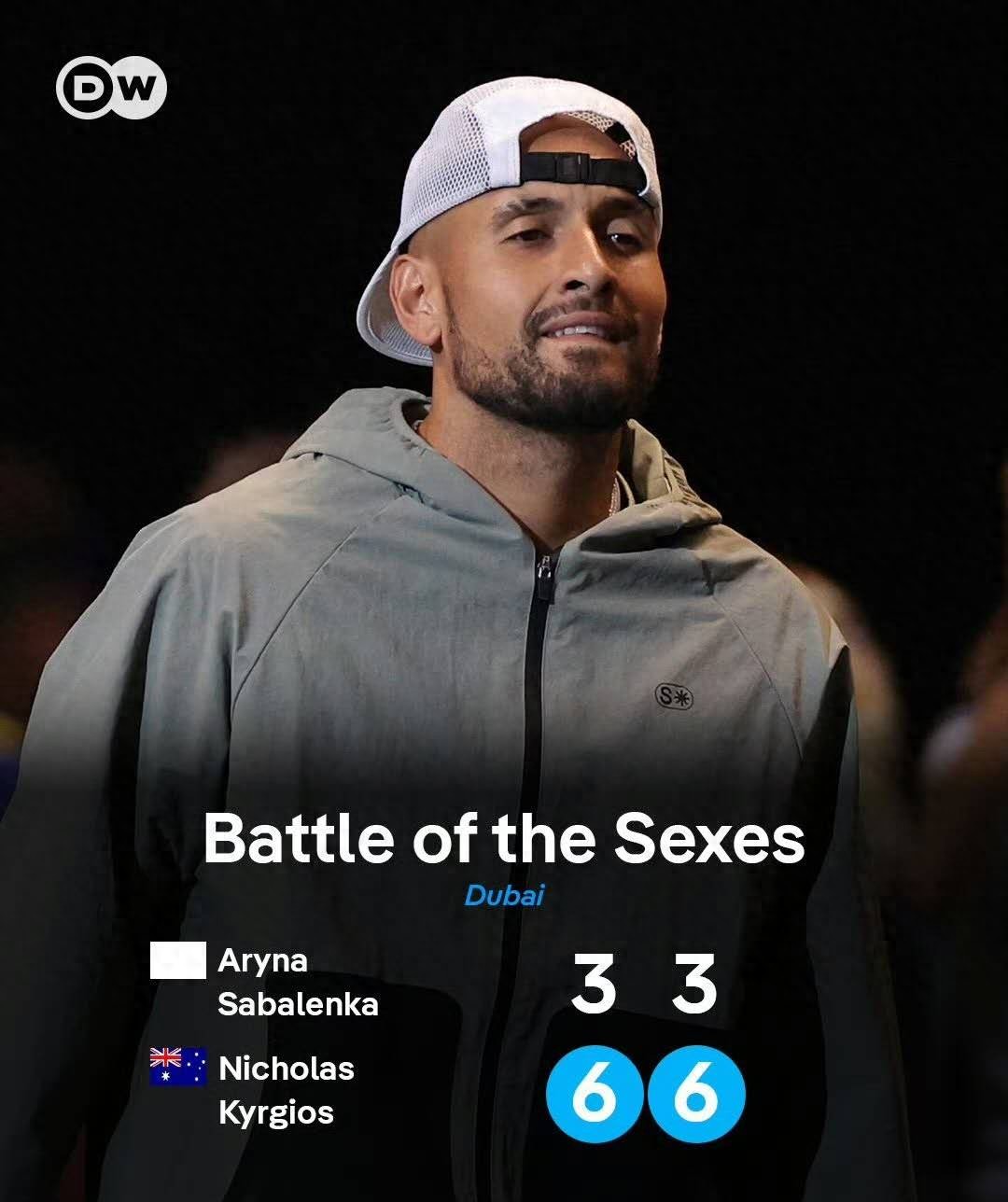
This exhibition match, while inspired by history, featured greatly different rules. Before the match, organizers introduced special regulations to balance the players’ strengths. Unlike the 1973 contest, which was about women’s professional tennis survival, this “gender battle” focused more on entertainment and commercial interests.
The two most notable rule changes were: each player had only one serve per point instead of the usual two; and Sabalenka’s side of the court was reduced by 9% compared to the standard size. These adjustments aimed to limit Kyrgios’s power and speed advantages, making the match more competitive. Additionally, the match was best of three sets, with a 10-point tiebreak deciding the final set if needed.
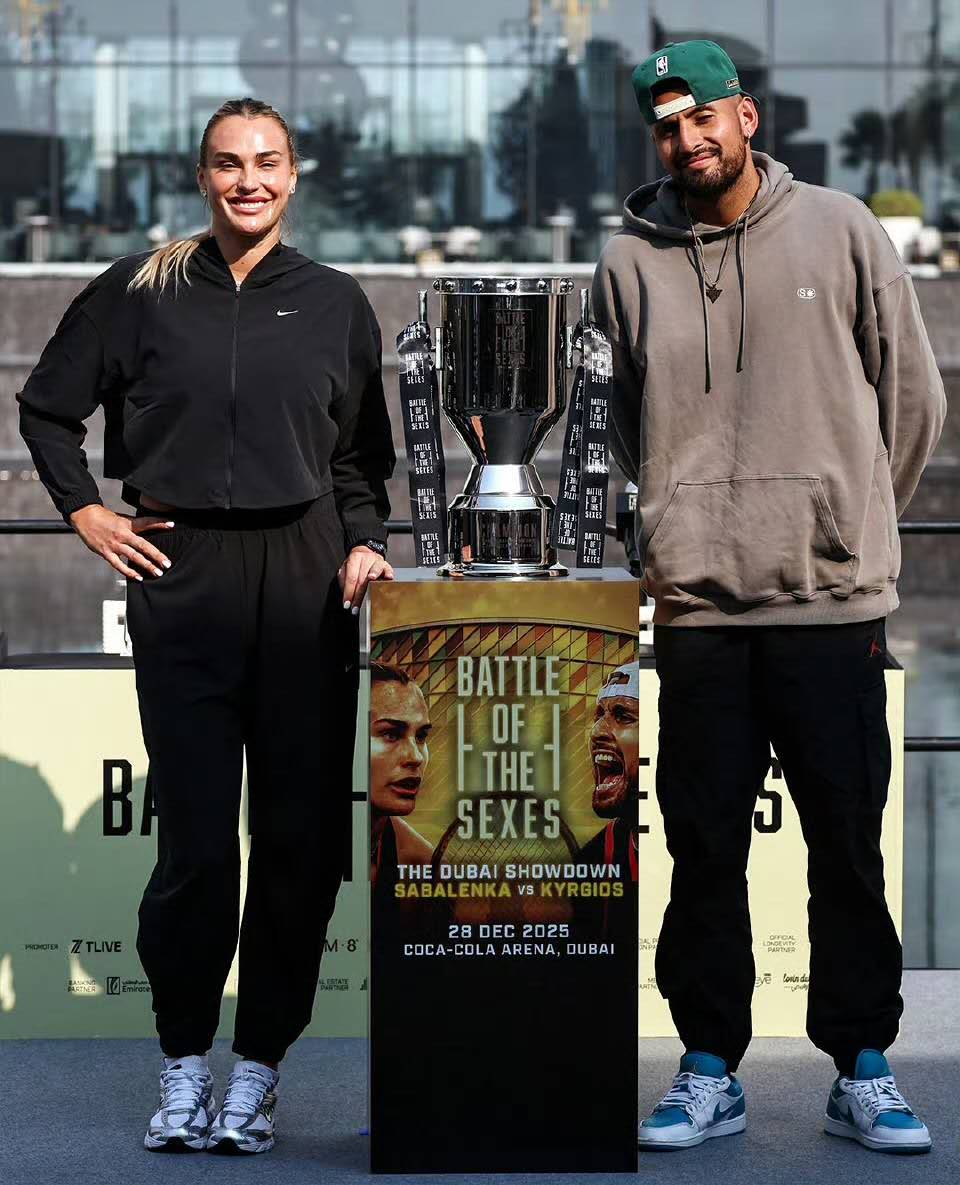
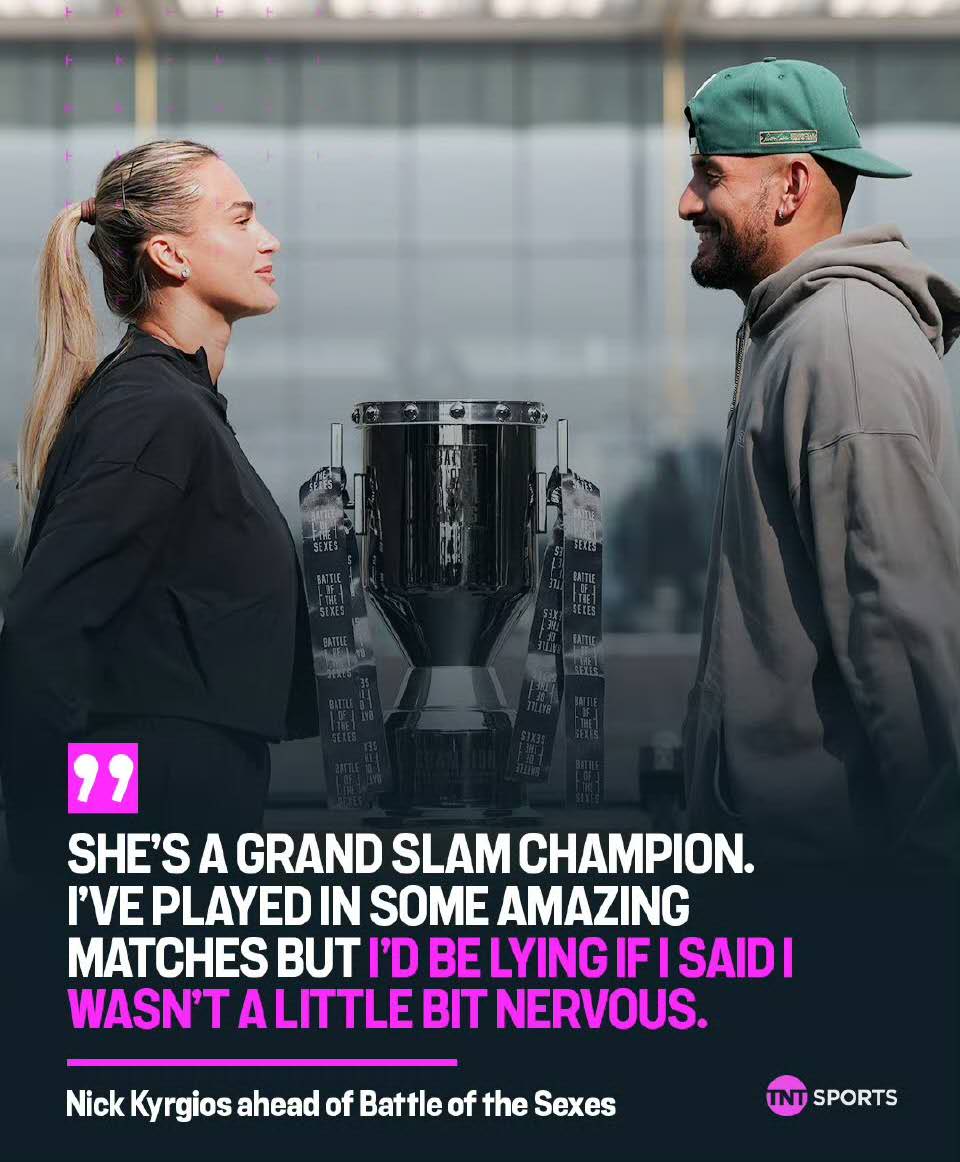
Before the match started, public opinion was already buzzing with various views. Kyrgios admitted feeling pressure, telling BBC Sport: “This match completely removes my advantage. Obviously, her (Sabalenka’s) serve is great, but rallies from the baseline become more balanced.”
He particularly noted that if Sabalenka could find a way to counter his powerful serve, she could pose a real threat. “Men’s matches rely heavily on first serve success and easy holds. Without that edge, it turns into more baseline rallies, which I think slightly favors her.”
Sabalenka showed confidence, even hinting before the match that she might defeat the Australian star. However, bookmakers and most tennis experts generally believed that despite Kyrgios’s recent injury struggles, his male physiological advantage would still determine the outcome.
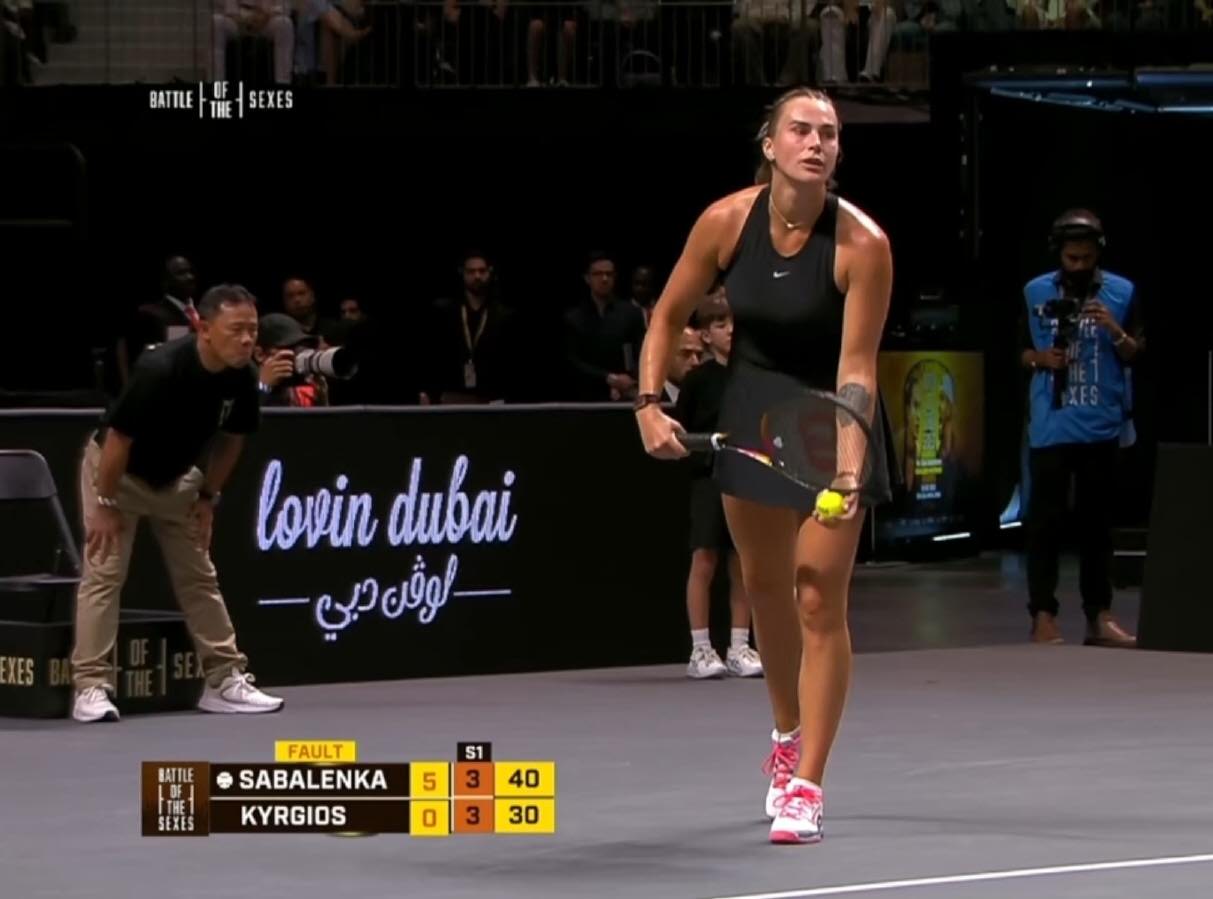
Once the match began, Sabalenka quickly found her rhythm, winning the first game with a fierce angled backhand return. But Kyrgios responded swiftly by breaking her next service game. Feeling the pressure, Sabalenka made several errors on crucial points. Despite the rules limiting Kyrgios’s edge, he still controlled the pace with power and angles.
In the first set, Sabalenka played many impressive shots and frequently came to the net to shorten rallies and avoid baseline battles with Kyrgios. However, she was clearly less effective than her opponent in converting key points.
In the second set, Kyrgios continued to dominate. His drop shot skills were excellent, and his serve remained top-notch, making it difficult for Sabalenka to find any breakthroughs. The biggest gap was in serving: even with the one-serve rule, Kyrgios’s serves were more threatening than Sabalenka’s.
After the match ended, social media discussions quickly heated up. Many viewers felt Kyrgios clearly controlled the score, making the match appear more suspenseful.
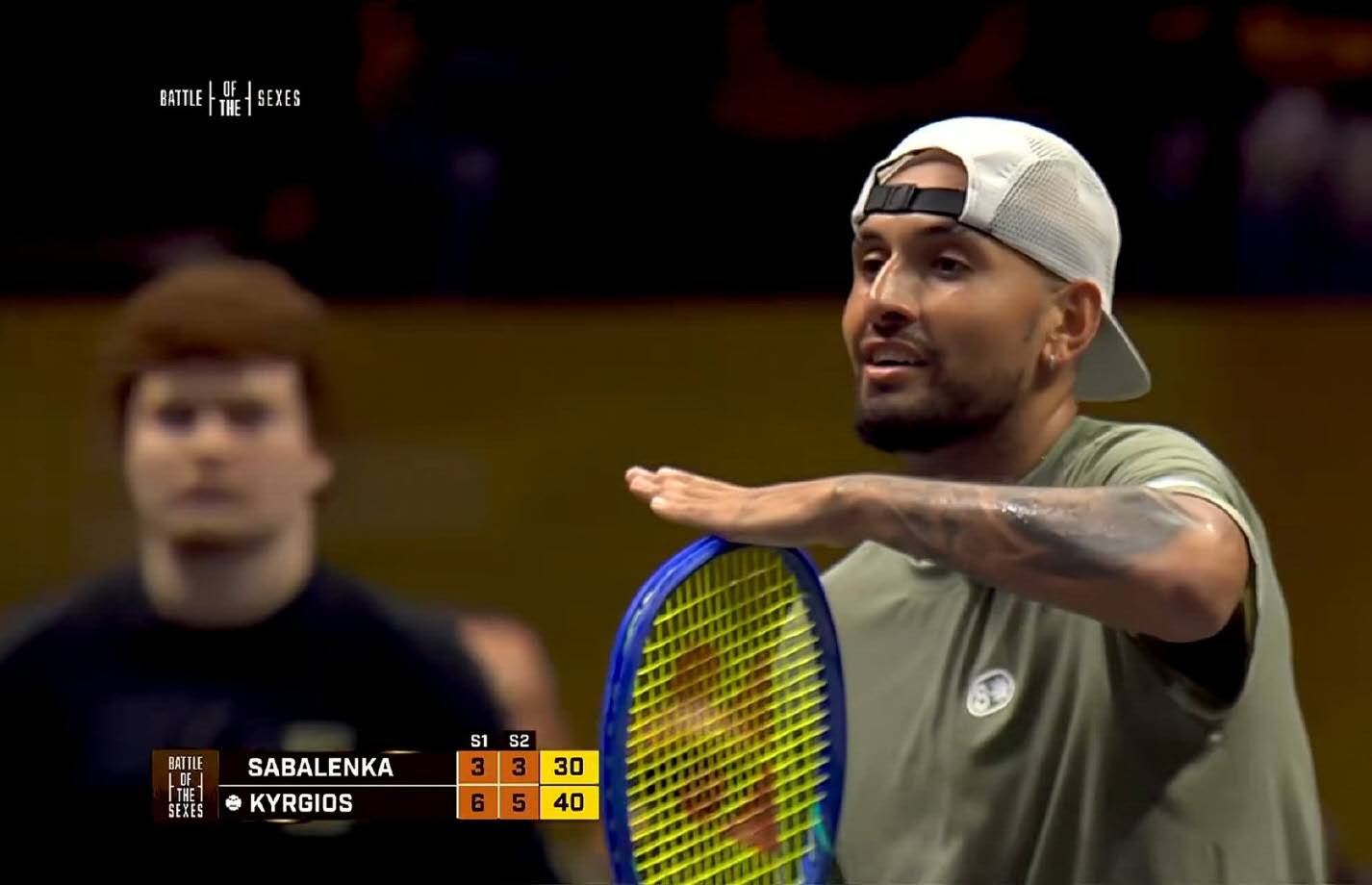
One netizen commented, “It’s obvious Kokkinakis eased off, just a question of how much. Men’s and women’s tennis really are two different sports.” Another agreed: “Pretty much as expected. Kyrgios gave her some face; he could have easily won 6-0, 6-0 but controlled the score to keep it entertaining.”
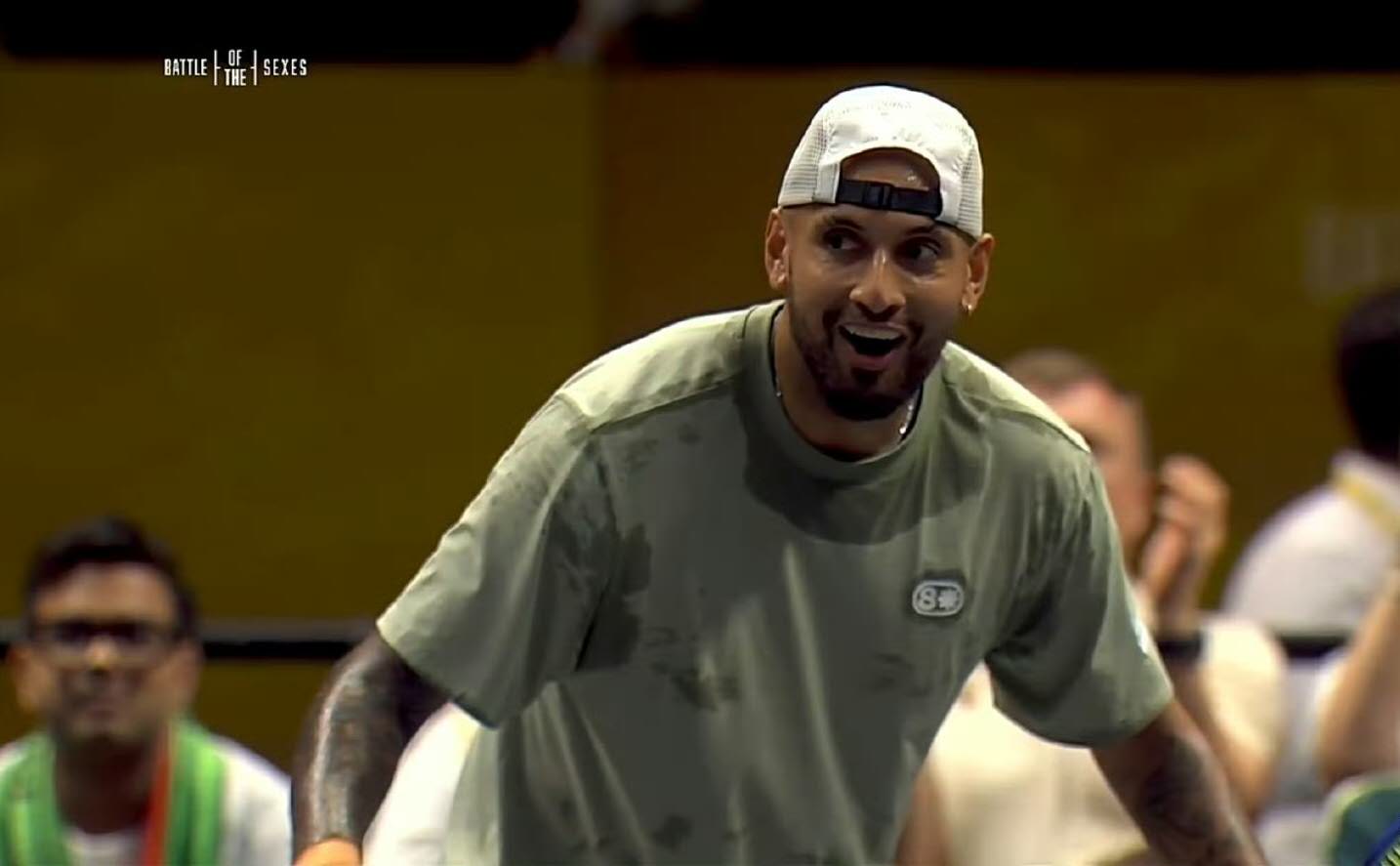
On domestic social platforms, some bluntly stated, “Any male player ranked in the ATP top 300 can easily dominate women.” This reflects many people’s views on the strength gap between men’s and women’s tennis. Overseas, some called the exhibition “pointless” and a “commercial gimmick,” while others appreciated the players’ entertainment spirit, seeing it as a successful cross-discipline showcase.
Authorities’ opinions on the match were also divided. An ESPN commentator noted that the exhibition “represents light entertainment rather than a milestone for gender equality.” He added, “From a commercial perspective, the match attracted a lot of attention, especially among younger audiences. But it must be said, today’s ‘gender battle’ has lost the social significance it once held and has become purely a commercial show.”

Nevertheless, despite ongoing controversy, both participants enjoyed the match. Kyrgios highly praised his opponent in an interview: “It was a very tough match. She’s an extremely tenacious competitor and a great champion with multiple Grand Slam titles.”
He specifically mentioned, “She broke my serve several times. Honestly, I had to give it my all. She kept applying pressure and played some excellent shots. I’d be happy to play her again to showcase her talent and see how much energy I still have. It was a real battle.”
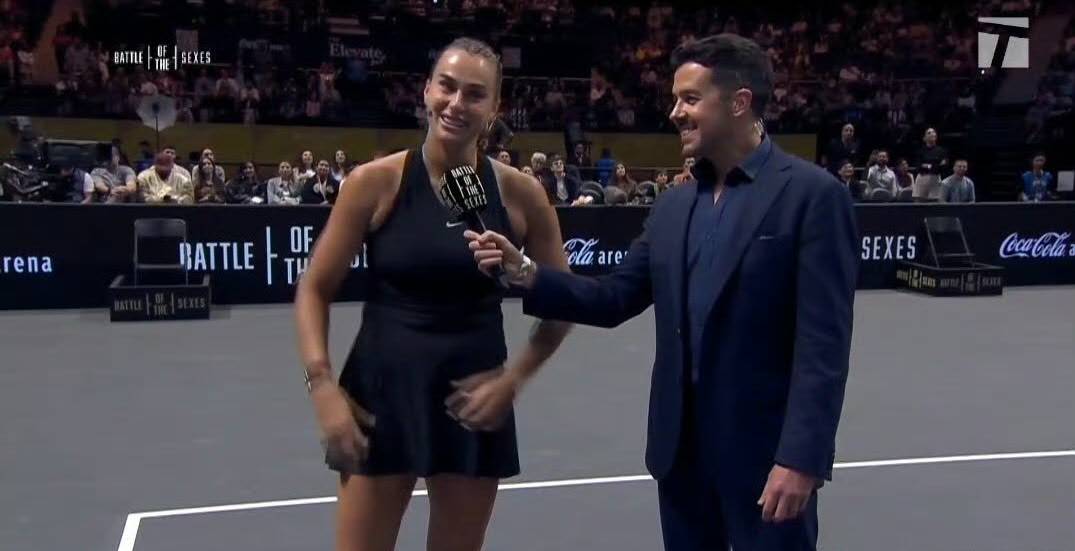
Sabalenka saw the positive side: “I felt good and played quite tough. He struggled and was obviously a bit nervous.” She considered the match “an excellent test of my fitness” and said, “After this game, I’m basically ready for the new season.”
When asked if they would face each other again, both players responded positively. Sabalenka answered without hesitation: “Definitely. I love the feeling of revenge and enjoy challenging myself. I’m very willing to compete with him again.”
Kyrgios also said, “Honestly… I’m not surprised. We trained together a few times, and her level is there. The match could have gone either way, I’m not joking.”

Although both players took a positive attitude toward the result, it must be said this match once again proved that men’s and women’s tennis differ fundamentally in power, speed, and pace. Of course, this does not mean one sport is superior to the other. As many netizens said, “Men’s and women’s tennis each have their own excitement and appeal. There’s no need to escalate this into another level of controversy.”
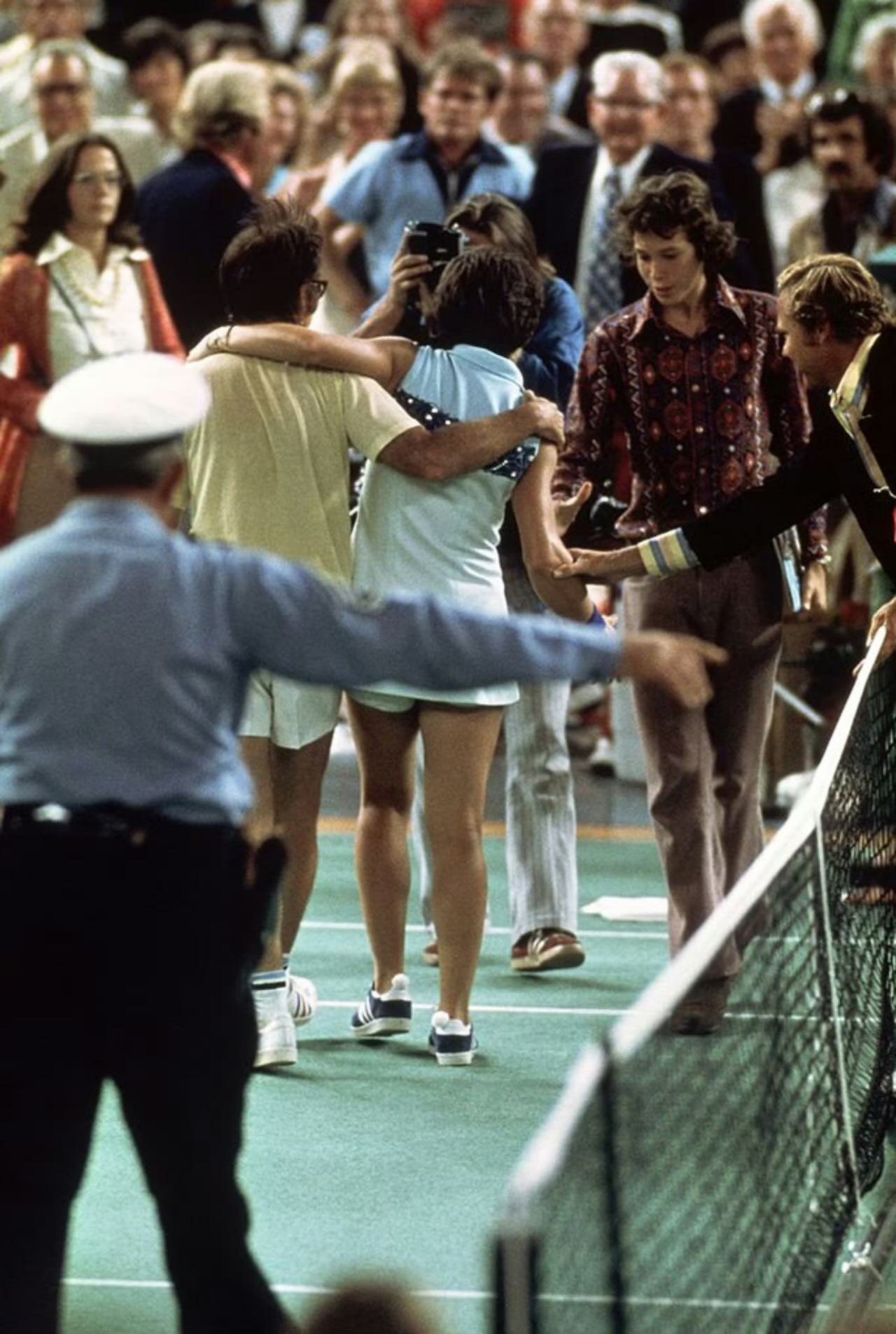
If there is any positive takeaway from this exhibition, it is that it sparked new discussions and drew more attention to tennis. In an era dominated by entertainment, such crossover matches may attract more young people to follow tennis and encourage more to join the sport, which in itself is another form of success.
Regardless of how audiences view this “gender battle,” it is undeniable that Sabalenka and Kyrgios delivered an entertaining show. After the match, the two embraced at the net with smiles, showing that at that moment, the score no longer mattered.(Source: Tennis Home, Author: Lu Xiaotian)

 Links
Links
 Contact
Address:UNIT 1804 SOUTH BANK TOWER, 55 UPPER GROUND,LONDON ENGLAND SE1 9E
Number:+85259695367
E-mali:[email protected]
 App
App


