



Djokovic: After beating Federer and Nadal, they became distant; Nadal is my age, which makes it easier to understand.


In a recent interview, Djokovic openly discussed for the first time the complex changes in his relationships with Federer and Nadal, frankly stating that when he began defeating these tennis legends, they grew cold and distant toward him. This interview quickly sparked widespread discussion in the global tennis world, exposing the unseen emotional side behind the famous trio.
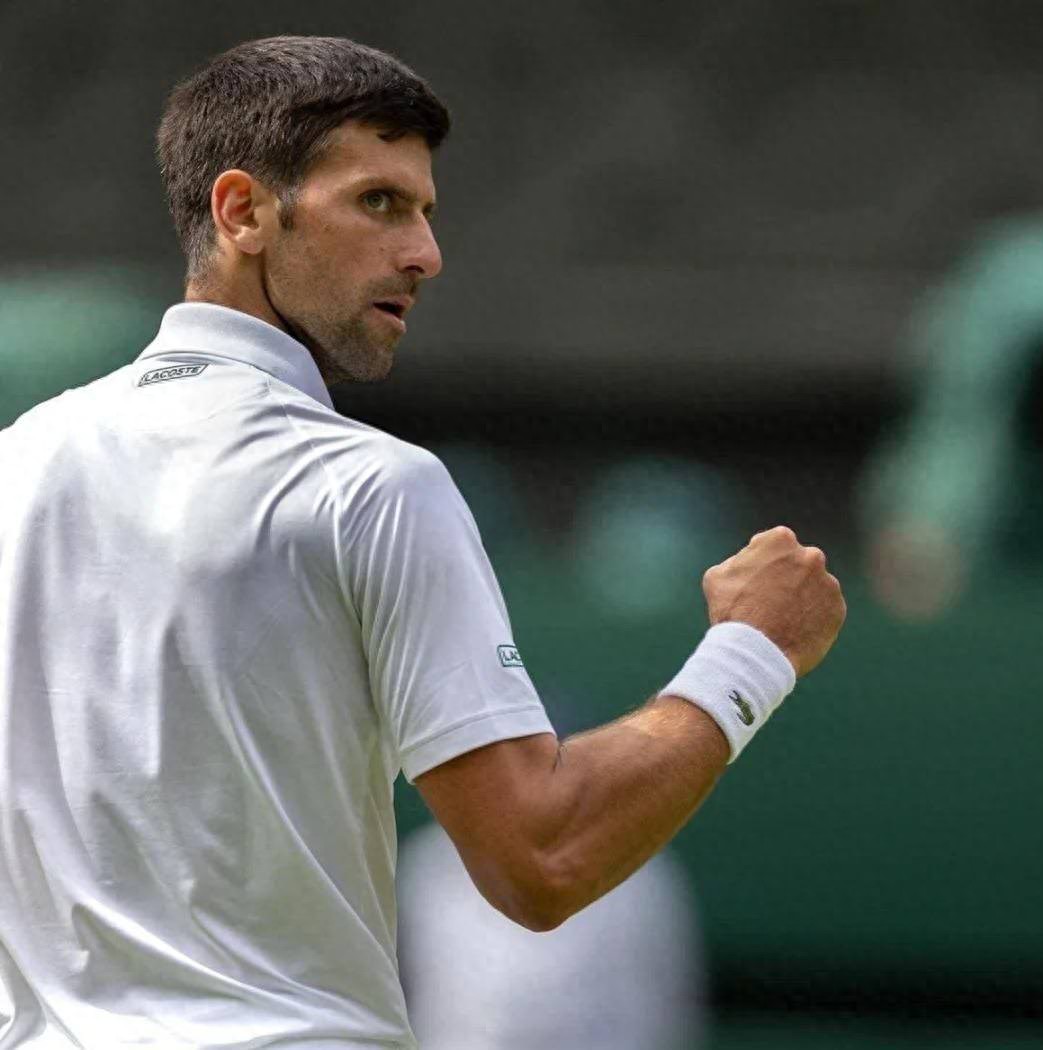
During the interview, Djokovic said with a calm yet candid tone: “My attitude toward them has never changed. The change happened because their attitude toward me shifted. I’ve always tried to maintain... but how to put it... well, anyway, I have always admired them.”
However, he particularly emphasized Federer’s change in attitude: “Especially Federer, who is six years older than me. From the moment I sensed his coldness and distance, I told myself: okay, that’s fine.” When discussing Nadal, Djokovic’s tone was somewhat softer: “With Nadal, I always felt more understanding. We are the same age, so maybe that’s why.”

The rivalries between Djokovic, Federer, and Nadal are among the most iconic in modern tennis history. According to official ATP statistics, Djokovic holds a 27-23 record against Federer and 30-29 against Nadal. Early in his career, Djokovic was clearly at a disadvantage facing these two giants. Between 2007 and 2010, his record was 4-9 against Federer and 8-16 against Nadal.
However, the turning point came in 2011, when Djokovic achieved an impressive 4-1 record against Federer and 6-0 against Nadal, and reached world No. 1 for the first time. Since then, Djokovic gradually gained the upper hand in matches against these legends, especially in Grand Slam tournaments. This shift in competitive balance seems to align with the timeline of the relationship changes he described.
Tennis commentator Chris McNeil analyzed: “Such changes in relationships among top athletes are common. When a challenger begins to threaten the dominator’s position, the existing power balance is disrupted, naturally affecting their relationships.”

Former world No. 1 and seven-time Grand Slam champion Mats Wilander expressed understanding of Djokovic’s feelings: “When you’ve long been the pursuer and finally catch up and surpass, those who were once on top may indeed change their attitude toward you.”
Sports psychologist Dr. Emma Watson offered a psychological perspective: “Maintaining pure friendship at such a high competitive level is very difficult. Competition inherently creates distance, especially when it involves historical status and great achievements.”
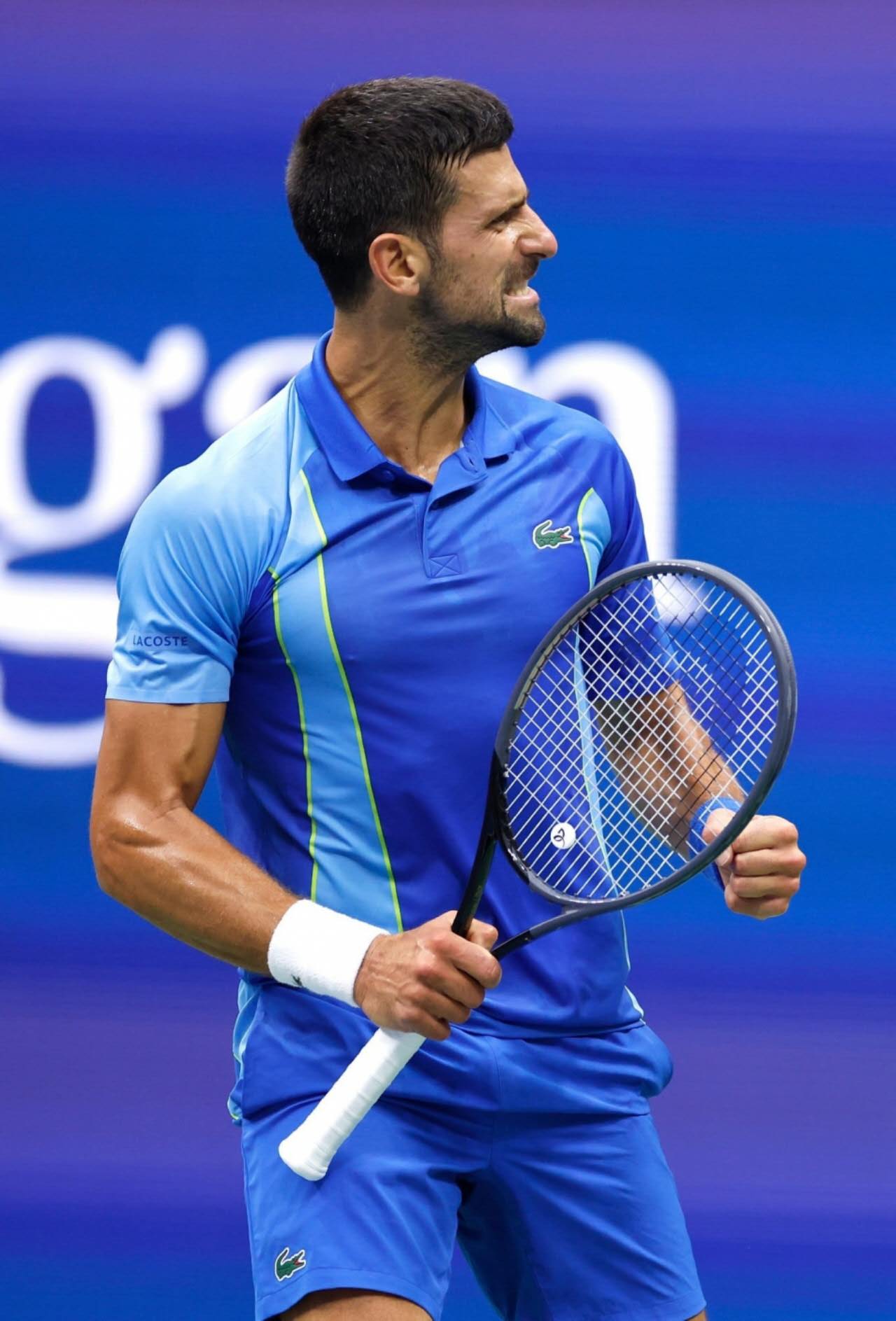
Djokovic’s remarks sparked lively debate among tennis fans worldwide. Supporters of Djokovic expressed understanding: “Finally, someone said it! Federer has always been reserved toward Djokovic, which is obvious. Djokovic broke their monopoly, so naturally they’re unhappy.”
Another netizen wrote: “Djokovic is often portrayed as the ‘bad guy,’ but judging by his words, he has always respected these predecessors. It’s Federer and Nadal who can’t accept being surpassed by a newcomer, which is really disappointing.”
Some fans held a different view: “This is high-level professional sports; it’s normal for competitors to keep a distance. Do you really expect them to be best friends?”
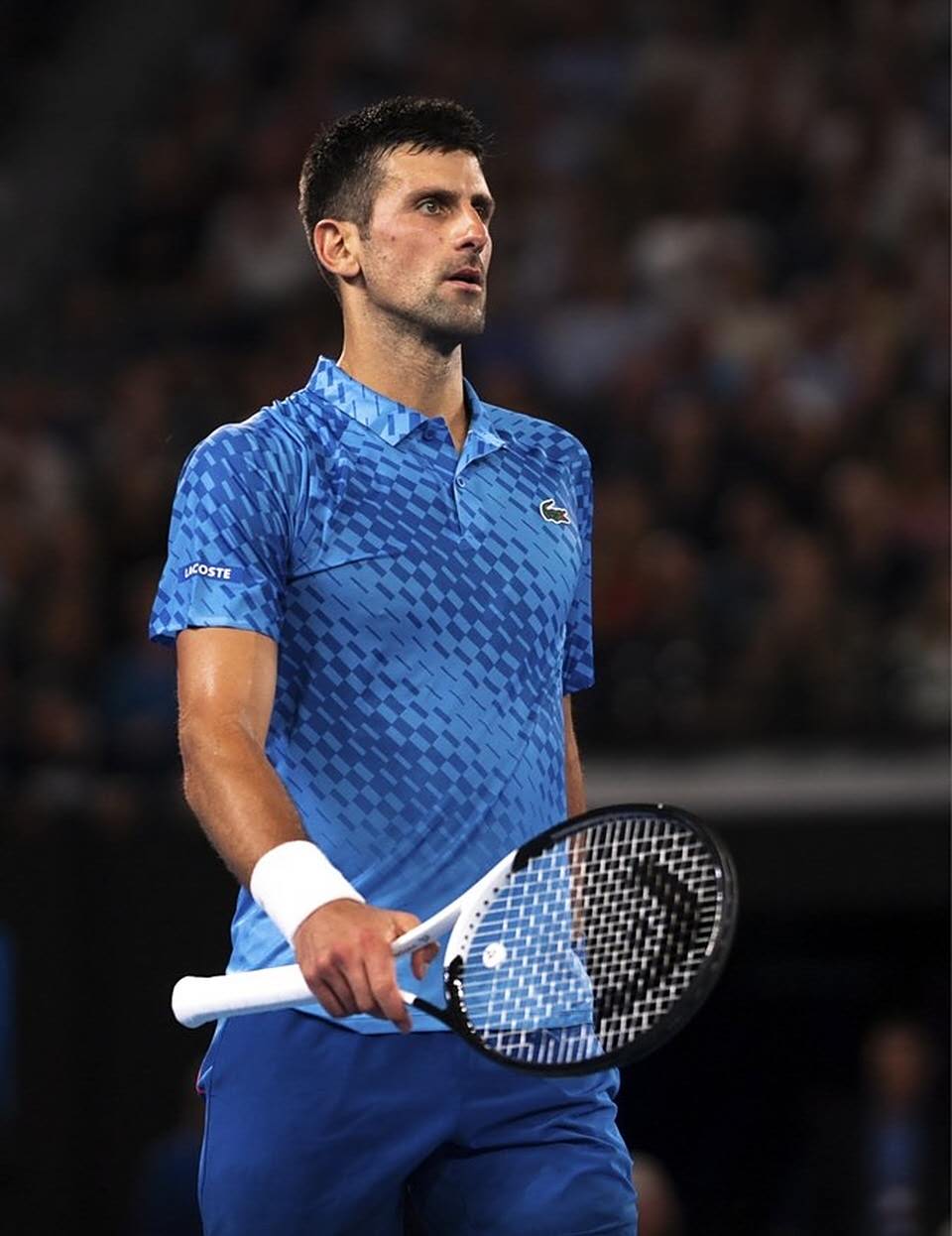
Fans of Federer and Nadal countered: “Federer and Nadal share a deep friendship and mutual respect. Djokovic was never part of this inner circle, and he bears some responsibility himself.”
At the end of the interview, Djokovic said: “When they come closer to me, I open my arms to welcome them.” This statement may hint that the relationships among the three are evolving again over time.
With Federer retired and Nadal’s career nearing its end, Djokovic’s belated confession adds a humanizing footnote to the greatest competitive era in tennis history — even the top athletes cannot completely escape the influence of human emotions. (Source: Tennis Home, Author: Lu Xiaotian)

 Links
Links
 Contact
Address:UNIT 1804 SOUTH BANK TOWER, 55 UPPER GROUND,LONDON ENGLAND SE1 9E
Number:+85259695367
E-mali:[email protected]
 App
App


