



Alcaraz’s breakup turmoil remains unsettled as a British tennis legend issues a warning; Wang Xinyu reduces warm-up matches with a strategic plan behind it



Had Alcaraz been aware that ending his relationship with the veteran coach Ferrero would cause him so much hassle both directly and indirectly, it’s uncertain whether the Spaniard would regret letting it unfold.
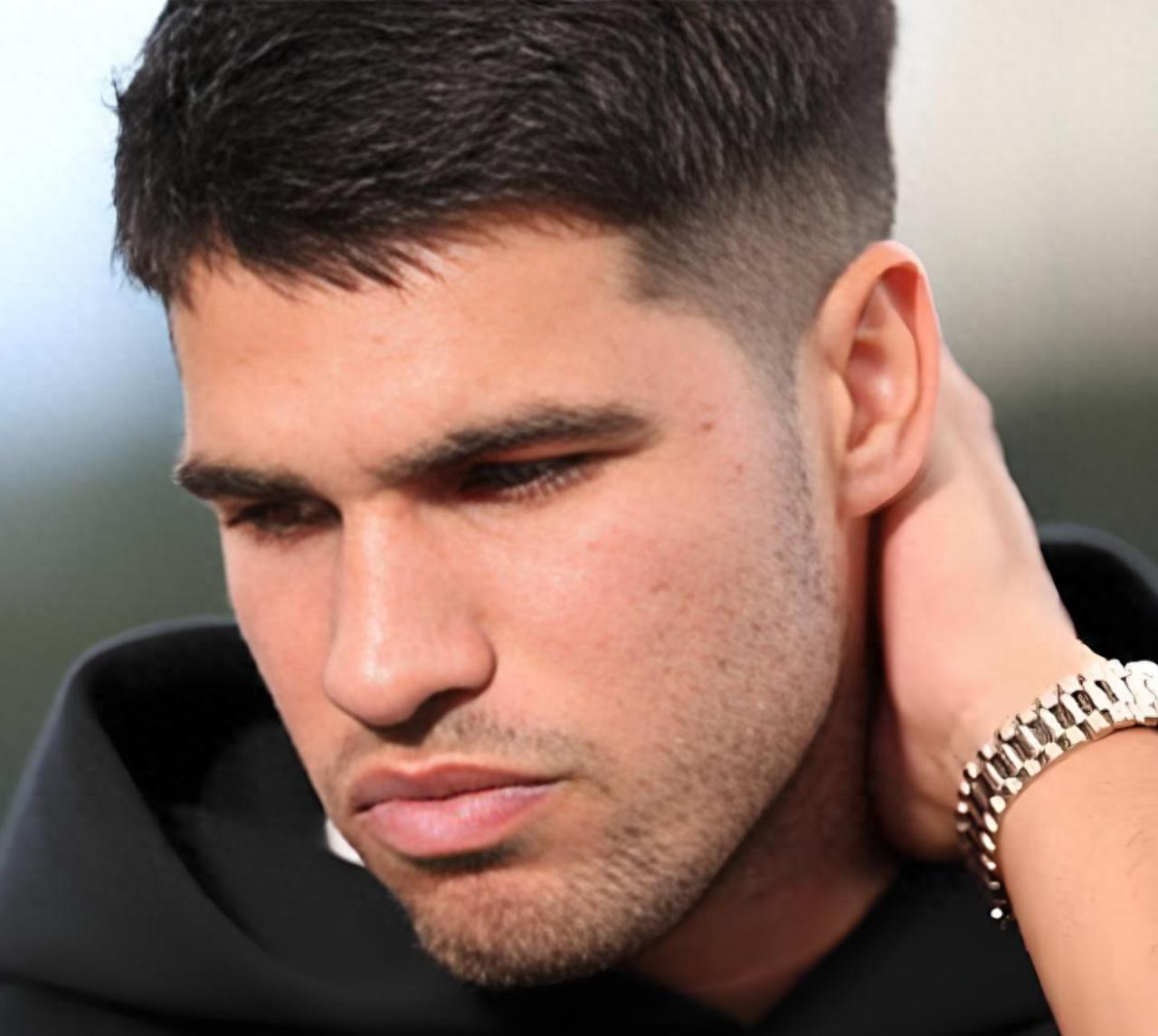
As agents, his early mentor, and the media got involved in this breakup story, repeatedly revealing the conflicts between Alcaraz, his father, and Ferrero, the matter has continued to escalate in public discourse, showing no sign of losing momentum.
Just as this issue was reaching a peak of public frenzy, unexpectedly, Alcaraz received another warning from former world No.1 and British tennis great Rusedski.
Rusedski clarified that his warning to Alcaraz was unrelated to the split with Ferrero but concerned the Spaniard’s tournament scheduling. However, after this came to light, the public naturally linked it as another trouble following Alcaraz’s breakup, intertwining the two issues.
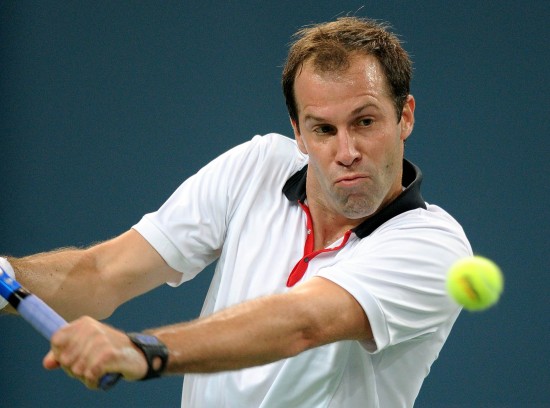
From the perspective of this British tennis legend, Alcaraz’s scheduling not only has problems but is quite serious.
Rusedski emphasized that Alcaraz’s complaints about fatigue and requests for ATP to shorten the schedule are contradictory, considering he continues to play exhibition matches during injury and rest periods, seemingly just to earn money, which is hard to understand.
Many outside observers support the British legend’s view, believing he is telling the truth. For example, after getting injured at the Tokyo 500 tournament, the Spaniard still took part in six exhibition matches instead of withdrawing; after injury at the Turin year-end finals, Alcaraz did not use the break to recover but played two exhibitions in the U.S. consecutively.
“Sinner participated in the Saudi exhibition, a tournament everyone attends, and won again. He had no other plans during the off-season and even skipped the Davis Cup. Alcaraz, on the other hand, was injured in Tokyo, hurt again at the ATP Finals, missed the Davis Cup, and now starts the new year with exhibition matches. He’s young and recovers fast, but I think he should be wiser with his scheduling.” When Rusedski mentioned Sinner, he meant that the Italian’s scheduling is clearly more reasonable than Alcaraz’s, something the Spaniard should learn from.
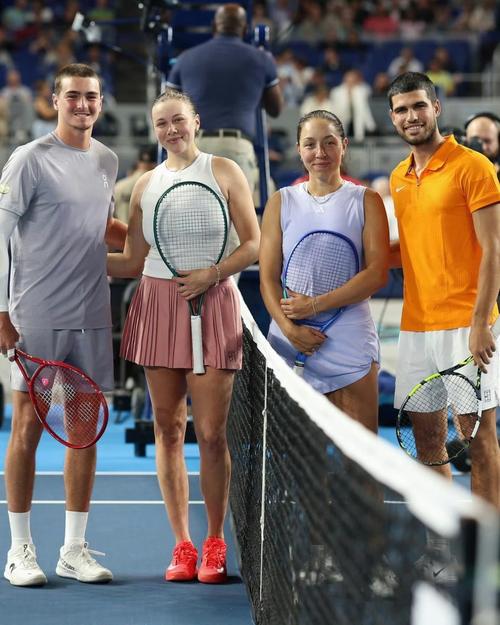
According to Rusedski, Sinner’s participation in six exhibition matches was reasonable, but after the season ended, the Italian excluded himself from further exhibitions, focusing all his energy and attention on preparing for the 2026 season. Anyone can see who has a more beneficial and scientific approach to scheduling for their body and career.
Fans and netizens frankly said Rusedski truly proves why he is a veteran of the tennis world, analyzing issues from a unique angle. Unlike Connors, who bluntly predicted Alcaraz would struggle past the second round of the Australian Open due to too many exhibitions, Rusedski’s subtle warning about unreasonable scheduling affecting physical condition indirectly expresses concern for Alcaraz’s upcoming season. Without careful consideration, one might miss the depth of his sincere advice — “It’s just uncertain whether ‘Duck’ will understand.”
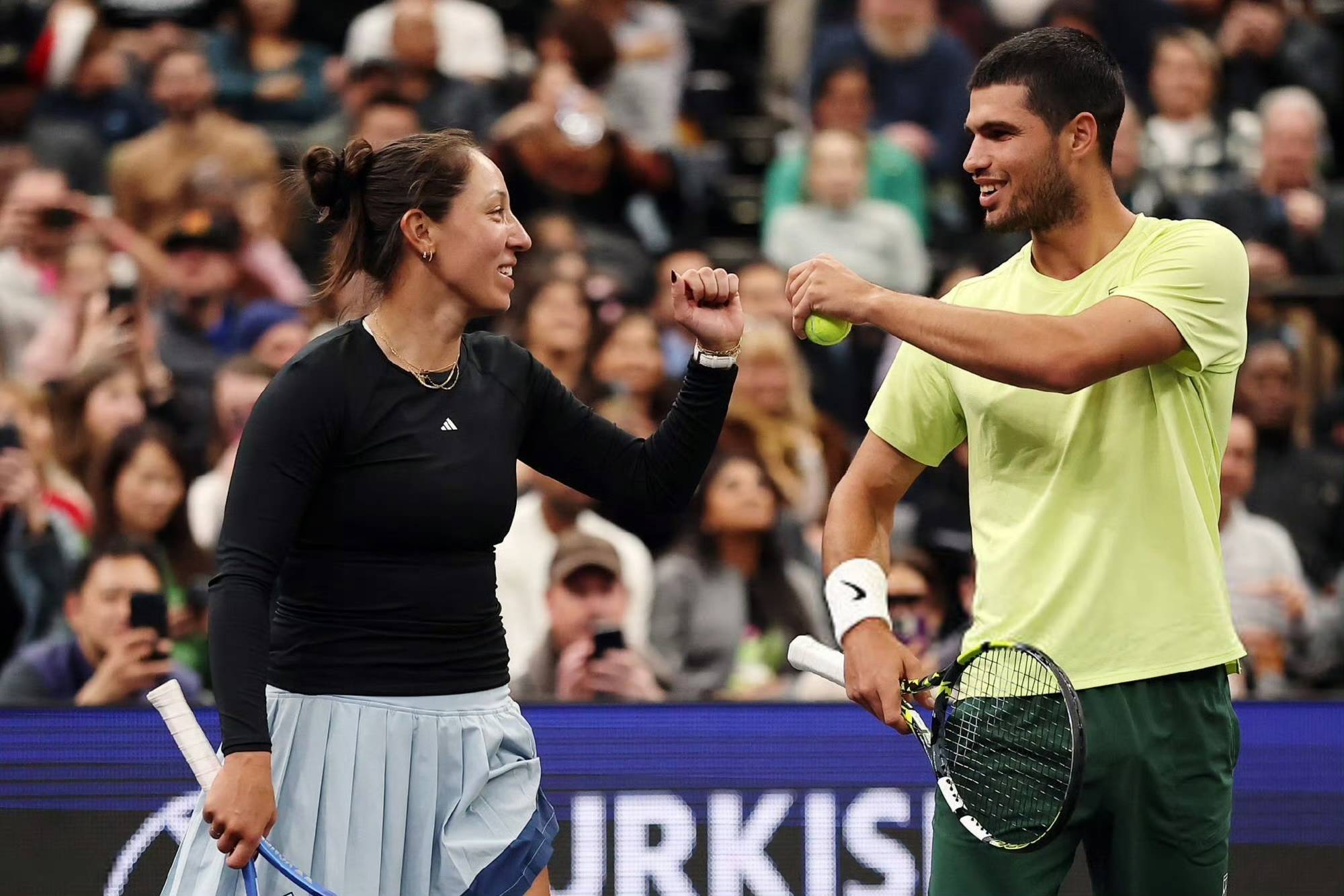
Regarding scheduling, while Alcaraz was warned by veteran Rusedski, China’s No.2 Wang Xinyu’s schedule has received widespread praise.
Wang originally planned to play the Hobart and Auckland 250 tournaments as warm-ups for the 2026 Australian Open, but news now says she has withdrawn from Hobart and will head straight to Melbourne after Auckland.
Many initially thought Wang’s decision unwise since insufficient warm-up might make it harder to perform well at the Australian Open, but after explanations from her coaching team, opinions quickly changed.
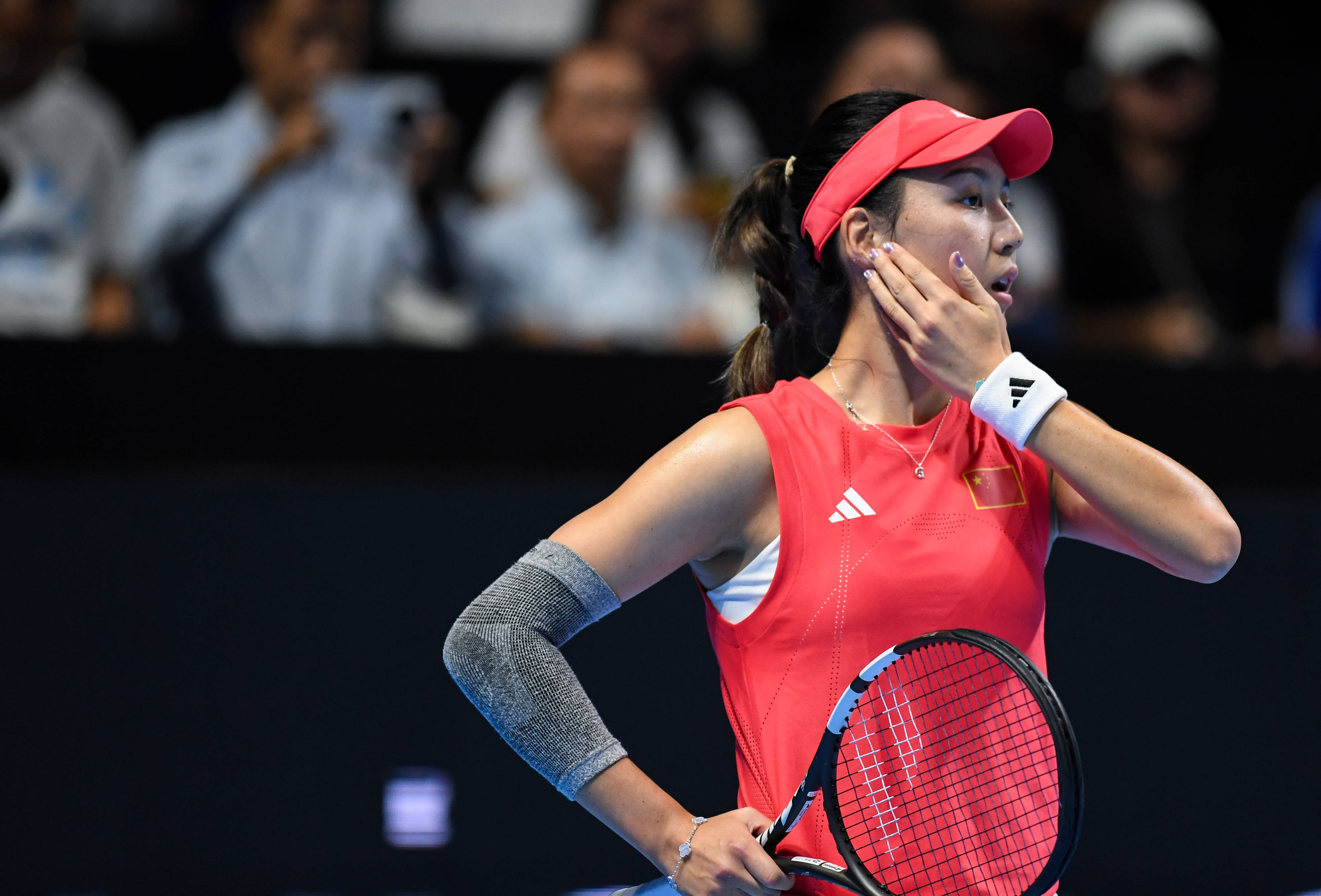
Wang Xinyu’s coaching staff revealed that she is currently focusing on two key areas: serve placement and baseline footwork.
Although cutting one warm-up event might seem disadvantageous, it actually gives Wang more time to improve in these areas.
Moreover, the new courts at Melbourne Park have slowed down by 3%, perfectly suiting her versatile playing style. Clearly, arriving a week early to adapt to the Australian Open conditions offers Wang greater benefits.
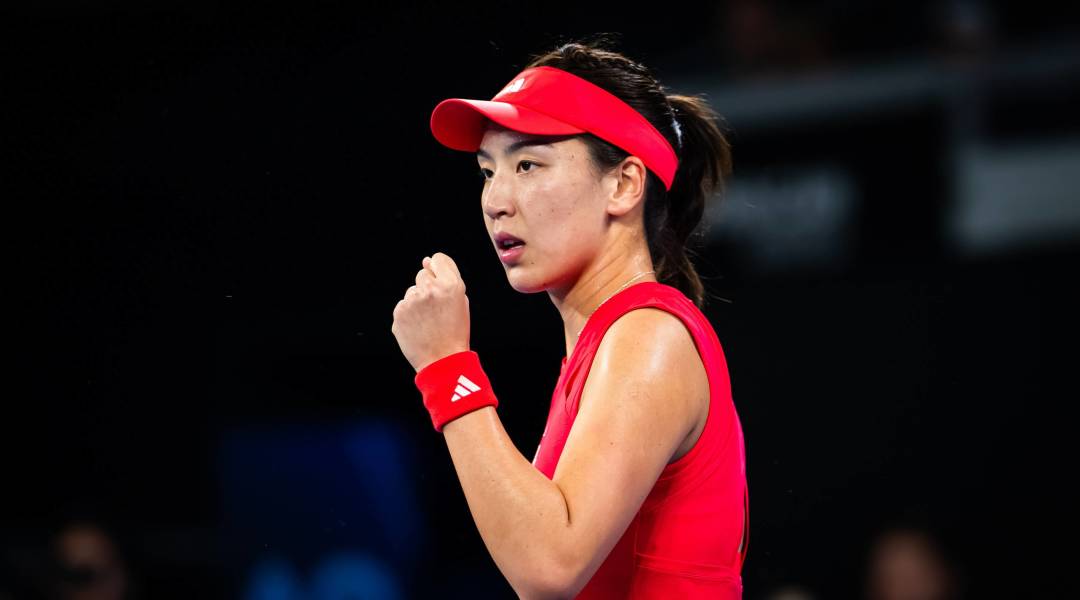
Fans and netizens discussing this noted that when Wang suddenly withdrew from Hobart and went to Melbourne early, many thought she had low expectations for the Australian Open and was giving up proactively. Unexpectedly, there is a deeper strategy behind this quality-over-quantity approach, which is equally commendable.(Source: Tennis Home, Author: Moonlight River’s Starry Sky)

 Links
Links
 Contact
Address:UNIT 1804 SOUTH BANK TOWER, 55 UPPER GROUND,LONDON ENGLAND SE1 9E
Number:+85259695367
E-mali:[email protected]
 App
App


