



Roddick Supports Medvedev’s Return to Top Ten, Federer’s Coach Backs Anisimova to Win a Grand Slam Next Year


Recently, two prominent figures in tennis—Roddick and Federer’s former coach Anacone—made bold predictions about two key players in men’s and women’s tennis, sparking widespread discussion.
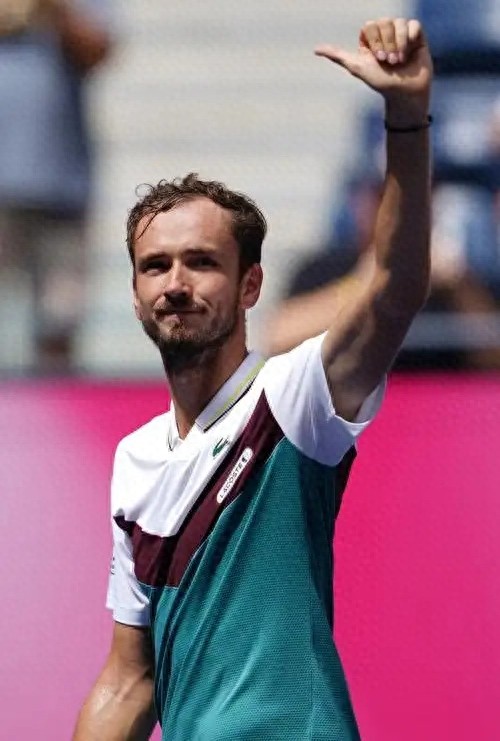
Former world number one Roddick recently stated on a podcast that he is optimistic about Russian star Medvedev reclaiming a spot in the ATP top ten in the upcoming season.
He said, “When you mention that he has only won one match in Grand Slams, I think: he ended up ranked 13th, despite only winning one match in the majors. Being ranked 13th with just one Grand Slam match win might be the biggest gap between ranking and Grand Slam victories. And this isn’t to say he can’t compete in majors; he has won a title and reached the finals three or four other times. I believe Medvedev will be back in the top ten next year, and after hearing your Grand Slam statistics, I’m very confident.”
However, technical limitations might partly explain Medvedev’s weaker Grand Slam performances. Former French star Pioline commented, “Medvedev’s movement and rallying ability on slower surfaces lag behind his hard-court game.”
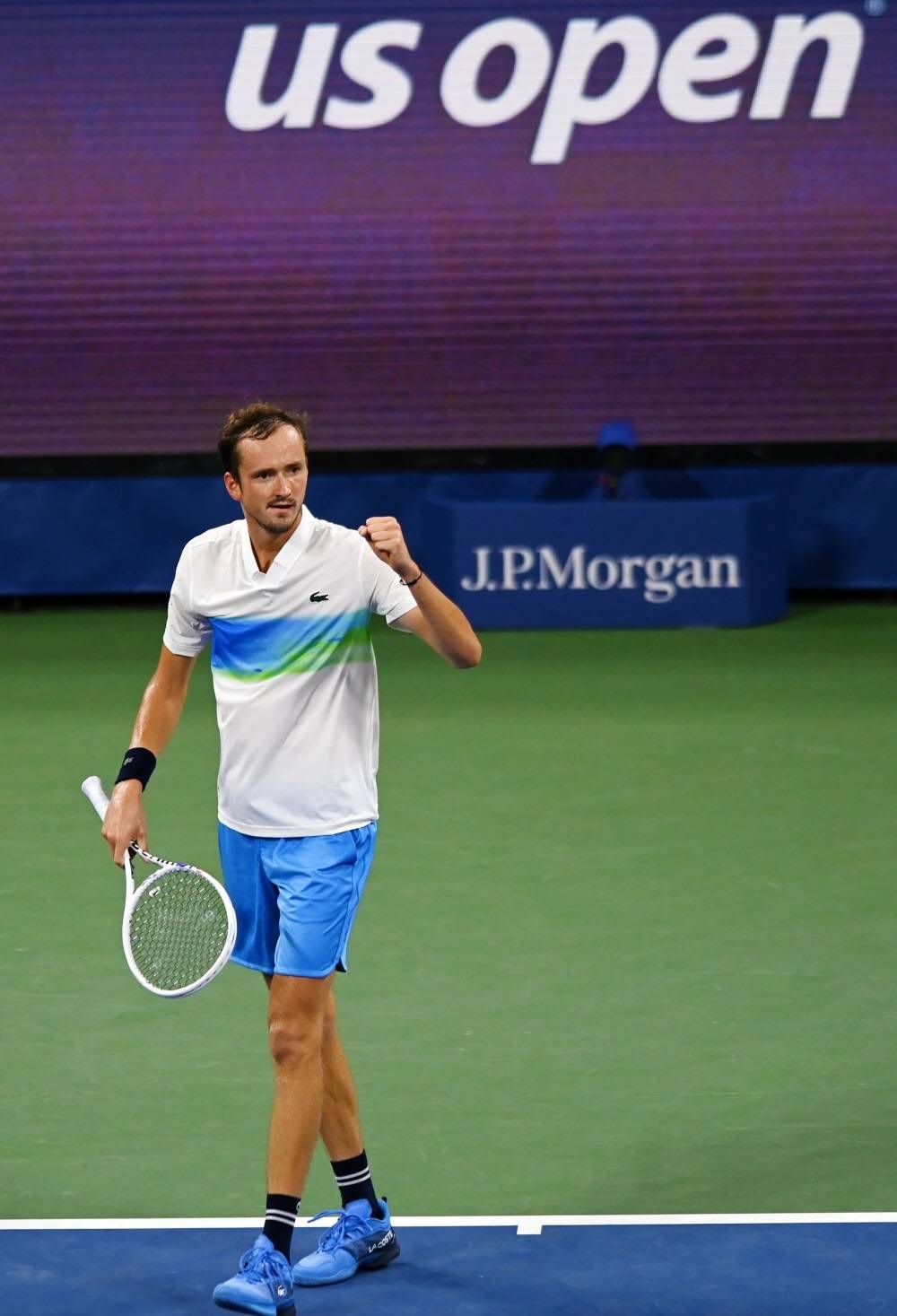
Tennis analyst Craig O’Shanessy pointed out, “Medvedev’s issues are more psychological than technical; what he needs to overcome in Grand Slams is the nerves that often arise at critical moments.”
Public opinion is divided on this. Supporters argue, “Consistently earning points outside the majors shows his professionalism and all-around strength.” Others question, “True top players must prove themselves in Grand Slams; relying on smaller tournaments for points doesn’t earn respect nor inspire confidence.”
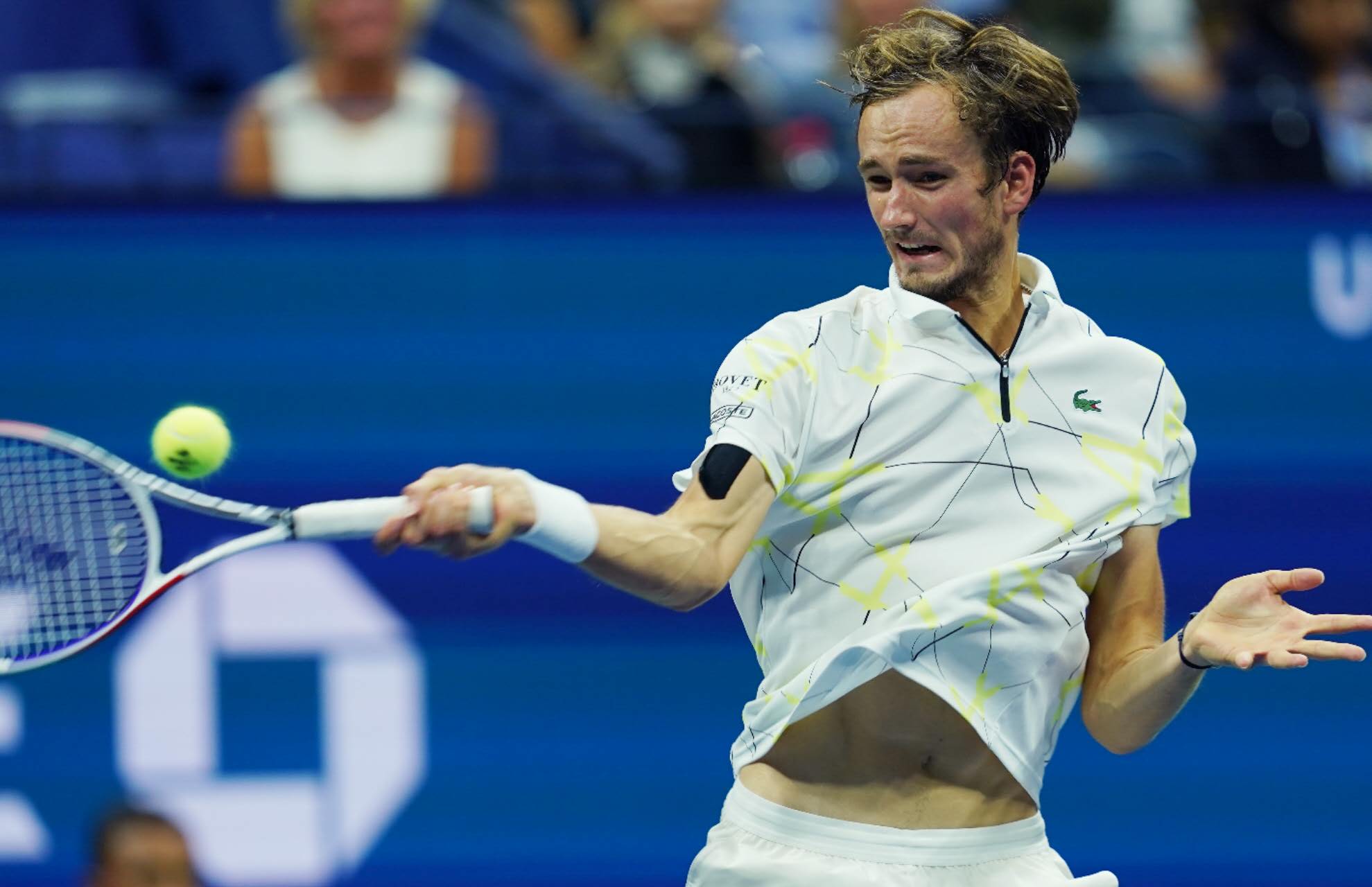
As the only active male Grand Slam champion born after 1995, Medvedev’s technical skills are unquestionable. Breaking the 18-year dominance of the ‘Big Four’ for the world number one spot in 2022 proved his elite ability. Yet the contrast between his Grand Slam struggles and overall ranking may reflect a modern tennis trend: top players now manage their schedules and points more strategically, not relying solely on majors.
However, consistency remains the biggest challenge in returning to the top ten. With increasing competition in men’s tennis, Medvedev must maintain steady results in smaller events while overcoming psychological and technical hurdles at Grand Slams. His capacity for self-adjustment will determine if he can regain his peak. After ending his long-term coaching partnership, a new team might bring fresh tactics and training methods.
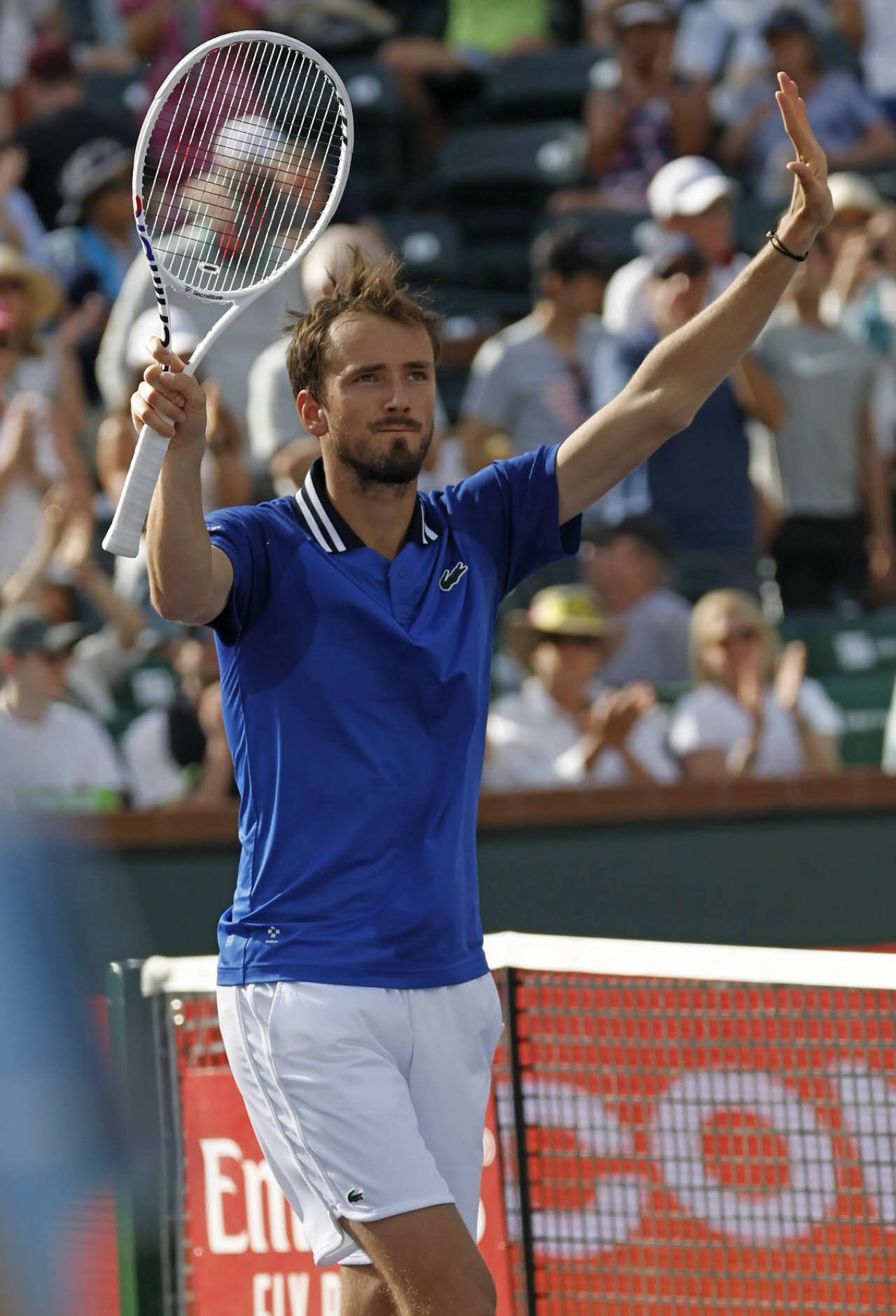
Additionally, Federer’s former renowned coach Anacone boldly predicts that American player Anisimova will win a Grand Slam in 2026. He stated, “She is very close to breaking through a barrier, and to me, she has a great chance to win a Grand Slam title next year.”
Anisimova had an impressive 2025 season. Early in the year, she claimed her first WTA 1000 title in Doha, entering the world top 20 for the first time; later, she was runner-up at Wimbledon and the US Open, and won the China Open singles title, finishing the year ranked in the top five globally.
The coach believes these achievements show her dual maturity in both technique and mindset. Anacone specifically noted, “I really like what I see in Anisimova’s performance.” She not only possesses powerful baseline strokes but, more importantly, has demonstrated mental resilience during matches.
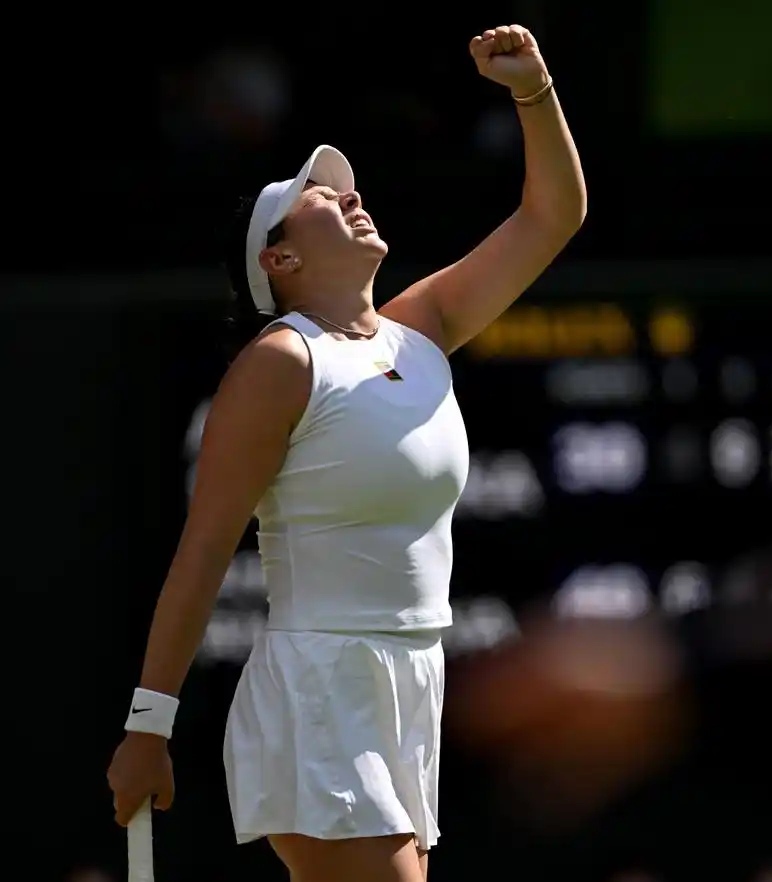
Experiencing Grand Slam finals has undoubtedly given her invaluable experience. Although she lost both finals, competing against the world’s best on the biggest stages is an irreplaceable experience.
“To return to the top after psychological struggles is itself an extraordinary feat,” said renowned sports psychologist Linda Papadopoulos. “Anisimova now plays every point with greater freedom and enjoyment.”
Former Wimbledon champion Bartoli remarked, “Her hitting power is among the best in women’s tennis, and if she diversifies her tactics more, she can challenge any opponent.”
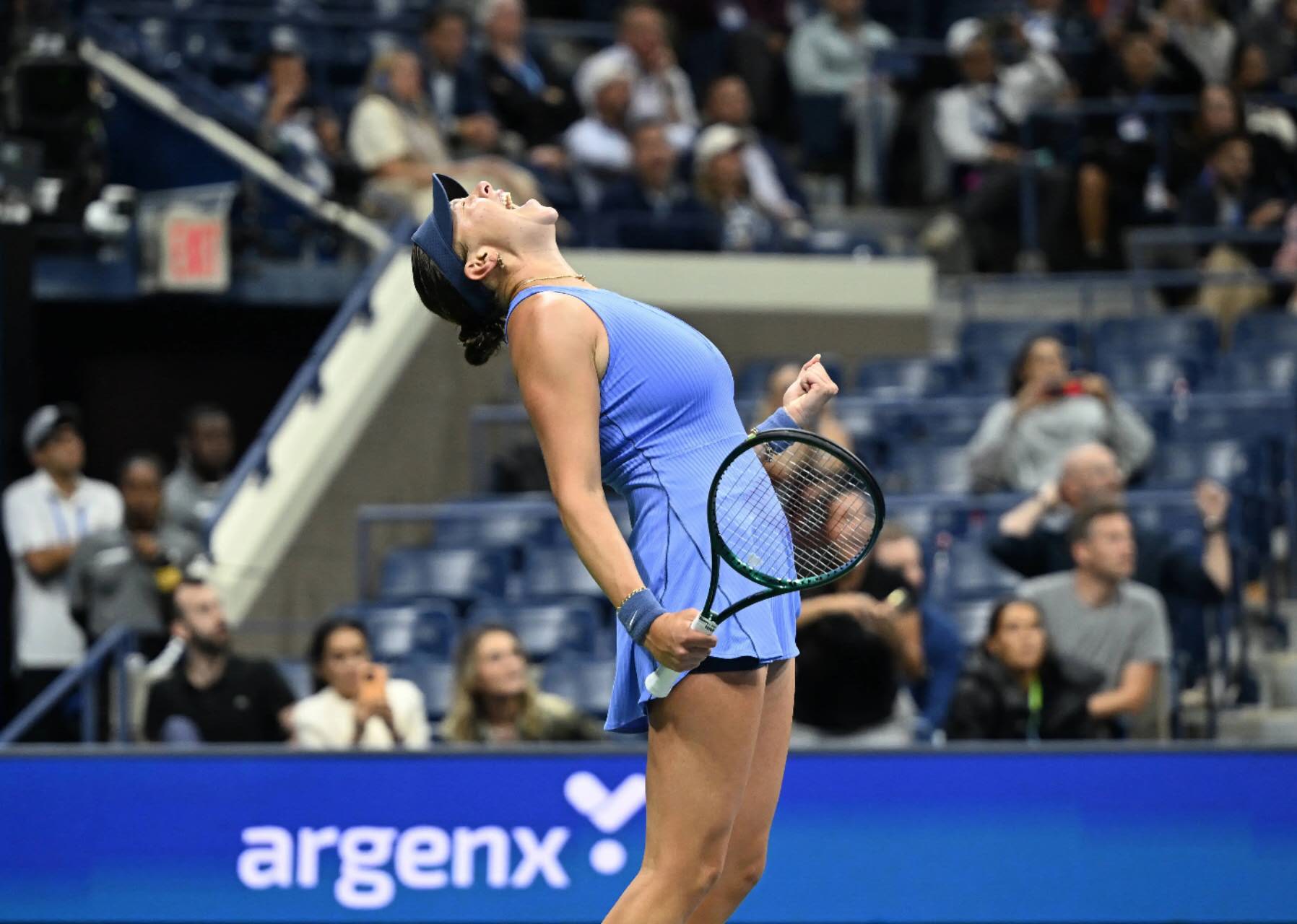
Fans have high expectations for her. On social media, some wrote, “It’s wonderful to see her enjoying tennis again; if she stays healthy, she will definitely be a strong contender for Grand Slams next year.” Others cautioned, “Two Grand Slam final losses might leave mental scars; overcoming the final hurdle is key.”
Anacone’s prediction carries special weight. As the coach who developed a great champion like Federer, his insight and professional judgment are highly respected in tennis. The changing dynamics in women’s tennis also present opportunities. With several veterans fluctuating in form, the women’s tour is entering a new phase of power shifts.
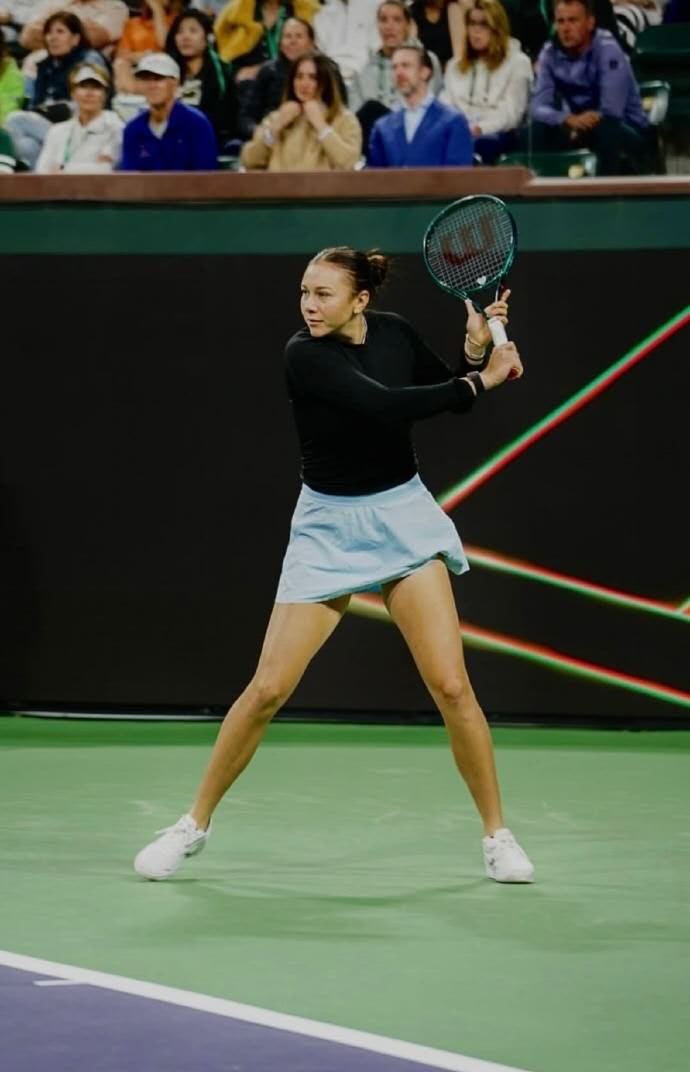
The forecasts from tennis authorities Roddick and Anacone reveal different trajectories for men’s and women’s tennis. Medvedev needs to balance consistency with Grand Slam performance, while Anisimova must convert her breakthroughs into championship titles.
Their challenges differ—Medvedev must regain his dominance on the big stage, while Anisimova needs to solidify her recent progress. The 2026 season will be a key focus for both players in the tennis world.(Source: Tennis Home, Author: Lu Xiaotian)

 Links
Links
 Contact
Address:UNIT 1804 SOUTH BANK TOWER, 55 UPPER GROUND,LONDON ENGLAND SE1 9E
Number:+85259695367
E-mali:[email protected]
 App
App


