



Changes in Women’s Tennis Over the Past Decade Through the Eyes of Kasatkina



“I remember when I first entered the professional circuit in 2015, some girls struggled a lot with slice shots and topspin serves. Nowadays, there isn’t a single player who can’t handle these. Moreover, they know how to quickly recover, position themselves on the court, and launch attacks…” This observation by Australian tennis star Kasatkina is more than just a top athlete’s experience; it serves as a lens revealing the profound changes in women’s tennis over the past decade. As time has moved from 2015 to today, the competitive landscape of women’s tennis has undergone a fundamental restructuring — a silent revolution from specialization to versatility, from fragmentation to integration, reshaping the sport with unprecedented intensity.
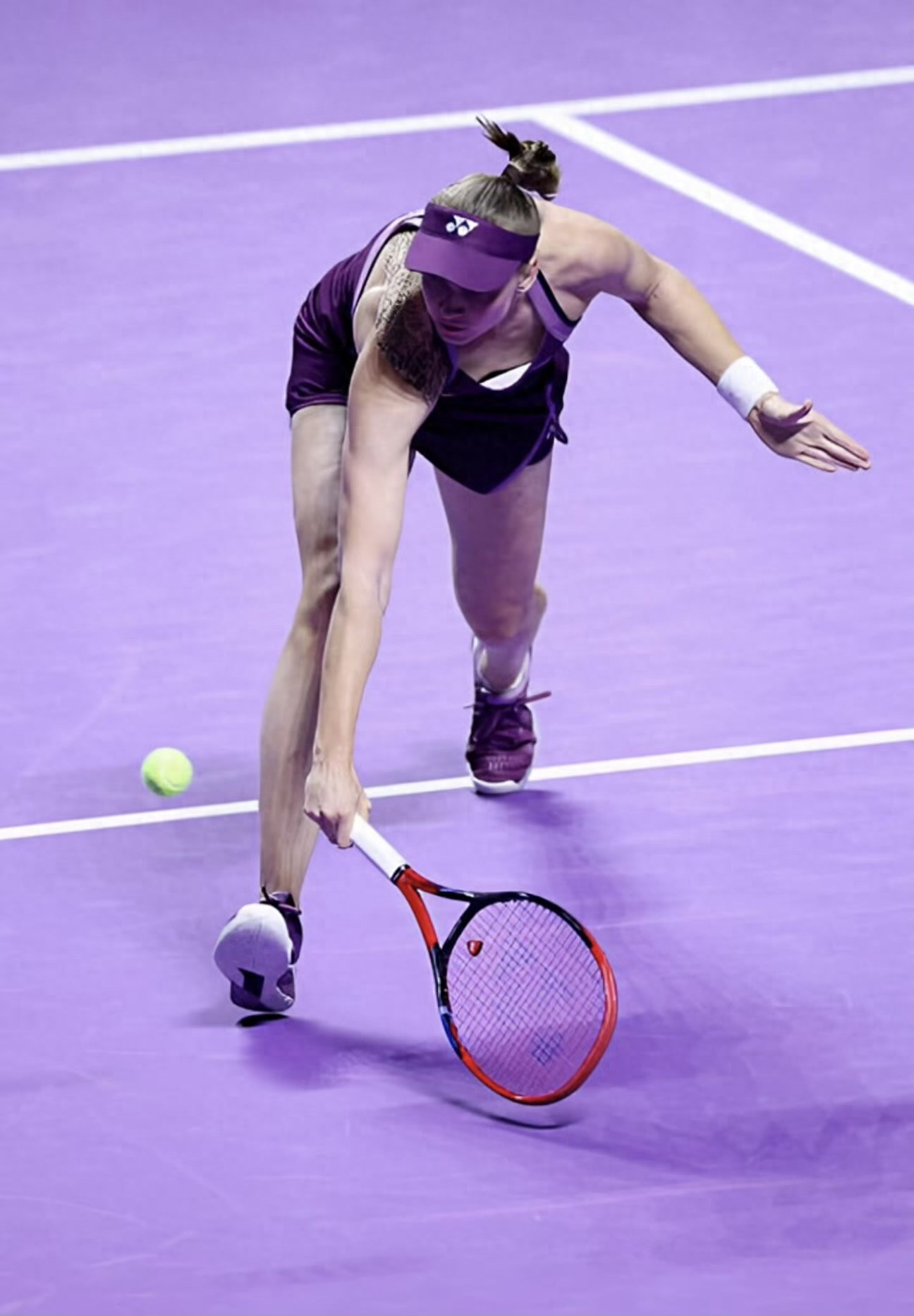
A decade ago, the tactical map of women’s tennis was clearly divided by distinct playing styles. As Kasatkina noted, players were often labeled as either “super aggressive” or “resilient defenders,” and switching styles was like crossing a wide chasm. Attackers struggled when forced into defense, while defenders found it hard to deliver decisive blows at critical moments. This rigidity was evident not only in individual players’ skill sets but also in the overall tactical monotony, with matches often becoming repetitive reenactments of the same patterns performed by different athletes.
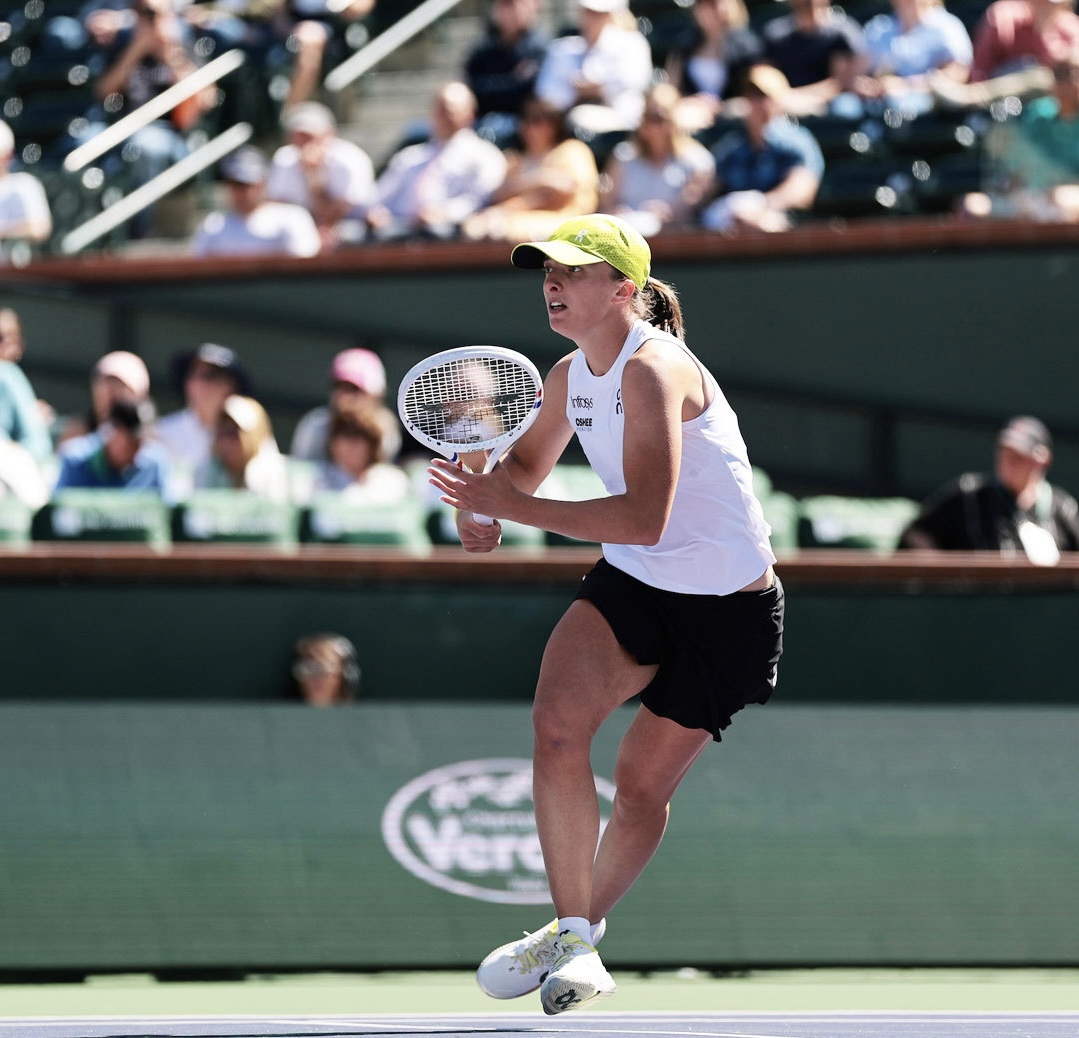
However, evolution has quietly taken place. Today’s women’s tennis players have become true all-around warriors. Kasatkina keenly recognizes this shift: “Now, players know how to blend various styles. They focus heavily on improving their weaknesses.” They can launch thunderous attacks, engage in extended baseline rallies, execute elegant volleys at the net, and produce penetrating shots even under defensive pressure. Behind this technical fusion lies a fundamental change in training philosophy. Players now prioritize fixing their flaws rather than just strengthening their strengths, building a 360-degree, well-rounded competitive capability.
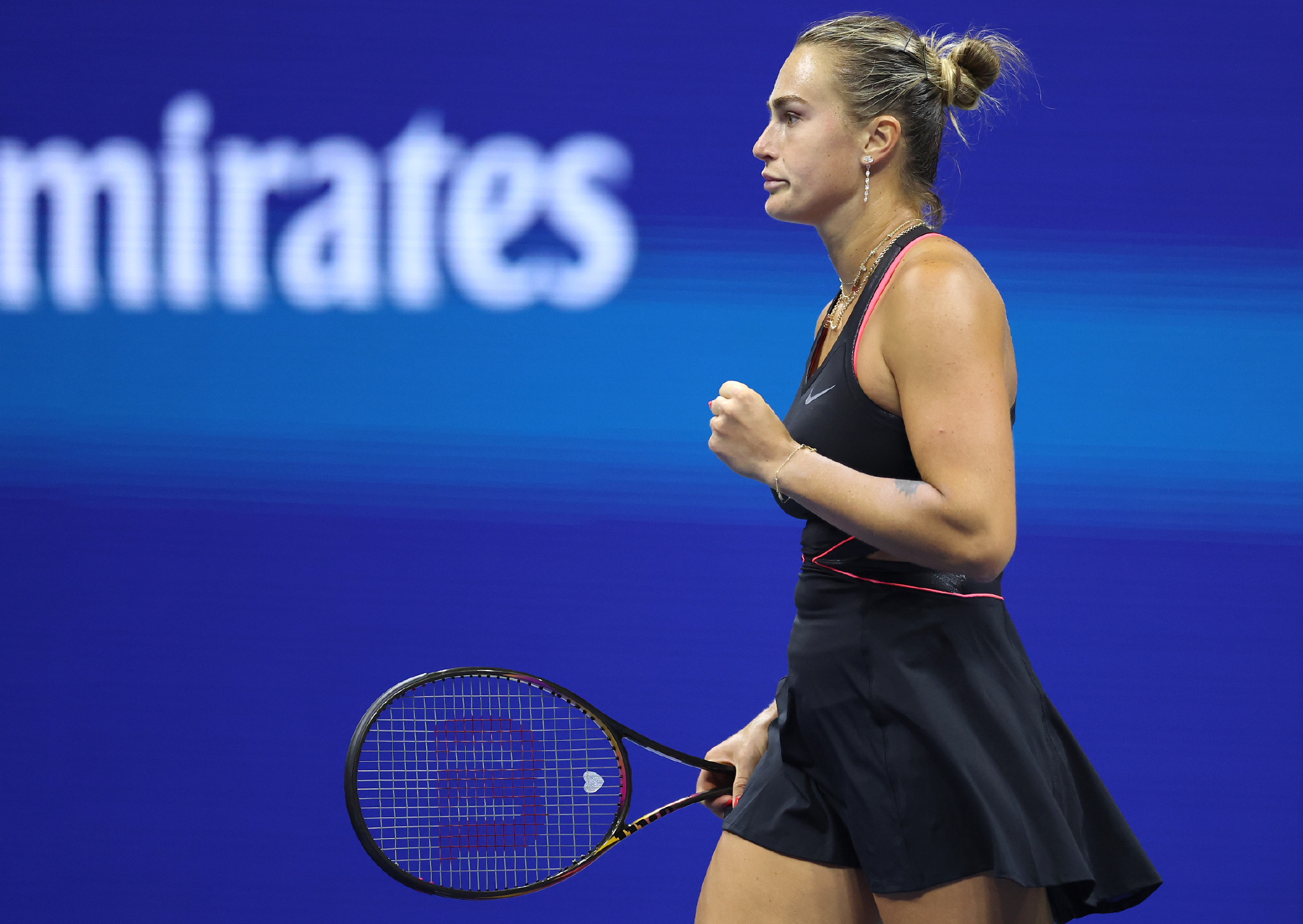
Alongside technical advances, there has been a revolutionary enhancement in physical conditioning. Kasatkina remarked, “Tennis has become much more physically demanding. Everyone plays so aggressively now that there’s no room for mistakes during rallies.” Today’s women’s matches are a trio of power, speed, and endurance. Players continuously push serve speeds to new limits, and the force behind baseline shots is astonishing — all supported by ironclad fitness. More importantly, this intensity is not brute force but is based on precise shot placement and excellent movement. Players know how to quickly recover and position themselves, maintaining tactical accuracy even in high-speed exchanges, making every point unpredictable and tense.
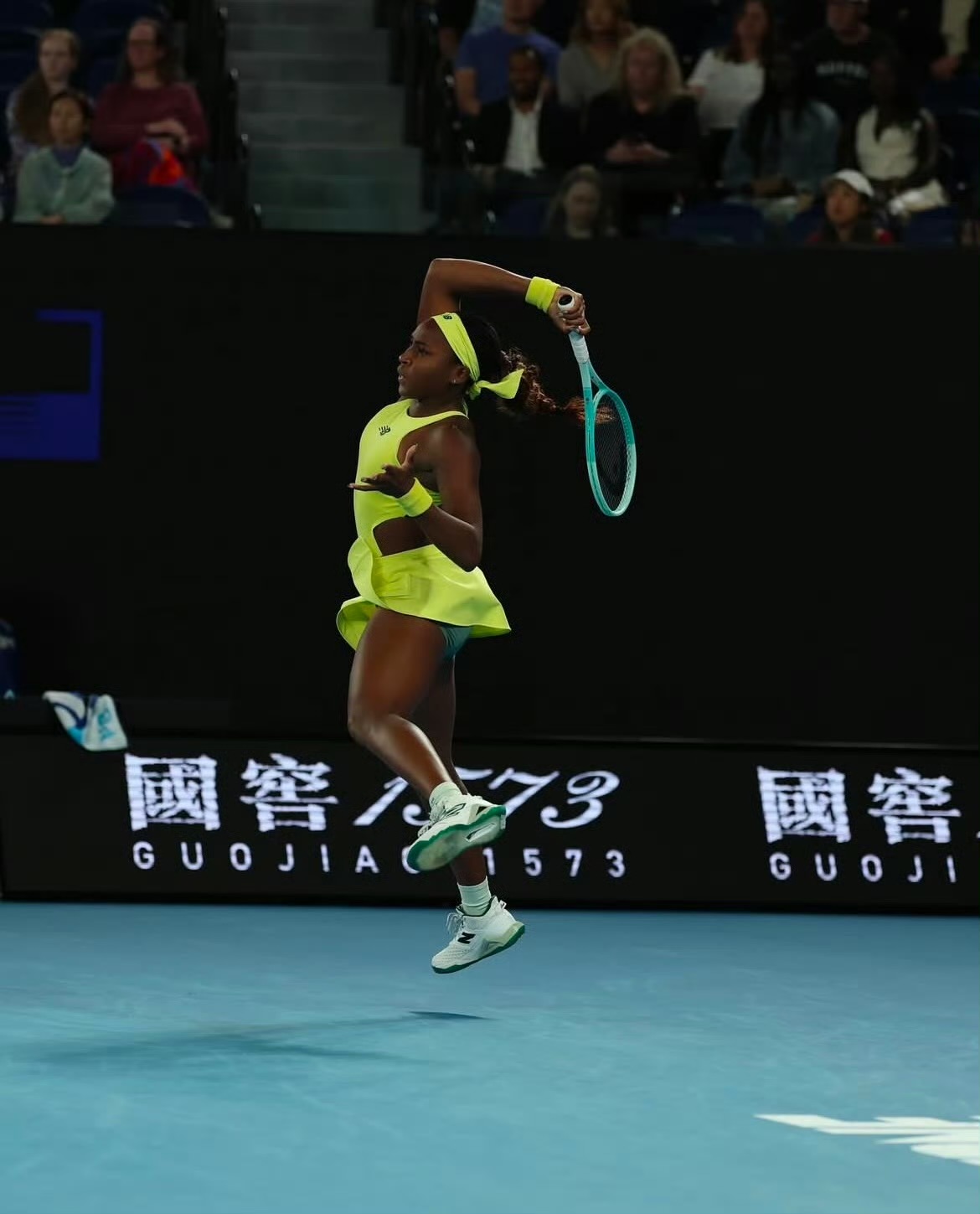
“Now, you can’t win matches just by defending. You have to understand offense and know when to attack.” Kasatkina’s statement captures the deepest tactical evolution in modern women’s tennis. Purely defensive counterpunching strategies no longer hold up at the highest level; victory favors those who actively construct points and seize opportunities during transitions. Today’s tennis is an art of intelligent offense, requiring not only offensive weapons but also the wisdom to recognize the right moments and choose the best attacking methods. Matches have evolved beyond simple style clashes into complex contests of comprehensive skills and split-second decisions.
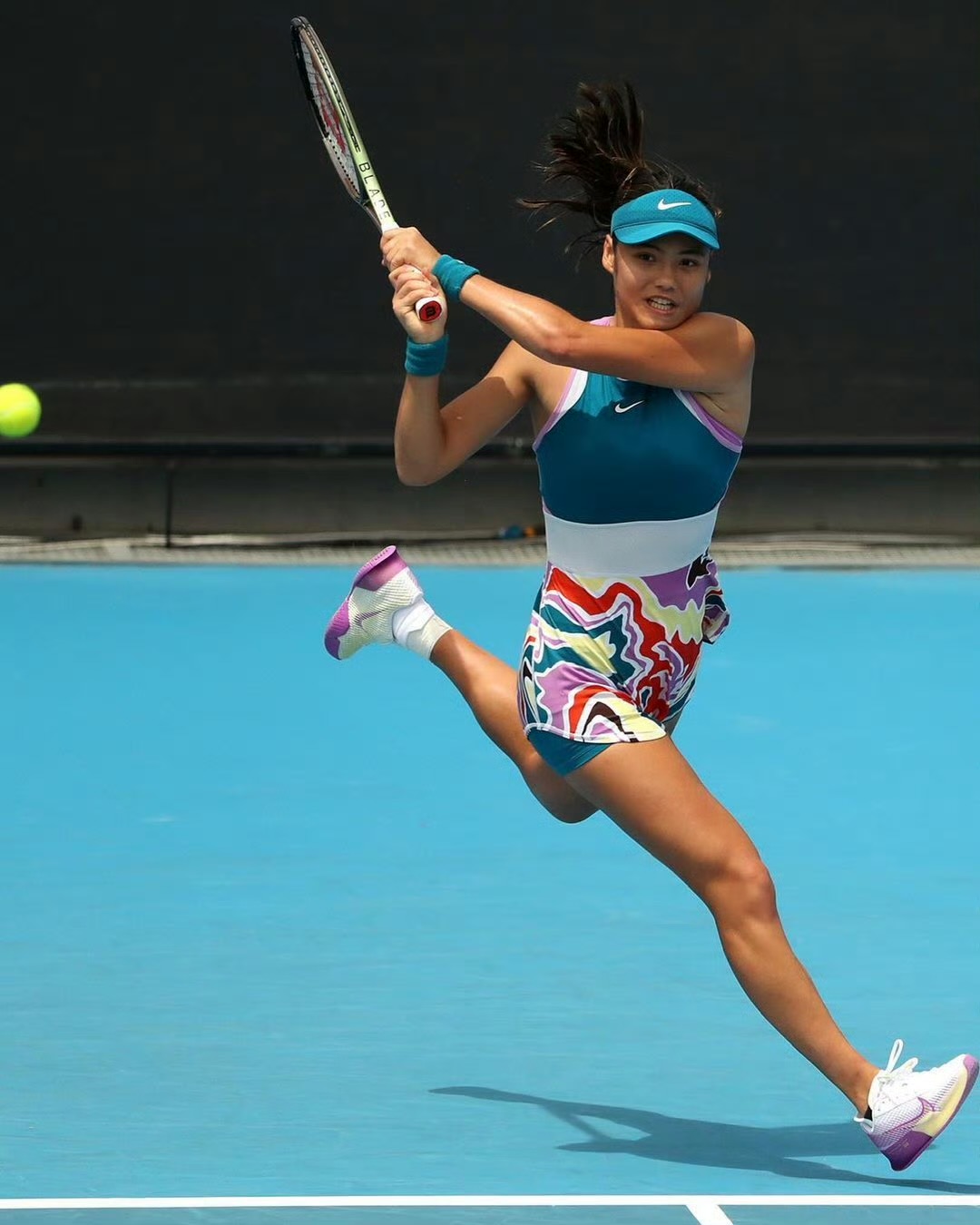
From the iconic “power aesthetics” of the Serena Williams and Maria Sharapova era to the “versatile offensive” playstyle showcased by the new generation like Swiatek and Sabalenka, women’s tennis has achieved remarkable self-transcendence in just ten years. This evolution has not only enhanced the entertainment value and competitive intensity but also fundamentally transformed the sport’s essence. It is no longer a showcase of isolated technical specialties but a test of comprehensive athleticism; no longer a rigid adherence to a single tactic but a flexible application of dynamic strategies.
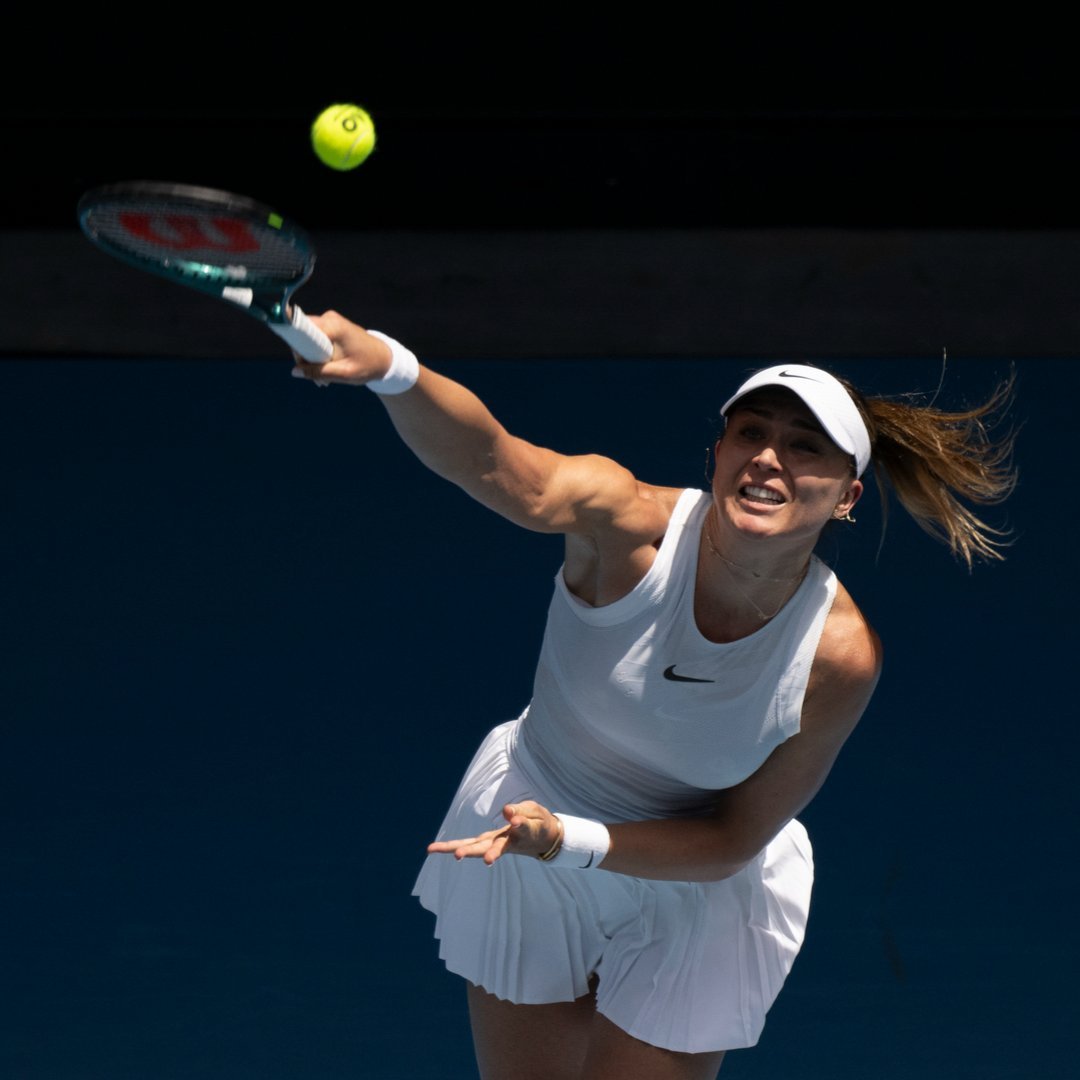
Looking back from 2025, the evolutionary picture Kasatkina paints testifies to a collective growth and transformation of a generation of tennis players. When “no margin for error” becomes the shared competitive reality for the new generation, women’s tennis enters a harsher yet more thrilling era of all-around excellence. Here, victory belongs to those who can integrate techniques seamlessly, sustain physical output, and make wise choices amid rapidly changing match situations. This silent revolution is far from over, and every step forward continues to redefine the future of women’s tennis.(Source: Tennis Home, Author: Mei)

 Links
Links
 Contact
Address:UNIT 1804 SOUTH BANK TOWER, 55 UPPER GROUND,LONDON ENGLAND SE1 9E
Number:+85259695367
E-mali:[email protected]
 App
App


