



New revelations in the mentor-disciple split: Documentary distorts Alcaraz’s image, portraying him as a rebellious kid; family unaware



Yesterday, Spain’s leading media disclosed the complete process of world No.1 Alcaraz’s separation from his mentor Ferrero, and many thought the incident was basically closed. Yet today, a report by foreign outlet Laverdad revealed that “business disputes” and “father’s involvement” were not the key reasons; the Netflix documentary was actually at the heart of the split.
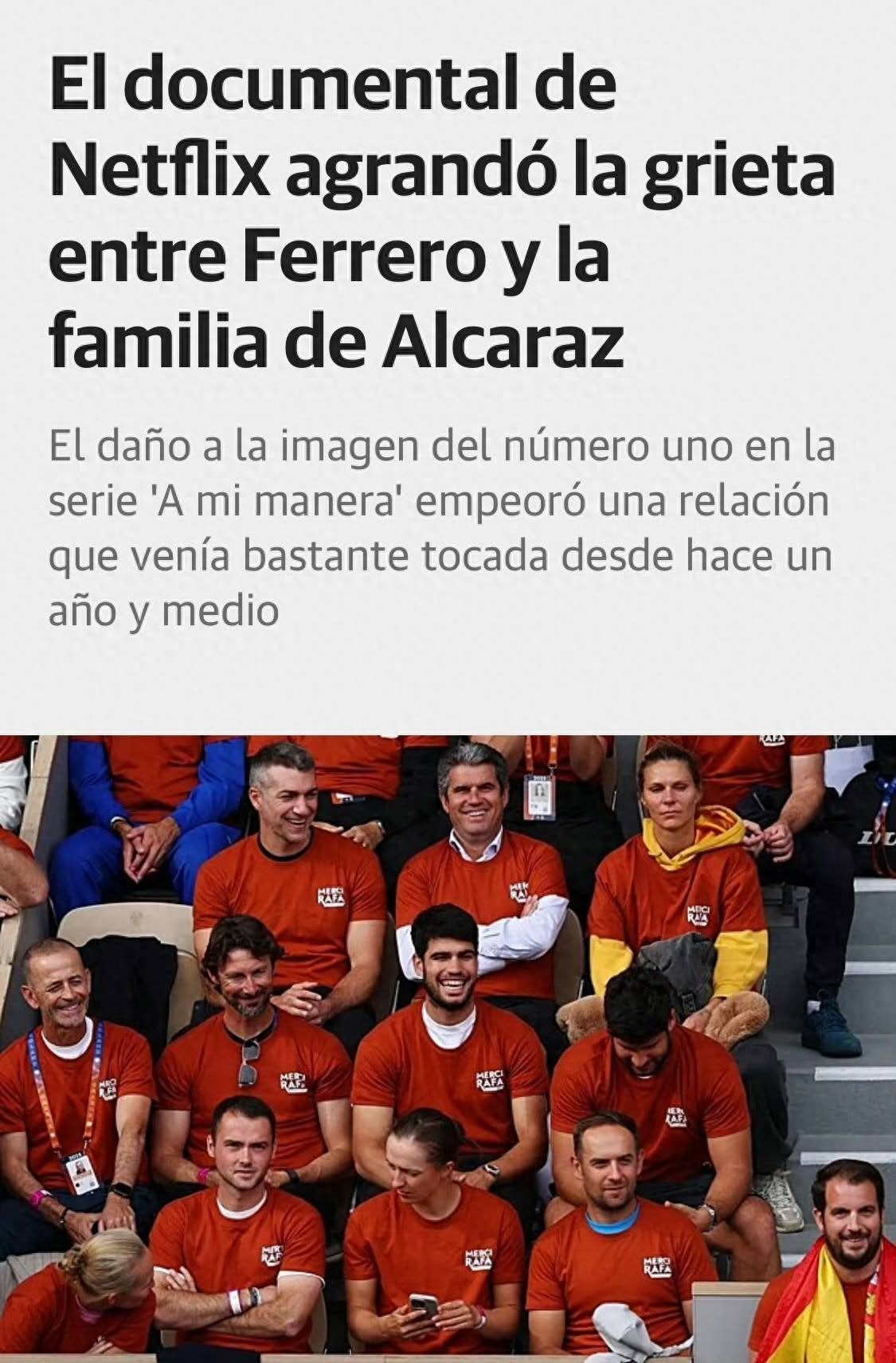
On April 23 this year, the documentary "Alcaraz: My Tennis Path," produced by Spain’s Morena Films and released on Netflix, officially premiered. This three-episode series offers an intimate look into Alcaraz’s 2024 season life and matches, but the narrative ultimately angered Alcaraz’s family.
In the documentary, Alcaraz is portrayed as a mischievous youngster who only wants to have fun and party, while Ferrero and agent Albert Molina are cast as strict “father figures” trying to correct his mistakes.
A highlight in the film is Alcaraz’s holiday lifestyle on Ibiza, where Ferrero and Molina express concerns about how often he attends parties.
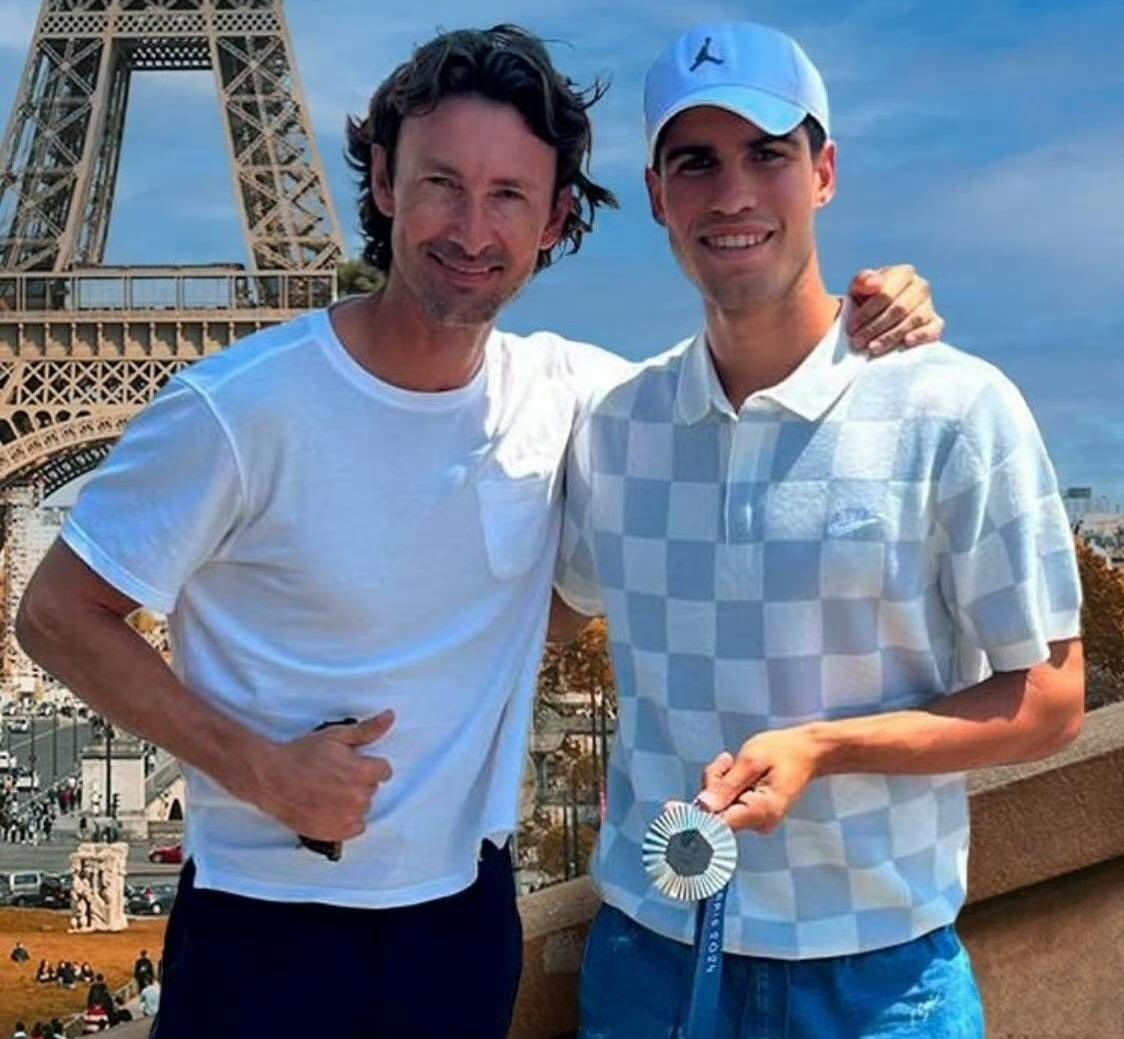
Notably, Alcaraz’s family was completely unaware of this, and the documentary’s director never communicated with them. After its release, they expressed deep anger, believing it severely tarnished Alcaraz’s image. His parents feel the director’s selective editing in just three episodes created the impression that “Alcaraz is a spoiled kid only interested in fun and parties, while Ferrero and Molina are the true architects of his success because they control and manage him strictly. The film leaves no room for nuance, presenting things in black and white.”
They couldn’t help but challenge the director with a fundamental question: “How can a player who supposedly parties almost every night and cares more about fun than training become world No.1, win six Grand Slams, and earn over 49 million euros? And how does he win more than 95% of his matches in a year?”

The answer is simple: all these stereotypes imposed on the current world No.1 are false. However, the damage has been done, and Alcaraz faces a huge challenge to shake off the ‘frivolous, party-loving’ label the documentary has stuck on him.
Alcaraz’s parents do not understand why the documentary was ultimately allowed to air. What worries them even more is that Ferrero himself benefits from this narrative.
Judging by the reception after “My Tennis Path” aired, many criticized Alcaraz’s attitude towards tennis and life, yet no one from his team defended him. This damaging image could and should have been prevented.
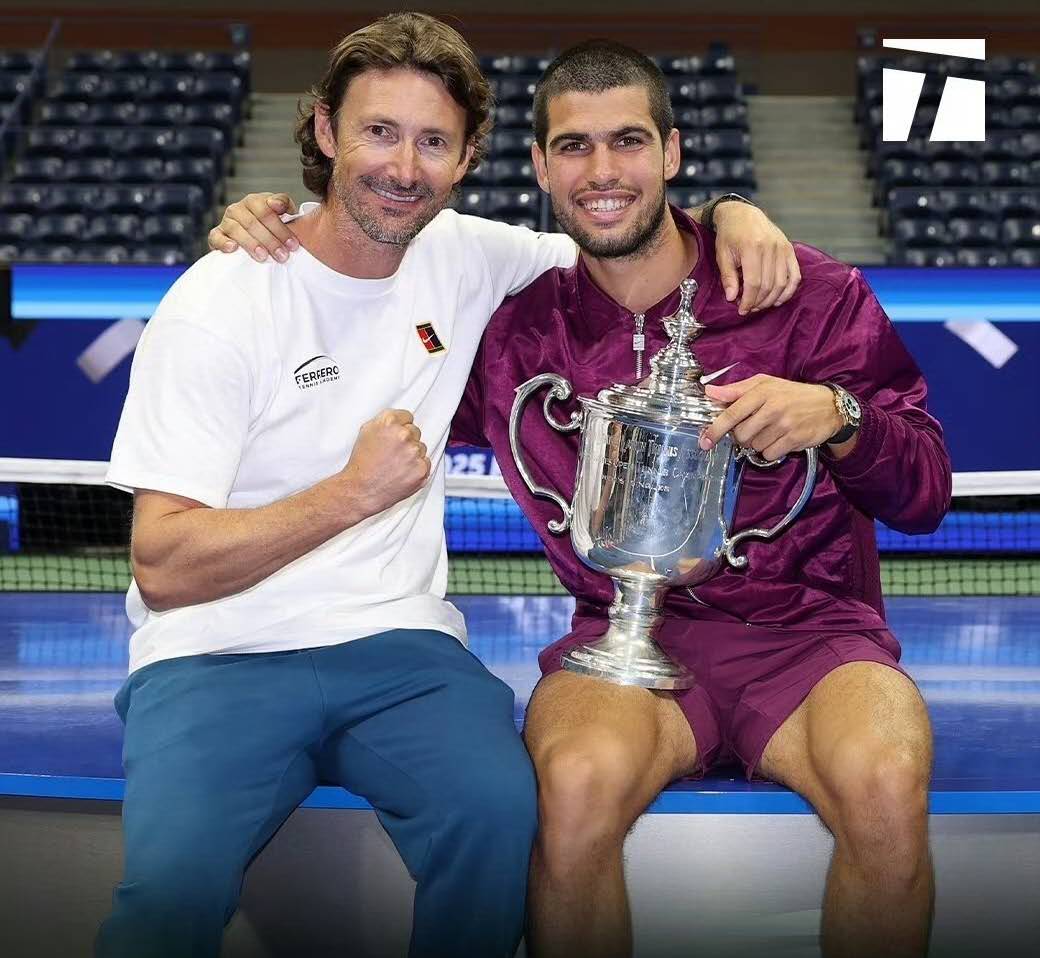
Moreover, following the documentary controversy, Alcaraz increasingly feels his privacy has been violated. At a post-match press conference after defeating Deminor, he appeared confused when asked unexpectedly about his romantic life. A week later, in an interview with El País, he admitted: “Too much of my life has been exposed, so I have to learn how to cope.”
Consequently, his family has refused all requests to film his private life in the following months—whether TV interviews or various reports. Alcaraz’s parents want him to appear only in pure tennis-related content or controlled private events with sponsors, avoiding public focus on his personal life. As a result, filming inside the locker room has stopped entirely, and his activity on X and Instagram accounts has significantly decreased. His team has clearly told the media, “They don’t want to get into trouble anymore.”
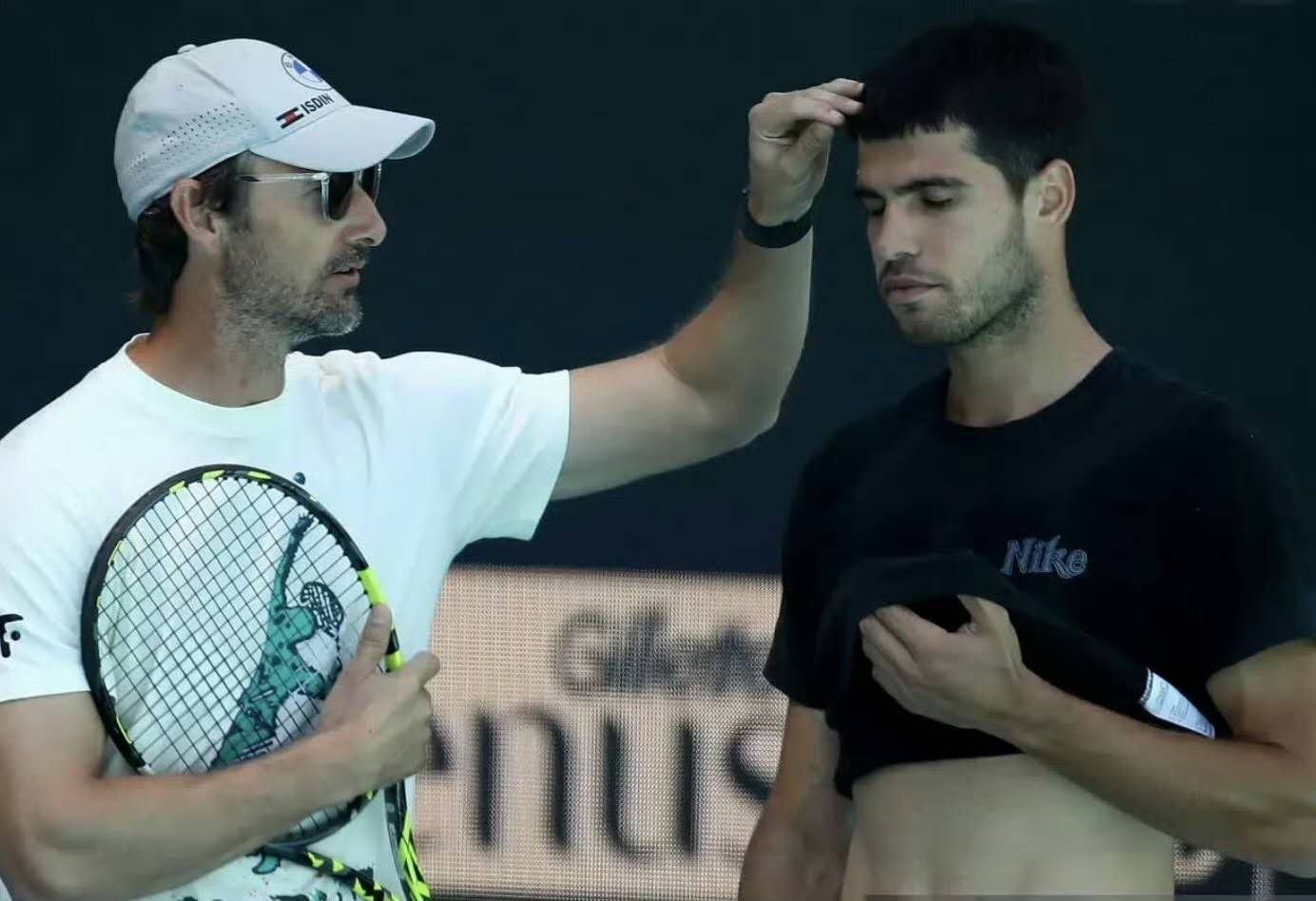
Besides the documentary dispute, the report also highlights an economic issue.
The report points out that money was not the core factor in this whole matter. Ferrero, as coach to the world No.1, already earned a substantial income. According to specialist media Notilibre, Ferrero’s fixed annual salary ranges between 300,000 and 500,000 euros, which increases significantly with bonuses. Coaches usually receive 10% to 20% of their player’s prize money. Considering Alcaraz’s earnings, Ferrero made between 3 to 6 million USD from this share in the past five years. Additionally, coaches get a small percentage from the player’s sponsorship deals.
However, it is emphasized that the final say in these financial matters lies with agent Molina, not Alcaraz’s father. Molina has managed these aspects since Alcaraz’s youth and maintained a close relationship with Ferrero. Although Molina has ended cooperation with Ferrero, he remains with Alcaraz because the family deems his role as agent crucial.
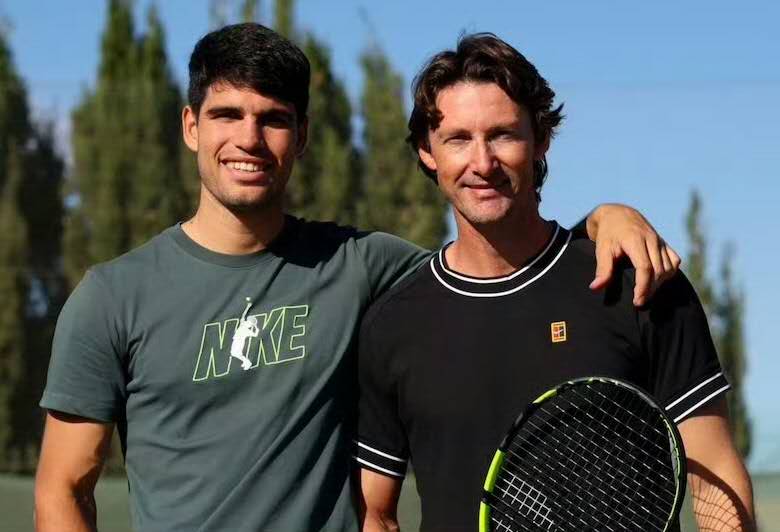
Some netizens have questioned, “Netflix is not exactly a good entity, but the side that should take responsibility is actually agent Molina, who coordinated filming details with Netflix. That this documentary was made and aired without Alcaraz’s family knowing shows how much trust Molina received and betrayed. In the end, Ferrero left the team, but Molina came out unscathed.”
From accusations of Alcaraz “biting the hand that fed him,” to fans fiercely criticizing Ferrero’s “strict control,” to media unanimously questioning Alcaraz’s father’s strong interference and “business conflicts,” and now the “documentary controversy,” how should we describe this mentor-disciple breakup? We’ll leave that judgment to you.(Source: Tennis Home, Author: Lu Xiaotian)

 Links
Links
 Contact
Address:UNIT 1804 SOUTH BANK TOWER, 55 UPPER GROUND,LONDON ENGLAND SE1 9E
Number:+85259695367
E-mali:[email protected]
 App
App


