



Media reconstructs the breakup process: Alcaraz’s father took full control, issuing a 48-hour ultimatum demanding a decision or departure



Since Alcaraz and his mentor Ferrero parted ways, speculation about the reasons has been rampant. Today, the Spanish website La Verdad published a detailed report revealing the entire process from their close partnership to the eventual “team coup.”

The report documents that the conflict began due to core team members’ dissatisfaction with Ferrero’s frequent absence from Alcaraz’s matches. This discontent first emerged in 2023 but did not escalate due to performance factors. However, after the Tokyo tournament this year, tensions erupted, with the team feeling Ferrero was “too indifferent” as head coach. The authoritative Spanish media Marca exposed that Alcaraz’s father privately expressed displeasure to Alcaraz himself, believing Ferrero only considered Alcaraz’s commercial value to him personally and neglected his coaching responsibilities and duties.
Additionally, according to Alcaraz’s first coach Santos, throughout this “breakup turmoil,” it was Alcaraz’s father who controlled everything, with Alcaraz himself uninvolved. Regarding some controversial clauses in the new contract, Ferrero’s sole negotiation counterpart was Alcaraz’s father.

The report describes that after the off-season began, Ferrero received a new contract on a Saturday morning from Alcaraz’s legal team and entourage, with a demand to decide within 48 hours: accept or reject.
The report highlights two points: first, Ferrero’s signing period was strictly limited, making it more of a “notification”; second, Ferrero’s room to negotiate on controversial contract terms was extremely limited, meaning the clauses were essentially mandatory.
It was revealed that this contract included a significant pay cut and several clauses unrelated to tennis, which Ferrero deemed “unacceptable.” These unacceptable terms included Alcaraz’s announcement to stop training at Ferrero’s academy, issues over team authority, player time freedom, and more.

Following the report’s release, some media commentators viewed this contract crisis as the climax of a long-standing power struggle. The implication is clear: the relationship between Alcaraz’s father and Ferrero was not just commercial competition. More importantly, as Ferrero’s responsibilities at tournaments increased, his importance within the team diminished, which was a key reason Alcaraz’s father pushed for his departure.
Regarding the future, a member of Alcaraz’s team revealed a potential new coach’s criteria: “Must be willing to live in Murcia and provide every possible convenience for him.”

With this news out, it is believed that online criticism of Alcaraz will gradually decrease. Previously, many fans accused Alcaraz of becoming arrogant after fame, leading to the dismissal of his mentor. Others thought he was cold and ungrateful. Now the issue is clear: the root cause was the conflict between coaching control and family decision-making authority.
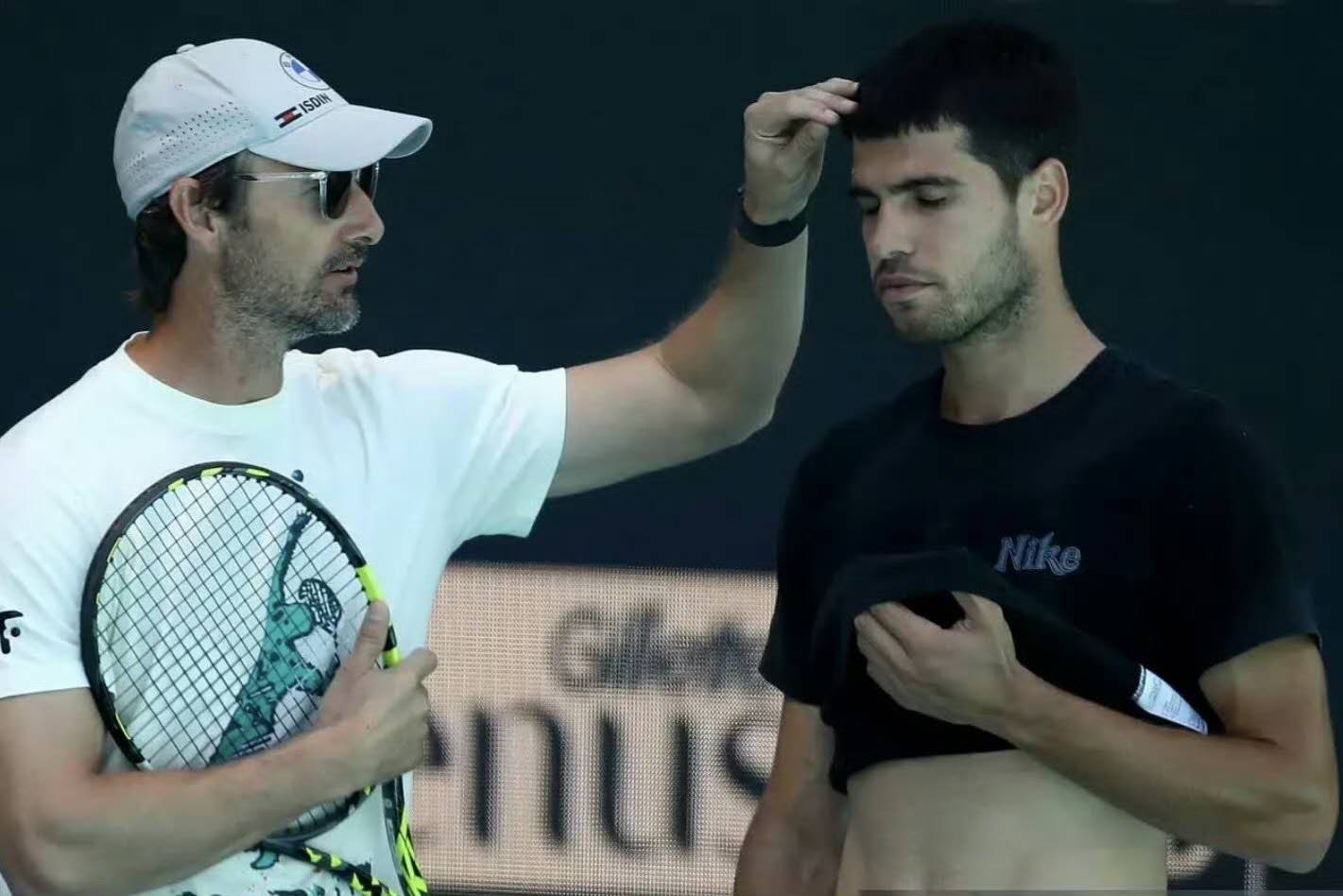
In tennis history, the fathers of the Williams sisters and Steffi Graf were also controversial figures for their involvement in career management. Alcaraz and his father now face a similar crossroads.
As Alcaraz continues to rise in professional tennis, this off-court struggle over growth, independence, and team building may critically define his future success. His father’s strong support lifted him halfway up the mountain, but the final climb to legendary status depends on his own choice of companions.(Source: Tennis Home, Author: Lu Xiaotian)

 Links
Links
 Contact
Address:UNIT 1804 SOUTH BANK TOWER, 55 UPPER GROUND,LONDON ENGLAND SE1 9E
Number:+85259695367
E-mali:[email protected]
 App
App


