



Insiders revealed that Ferrero's dismissal might be due to his fallout with Alcaraz's father, rather than a decision made by Alcaraz himself.


Alcaraz’s sincere goodbye message declared the conclusion of his seven-year collaboration with Ferrero, but the tennis community remained stunned. As the news settled, fresh details surfaced, adding complexity to the story. The key question now is whether this split was a mutual and amicable decision or influenced by the growing influence of Alcaraz’s inner circle, especially his family.
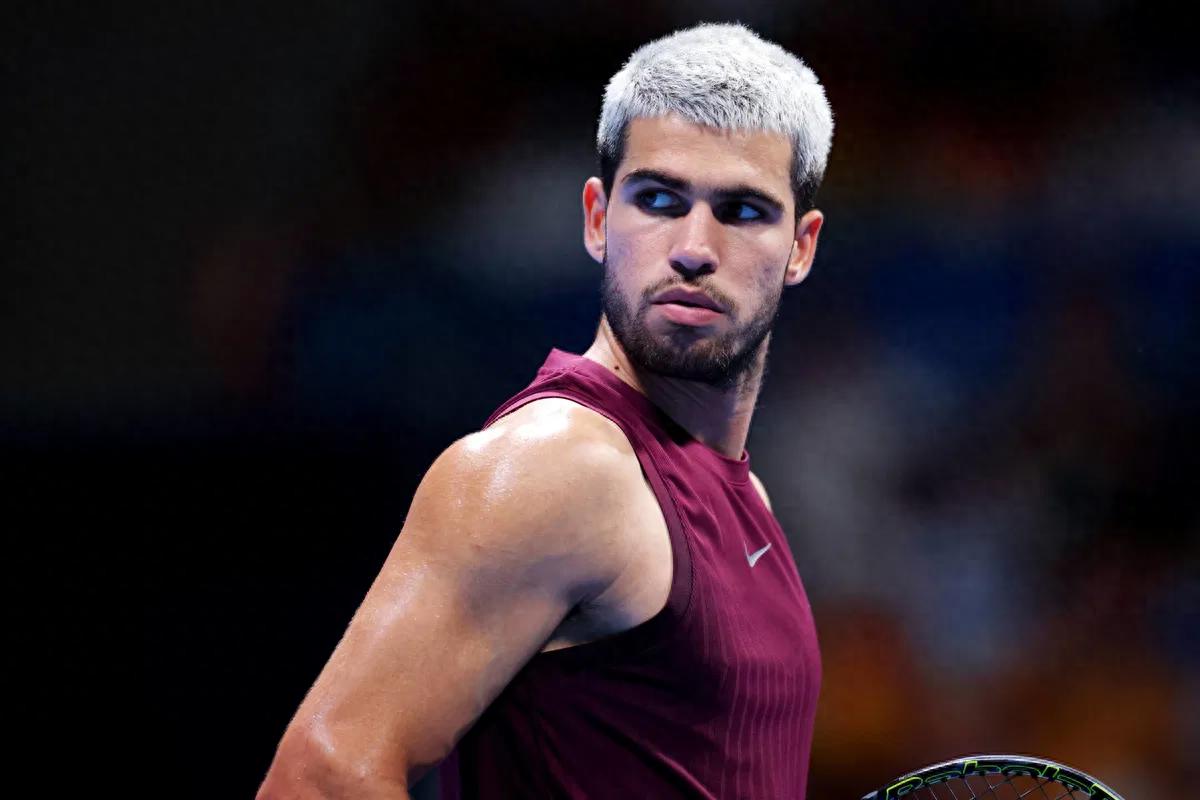
Ferrero’s own statement soon after added tension to the announcement; he wrote on social media, “I had hoped to continue.” This clearly indicates that the separation was not straightforward and was not entirely his choice.
A source close to Alcaraz during his peak years told the media that Ferrero and Alcaraz’s father had major disagreements over how to manage the player’s career, shifting the conflict from on-court performance to control and long-term planning. Javier de Diego from Spanish National Radio further reported that during brief contract negotiations, no agreement was reached, leading to the breakup just two days before it was publicly announced. It is evident that the split was not due to dissatisfaction with results, as supported by the facts.
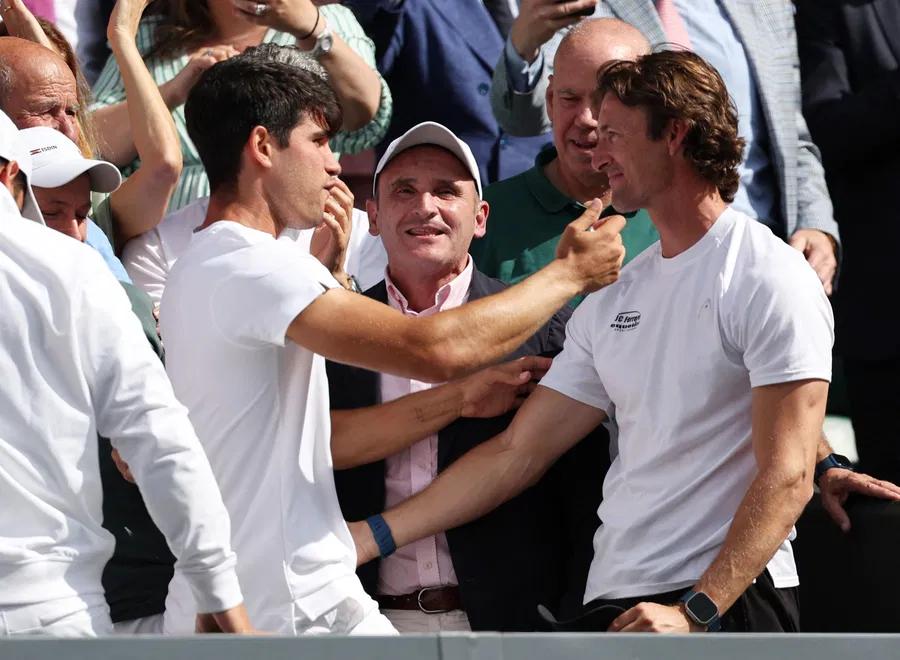
Under Ferrero’s coaching, Alcaraz won six Grand Slam titles, eight Masters trophies, and became the youngest ATP world No. 1 at 19 after winning the 2022 US Open. Ferrero played a central role in Alcaraz’s technical and competitive development and was always willing to continue coaching, as his statements indicate. Alcaraz echoed this sentiment, saying neither party held back. Yet, reviewing key moments from the past helps to better understand why this partnership ultimately ended.
Ferrero’s coaching style has always emphasized discipline, scheduling, and clear professional boundaries; meanwhile, Alcaraz increasingly favored a player-centered approach, focusing on flexibility and enjoying the process, themes also highlighted in his Netflix documentary "A mi manera" ("My Way"). Former Brazilian player Fernando Meligeni told CLAY that the core of the conflict was not just lifestyle differences but issues of commitment and authority, involving scheduling, training load, and family involvement. In his view, the balance eventually tipped towards Alcaraz’s inner circle.
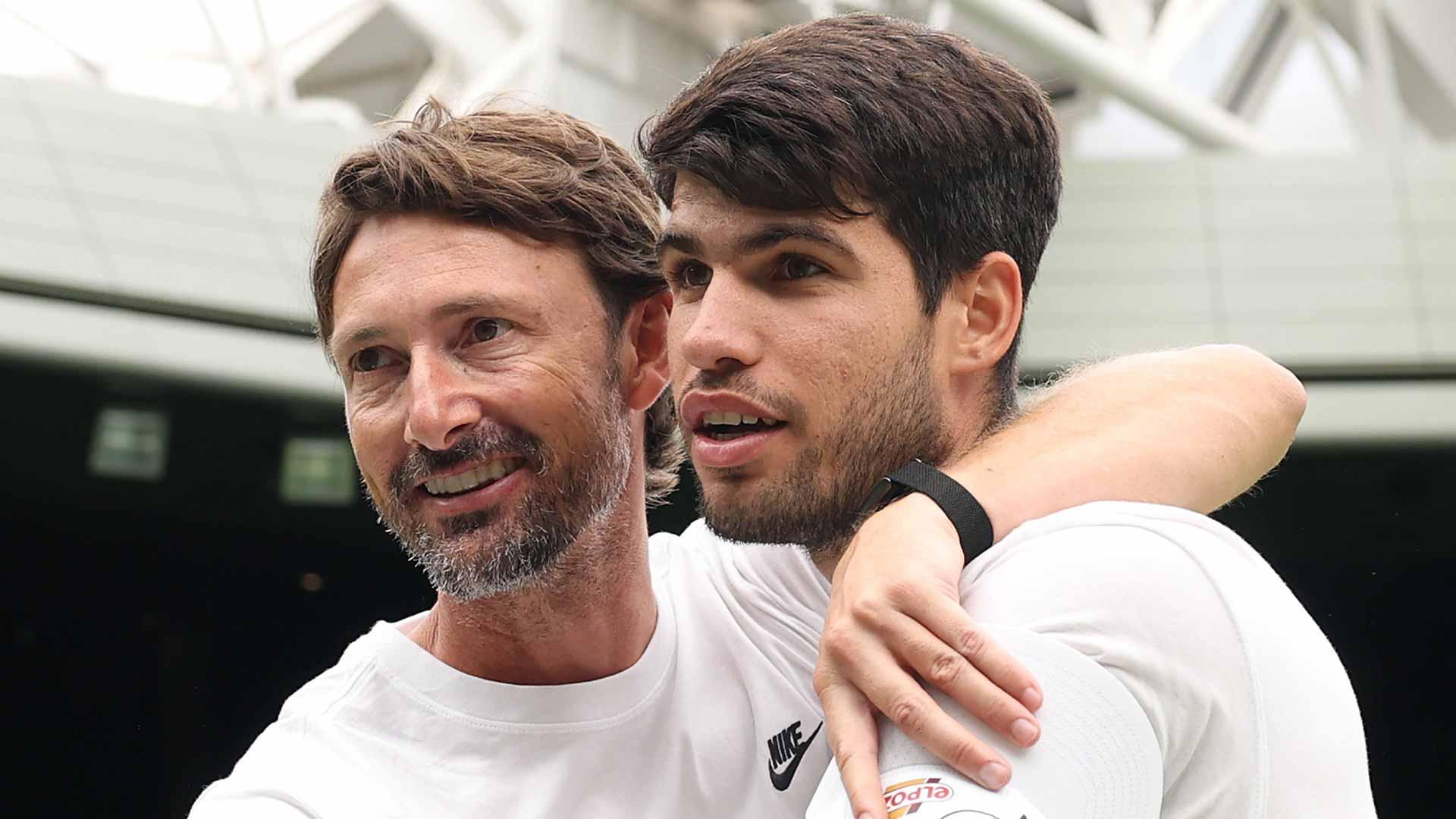
This tension became public early in 2023 when Ferrero chose not to travel with the team to the South American season, handing responsibilities to Antonio Martínez Cascales. Reports say this decision sparked a heated argument with Alcaraz’s father. Although Alcaraz went on to win the Buenos Aires title and reached the Rio final, the disagreement left a lasting rift. Ferrero returned to Buenos Aires the following year, but by then the partnership had already changed.
In a later interview with CLAY, Ferrero openly addressed these challenges, stressing the importance of understanding professionalism off the court and acknowledging how difficult it is for young stars constantly under scrutiny to maintain that balance. As this dynamic evolved, Samuel López took on a more significant role, accompanying Alcaraz to more events and leading technical adjustments, most notably improvements to his serve.
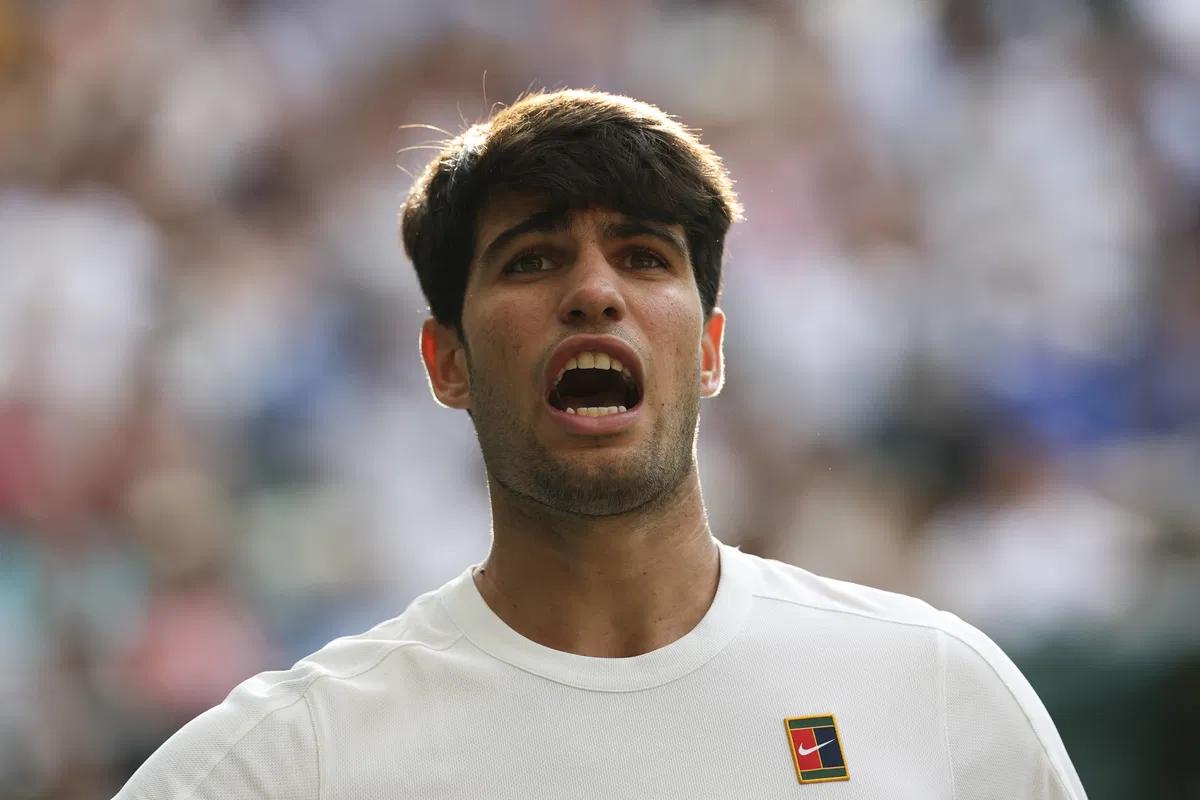
When contract talks resumed, Ferrero’s departure became increasingly inevitable. Alcaraz trained less at Ferrero’s academy in Villena and spent more time at the tennis academy in El Palmar, closely linked to his family. With negotiations breaking down, this partnership officially ended—one that had brought historic success but ultimately dissolved over differences in structure, authority, and the player’s future direction.
Next, it’s worth mentioning Alcaraz’s first coach, Kiko Navarro, and his perspective on the split. In an interview with RNE Deportes, he stated that this decision was not made by Alcaraz himself.
“It came more from his surrounding environment than from the player; Carlitos has always been very protective of his coaches. I worked with him and know he was the same with Juan Carlos. But there always comes a moment when, for reasons unrelated to him or his performance, they make such a decision. Juan Carlos’s work was outstanding—I worked with him for two years and there was hardly anything to criticize. The decision wasn’t made by Carlitos; they obviously had their reasons, though I don’t know what they are now.”
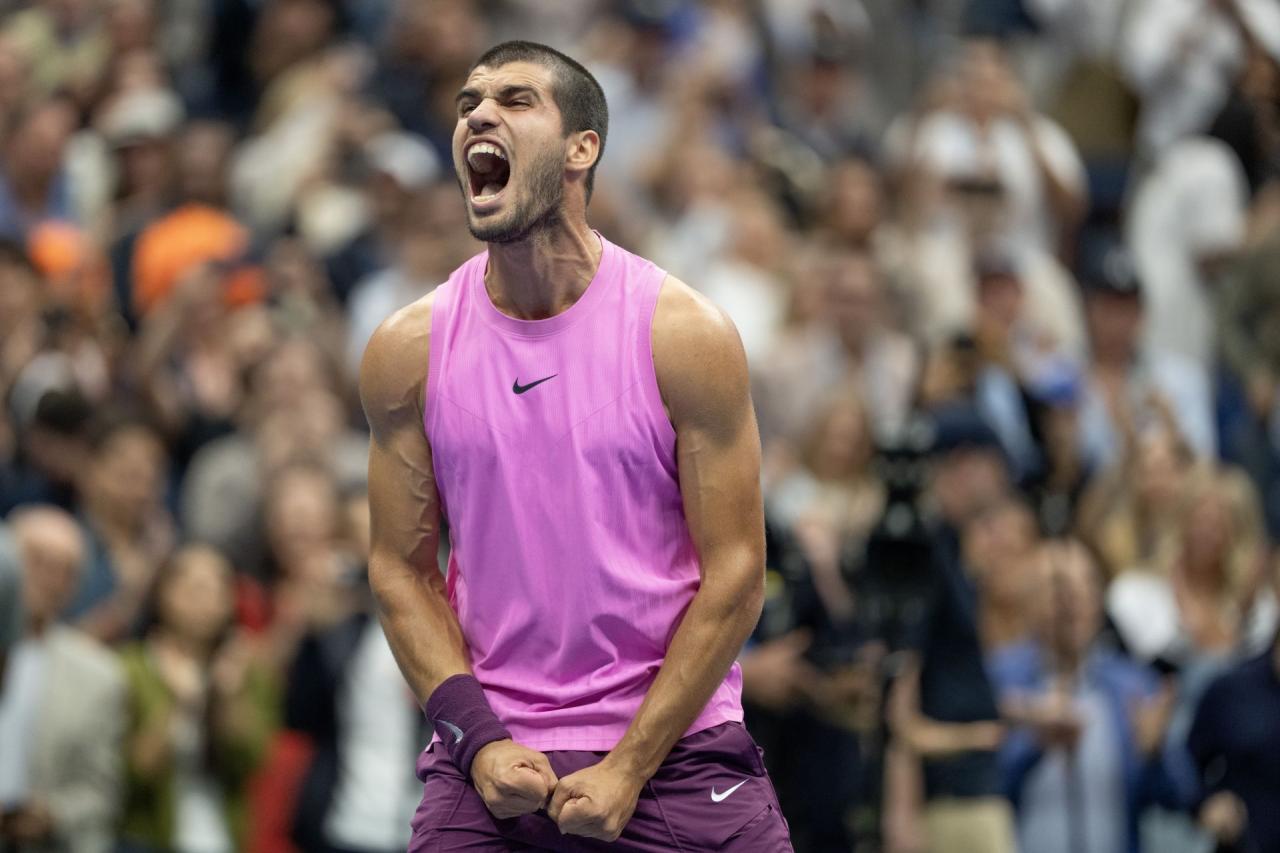
At the same time, he supports Samuel López taking over as the new head coach but also points out that Alcaraz might need a more high-profile second figure to help him handle the long season. Do you think this change will affect Alcaraz’s performance early in the 2026 season?(Source: Tennis Home, Author: Huohua)

 Links
Links
 Contact
Address:UNIT 1804 SOUTH BANK TOWER, 55 UPPER GROUND,LONDON ENGLAND SE1 9E
Number:+85259695367
E-mali:[email protected]
 App
App


