



The media revealed that the mentor-student conflict began in 2023, triggered by Alcaraz’s reluctance to train at the tennis academy, which was seen as a cash cow.



World No.1 Alcaraz and his veteran coach Ferrero ending their partnership has sparked widespread public discussion. A recent report from Murcia, Spain—Alcaraz’s hometown—uncovered deeper reasons behind their split, showing that their mentor-student relationship had been unstable for almost three years before finally breaking down.
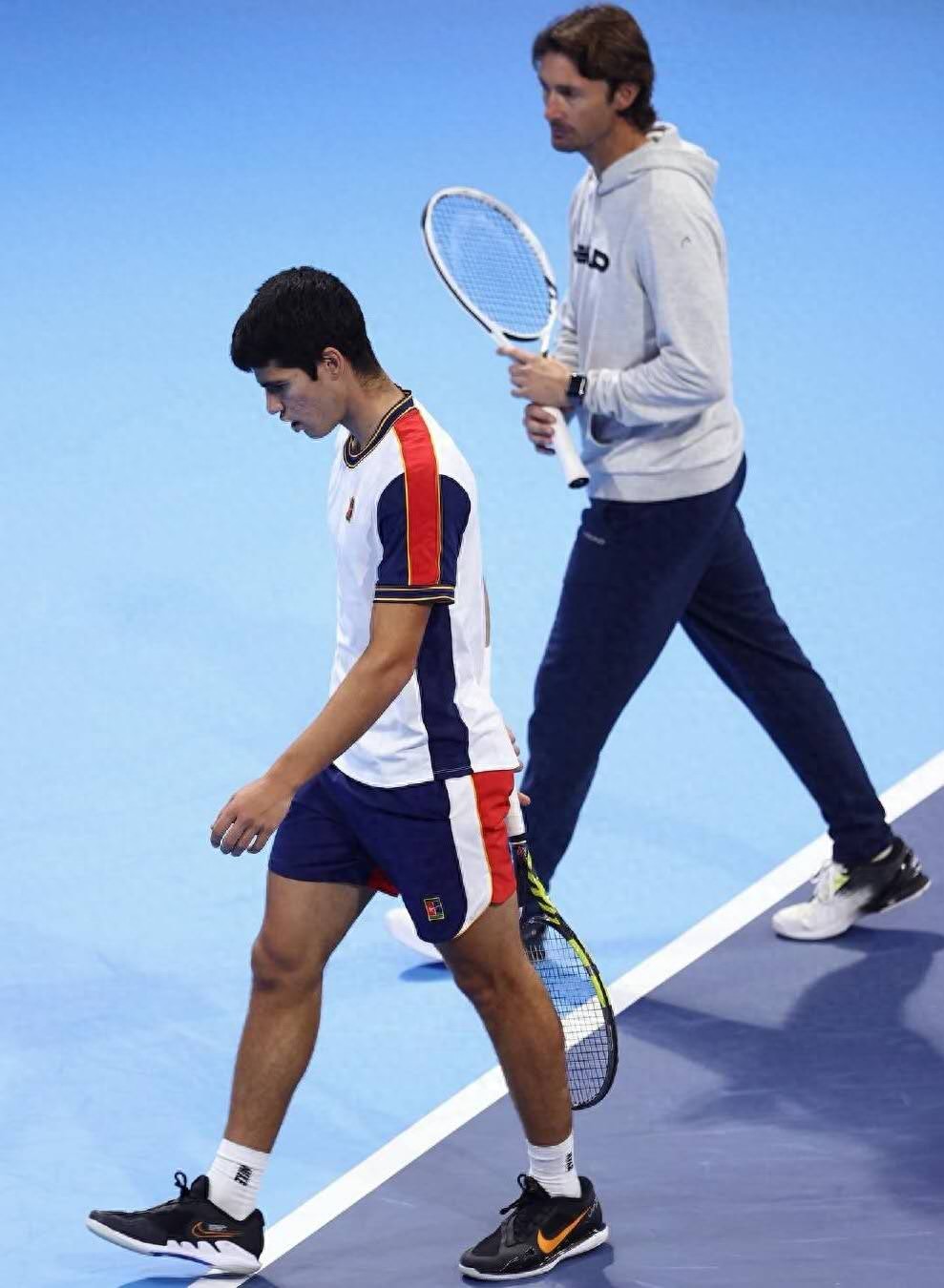
The local Murcia media outlet, La Verdad, recently disclosed more details behind Alcaraz and Ferrero’s separation: at the start of the 2023 season, Alcaraz returned to competition during the South American clay court swing after missing the Australian Open due to injury. However, Ferrero did not accompany him but instead sent another coach to attend.
“Ferrero didn’t join me for the South American season because he needed to be with his family,” Alcaraz explained publicly at the time. But according to La Verdad, Alcaraz’s father was already displeased with this arrangement.

Ferrero cited family responsibilities—having three children and a wife to support—as his reason. This explanation failed to fully quell dissatisfaction within the team, especially as Ferrero continued to miss some Masters tournaments later on, causing tensions between the two sides to build.
At this year’s Paris Masters, Alcaraz’s early upset in the first round further strained their relationship. According to insiders, Ferrero did not stay for any post-match analysis nor prepare for the upcoming ATP Finals; instead, he took the earliest flight out of Paris. Other members of Alcaraz’s team were “shocked” by Ferrero’s immediate departure after the loss.
“At the moment when support is most needed after a defeat, the head coach didn’t stay to review the match or prepare for the year-end ATP Finals,” La Verdad described the team’s disappointment. The report emphasized that by then the rift within the team was irreparable.
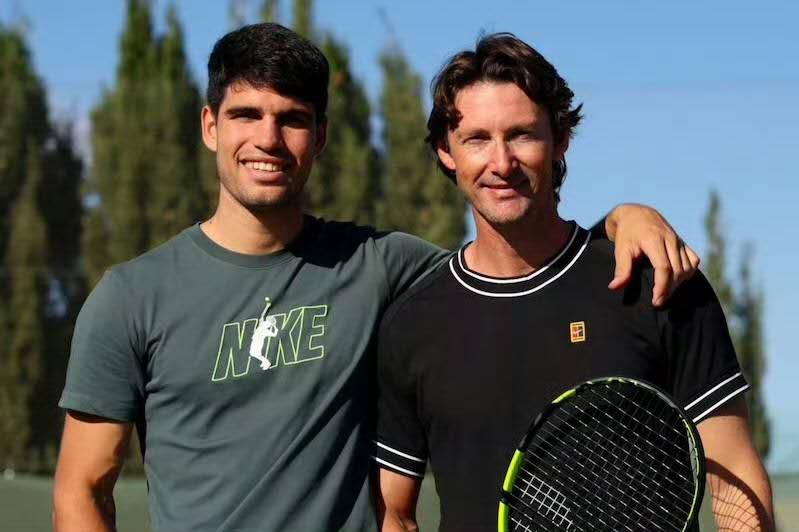
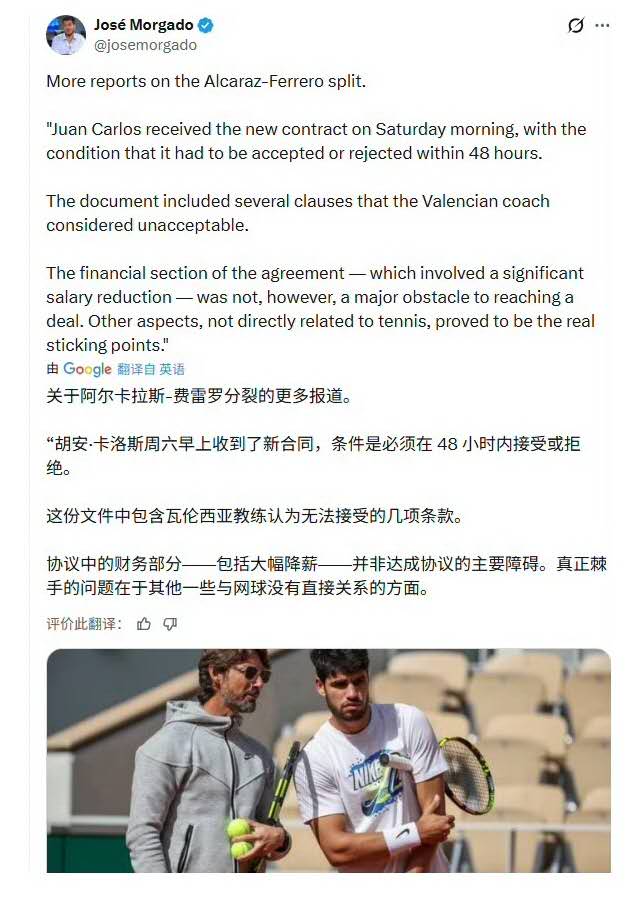
During the off-season, when Alcaraz’s team gave Ferrero 48 hours to consider signing a new contract, Ferrero hesitated and did not sign. The main disagreement was not about salary—there was still room for negotiation there. The real sticking point was the team’s insistence that Alcaraz would primarily train in his hometown Murcia to spend more time with family, rather than continuing at Ferrero’s academy.
This condition was unacceptable to Ferrero and became the key factor leading to the collapse of their mentor-student relationship. The tennis academy, which Ferrero had invested much effort in, relied on a top player like Alcaraz as its star attraction and training centerpiece.
It is clear that as Alcaraz rapidly rose to become one of the world’s top players, he also became the brightest star of Ferrero’s academy. Located in Villena, the tennis school gained fame through Alcaraz’s development and attracted young players from around the globe.
However, Alcaraz’s father, Hernando, was not content with his son’s fame merely benefiting others.

He quickly established the “Alcaraz Tennis Academy” in their hometown El Palmar, aiming to leverage his son’s worldwide recognition to promote their own business. These two academies are only 115 kilometers apart, creating a subtle rivalry within the Murcia region of southeastern Spain.
An anonymous tennis coach told the media: “This isn’t just about choosing a training location; it’s a competition over brand, influence, and future earnings. The name Alcaraz has become a commercial asset.”
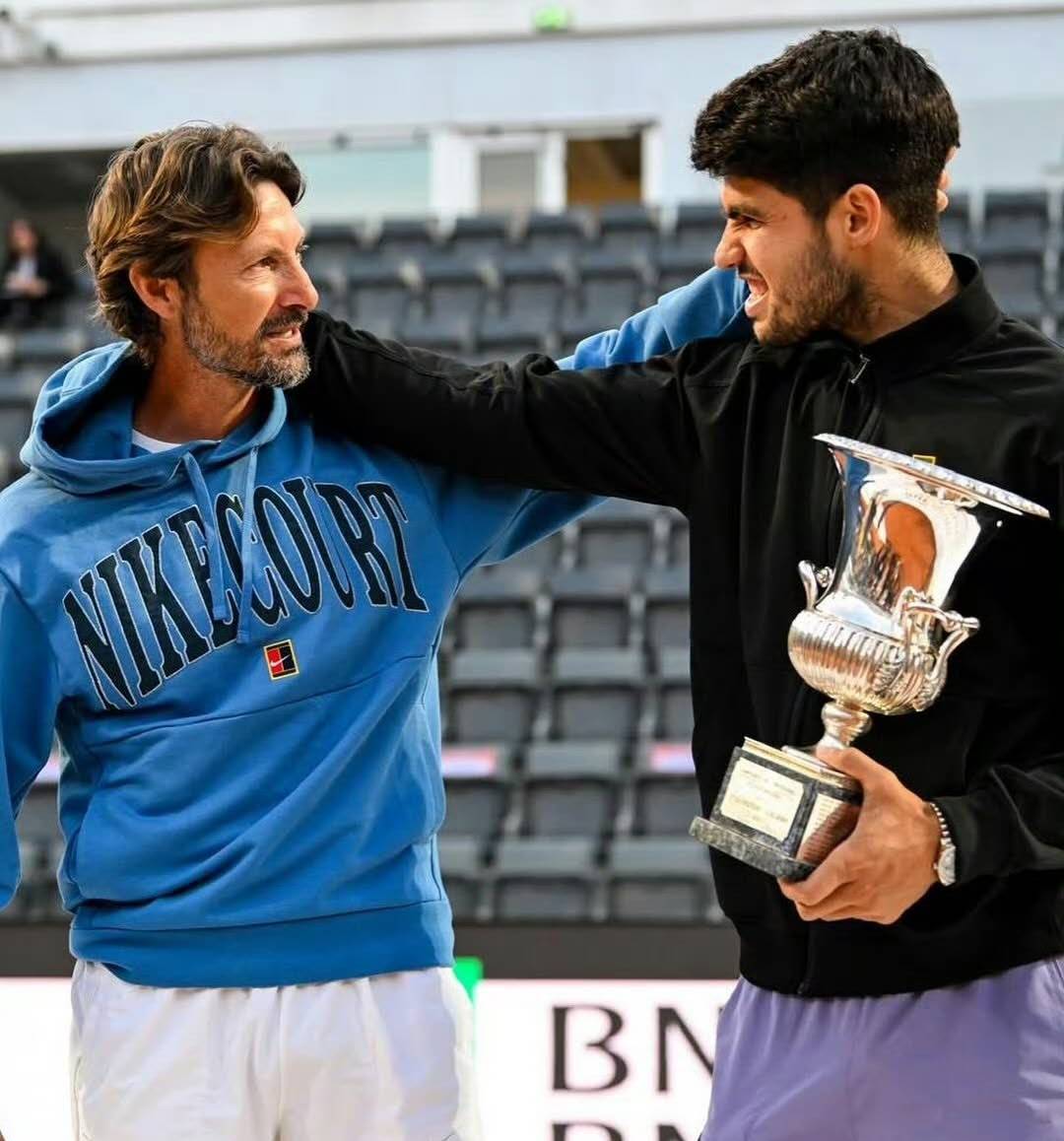
Tennis commentator María Sánchez analyzed: “In professional tennis, relationships between players and coaches often become complicated by family factors and business interests. Alcaraz is still very young, and his family plays a significant role in his career. Ferrero, as a former world No.1, has his own professional principles and commercial considerations. When their visions no longer align, separation becomes inevitable.”
Former pro and current TV commentator Alex Correa added: “This situation is common in tennis. When a player rises quickly, power and direction within the team often shift. The key is for Alcaraz to stay focused and not let these off-court issues affect his game.”
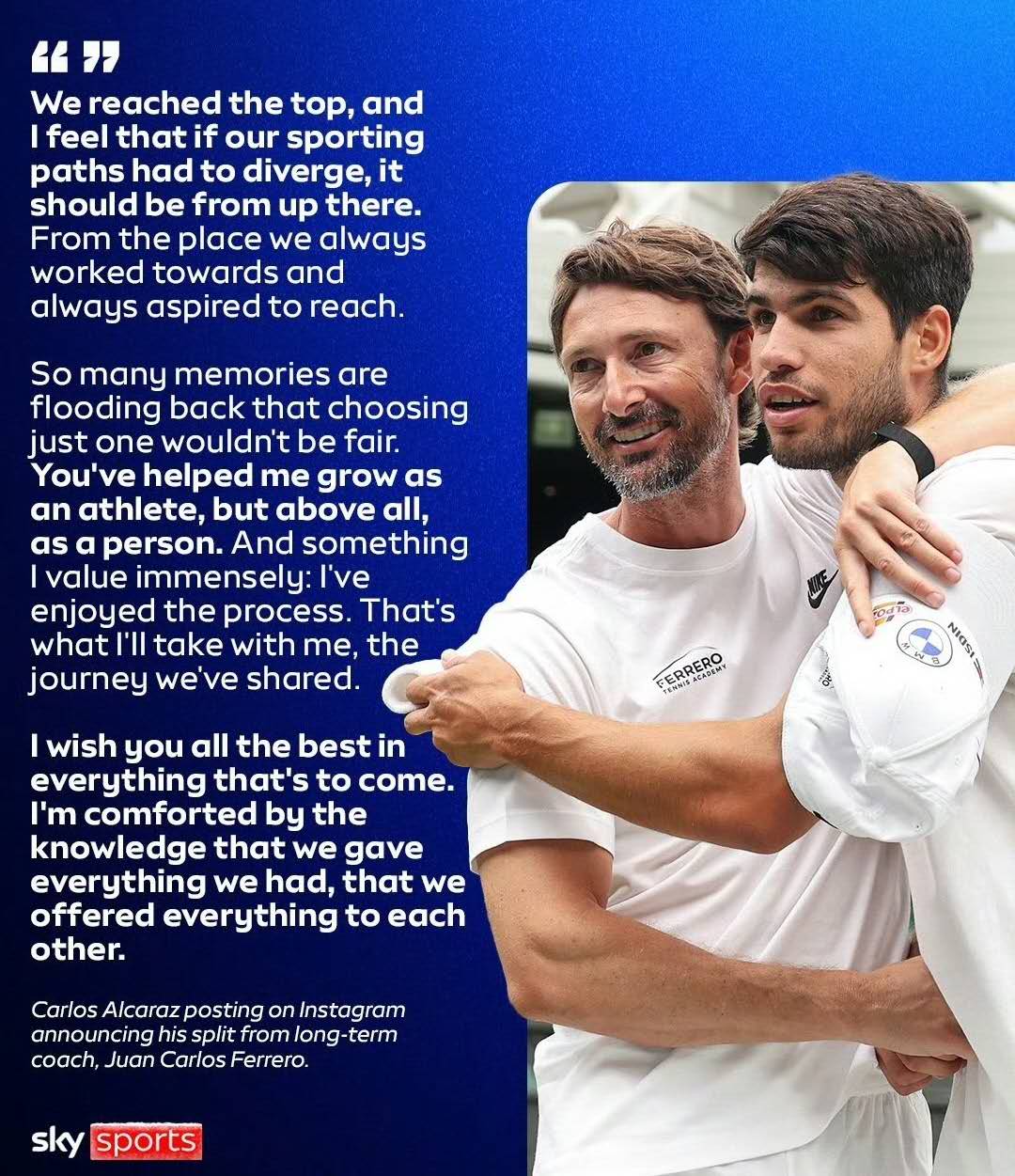
Ferrero began coaching Alcaraz in 2018 when the young Spaniard was just 15. Under his guidance, Alcaraz won the 2022 US Open, becoming the youngest male world No.1 in history. Despite this success, the escalating conflicts made their eventual split unsurprising. This also confirms earlier reports that the real reason for ending their cooperation was not tennis-related.
On social media, the news of Alcaraz and Ferrero’s split sparked widespread discussion.
A user named “TennisForever” wrote: “Family and business have interfered too much. Alcaraz needs someone focused on tennis, not someone exploiting his fame. Maybe the split is best for both.”
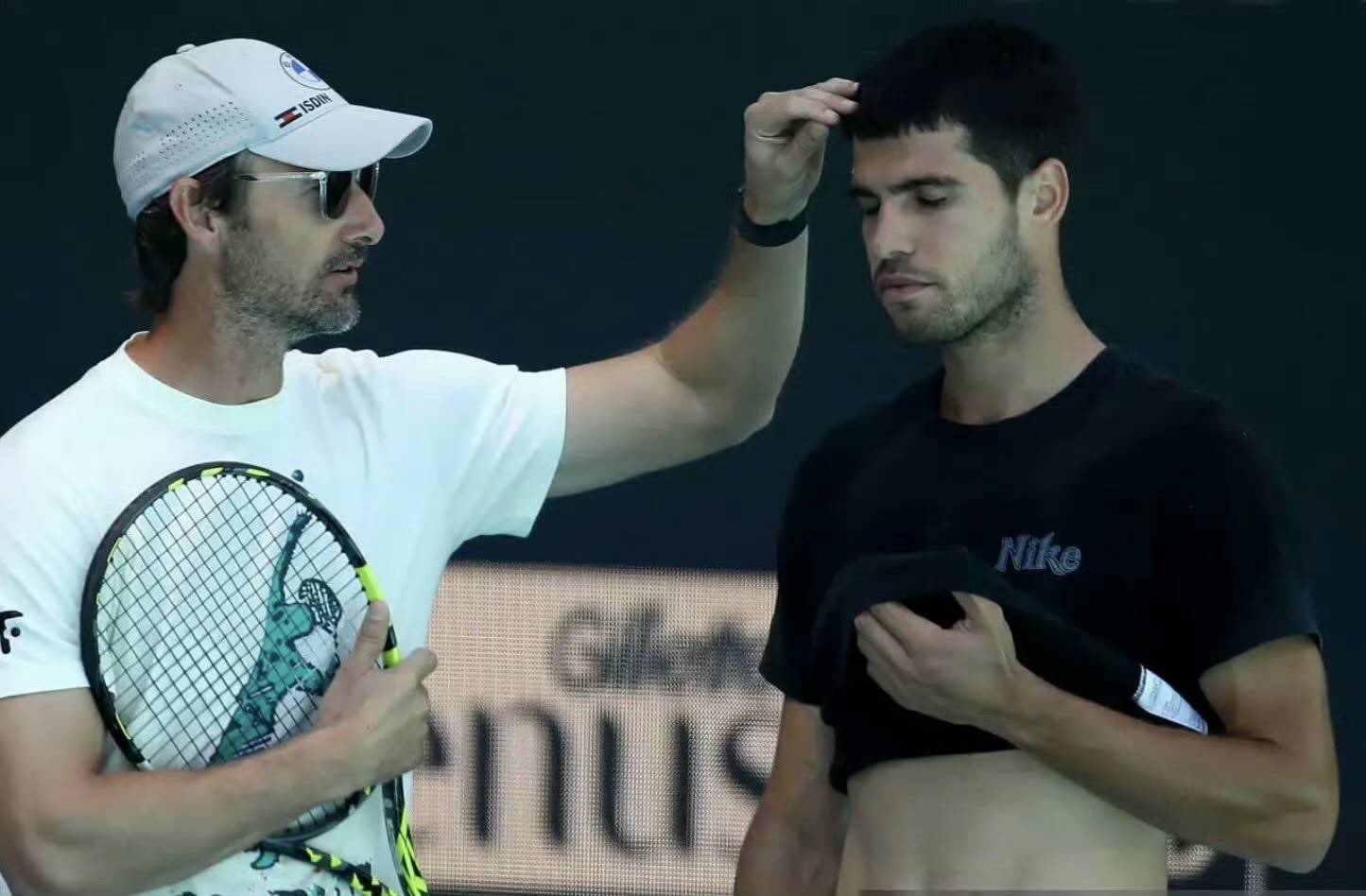
Another user, “RacketScience,” disagreed: “Ferrero developed Alcaraz from a talented kid into world No.1, and now they split over training location? This sounds more like the family wanting full control over Carlos’s career.”
“As a parent, I understand why Alcaraz’s father wants him to train at home. Pro sports put huge pressure on young athletes, and family support is crucial. But if that support turns into control, it might hinder the player’s growth,” commented another user.

Some users expressed understanding of the commercial rivalry: “Competition between the two academies is inevitable. Alcaraz’s name is a golden brand, and naturally his family wants to maximize its value. This is the business reality of modern sports.”
How Alcaraz will restructure his team after losing Ferrero’s guidance remains unclear. The 22-year-old Spanish prodigy is preparing for the new season and must prove himself on court. Will this decision affect his career path? It’s hard to say. In professional tennis, player-coach splits are like service breaks in a match—turning points that happen often but the game must go on.(Source: Tennis Home, Author: Lu Xiaotian)

 Links
Links
 Contact
Address:UNIT 1804 SOUTH BANK TOWER, 55 UPPER GROUND,LONDON ENGLAND SE1 9E
Number:+85259695367
E-mali:[email protected]
 App
App


