



Tony: Alcaraz wants to break free from Ferrero's control; I speak openly about Nadal because I receive no payment.


The tennis world was recently shaken by the news that Alcaraz and his veteran coach Ferrero have ended their partnership, drawing significant attention and conjecture.
Tony Nadal, who helped his nephew Rafael Nadal reach the pinnacle of tennis, analyzed the situation deeply after hearing the news, believing that despite the surprise, the outcome is reasonable.
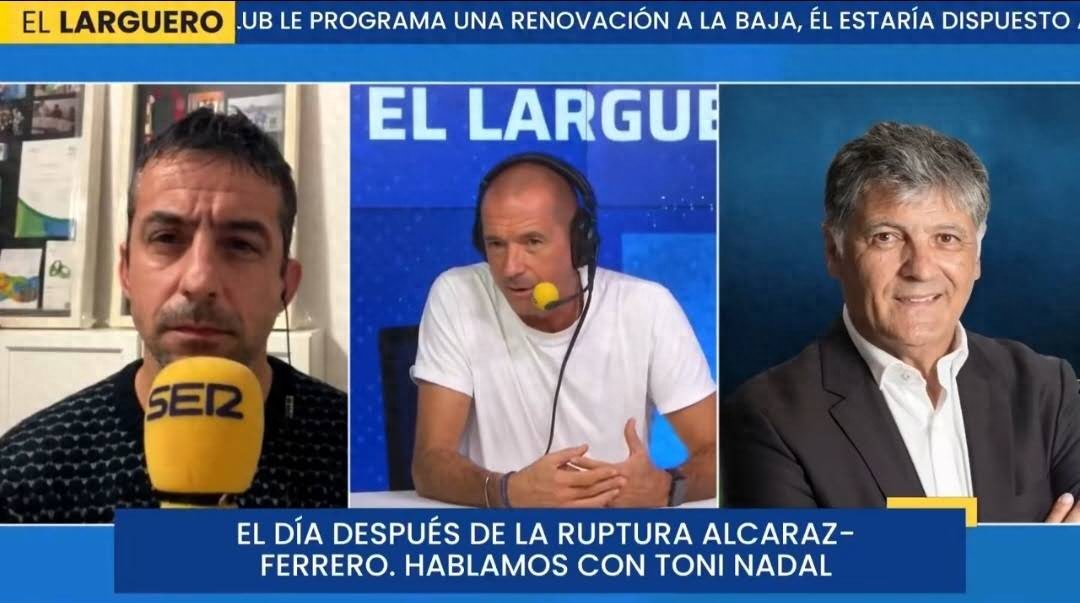
Tony Nadal expressed his regret over the matter: “Carlos ultimately achieved world number one and two Grand Slam titles, but I think this news caught everyone off guard.”
Drawing from his decades-long successful collaboration with Nadal, Tony analyzed the subtle shifts in player-coach relationships: “Initially, the relationship is simple: the player is still a child, so the coach naturally makes all the decisions. However, as the player matures, the desire for autonomy grows, and inevitably, the balance of power shifts.”
Tony speculated on the reasons behind the split: “In my view, it was Alcaraz who made this decision, because Ferrero publicly stated he wanted to continue coaching.”
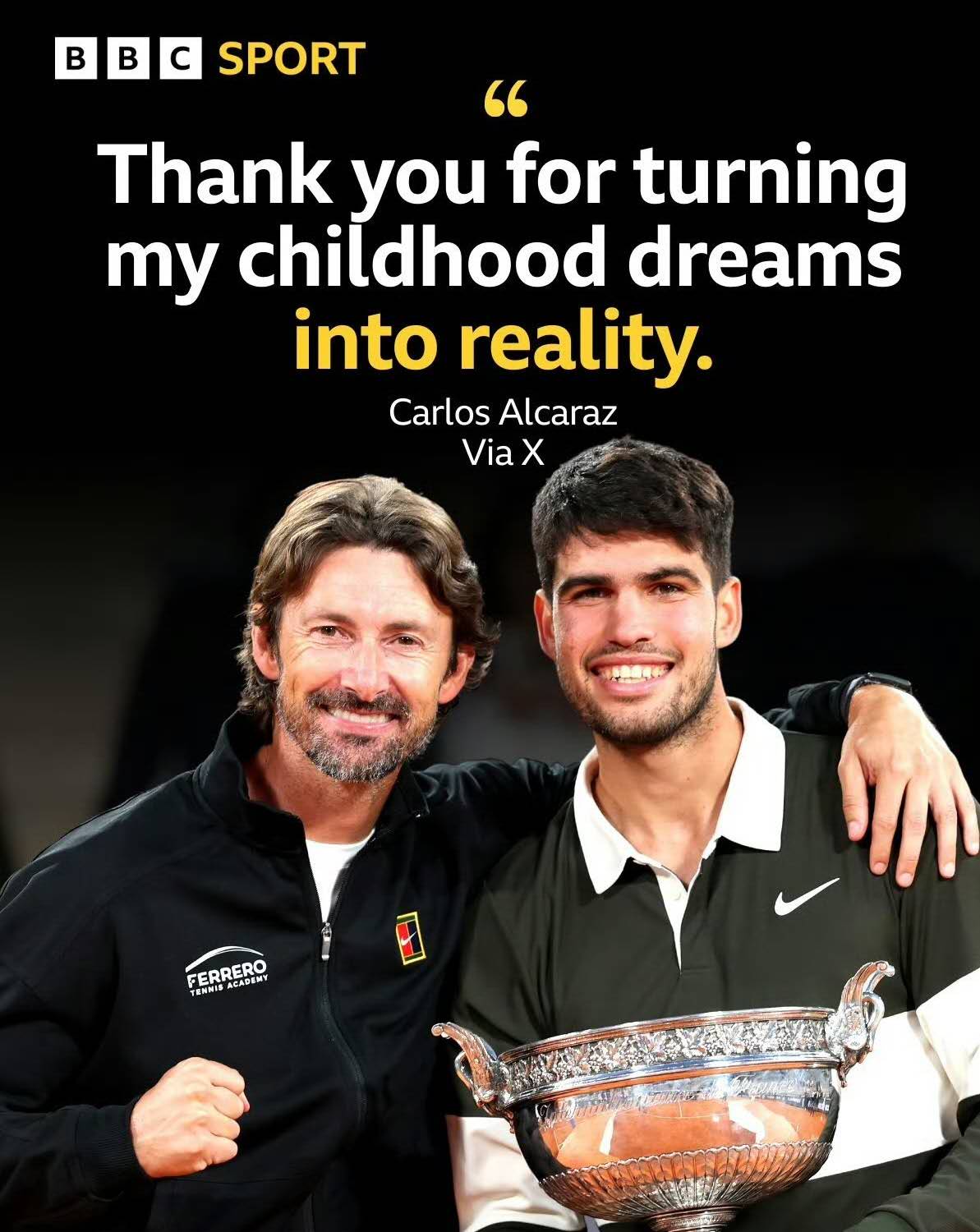
He added, “So I believe the reason is not related to tennis. I'm not sure if finances are involved, but I doubt it; it must be something outside of tennis.”
This perspective is widely accepted. Former pro and current tennis commentator Brad Gilbert said, “In coach-player relationships, sometimes the biggest challenge isn't technical or tactical, but the evolving interpersonal dynamics. As young players grow into stars, they naturally seek more control, often causing friction with the coaches who initially guided their success.”
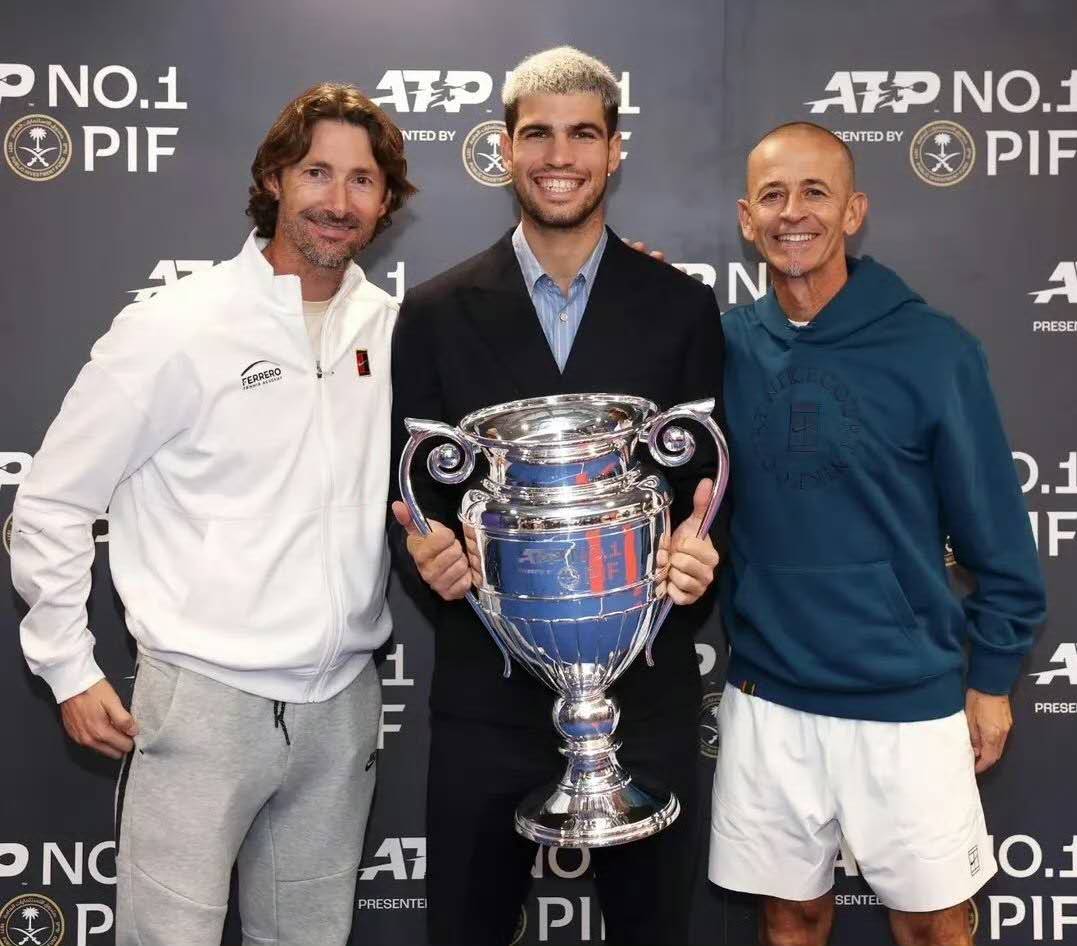
Tony Nadal candidly pointed out, “The player is the one paying, and usually, they pay to hear what they want.” This observation reveals a rarely discussed reality in professional tennis—that even the most successful partnerships can face challenges due to shifting power balances.
He used his own experience as an example: “When I was with Rafa, it was different—I never got paid, so I could speak freely. But with Aliassime, it’s a completely different situation. I stayed with Rafa so long because I was very cheap.”
He reflected, “Coaches are like parents; after a player turns 18, you can still give advice but cannot impose your will. No matter how great a coach is, you can't force an adult to comply. My attitude towards Rafa changed—when he was young, I was very strict, but as he grew up, I handed responsibility over to him. I demand a lot on court, but off the court, it’s his decision—I never forced him to do anything.”
Tennis psychologist Alex Walker analyzed: “Players like Alcaraz, who achieve great success early, often face conflicts between self-identity and dependency earlier than their peers.”
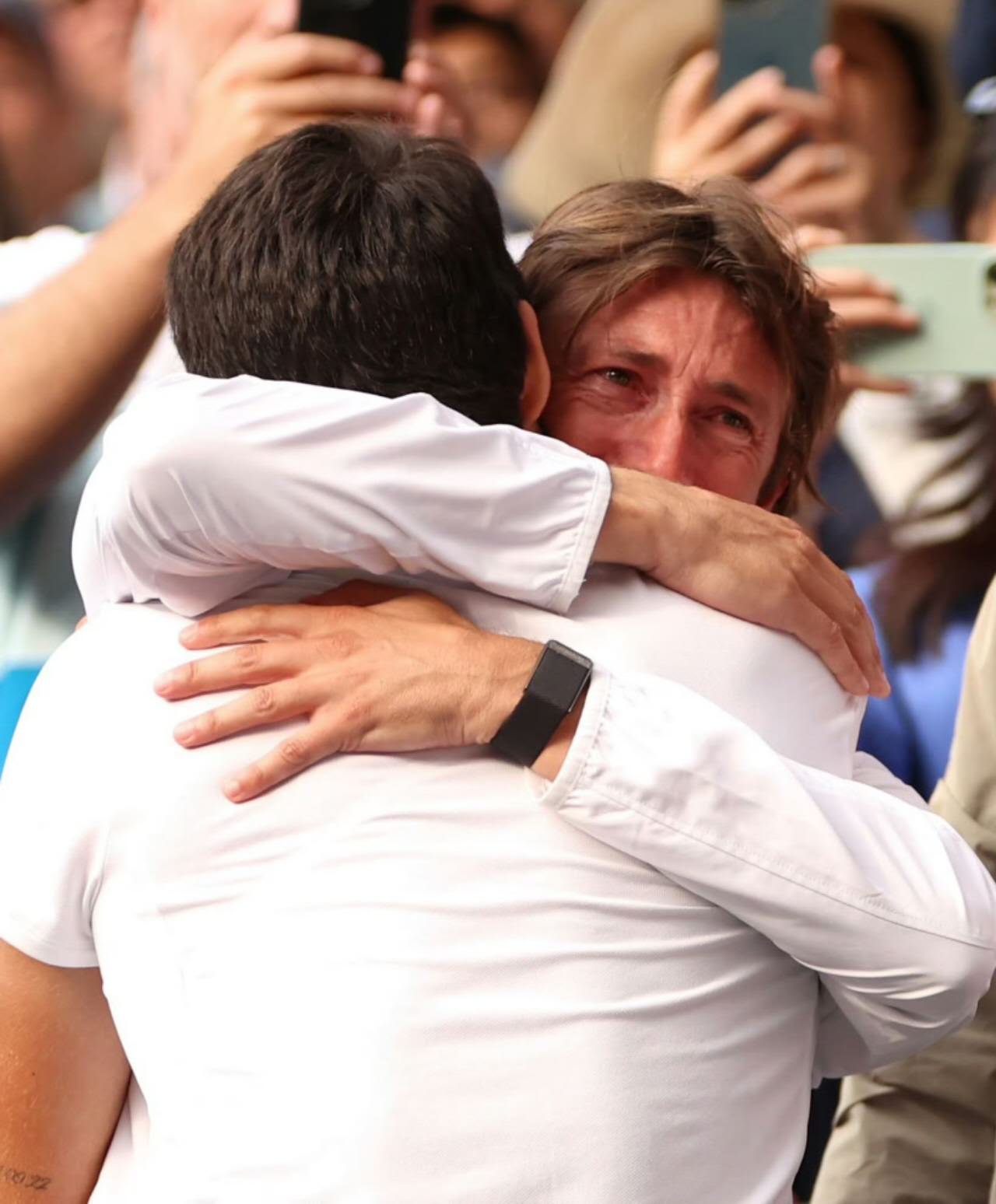
Although surprised by the split, Tony Nadal remains optimistic about Alcaraz’s future: “I don’t believe this will affect him much because Alcaraz is an outstanding player.”
At the same time, he expressed respect for Ferrero: “I really hope Ferrero stays his coach until the end of his career; he has given a lot to Alcaraz and done an excellent job.”
There have been many similar coach-player splits in tennis history, some turning out to be successful turning points, while others marked career challenges for the players.
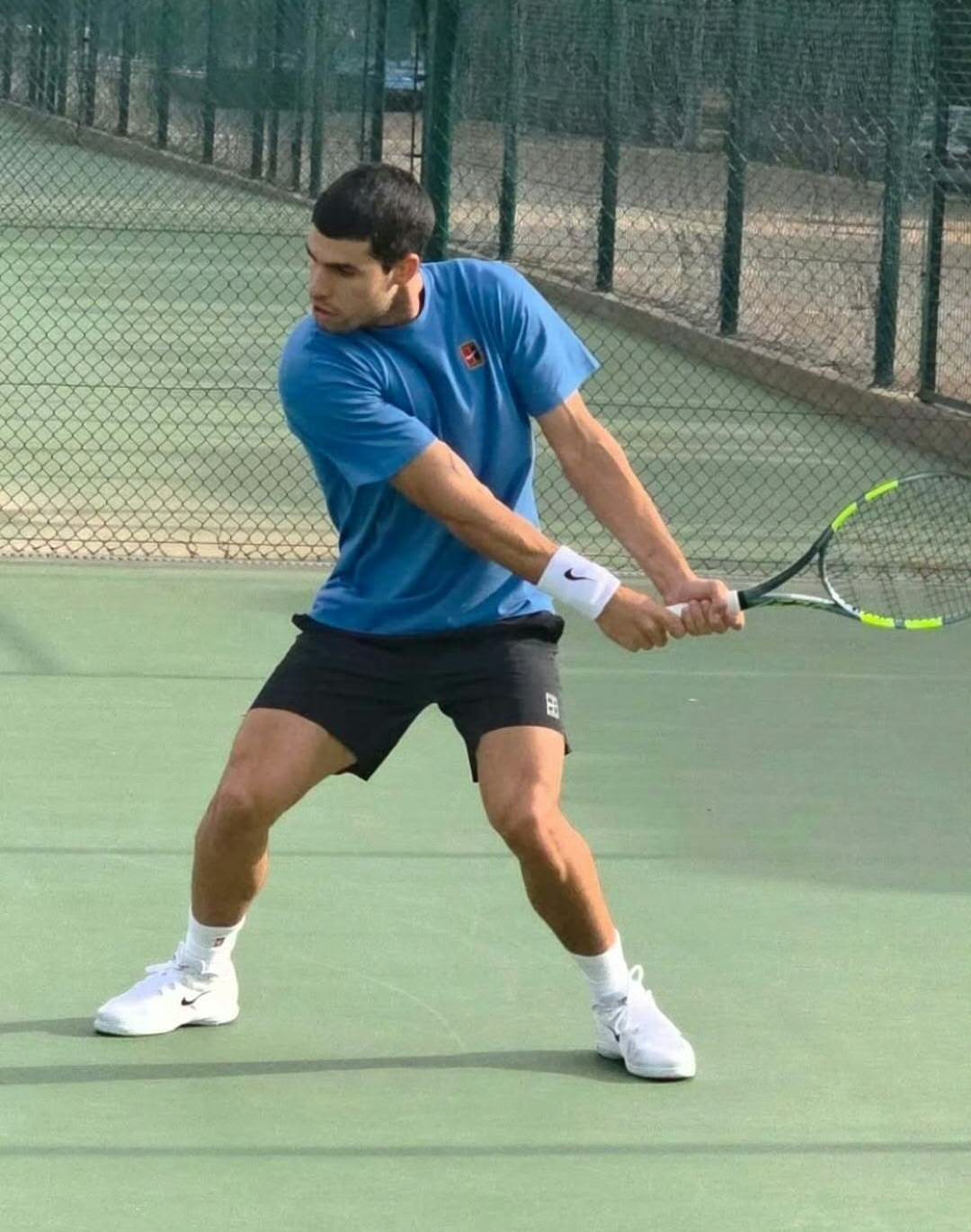
Former world No. 3 and current coach Ivan Ljubicic commented: “Sometimes, parting ways is part of growth. Roger Federer worked with different coaches at various stages, each contributing uniquely to his development.”
Former Wimbledon champion Pat Cash wrote on social media: “Ferrero was key to Alcaraz’s success, but it’s not unusual for young champions to seek new voices. The important thing is whether Alcaraz can find a coach who fits his next phase of growth.”
Spanish tennis journalist Luis Santos from Marca revealed: “From what I understand, this decision has been brewing for months. Alcaraz wants to try new training methods and tactical perspectives. This is not a rash move but a well-considered professional choice.”
Fans have engaged in lively discussions on social media. One seasoned fan wrote: “Ferrero transformed Alcaraz from a promising talent into world No. 1—his contribution is undeniable. But young champions need to keep evolving, and maybe a new coach can bring fresh breakthroughs.”
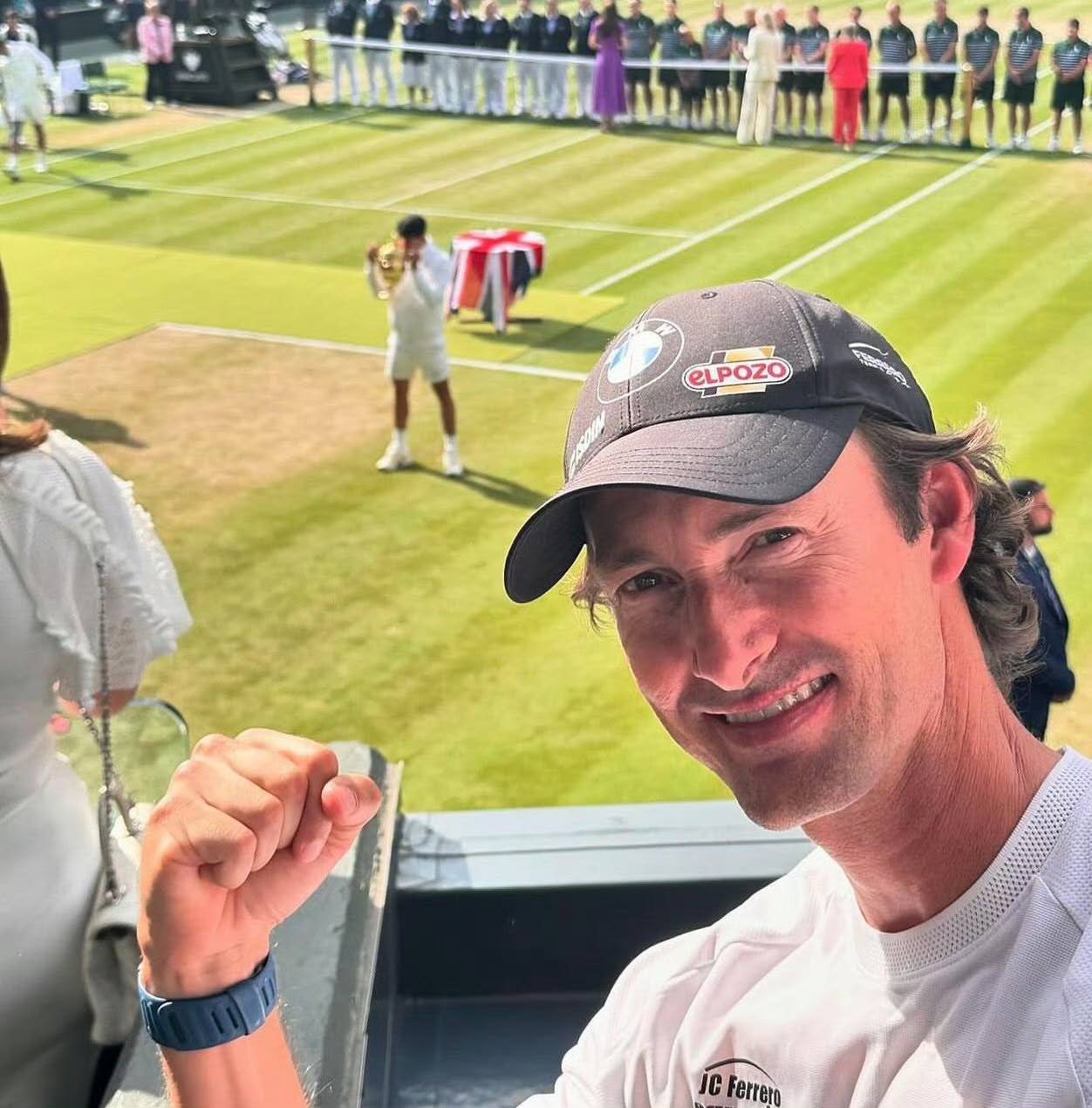
Another fan expressed concern: “Djokovic’s partnerships with Becker and Vajda were hugely successful, but switching coaches mid-career carries risks. Hopefully, Alcaraz won’t experience a prolonged slump like Zverev did after splitting with his coach.”
Additionally, the latest reports from Spanish media indicate that Alcaraz’s team is in talks with several potential coaching candidates, including renowned coaches who have guided multiple top players.
Tennis analyst Marie Carrillo noted: “The key in finding a new coach is someone who understands Alcaraz’s unique playing style and can help him refine it further. What he needs is not a reinvention but a fine-tuner.”(Source: Tennis Home, Author: Lu Xiaotian)

 Links
Links
 Contact
Address:UNIT 1804 SOUTH BANK TOWER, 55 UPPER GROUND,LONDON ENGLAND SE1 9E
Number:+85259695367
E-mali:[email protected]
 App
App


