



The Russian Tennis Federation revealed that Lebakina’s nationality remains Russian, while her sporting nationality is Kazakhstani.



Nationality in tennis is more than a badge on a shirt; it involves identity, chances, and occasionally disputes. During this break, with a wave of Russian-born players switching nationalities, one well-known player came back into focus—Lebakina. The 2022 Wimbledon champion has represented Kazakhstan for years, but recent remarks by Shamil Tarpischev, president of the Russian Tennis Federation, have reignited discussions many thought were settled.
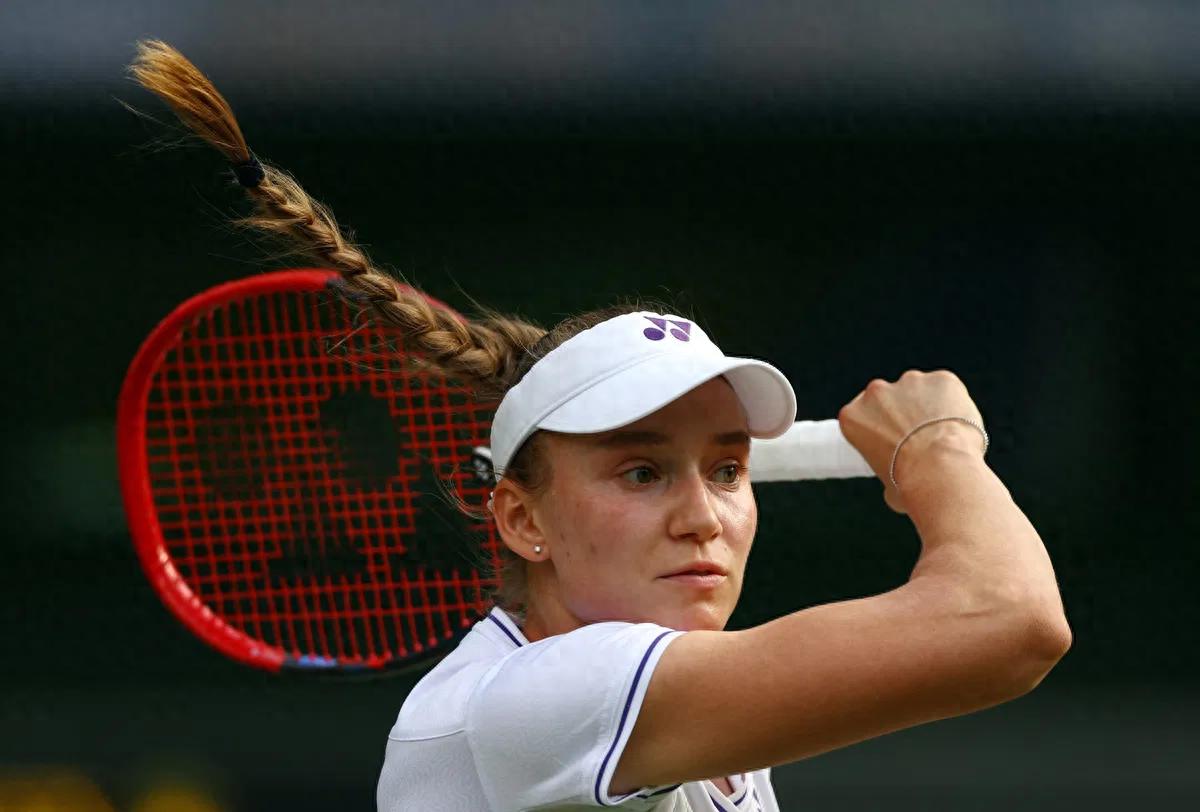
The issue began when Tarpischev commented on the growing number of players born in Russia who now compete under different flags. For example, Potapova switched to Austria; Rakhimova and Polina Kudermetova represent Uzbekistan; earlier, Kasatkina started competing as an Australian player, and Timofeeva also moved to Uzbekistan.
According to Tarpischev, these choices each have their "justifications"—some aim for better chances to qualify for the 2028 Los Angeles Olympics, others are influenced by financial reasons. However, the real controversy arose from his remarks about Lebakina: "She lives in Moscow and holds Russian nationality. Her sporting nationality is Kazakhstani, which was a decision made for her career."
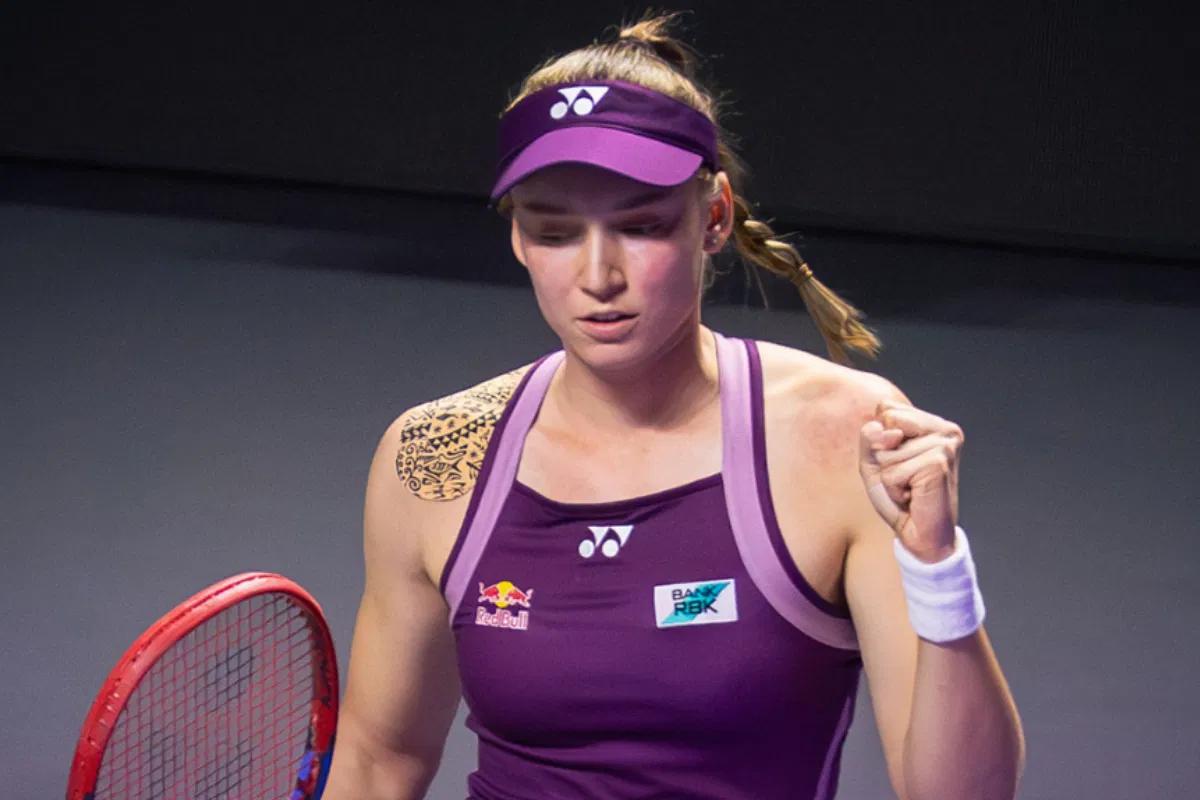
In response, the Kazakhstan Tennis Federation promptly and clearly stated: "The comments made by Shamil Tarpischev regarding Lebakina’s nationality are inaccurate. The 26-year-old player, born in Moscow, did represent Russia early in her career, but after obtaining a Kazakhstani passport in 2018, she has competed solely as a Kazakhstani athlete. Since then, she has become the country’s most successful tennis player—currently ranked fifth in the world and the 2022 Wimbledon champion."
To firmly counter the claims of a "convenient choice" or "sporting nationality," KTF further declared: "Lebakina does not reside in Moscow. She is a citizen of Kazakhstan, holds a Kazakhstani passport, and is registered in the capital, Astana. Elena herself has publicly confirmed this multiple times. The notions that she ‘holds Russian nationality’ or has a ‘sporting nationality’ are false—Kazakhstan does not recognize the concept of ‘sporting nationality.’ Since 2018, Lebakina has officially represented Kazakhstan in all international competitions and is a member of the national team."
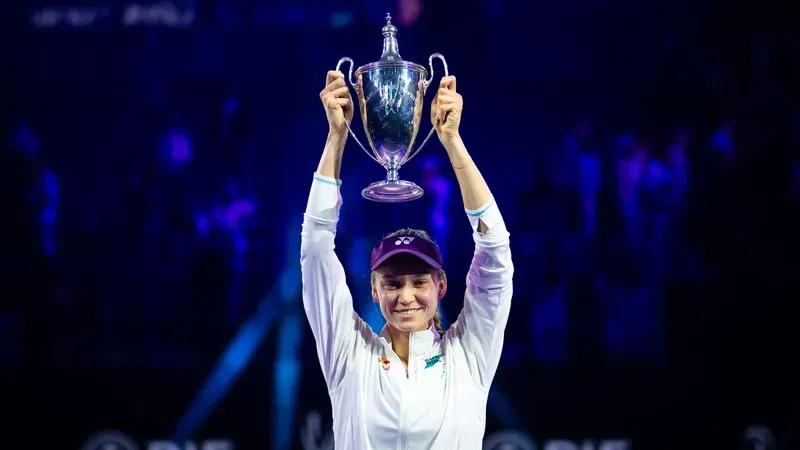
As for Lebakina herself, she continues to remain silent amid the controversy. However, her home federation’s stance is clear: her roots, passport, and professional identity firmly belong to Kazakhstan.
When Rakhimova changed nationality, Tarpischev made similar remarks: "This isn’t betrayal but a means to compete. She’s still Russian but changed her sporting nationality. These changes relate to the upcoming Olympics. She (Rakhimova) cannot enter our national team, but maybe she can join Uzbekistan’s. However, nothing is guaranteed. To qualify for the Olympics, a player must be ranked within the top 60 or 70 worldwide."
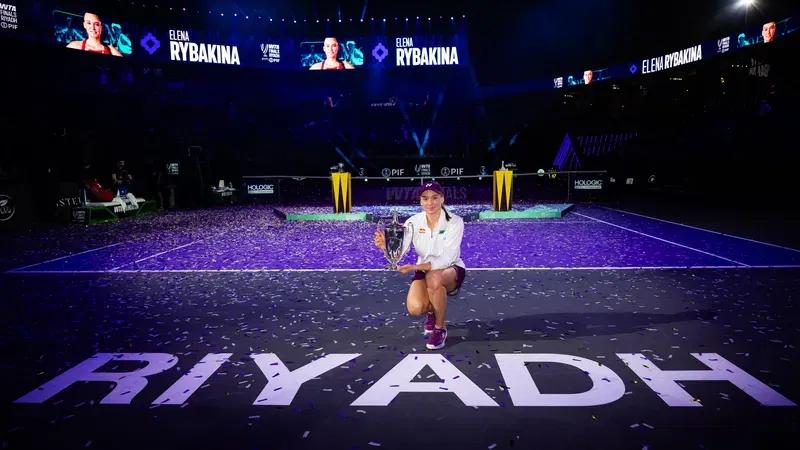
Thus, debates and controversies around these "nationality switches" have long stirred waves in the tennis world. Yet, amid off-court arguments, the most important perspective belongs to Lebakina herself. While associations issue statements and officials debate wording, her actions over the years speak louder than any press release. For her, representing Kazakhstan has never been a temporary or opportunistic choice but a "professional home" that supported and secured her career at its early stage. As the noise fades, attention shifts to a core question: what does Kazakhstan truly mean to Lebakina?
Lebakina has often mentioned that it was during a crucial phase of her career that Kazakhstan provided systematic support, stable resources, and space to grow without excessive pressure. Kazakhstan gave her a platform, and she delivered the country’s most iconic tennis moments. After reaching the Wimbledon final in 2022, she expressed how happy she was to represent Kazakhstan and emphasized their unwavering belief in her from the start.
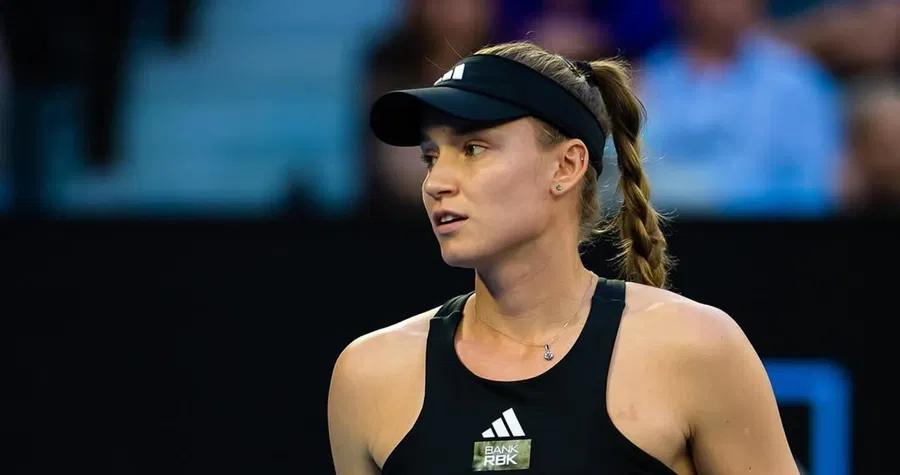
Later, after defeating Jabeur in the Wimbledon final and lifting the trophy, Lebakina reiterated her feelings for Kazakhstan: "Since I started representing Kazakhstan, I’ve been happy to continue playing and treat it as a true profession. No one knew what the future held then. So I’m really glad things turned out this way. I believe it was a very important decision for me. With the support of the Kazakhstan Tennis Federation and Chairman Bulat Utemuratov, I feel this is a victory we share."
Reflecting on her nationality change, she said the timing was perfect—Kazakhstan was looking for players, and she needed help. Lebakina believes they found each other at the right moment. Of course, this bold move faced criticism. For instance, two-time Grand Slam champion and Russian star Kuznetsova once said that Lebakina’s decision to play for Kazakhstan "deeply hurt all Russian fans."
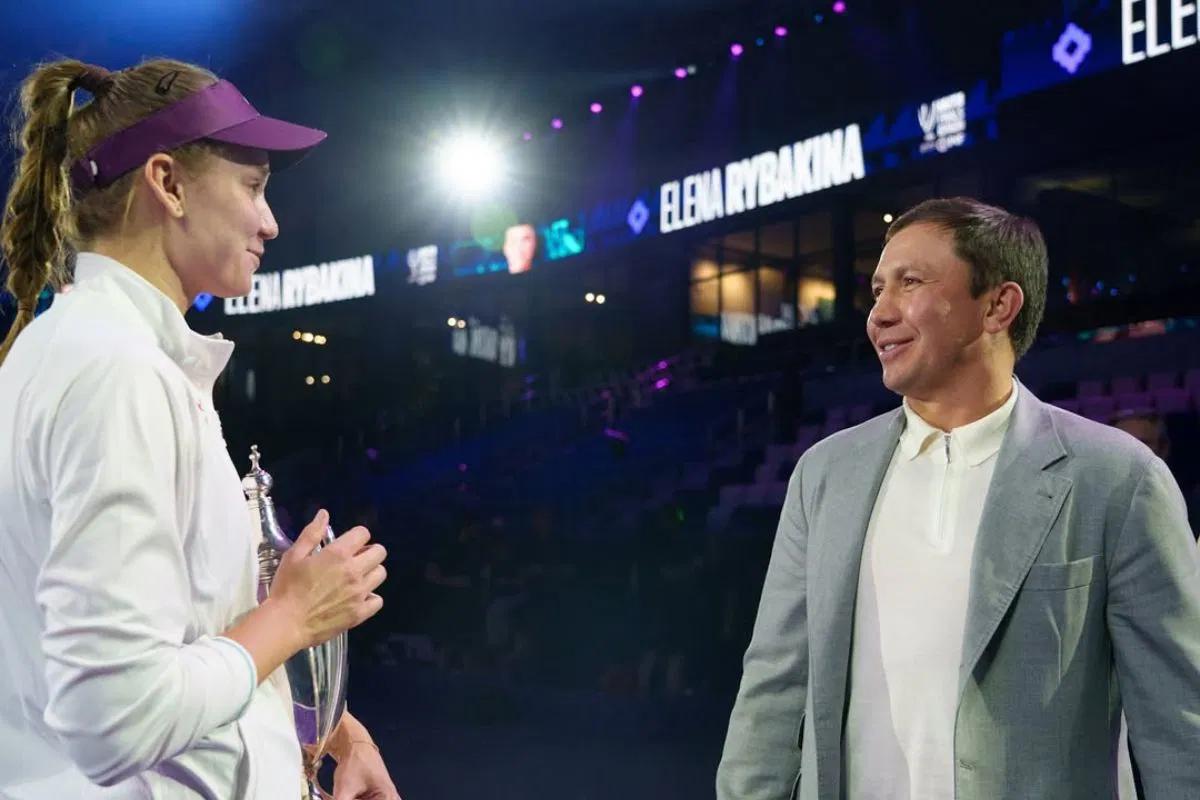
Earlier this year, on the "Tennis Insider Club" podcast, Lebakina was asked what representing Kazakhstan means to her. She admitted that tennis was not widespread there before, but her Wimbledon win partly changed that: "After winning Wimbledon, I remember everyone talking about this achievement. When I returned home, I saw many kids taking up tennis. Years later, the federation told me how many children really wanted to try tennis. It’s incredible. All year round, wherever you are, you see some Kazakhstani flags. That feeling is truly wonderful."
For Lebakina, playing for Kazakhstan is an honor, and the overwhelming support makes her feel incredibly fortunate. So, how do you view the growing trend of "nationality changes" in tennis?(Source: Tennis Home, Author: Huohua)

 Links
Links
 Contact
Address:UNIT 1804 SOUTH BANK TOWER, 55 UPPER GROUND,LONDON ENGLAND SE1 9E
Number:+85259695367
E-mali:[email protected]
 App
App


