



Kyrgios Responds to the Upcoming Gender Battle with Sabalenka



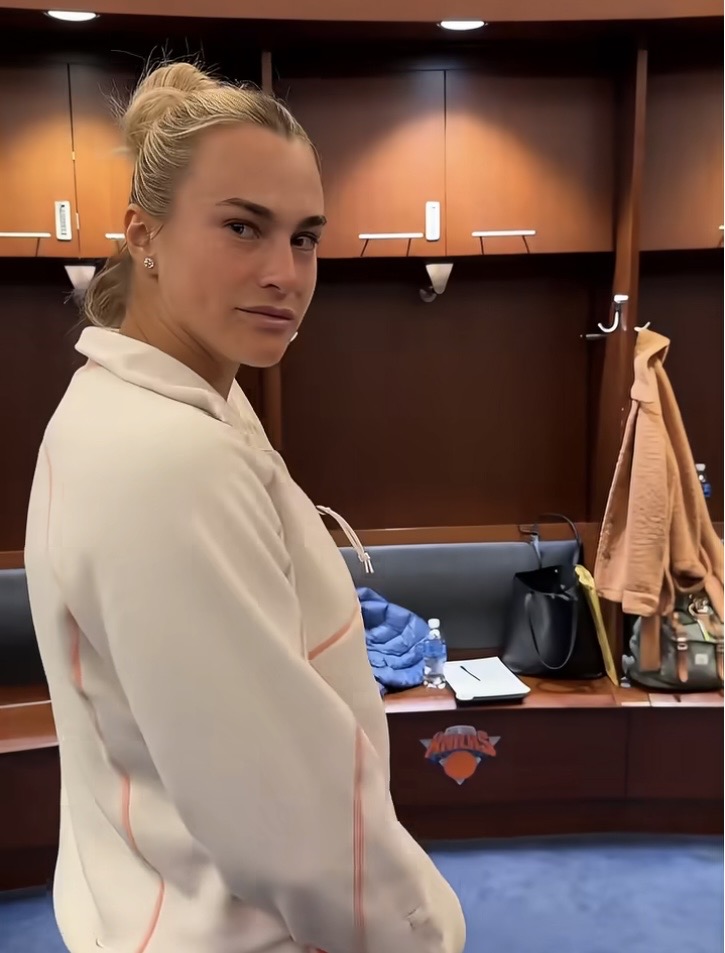
Sabalenka and Kyrgios will compete in a gender battle later this month, and although the contest hasn’t started, public debate has already ignited. Kyrgios’s social media reply was full of intensity: “Negative remarks only increase its visibility... We’re simply two regular people, close friends, aiming to deliver an exciting performance.” This statement reflects a multifaceted dialogue crossing decades involving gender, athletics, and theatricality.

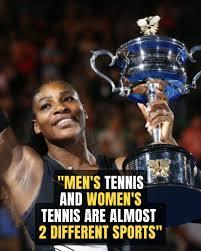
Years ago, Serena Williams’s candid remark on a late-night talk show still resonates: “Andy Murray could beat me 6-0, 6-0 in ten minutes... Men’s tennis and women’s tennis are two different sports.” This blunt truth highlights a long-standing consensus in tennis — physiological differences create significant performance gaps. But does this mean gender battles are meaningless? Perhaps it calls for a fresh perspective.
Looking back, gender battles have never been just about winning or losing. In 1973, Billie Jean King’s match against Bobby Riggs drew 90 million viewers worldwide, transcending tennis to become a landmark for the women’s rights movement. King’s victory was not only a sports triumph but a powerful symbol of the possibility of gender equality. Half a century later, although Sabalenka and Kyrgios’s match lacks the political weight of that era, it raises new questions in today’s context: how should we view such contests in an age emphasizing gender equality?

Kyrgios’s statement reveals a subtle shift: “We’re just two ordinary people, good friends, wanting to put on a great show for everyone.” This may point to a postmodern view of sports, where competition is not solely about athletic rivalry but also performance, communication, and boundary-breaking attempts. In today’s increasingly professional, commercial, and elite tennis environment, such exhibition matches might actually bring the sport closer to everyday fans.

Intriguingly, the controversy sparked by this gender battle reflects underlying tensions within tennis. On one hand, female players have long fought for equal pay and recognition; on the other hand, highlighting gender differences inevitably triggers debates about fairness. Sabalenka, a leading figure in women’s tennis, facing Kyrgios, a player known for both talent and controversy, breaks traditional tennis event molds by itself.
Tennis stands at a crossroads. In Grand Slam tournaments, women’s finals often occur before men’s, and disparities exist in the value of TV broadcast rights — structural issues far more complex than an exhibition match. Yet perhaps it is precisely these seemingly lighthearted games that can address serious topics more accessibly. When fans applaud an exciting rally, they are witnessing not a man versus a woman, but a display of skill by two top athletes.

Kyrgios said, “Let more people focus on tennis, not all the nonsense.” This might capture the new significance of the gender battle today. In an era of fragmented social media attention and sports entertainment, any tennis event that sparks broad discussion holds value. This match may not prove who is stronger but can showcase tennis’s appeal, the joy of competition, and friendship that crosses boundaries.
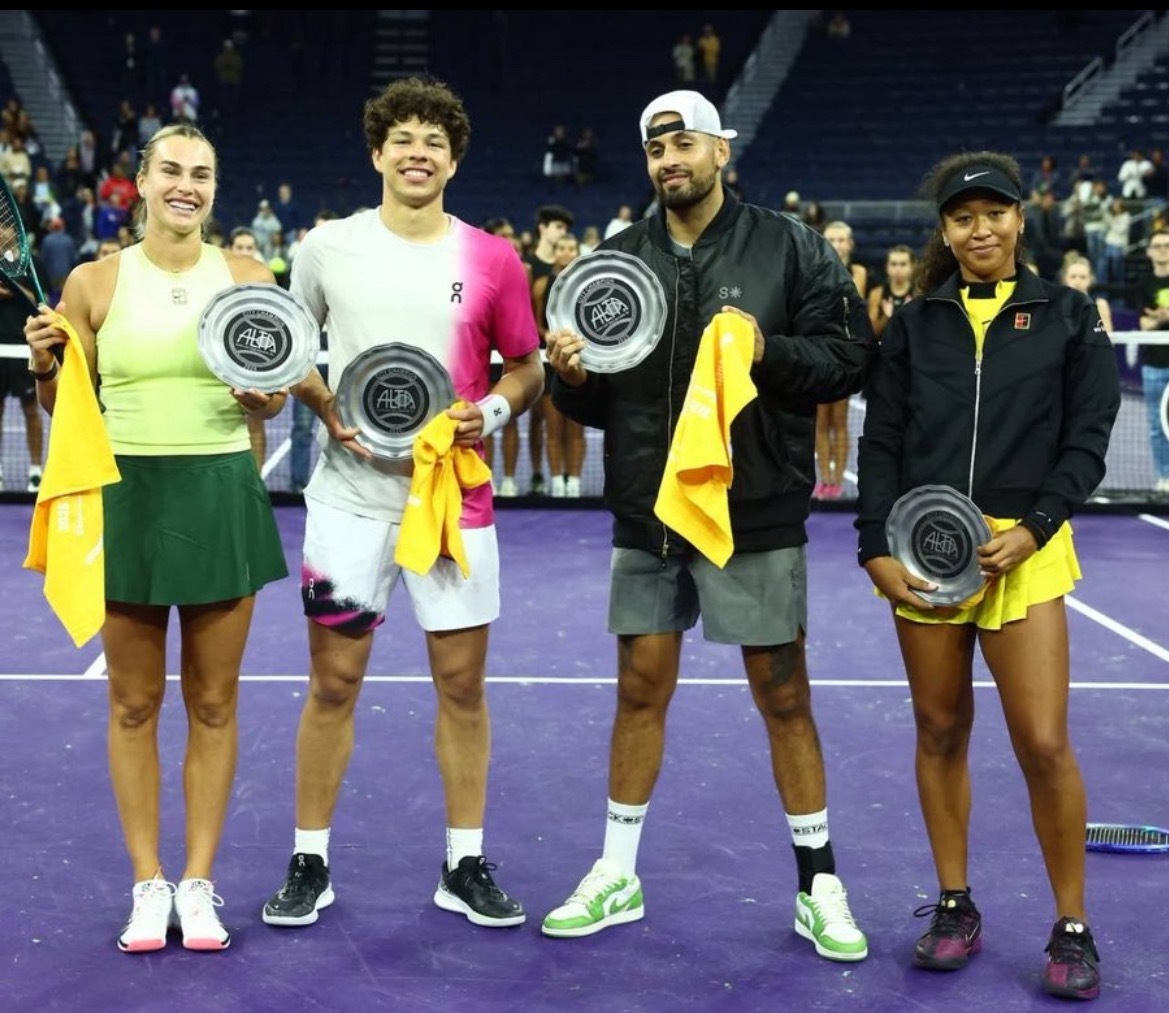
Ultimately, the match between Sabalenka and Kyrgios will conclude like any sporting event — with a score. But its meaning may lie more in the journey than the outcome, in how these two stylistically distinct athletes interact, in the audience’s reaction, and in whether we can move beyond simple binaries to see sport as a unifying human language.
This match reminds us that sport’s significance goes beyond winning or losing. Beneath the surface of gender, strength, and skill lies respect, understanding, and appreciation between people. When Sabalenka and Kyrgios step onto the court, they are not just female and male players, but two tennis adventurers challenging norms and embracing uncertainty. In this sense, regardless of the score, tennis has already won. (Source: Tennis Home Author: Mei)

 Links
Links
 Contact
Address:UNIT 1804 SOUTH BANK TOWER, 55 UPPER GROUND,LONDON ENGLAND SE1 9E
Number:+85259695367
E-mali:[email protected]
 App
App


