



Hewitt calls for abolishing medical timeouts: Too many coincidences! It's hard not to question their motives.



Australian tennis great Hewitt recently expressed bluntly in an official Australian Open interview that the medical timeout rule in tennis should be abolished.
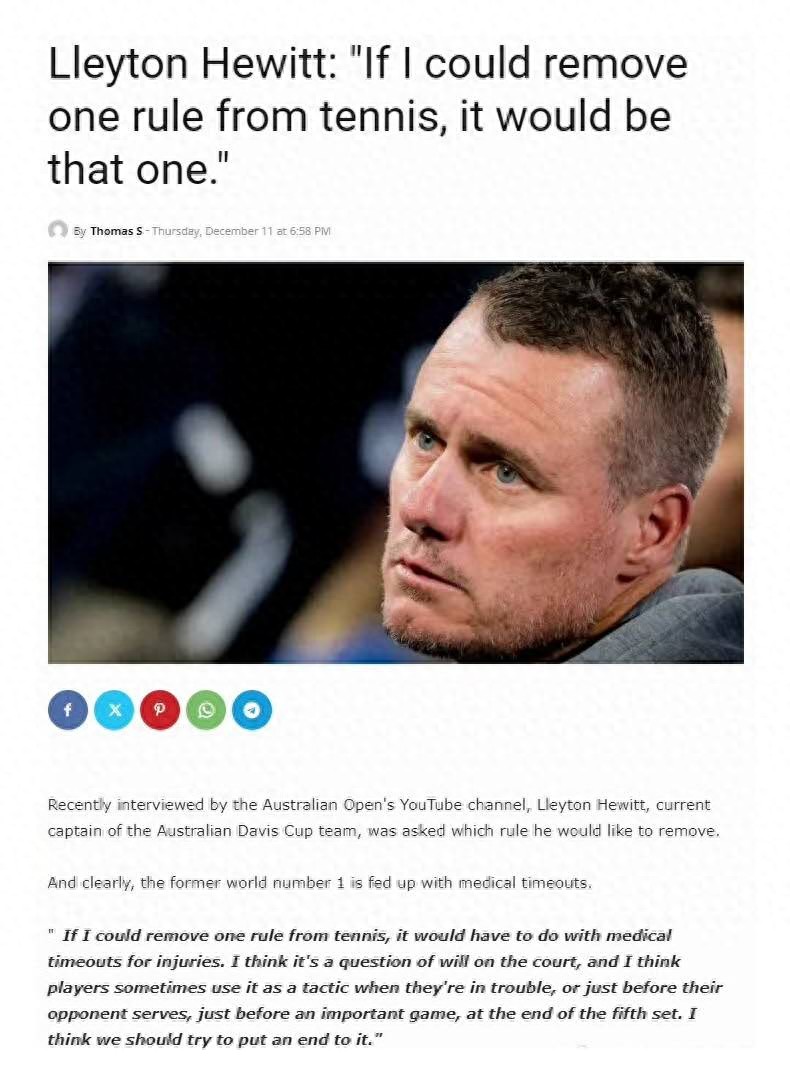
According to Hewitt, the medical timeout rule has become the biggest potential abuse point in matches. He specifically noted that players often request timeouts “when they are struggling, before the opponent’s serve, at the start of crucial games, or near the end of the fifth set,” and such timing coincidences make it difficult not to doubt their intentions.
“It’s about the player’s willpower on the court,” Hewitt emphasized. Known for his “never give up” spirit, the Australian star rarely retired due to injury during his career, reflecting traditional tennis values.
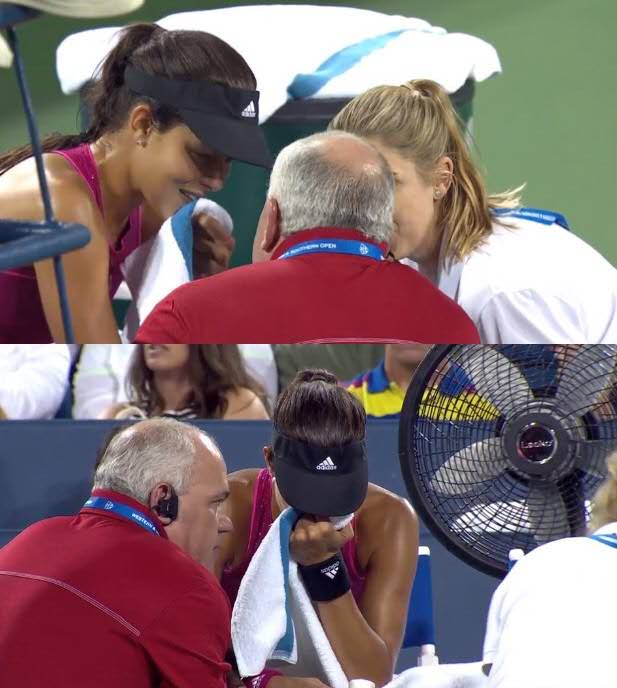
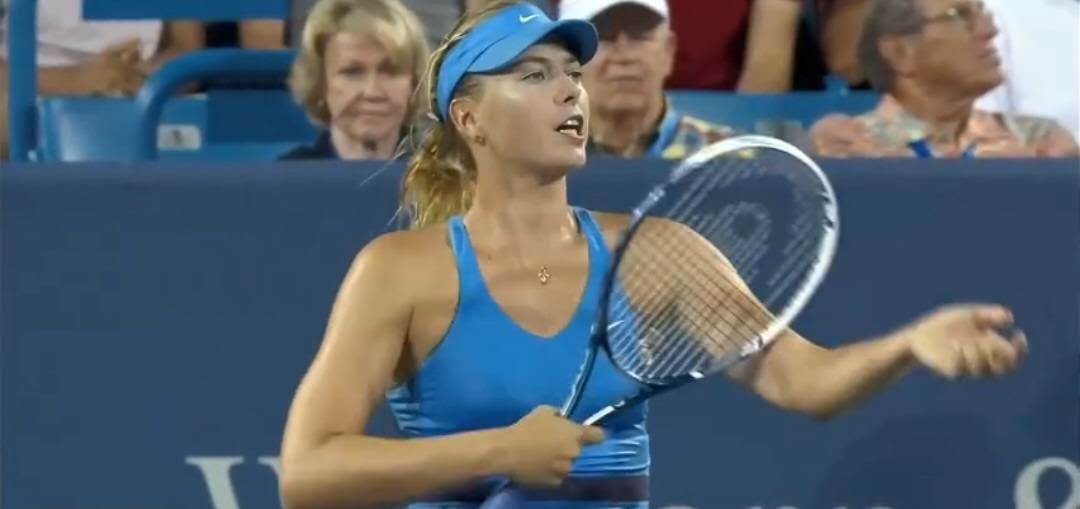
Medical timeouts have sparked numerous controversies throughout tennis history. In the 2012 Cincinnati semifinal, Ivanovic took a medical timeout citing “feeling nauseous,” which disrupted her opponent Sharapova’s rhythm, prompting Sharapova to angrily shout at the umpire, “Go check her blood pressure.”
Earlier, at the 2009 Shanghai Masters, Safin, while leading, was overturned by Berdych and afterward refused to shake hands, accusing his opponent of being “not man enough,” implying an abuse of the medical timeout rule. The Russian “Tsar’s” blunt criticism revealed the potential use of medical timeouts as psychological tactics.
In professional tennis, some players are known for skillfully timing their medical timeouts, with Djokovic and Pierce often criticized for this.
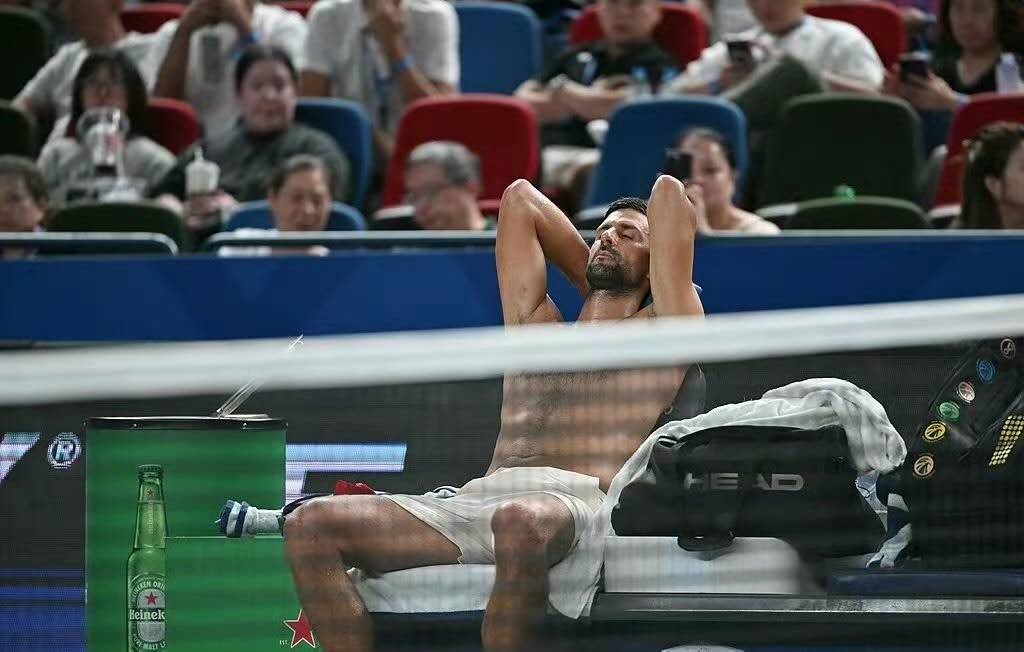
During the 2016 US Open final, the Serbian star requested a medical timeout while trailing 1-3 in the fourth set, which sparked strong dissatisfaction and protests from his opponent Wawrinka.
In the 2005 Australian Open final, Hewitt and Safin repeatedly used “tactical” medical timeouts, prompting ITF Medical Committee members to propose rule changes.
These controversies highlight the grey area in current rules, blurring the line between genuine injuries and tactical pauses.
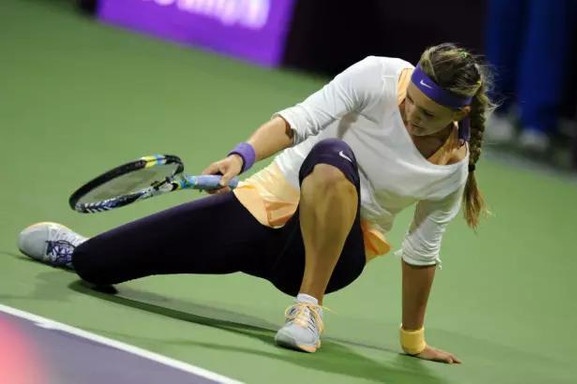
In response to increasing disputes, tennis governing bodies have taken action. The ITF introduced new regulations in 2009 to clearly distinguish between emergency and non-emergency treatments.
The new rules state that unless confirmed urgent by the tournament doctor, medical timeouts can only occur during changeovers or set breaks, and cramping is no longer an immediate valid reason for a medical timeout. Additionally, the ATP plans to curb “tactical medical timeouts” by requiring cramping players to continue until match end or retire. These reforms reflect efforts to balance player health with fair play.
However, opinions on medical timeout rules in tennis have never been unanimous. American legend McEnroe once questioned, “Do you have to fake an injury during matches? Can you just say I’m a bit tired and get a leg massage?” He sharply pointed out, “The timing of these timeouts is rarely coincidental,” implying some players exploit the rules for unfair advantage.
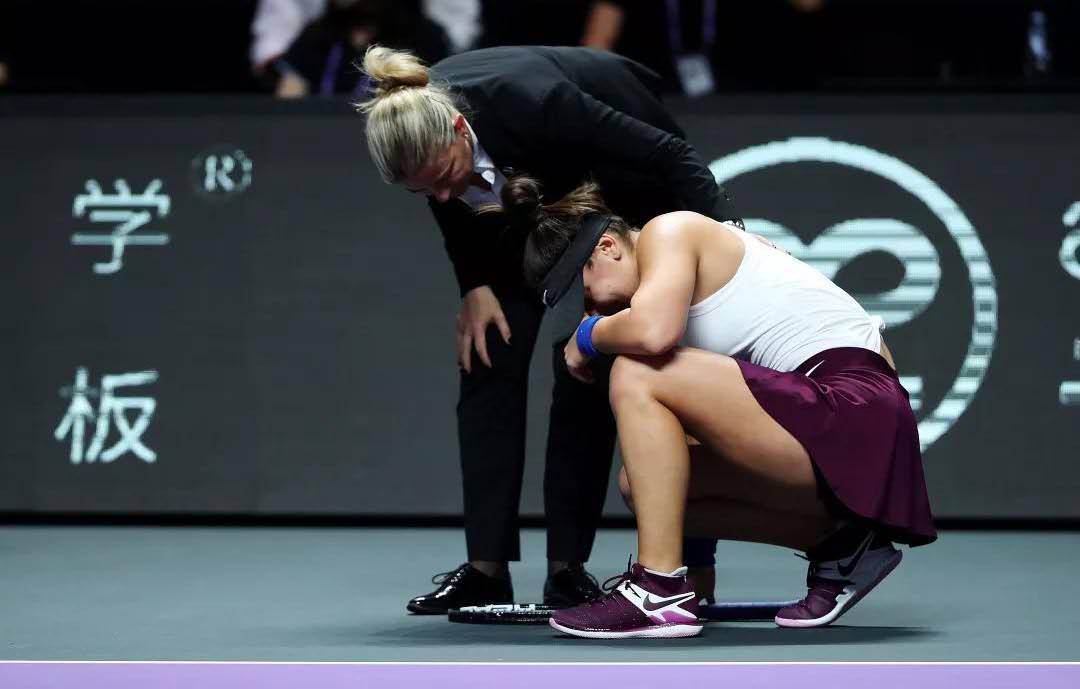
Others argue that completely abolishing medical timeouts might be unfair to genuinely injured players. Sharapova once suggested a compromise: charging players a fee for medical timeouts to differentiate real injuries from feigned ones.
On social media, Hewitt’s remarks sparked heated debate. One user commented, “I have witnessed too many cases where players miraculously recover after medical timeouts; it’s no coincidence.”
Another user countered, “As a former pro, I know the pain real injuries cause; we shouldn’t deny all players necessary medical support just because a few abuse the system.”
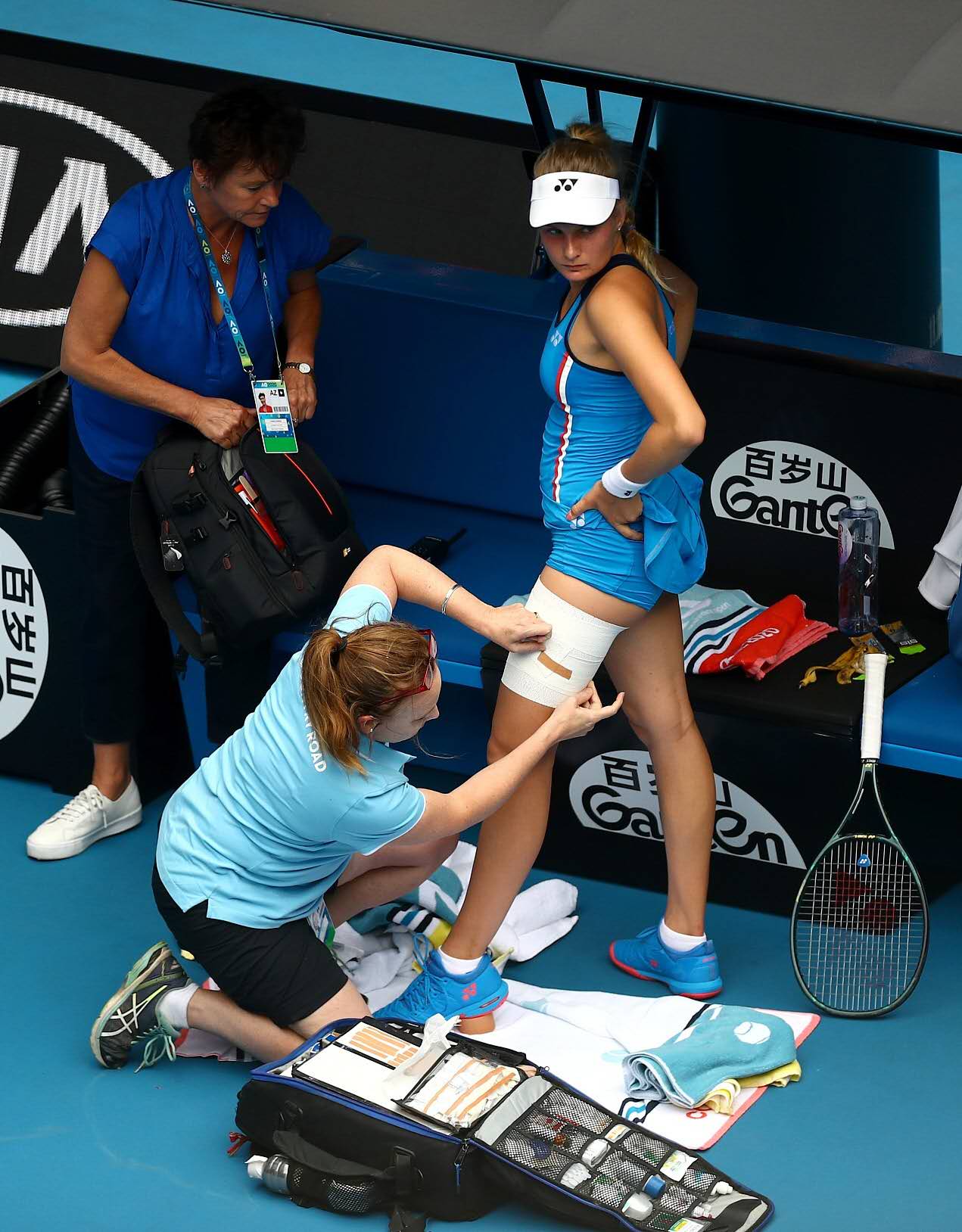
Some suggested, “Why not set a fixed number of timeouts like basketball, giving both sides equal chances to adjust, instead of the current one-sided, suspiciously timed pauses?”
The essence of sportsmanship is fair competition. When medical timeouts become part of match tactics, the legitimacy of this rule itself deserves reconsideration. McEnroe’s criticism also holds weight: “In a tennis player’s body, if you push hard enough anywhere, injury will happen.” This is something worth reflecting on deeply.(Source: Tennis Home, Author: Lu Xiaotian)

 Links
Links
 Contact
Address:UNIT 1804 SOUTH BANK TOWER, 55 UPPER GROUND,LONDON ENGLAND SE1 9E
Number:+85259695367
E-mali:[email protected]
 App
App


