



Tennis: A Spectacle of Elites and the Struggles at the Base


Professional tennis is often seen as a glamorous sport, where top stars hold lucrative sponsorship deals and compete for multi-million dollar prizes on the world’s most prestigious courts. However, behind this shining spotlight, an unseen truth is quietly eroding the sport’s core: the widening financial gap leaves the majority of players struggling to cover basic living costs. Recently, comments from American tennis star Keese have stirred significant attention, bringing this long-overlooked issue into the limelight.
“Entering this field, persisting, and covering all expenses is extremely challenging.” Keese’s candid statement reveals a harsh truth: tennis is an expensive sport.

From childhood, developing a professional tennis player requires huge investment. Professional coaching, court rentals, equipment upgrades, fitness training, nutritionists, physiotherapists, and travel expenses for global competitions all add up to substantial costs. Statistics show that before breaking into the professional rankings, a young player’s family often spends between $50,000 and $100,000 annually, a heavy burden for most households.
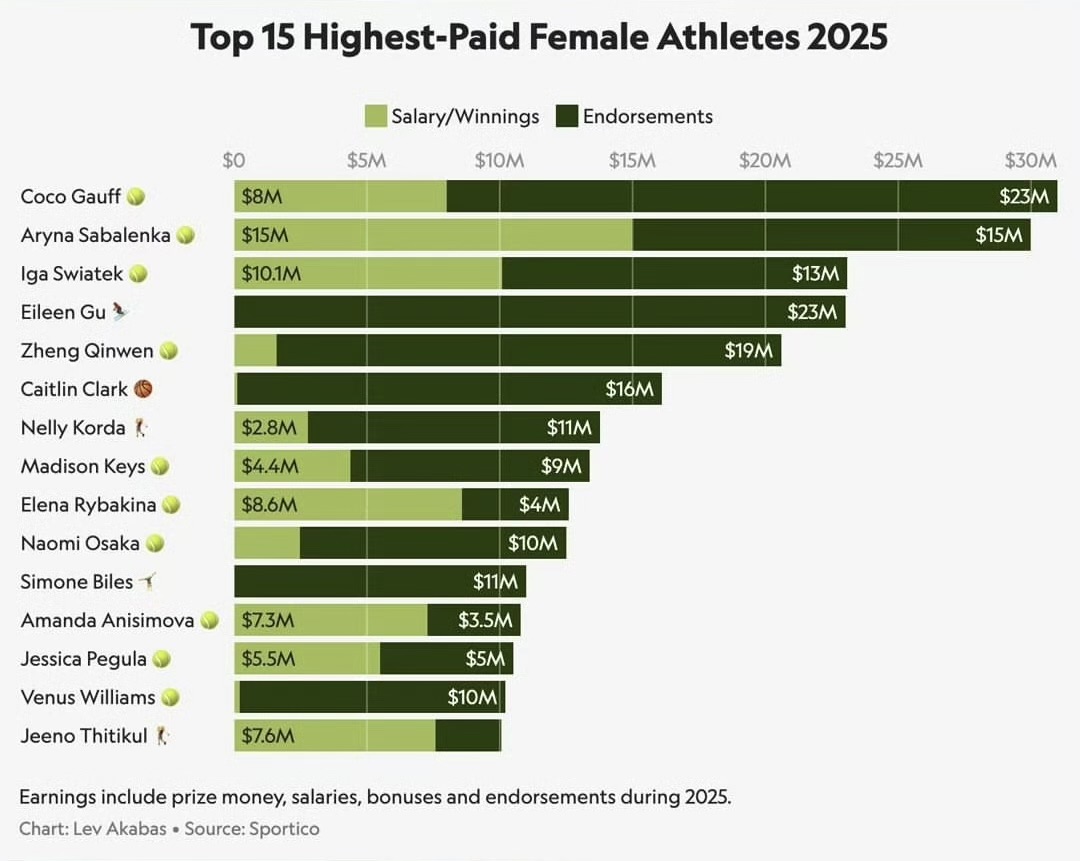
Even after turning professional, unless a player quickly reaches the top ranks, most struggle just to break even. Players ranked between 100 and 200 often earn prize money that barely covers tournament expenses, let alone salaries for their support teams.
“Top players take the lion’s share of the prize money,” Keese pointed out, “making this a very costly sport.”

Data shows this issue is more severe than we might think. In 2024, total prize money for men’s (ATP) and women’s (WTA) professional tennis events exceeded $350 million, yet nearly half of that was claimed by the top 20 ranked players. For those ranked beyond 100, first-round prize money often fails to cover even the basic costs of competing at that event.

The situation at Grand Slam tournaments is equally harsh. Take the 2025 US Open as an example: first-round losers receive $110,000, which seems substantial, but after deducting costs for coaches, travel, accommodation, training, and taxes, little remains. For players who must win through three rounds of qualifying to reach the main draw, it’s even tougher; first-round qualifying losers earn only $27,500. And the US Open still offers the highest prize money among the four Grand Slams.

This financial structure creates a vicious cycle: young players struggle to develop fully due to funding pressures, mid-ranked players cut back on team size to save costs, which in turn hampers their performance improvement.
“For the future of tennis, it would be incredible if we could grow the sport so more people earn a decent living.” Keese’s appeal highlights a core question: is the current system sustainable?
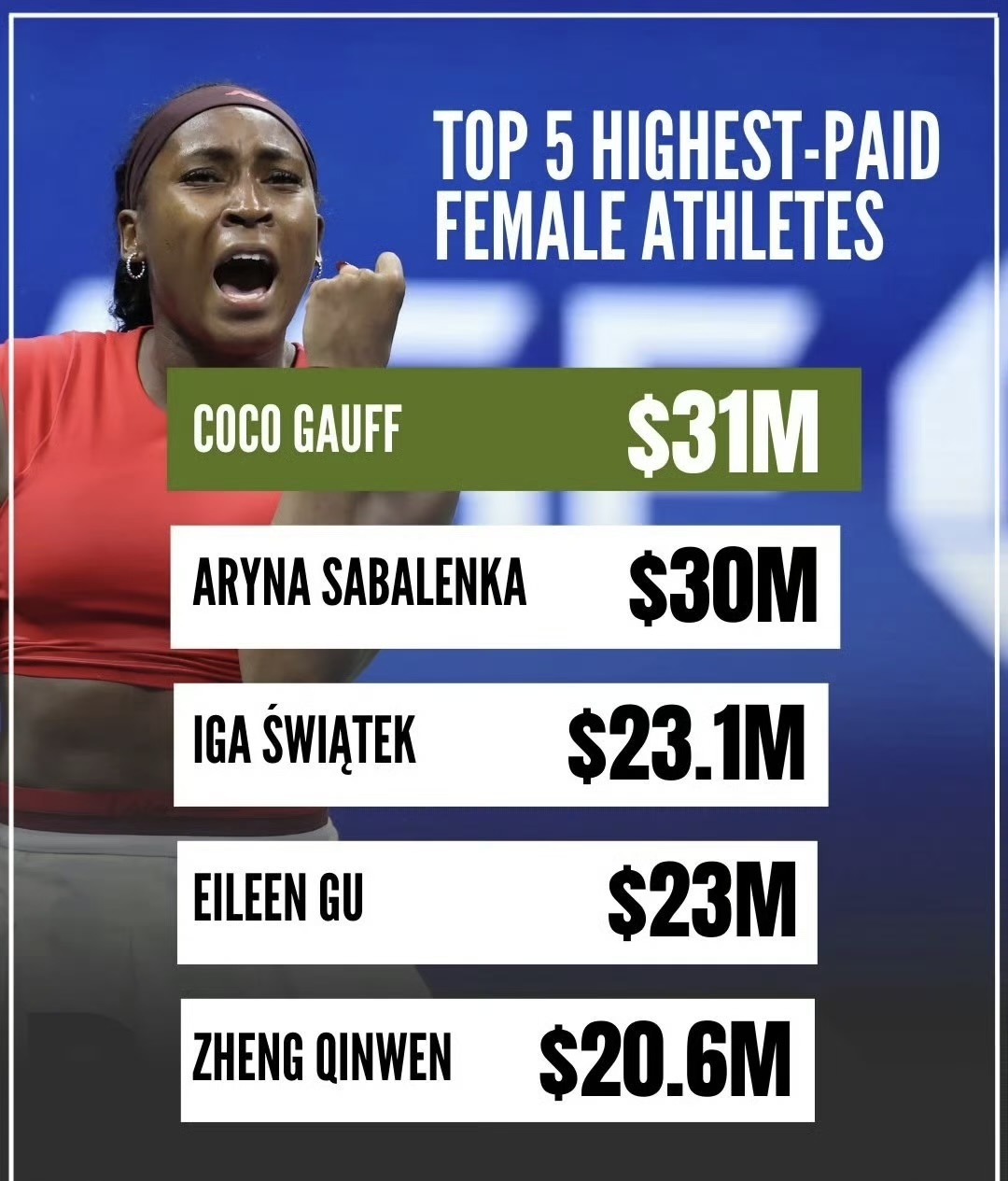
Many talented young players are forced to retire early due to financial strain, turning to more stable careers. Even those already on the professional circuit must selectively enter tournaments or skip high-cost, low-return events, limiting their career development opportunities.
In recent years, tennis governing bodies have begun addressing this issue. In 2022, ATP and WTA jointly announced a “baseline income guarantee program” providing minimum annual earnings for players ranked within the top 250. Additionally, some tournaments have gradually increased prize money distribution in early rounds.

However, these measures remain insufficient. Reform advocates call for more fundamental changes:
1. Restructure prize money distribution: moderately reduce prize increments in later rounds and increase early-round payouts to ensure more players can cover participation costs.
2. Improve support systems: offer better healthcare, pensions, and career transition assistance to reduce risks throughout players’ careers.
3. Develop the secondary tournament economy: raise prize money levels in Challenger and Futures events to provide a better growth environment for young players.
4. Implement cost control measures: establish partnerships with hotels, airlines, and others to lower players’ fixed expenses when competing.

Keese’s frankness serves as a wake-up call for the tennis world. The healthy development of a sport requires not only shining stars but also a solid foundation and sustainable ecosystem. When most participants struggle to maintain a decent living, the sport’s long-term vitality is inevitably at risk.

Tennis stands at a crossroads: continue preserving the luxurious feast at the pyramid’s peak, or build a more inclusive and sustainable economic system? This concerns not only players’ livelihoods but also tennis’s ability to attract and retain the best talent and maintain its appeal as a global mainstream sport.

As Keese said, enabling more people to earn a decent income would be an incredible boost for tennis’s future. Perhaps now is the time to seriously listen to these voices from inside and outside the courts and rethink how to create a fairer tennis world. After all, a great sport should allow everyone who dedicates their sweat to pursue their dreams with dignity.(Source: Tennis Home, Author: Mei)

 Links
Links
 Contact
Address:UNIT 1804 SOUTH BANK TOWER, 55 UPPER GROUND,LONDON ENGLAND SE1 9E
Number:+85259695367
E-mali:[email protected]
 App
App


