



The head of the Russian Tennis Federation directly links players' nationality changes to the Olympics: one can change nationality, but not their homeland.



In recent days, the announcement of former Russian player Potapova’s nationality switch to Austria has sparked significant discussion in tennis circles. Addressing the situation where Russian players are increasingly changing their national affiliations, Shamil Tarpishchev, head of the Russian Tennis Federation, expressed his views:“Athletes cannot alter their homeland, only the nationality they represent in competition, as everyone desires to keep playing.” This statement, like a stone cast into a calm lake, has stirred waves of reflection on sports, nationality, and identity. On the global athletic stage, the wave of Russian athletes changing nationality is no longer isolated but has become a notable trend. Behind this lies a complex interplay of personal dreams, national interests, and the politicization of sports.
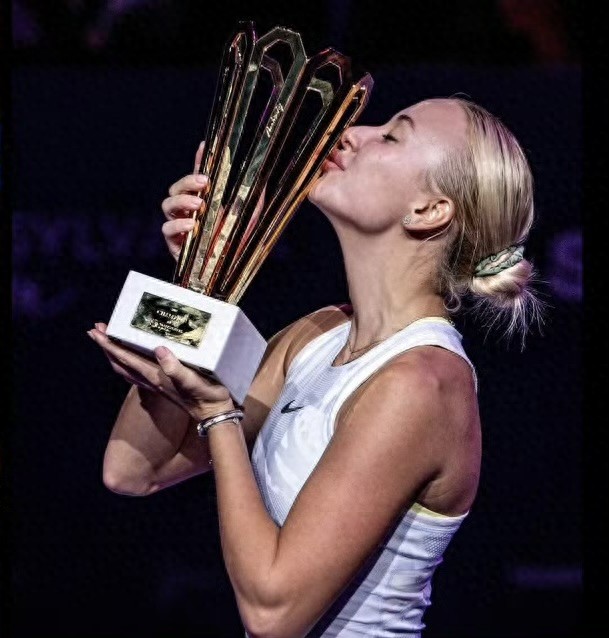
Tarpishchev bluntly stated: “Why are these nationality changes happening at this particular time? It’s because countries are assembling their Olympic teams, often recruiting players from our talent pool and paying large sums for them, while the players consider how to improve their performance and achieve better results. These combined factors drive athletes to switch nationalities, yet they cannot change their homeland.” His words reveal a harsh but realistic truth: modern elite sports are not only contests of honor but also a vast, sophisticated global market for talent and resource redistribution. As the Olympic cycle approaches, nations compete fiercely to optimize their teams for medals. For Russian athletes in their prime, international bans or strict restrictions due to political reasons effectively cut short their careers. Changing nationality and gaining eligibility to represent another country becomes the most direct, sometimes the only, way to prolong their careers and compete on their dream stage. This is not betrayal of their homeland but a difficult effort to preserve the value of their sporting lives under exceptional circumstances.
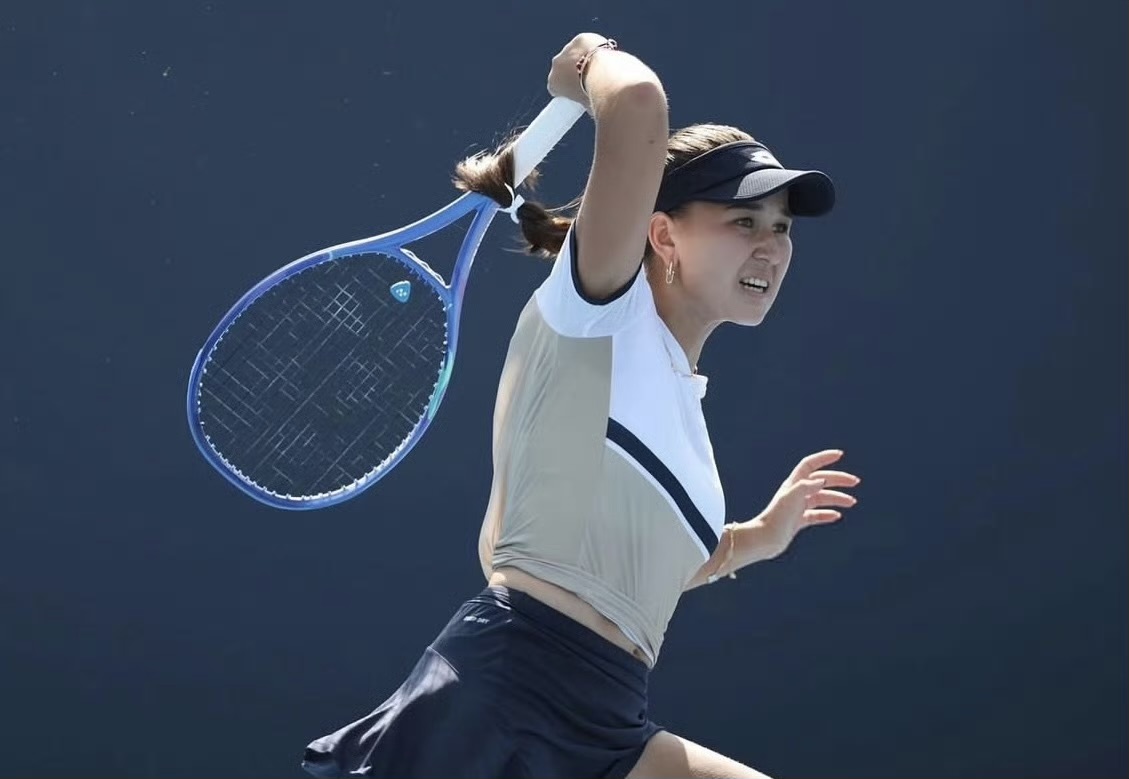
However, the phrase “only the nationality changes” carries a profound dialectic about identity. Nationality, as a legal and political designation, can be altered through formal procedures; but the homeland, as an imagined community embodying blood ties, language, cultural memory, and emotional roots, is deeply internalized in an individual’s spirit. For these athletes, changing passports may mean smoother travel, less political scrutiny, greater financial support, and more opportunities to showcase their talents under the spotlight. Yet no matter how the flag on their jersey changes, the land where they grew up, the training venues, the coaches who inspired them, and even the accent they speak with on and off the court remain inseparable parts of their identity. They compete for a country, but their skills and style are often deeply imprinted with the genes of their original culture.
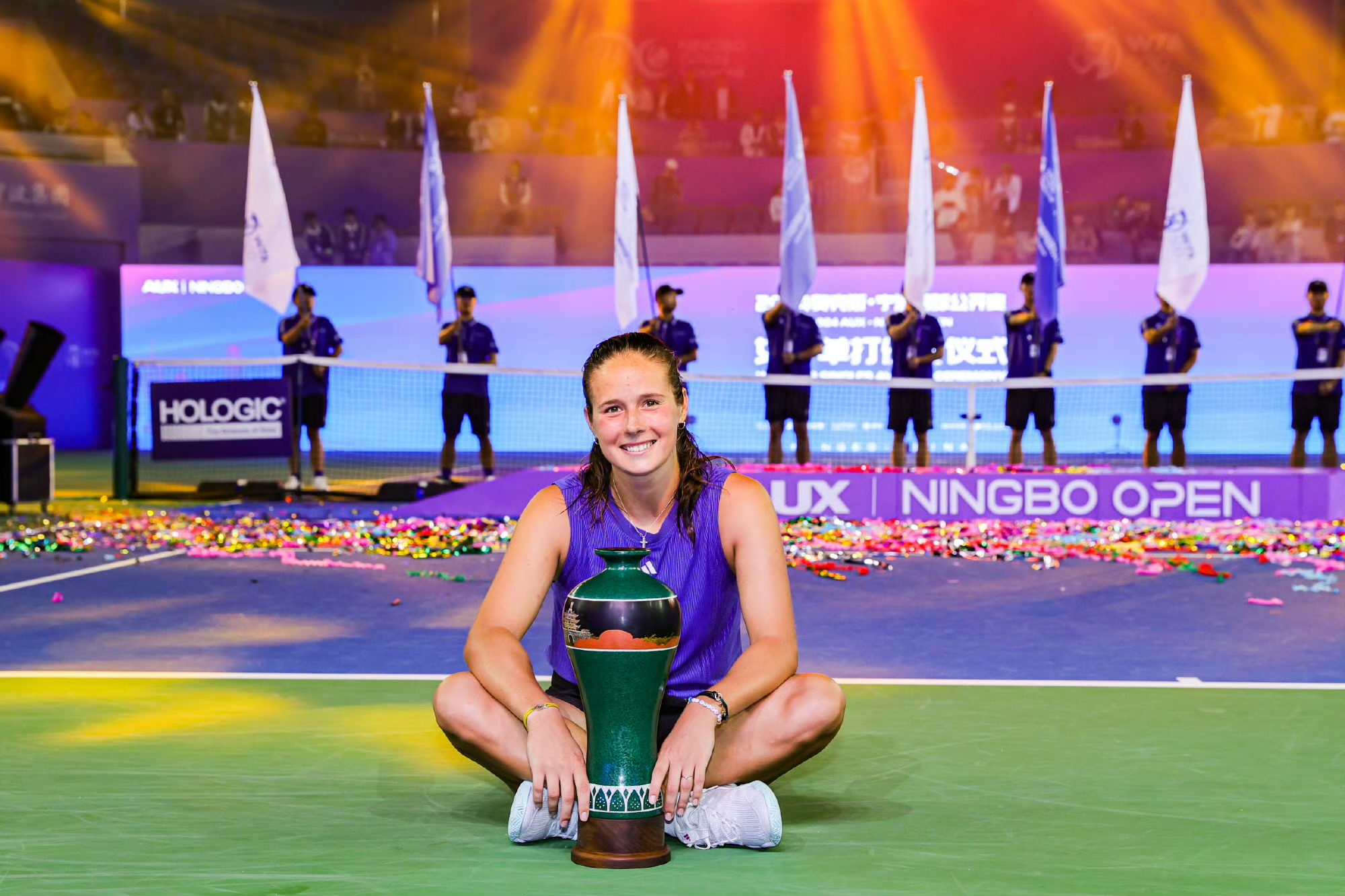
Tarpishchev’s remarks also highlight an unavoidable paradox in contemporary sports: the Olympic spirit ideally promotes pure human competition beyond politics, race, and borders, but in reality, sports increasingly serve as arenas for national soft power, ethnic sentiment, and geopolitical struggles. When athletes lose equal rights to compete due to their homeland’s international situation, the purity of sports is challenged. The act of changing nationality by athletes is, to some extent, a direct response to political pressures imposed on individuals. Their personal transnational mobility is a way to cope with collective political dilemmas, a choice marked by helplessness and compromise.
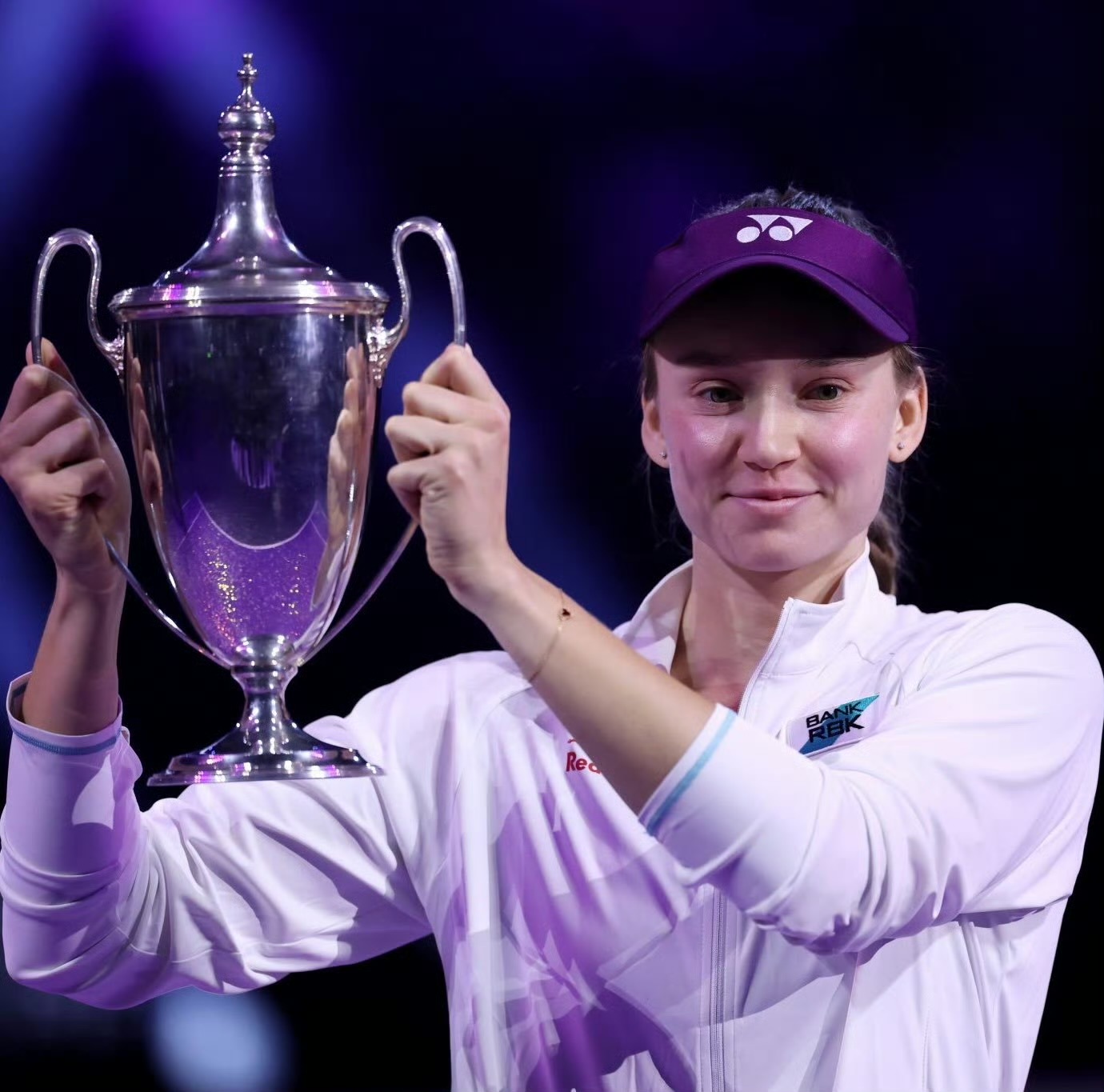
The global movement of sports talent essentially reflects globalization within the sports domain. It breaks the traditional model of “one country trains, one country represents,” prompting us to rethink the meaning of sports loyalty. Perhaps, at the highest levels of competition, the passion for the sport itself and the dedication to pushing human limits can coexist with emotional ties to a particular land, forming a complex and authentic multidimensional identity for an athlete. What fans cheer for is not just the flag but the remarkable talent and struggle stories beneath it.

Ultimately, Tarpishchev’s words remind us not to hastily label nationality changes with simplistic tags of “patriotism” or “betrayal.” Athletes’ decisions are pragmatic choices made under specific historical and political conditions regarding their careers. Meanwhile, the homeland, as a profound emotional and cultural bond, often transcends the boundaries of passports. In the fluid global sports landscape, the tension between an unchanging homeland and shifting nationalities will continue to narrate contemporary stories about pursuit, belonging, and shared human values. Perhaps the true spirit of sports will lead us beyond all divisions toward a common aspiration for excellence.(Source: Tennis Home, Author: Mei)

 Links
Links
 Contact
Address:UNIT 1804 SOUTH BANK TOWER, 55 UPPER GROUND,LONDON ENGLAND SE1 9E
Number:+85259695367
E-mali:[email protected]
 App
App


