



Raducanu criticized Alcaraz and others for complaining about the schedule: this is our job.



The controversy around the tennis schedule has lasted for several weeks—press conferences full of discussions, social media sparking intense debates, and podcasts analyzing the expanding tennis calendar from multiple perspectives. Raducanu also stepped into this increasingly noisy debate.
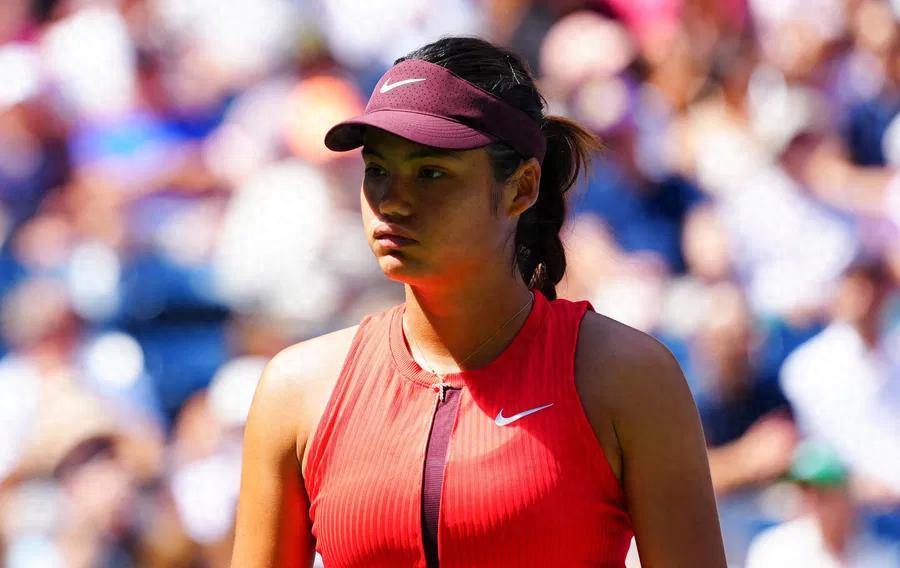
When talking about the busy tennis schedule, Alcaraz lamented that it is pushing players to their breaking point, even saying it seems like they are trying to “kill” players. Swiatek described the schedule as “crazy,” stating, “we play too much.” Draper also commented, “Injuries will always happen... we are forcing our bodies to do things elite athletes shouldn’t have to endure.” Surprisingly, Raducanu’s stance differed from these players; she criticized her peers for “complaining too much” about the tour schedule.
In a recent interview with The Guardian, Raducanu offered a reminder: “I see it as a challenge. I don’t think it’s something worth complaining about because this is the schedule we are given. And we also earn good money from it.”
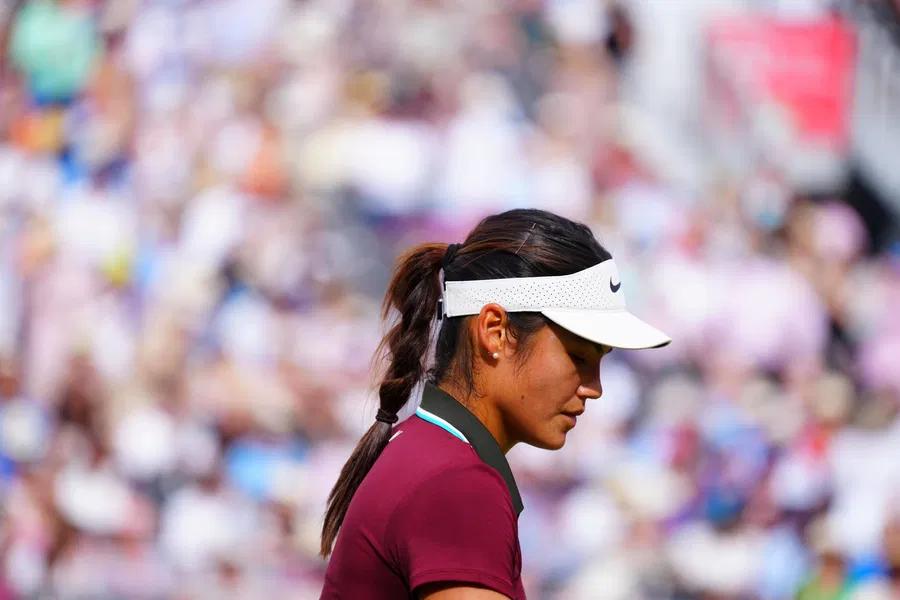
This statement is neither indifferent nor careless; it is grounded—and, more importantly, honest. Raducanu has experienced the highs and lows of the tour: explosive fame, recurring injuries, surgeries, scrutiny and doubts, and the immense pressure of becoming the face of British tennis at 18. Yet, despite all this, her tone reflects a more rational perspective.
“I mean, it’s not always glamorous. Sometimes it’s really tough; we’re mentally and physically exhausted, and our bodies ache all over. But what else can we do? I believe some people go to work and have to do whatever their boss asks—that’s their job. If we stop complaining so much, I think it sets a better example for those watching tennis and for young people who want to get into the sport. If they see top players constantly complaining about the schedule, I don’t think that’s a role model worth following.”

This year, Raducanu played 50 matches, the most she has in the past five years, winning 28 of them. Although she didn’t win a title, she reached the quarterfinals of the Miami Open and the semifinals of the Citi Open. So, for the British player, it has been a pretty solid season, especially considering the physical challenges she has faced in recent years. Now, it’s time to focus on her 2026 schedule.
After a year of ups and downs, the British No.1 has pressed the “reset” button with clear goals: to build a stronger foundation, take more control during matches, and worry less about her opponents’ performances. She has already started preseason training in Barcelona with coach Roig. What she needs now is to see what Roig can bring to her game.

“He wants me to focus more on developing a better Raducanu, a stronger baseline game. That’s something I haven’t truly done before. I’ve always leaned more towards tactics—exploiting opponents’ weaknesses and trying to be more skillful. That works, but ideally, you don’t have to think too much about other players—you can just execute your own game and know you can win. What he’s trying to improve is quality—not necessarily changing my physical ability but through better technique, more precise timing, and improved movement.”
In addition to Roig, she has added physiotherapist Stuart to her team. Raducanu gained great confidence by competing in 22 events over nine months in 2025, and she has already confirmed her participation in the United Cup starting January 2.(Source: Tennis Home, Author: Spark)

 Links
Links
 Contact
Address:UNIT 1804 SOUTH BANK TOWER, 55 UPPER GROUND,LONDON ENGLAND SE1 9E
Number:+85259695367
E-mali:[email protected]
 App
App


