



The Dandelion’s Choice: When Nationality Becomes a Fluid Boundary on the Tennis Court



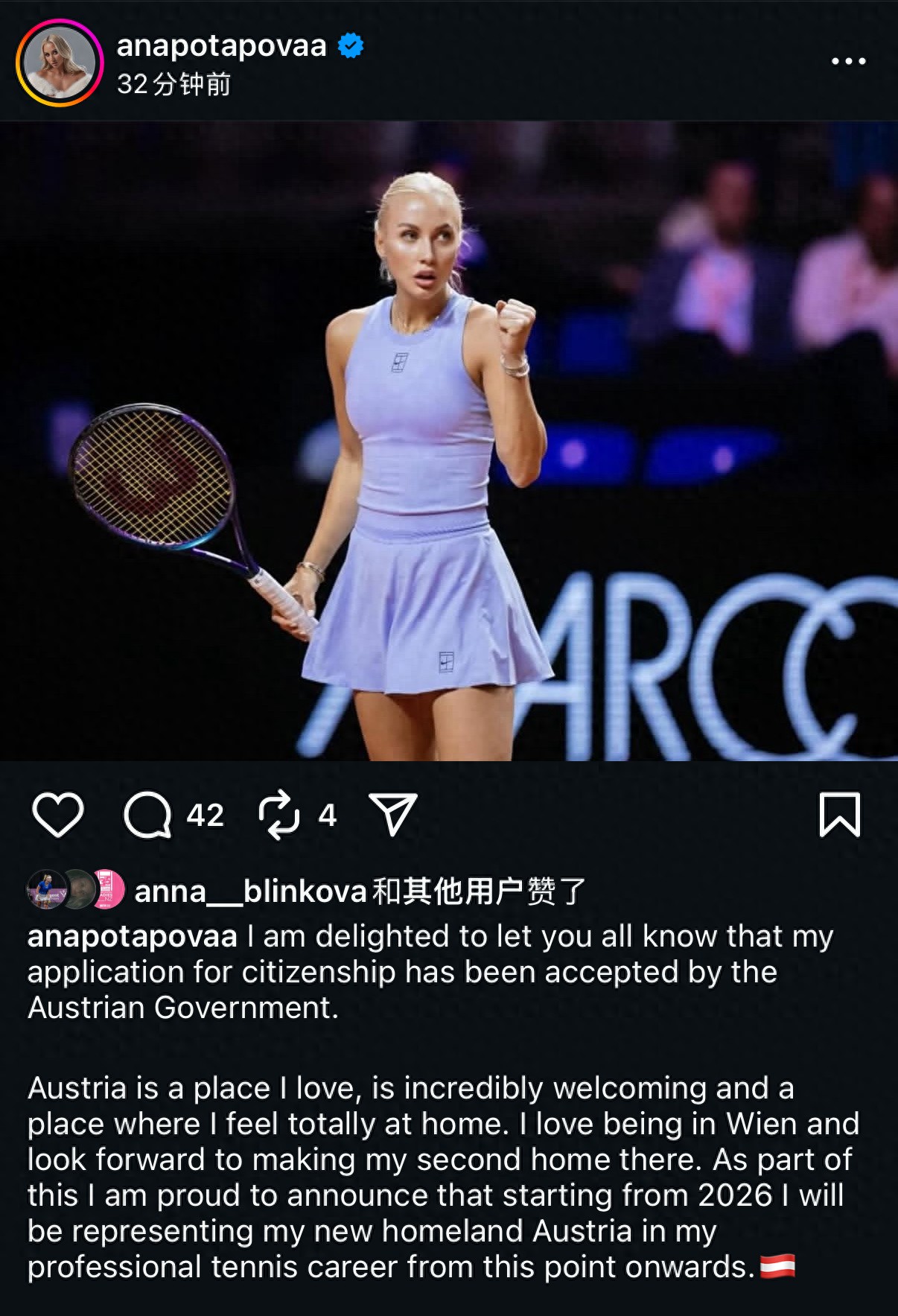
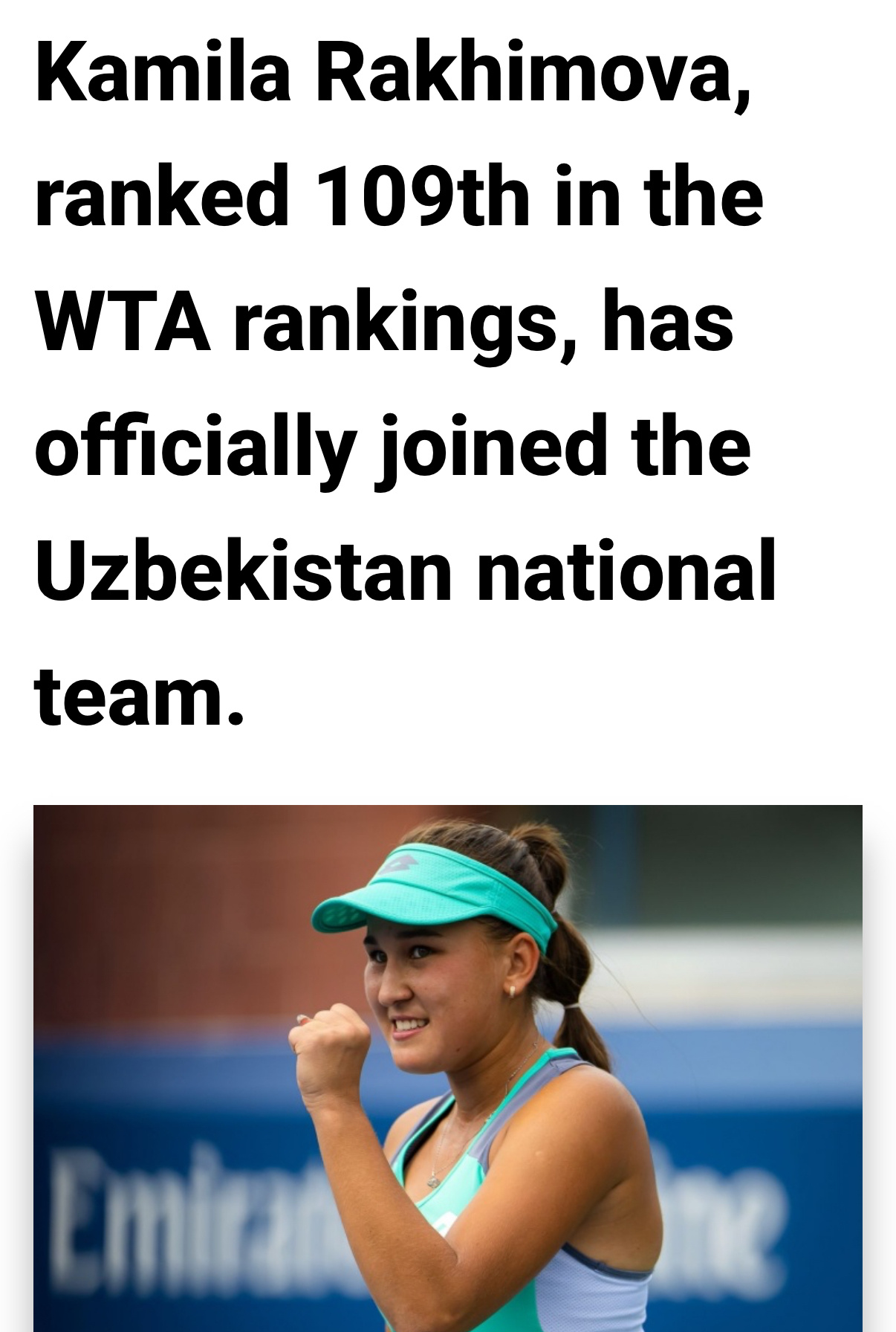
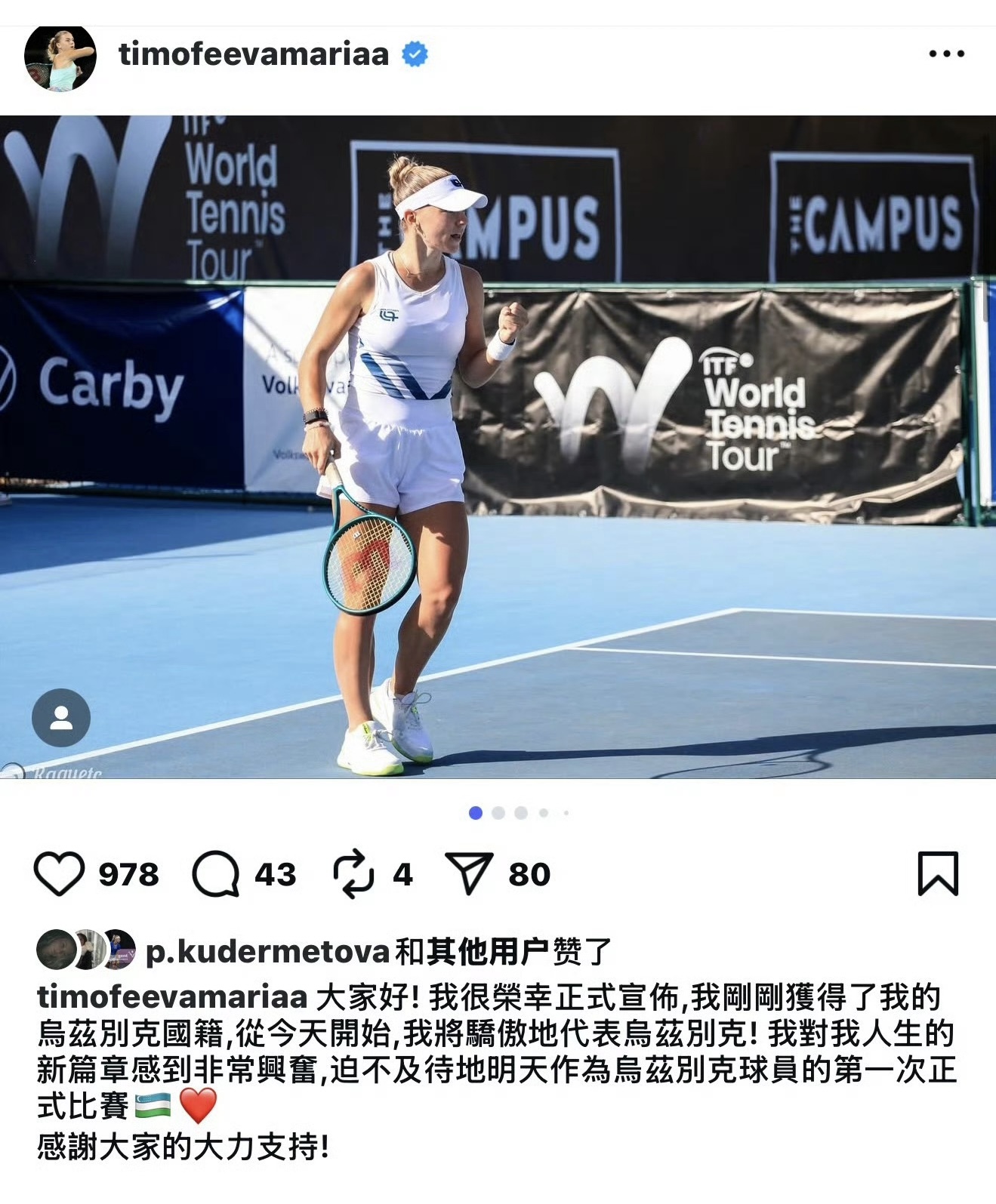
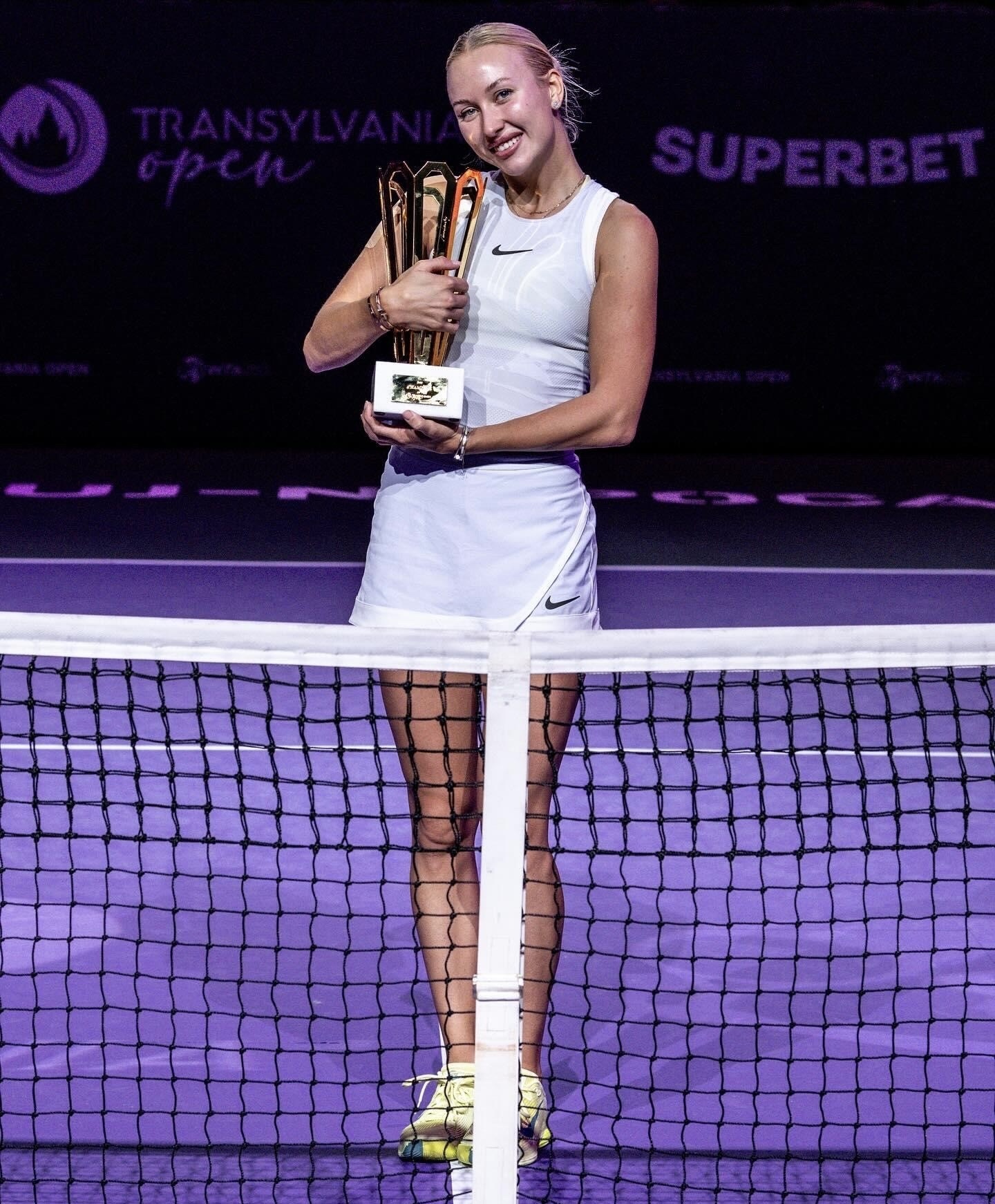
December 4, 2025, Potapova declared her switch to Austrian nationality and will compete for Austria in the 2026 season. This announcement, like a pebble dropped into a pond, triggered waves that extended well beyond sports coverage. She is neither the first nor the last—Kasatkina embraced the Australian sun, Gajdošová fights for France on clay courts, and Rashimova chose Uzbekistan’s red and blue flag. A silent “dandelion migration” is unfolding in women’s tennis, where each drifting seed conceals the survival philosophy of contemporary athletes navigating the crossroads of politics and career.
These young female athletes’ careers coincide with a chilling winter of international sports sanctions. Since 2022, Wimbledon’s grass and Roland Garros’s clay courts have successively closed their doors to Russian players. Even tournaments permitting neutral participation often erase flags and mute anthems. For top athletes, this is more than symbolic deprivation—loss of ranking points, unstable sponsorships, and restricted training resources form a tightening net. As tennis evolves from a pure sport into an extension of geopolitical conflict, these globally raised athletes suddenly find themselves as passportless citizens of the world.
However, attributing nationality changes simply to “opportunism” is superficial. Listening carefully to Potapova’s statement: “Austria is a place I deeply love,” “I look forward to settling there”—there is a subtle emotional truth. These globe-trotting athletes live a jet-setting life, with training bases possibly in Spain, coaching teams from Serbia, and sponsors headquartered in New York. National borders have long blurred in their careers. When their home country’s political identity becomes a constraint on professional growth, seeking a new home that offers stable competition, training resources, and personal belonging is a logical choice. This is not betrayal but a survival strategy for athletes in extraordinary times.
This migration reveals a deeper contemporary paradox: while sports become increasingly globalized, political identity continues to reinforce its boundary effects. Tennis, as one of the most international individual sports, should have its elite players as the most thorough world citizens. Yet, under the shadow of great power rivalries, nationality suddenly shifts from a personal background to a professional ceiling. These athletes’ dilemmas mirror those of modern individuals: in a world of free capital, culture, and information flow, political identity remains the hardest container to break.

An intriguing aspect is the gender dimension. Compared to Russian male players, female athletes’ “dandelion migration” is more pronounced. This reflects women’s greater mobility when facing structural restrictions. Their choices inadvertently provide a unique lens to observe gender differences in sports globalization.

Each decision to change nationality involves complex calculations: career prospects, personal feelings, family considerations, and future plans... Avanesyan chooses Armenia for blood ties, Kasatkina favors Australia’s quality of life, and Potapova is drawn to Vienna’s cultural atmosphere. These diverse choices illustrate that for today’s top athletes, nationality is shifting from an inherited fate to a strategic option.
This silent migration will leave a lasting impact. For tennis, nationality fluidity may weaken the traditional concept of “national teams” while strengthening individual and commercial tournament logics. For athletes, carrying old identity memories under a new flag will accompany their careers long-term. For the international sports order, it raises an unavoidable question: when political pressure forces athletes to choose between nationality and career, how can the ideal of sports transcending politics be upheld?

Dandelion seeds travel far on the wind, not because they lack love for their homeland, but because the wind’s direction determines survival possibilities. The stories of Potapova and others might be rewriting the next chapter of sports globalization, where identity is no longer a fixed coordinate but a flowing trajectory; loyalty is no longer a single allegiance to a flag but an ongoing negotiation between personal ideals and real-world constraints. When the last ball lands on the court of a new homeland, what echoes is not just the match’s outcome but a profound era-long reflection on identity, belonging, and freedom.(Source: Tennis Home Author: Mei)

 Links
Links
 Contact
Address:UNIT 1804 SOUTH BANK TOWER, 55 UPPER GROUND,LONDON ENGLAND SE1 9E
Number:+85259695367
E-mali:[email protected]
 App
App


