



Djokovic and Murray: A Legendary Tennis Rivalry and Friendship Spanning a Quarter Century


In the golden age of men's tennis, the "Big Four" rivalry created numerous unforgettable chapters, but the tale of Novak Djokovic and Andy Murray is marked by distinctive warmth and perseverance. From their early days as inexperienced partners at age 12, to fierce rivals at their peak, and later as coach and mentee after retirement, this tennis duo, born just seven days apart, has spent 25 years embodying the ultimate "frenemy" dynamic, forging a deep bond that transcends the court amid the harshness and glory of competitive sports.
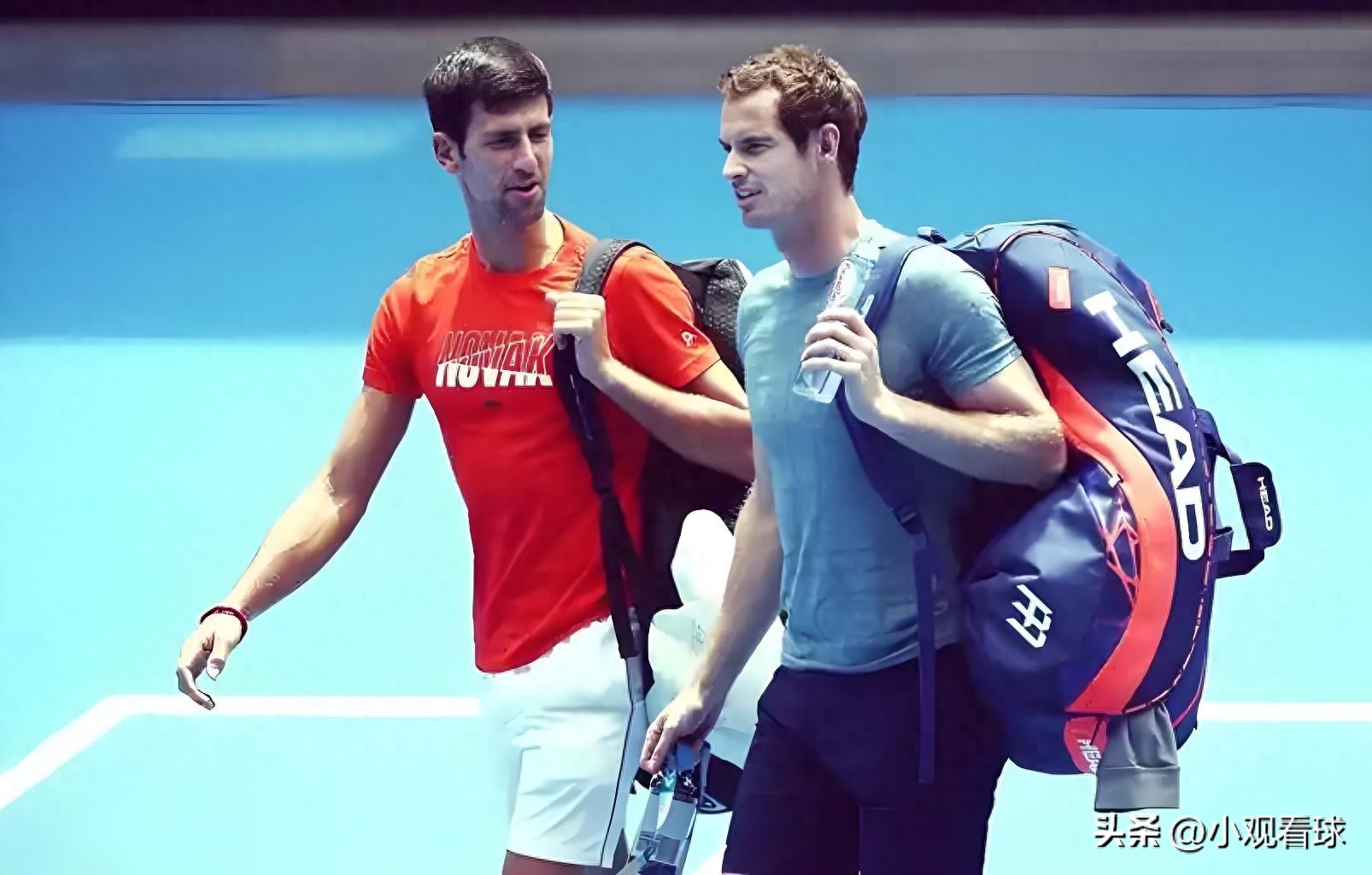
Youthful Beginnings: Partners and Opponents in Training Camps
In 1998, in Tarbes, France, 11-year-olds Murray and Djokovic first met at a U12 junior tournament. Neither could have predicted that this encounter would spark a bond lasting a quarter of a century. Murray won that match decisively, 6-0, 6-1, but their interactions on and off the court mattered more than the score — afterward, they paired up for doubles, communicating awkwardly through gestures and simple words due to Djokovic’s heavy English accent, a clumsy cooperation that laid the foundation for their friendship.
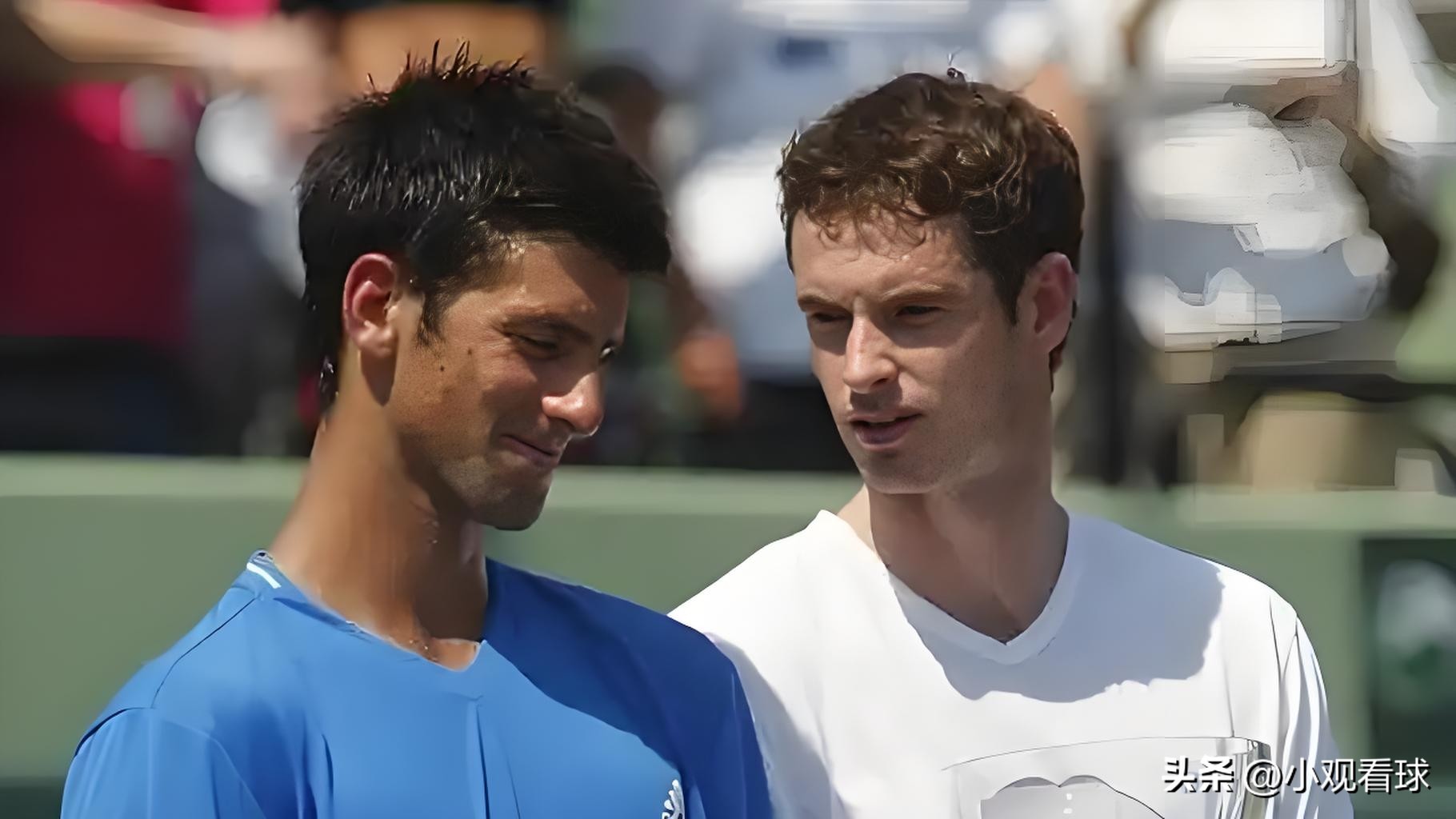
Though they trained at different academies—Murray at Sánchez-Casal in Barcelona and Djokovic at Niki Pilic’s in Munich—they met annually 1-2 times during European junior development camps from 1999 to 2002. On the court, they pushed each other as ideal practice partners: both baseline players, they engaged in long rally drills where Djokovic’s topspin contrasted with Murray’s flat strokes, helping each adapt to different spins and rhythms. During return-of-serve drills, Djokovic’s anticipation and Murray’s footwork inspired mutual improvements, with each pointing out technical flaws to build early trust.
Their physical training sessions were even more straightforward. In 400m interval runs, explosive Djokovic would wait for endurance-focused Murray, while Murray’s stability in side-step drills challenged Djokovic not to fall behind. After training, they relaxed by playing soccer and sharing hometown foods in the cafeteria. Djokovic’s outgoing humor balanced Murray’s reserved nature, making their intense training life enjoyable. This shared youth experience familiarized them with each other’s styles and planted the seeds of friendship—Djokovic later recalled, “From the start, I sensed Andy’s inner toughness, which kept me from slacking off.”
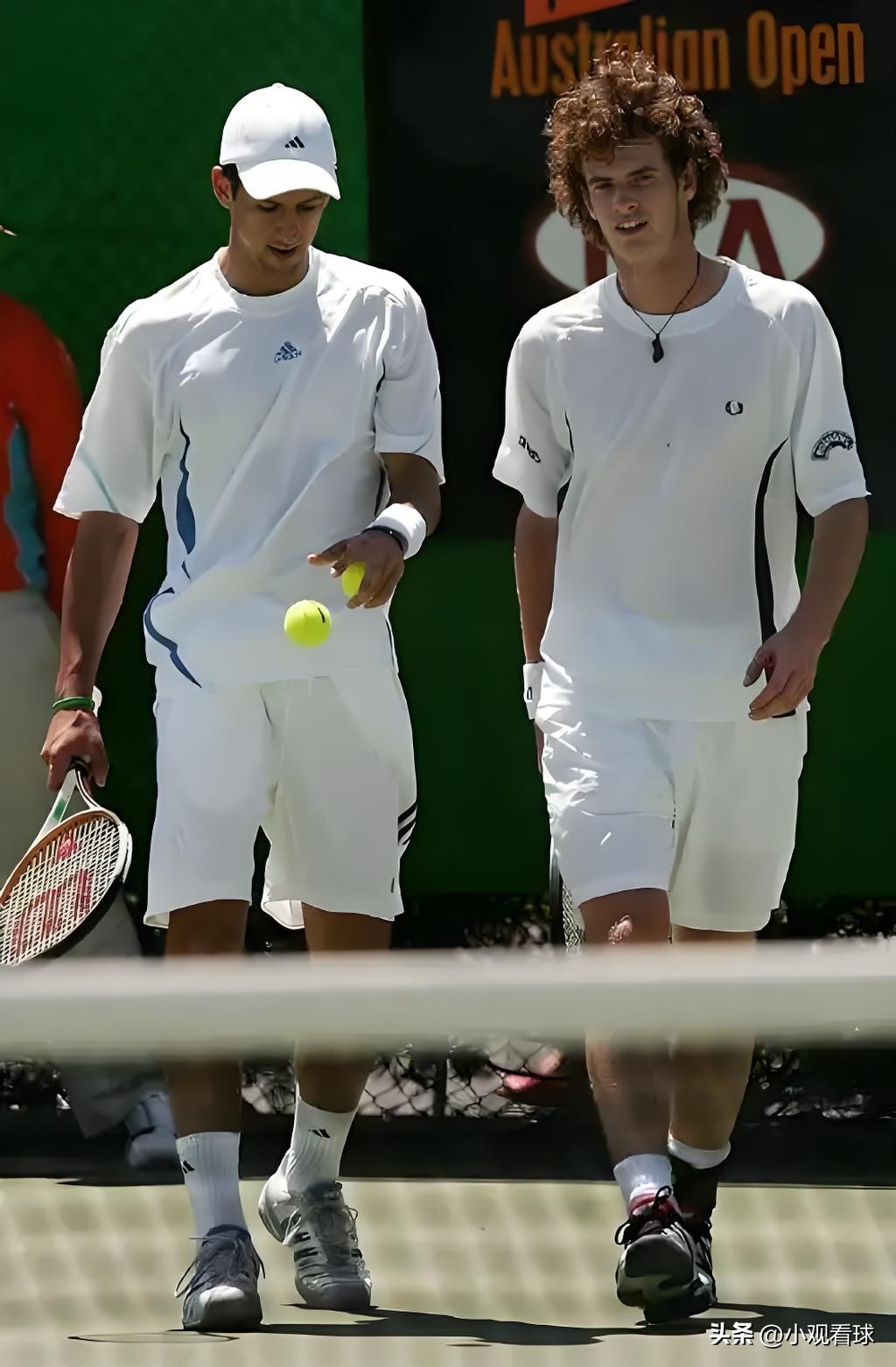
At the 2006 Australian Open, the 19-year-old duo partnered in doubles for the first time professionally. Though they lost in the first round, this collaboration marked their transition from junior partners to pro competitors. By then, they had already faced off multiple times in U14/U16 European events and the Orange Bowl, intensifying their rivalry, but the mutual respect and understanding forged in training camps remained unchanged.
Peak Rivalry: Respect and Empathy Forged Through Competition
From 2011 to 2016, both players reached their professional zeniths, engaging in some of their most intense battles. During this period, Djokovic dominated with multiple Grand Slam titles, while Murray, driven by relentless determination, secured three Grand Slams, an Olympic gold, and reached world number one. Over six years, they faced each other 29 times, including 19 finals (7 Grand Slam finals). Djokovic led 25-11 overall, but every match was marked by mutual respect and admiration.
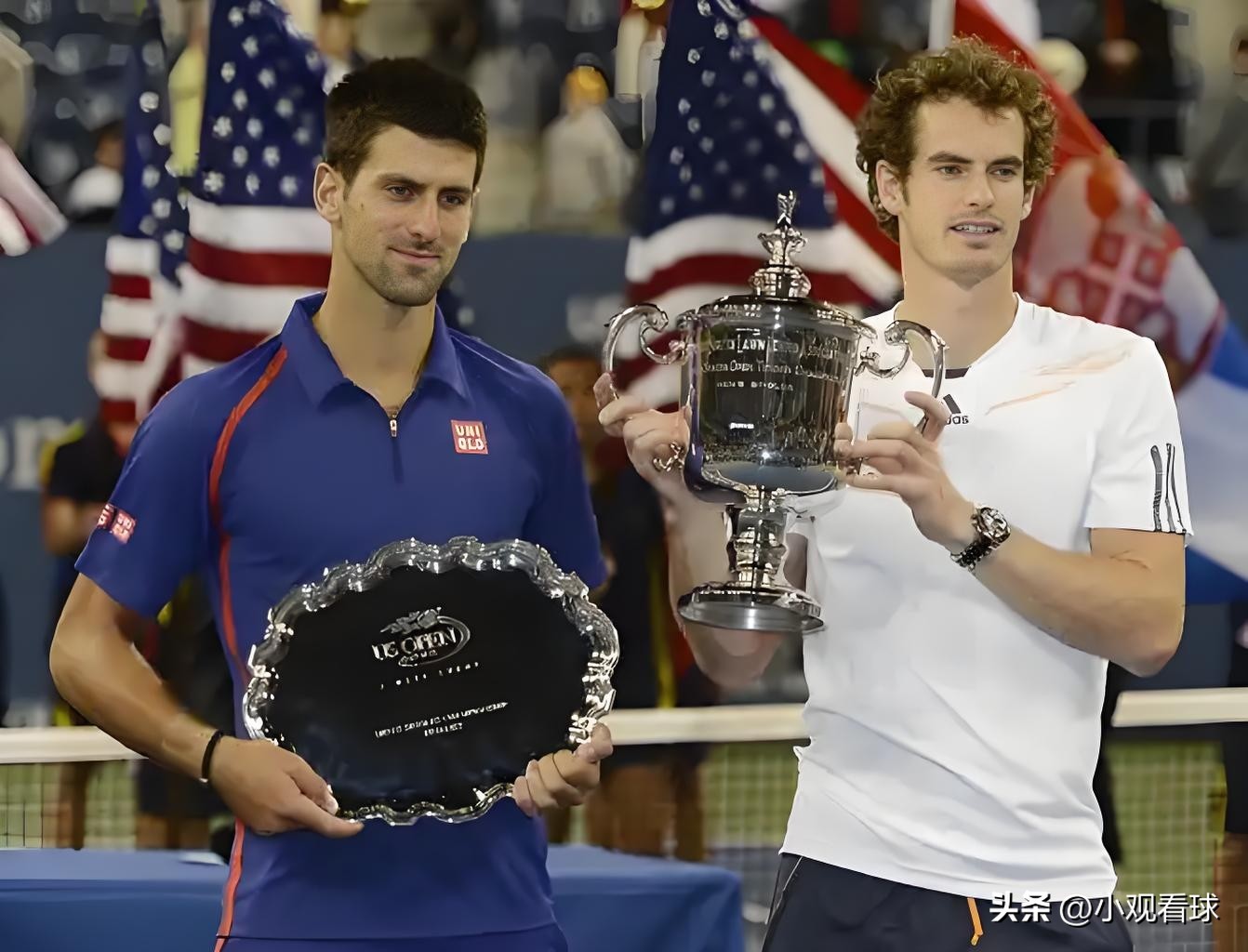
Between 2011 and 2016, they met seven times in Grand Slam finals:
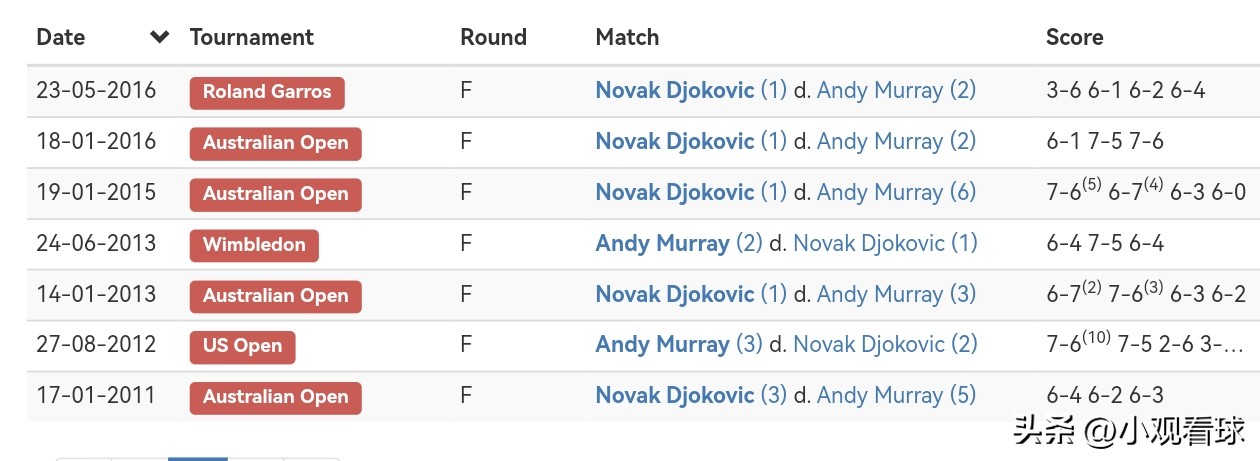
The 2012 US Open final stands as a landmark in their friendship. This nearly five-hour, five-set epic became one of the longest finals in US Open history. Murray edged the first set tiebreak 12-10 but lost the next two sets before regaining control with a 6-2 final set to end Britain’s 76-year drought for a men’s Grand Slam champion. On court, Djokovic’s frustration showed when he smashed his racket, revealing his emotional nature; yet at the trophy ceremony, he immediately embraced Murray, sincerely saying, “You deserve this title, and I’m genuinely happy for you.” The usually reserved Murray expressed relief and gratitude, crediting Djokovic’s rivalry for making him stronger. This victory marked a career breakthrough for Murray and deepened their understanding of each other’s sacrifices through fierce competition.

Their 2016 ATP World Tour Finals encounter epitomized their blend of competition and respect. Murray defeated Djokovic 6-3, 6-4, ending Djokovic’s four-year reign as year-end number one. After winning, Murray praised Djokovic’s extraordinary achievements that year—winning four majors (2015 Wimbledon, US Open, and 2016 Australian and French Opens)—calling it a feat unlikely to be seen again soon. Djokovic, though disappointed, maintained grace and joked with Murray in the locker room about finally dethroning him, easing any tension with humor. This ability to compete fiercely on court yet embrace amicably afterward is the essence of their touching friendship.
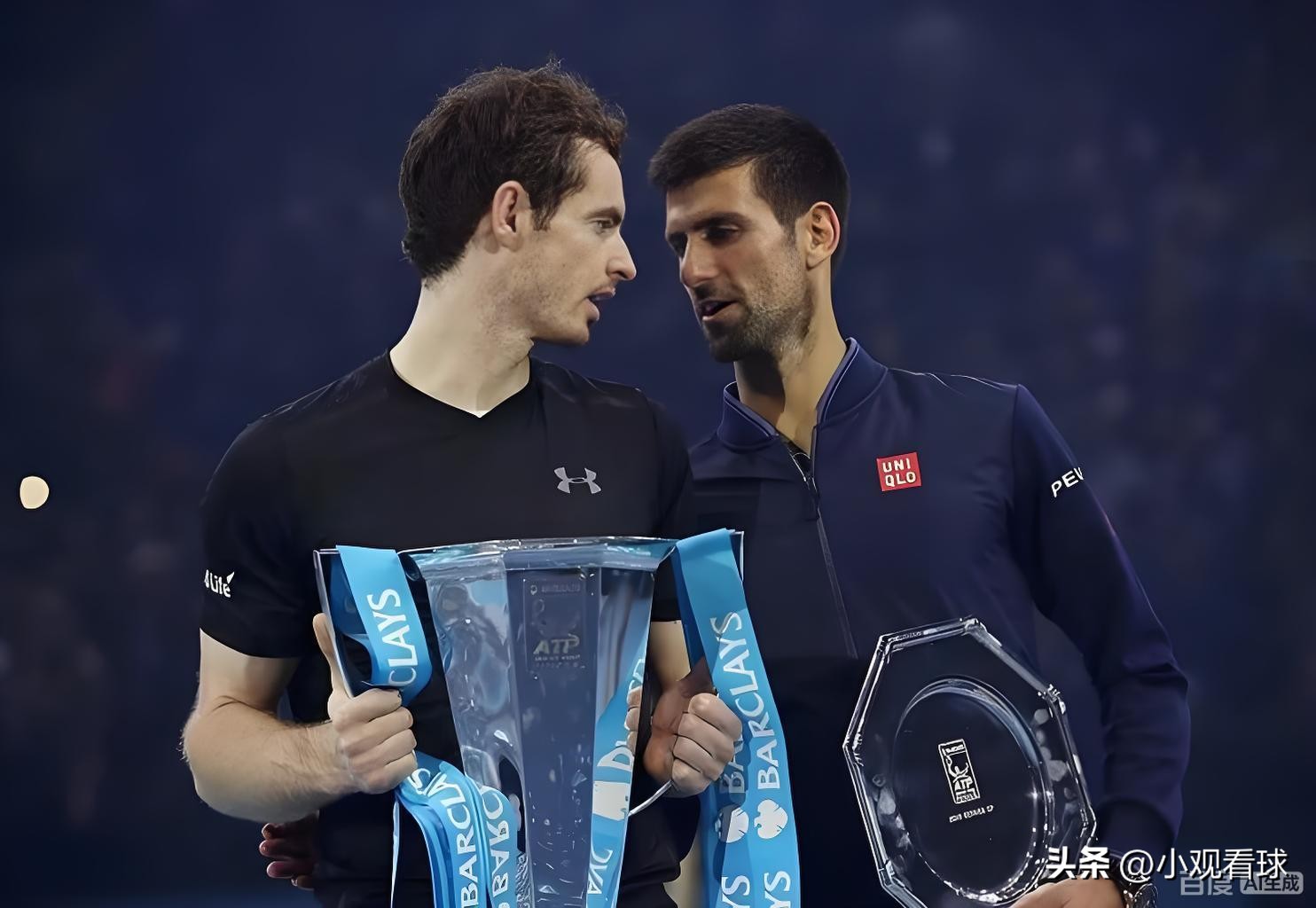
During their peak years, they maintained warm private interactions. They liked each other’s posts on social media and, when meeting, avoided discussing rankings or results, instead sharing family life and parenting experiences—Djokovic with his wife Jelena and their two children, Murray with his wife Kim Sears and four kids. Murray once said, “Ten years from now, we are the two best players in the world, happy to have grown together and kept a strong personal bond.” This unspoken understanding beyond competition kept their unique connection alive amid the fierce “Big Four” rivalry.
From Rivals to Mentor and Protégé: Friendship Elevated Through Role Change
In July 2024, after the Paris Olympics, Murray announced his retirement, concluding a brilliant playing career. Four months later, Djokovic surprised the tennis world by inviting Murray to join his coaching team. This “rivals turned mentor and protégé” partnership shocked the sport and opened a new chapter in their 25-year friendship.
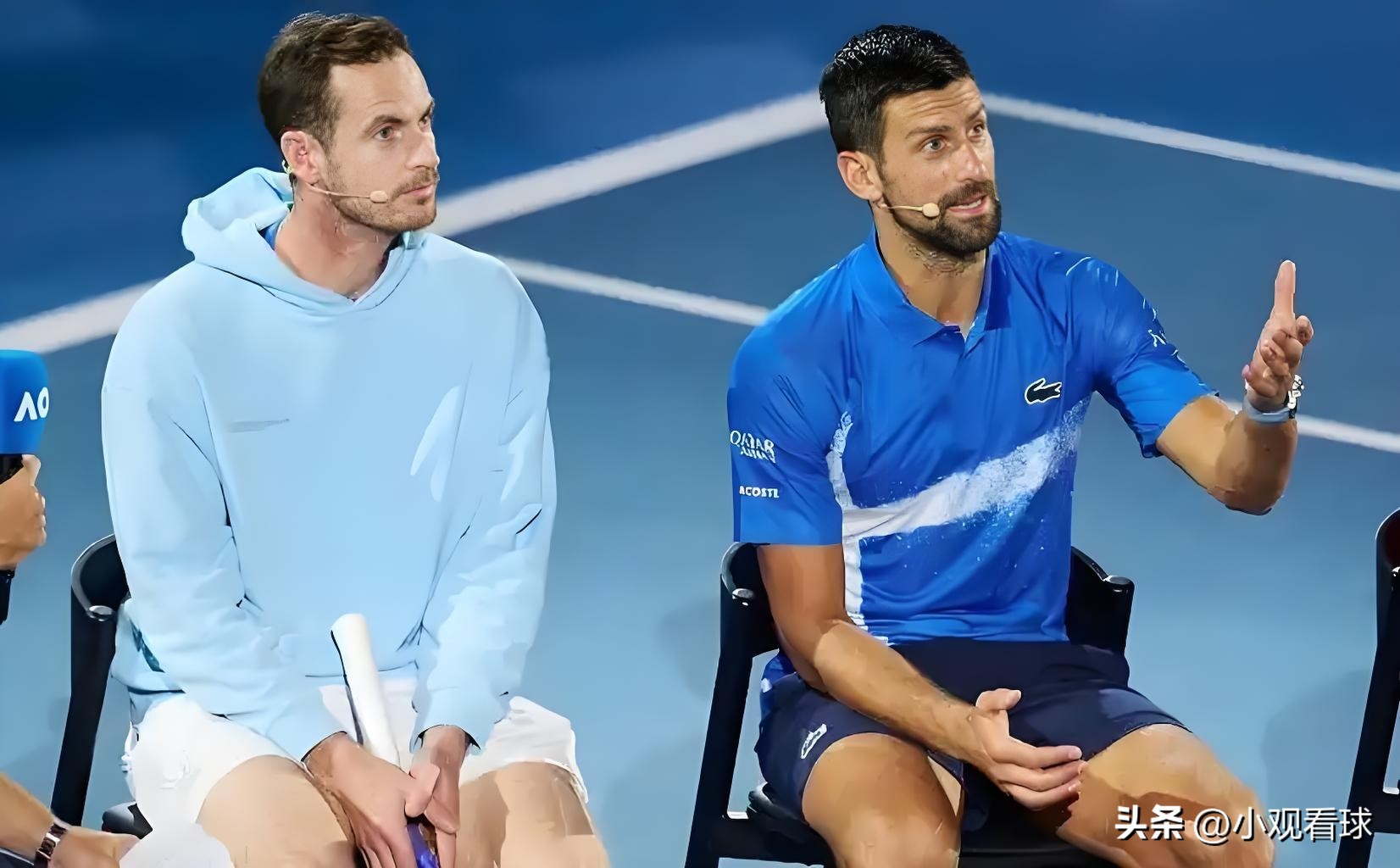
Interview at the 2025 Australian Open exhibition match
Djokovic’s choice was straightforward and sincere: “We battled for 25 years; he knows how I developed and understands my strengths and weaknesses. Having just retired, he’s well aware of the current tennis landscape.” Murray accepted mainly due to long-standing trust: “I was shocked when Novak called, but as a friend, after consulting my wife, I agreed.” Their collaboration started with warmth and humor, with Murray joking that Djokovic should take responsibility for all the matches he won against him as a player.
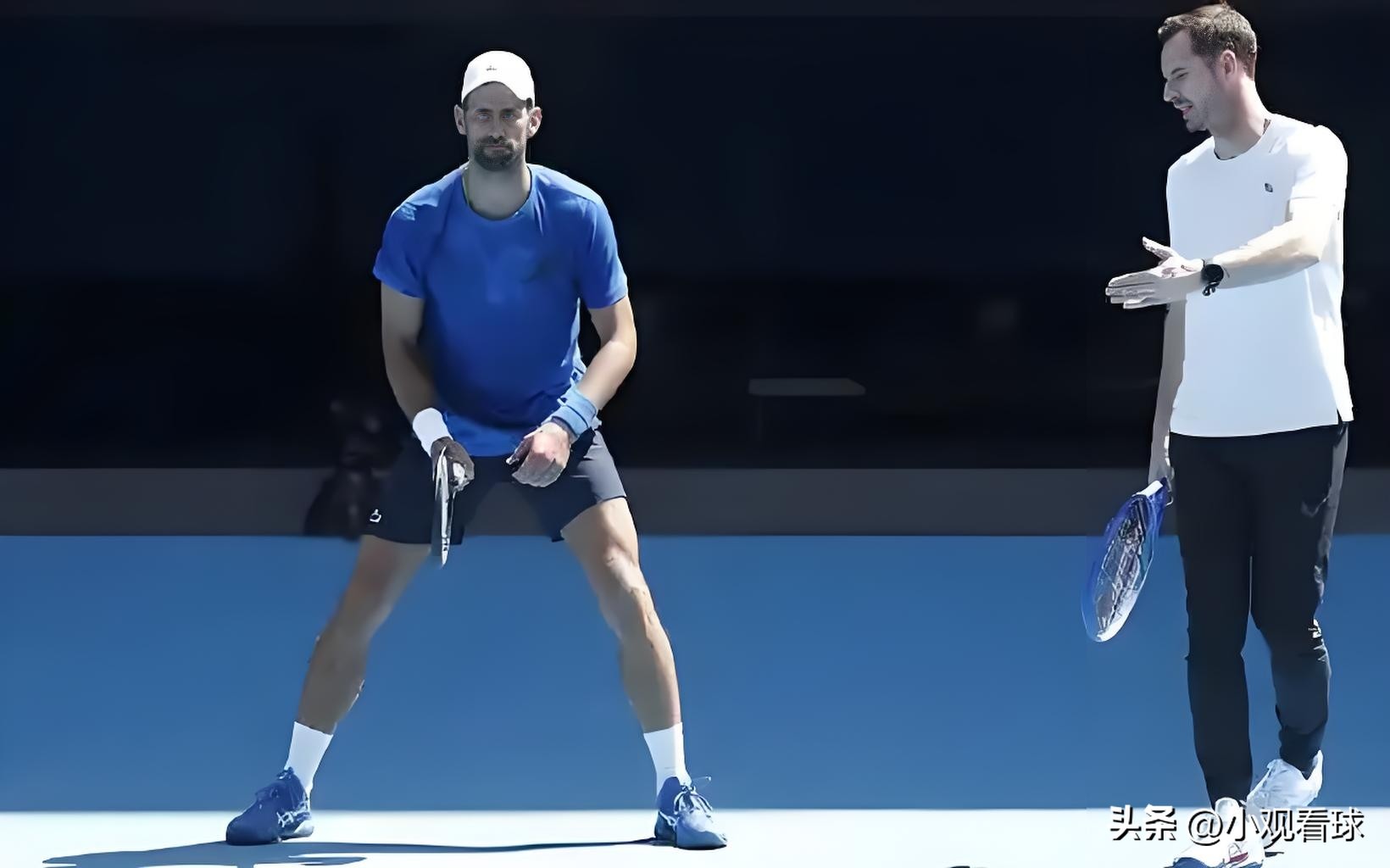
Early training sessions were full of unexpected moments. Their first official workout wasn’t on the tennis court but on the track—Djokovic insisted on a 50-minute run. Murray, whose fitness had declined after retirement, cramped his left calf after just five minutes but pushed through to avoid appearing weak to his former rival. Murray later recalled, “I was in terrible pain but had to ask his team for help; I didn’t want him to think that after competing for so many years, I couldn’t last five minutes in training.” This slightly awkward episode relaxed their relationship and earned Djokovic even greater respect for Murray’s toughness.
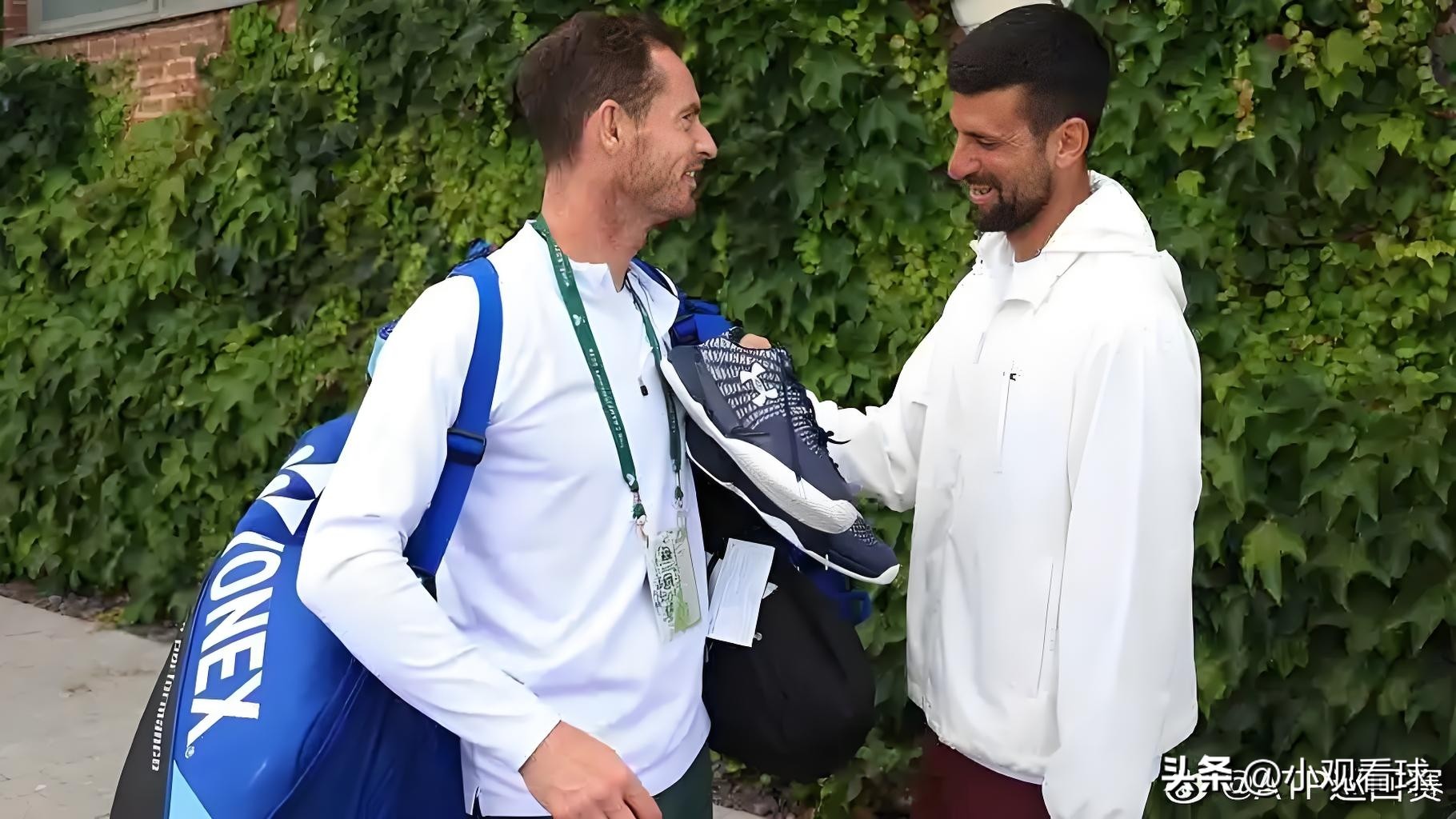
The 2025 Australian Open became a highlight of their partnership. They trained together for eight days before the tournament. Murray applied his meticulous nature by studying opponent videos late into the night and devising targeted strategies, while on court he used simple hand signals to guide Djokovic’s positioning. In the quarterfinals, Djokovic came back from a set down to beat Alcaraz 4-6, 6-4, 6-3, 6-4. Murray called it “one of the best matches I’ve ever witnessed live.” When Djokovic showed emotional outbursts during the match, he would shout at Murray, who calmly replied, “Focus on the next point,” becoming Djokovic’s most reliable emotional outlet. Djokovic admitted afterward, “He doesn’t need to explain much; he understands everything I’m going through. It’s a wonderful feeling.”
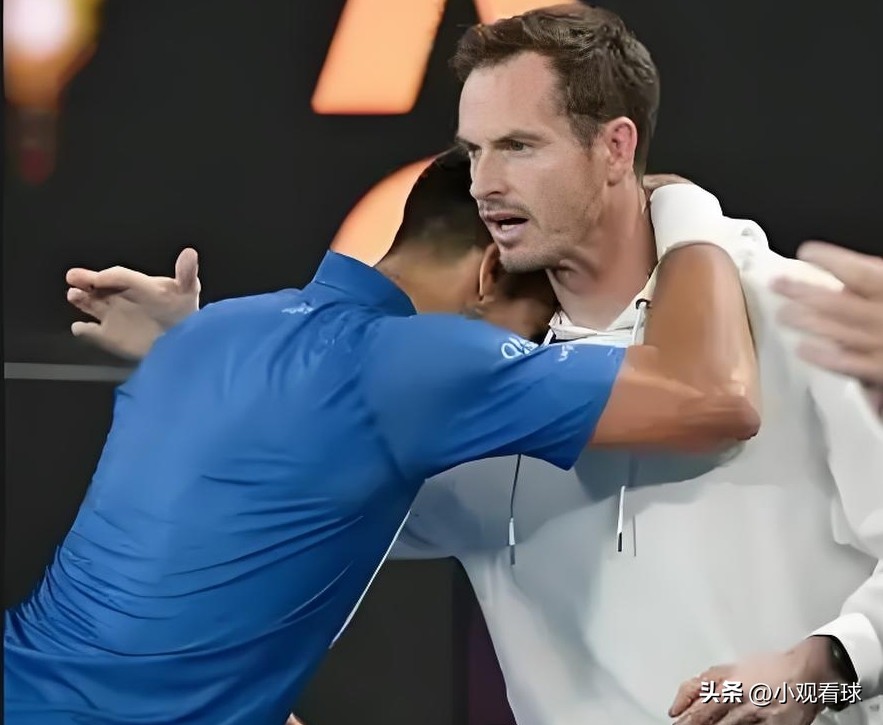
After Djokovic defeated Alcaraz in the 2025 Australian Open quarterfinals
Although their partnership lasted only six months (November 2024 to May 2025) and ended amicably after Djokovic withdrew hurt in the Australian Open semifinals and subsequent results fell short, the experience deepened their friendship. Djokovic wrote on social media: “Thanks to coach Andy for six months of hard work, fun, and support on and off the court. I truly enjoyed this time that strengthened our bond.” Murray candidly said, “Though disappointed with results, I learned a lot about coaching and it was an honor to help him.” After parting ways, Djokovic won his 100th career title in Geneva, while Murray turned his focus to mentoring young players, both continuing to shine in tennis in their own ways.
Time’s Testament: A Timeless Tennis Tale
From inexperienced 12-year-olds to tennis legends past thirty, Djokovic and Murray’s friendship evolved through “partners, rivals, friends, mentor and protégé,” always grounded in respect and understanding. Their personalities complement yet resonate: Djokovic is outgoing, expressive, emotional on court but humorous off it; Murray is reserved, resilient, calm on court but steady off it. This personality synergy enabled them to fiercely compete yet support each other in life.
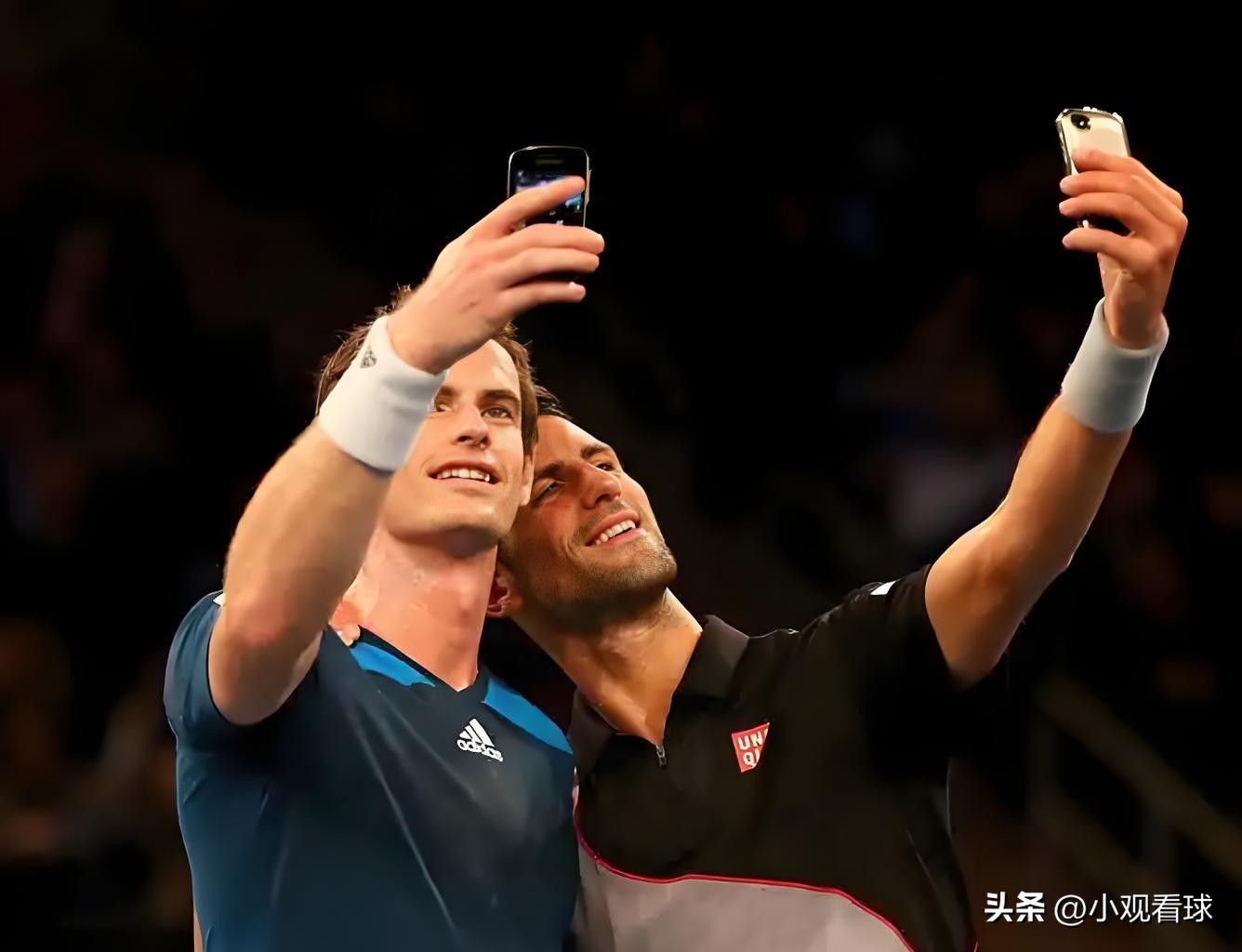
Over 25 years, they met 36 times, often facing off in finals of Grand Slams and Masters events, yet never engaging in ill will; they witnessed each other’s highs and lows, shared career triumphs and disappointments, and supported one another in family life. When Nadal retired, they joined Federer at the ceremony, a rare “Big Four” reunion symbolizing tennis’s golden era. When Murray humbly acknowledged that the “Big Three” had surpassed him, Djokovic still regarded him as “one of the greatest rivals of my career.”
Today, Djokovic continues chasing records on the professional circuit, while Murray has embraced coaching to start a new chapter. Their friendship, spanning a quarter century, has long transcended wins, losses, and roles. They proved that true friendship can coexist with fierce competition on court and mutual support off it; it can begin in youth and keep renewing its brilliance over time.
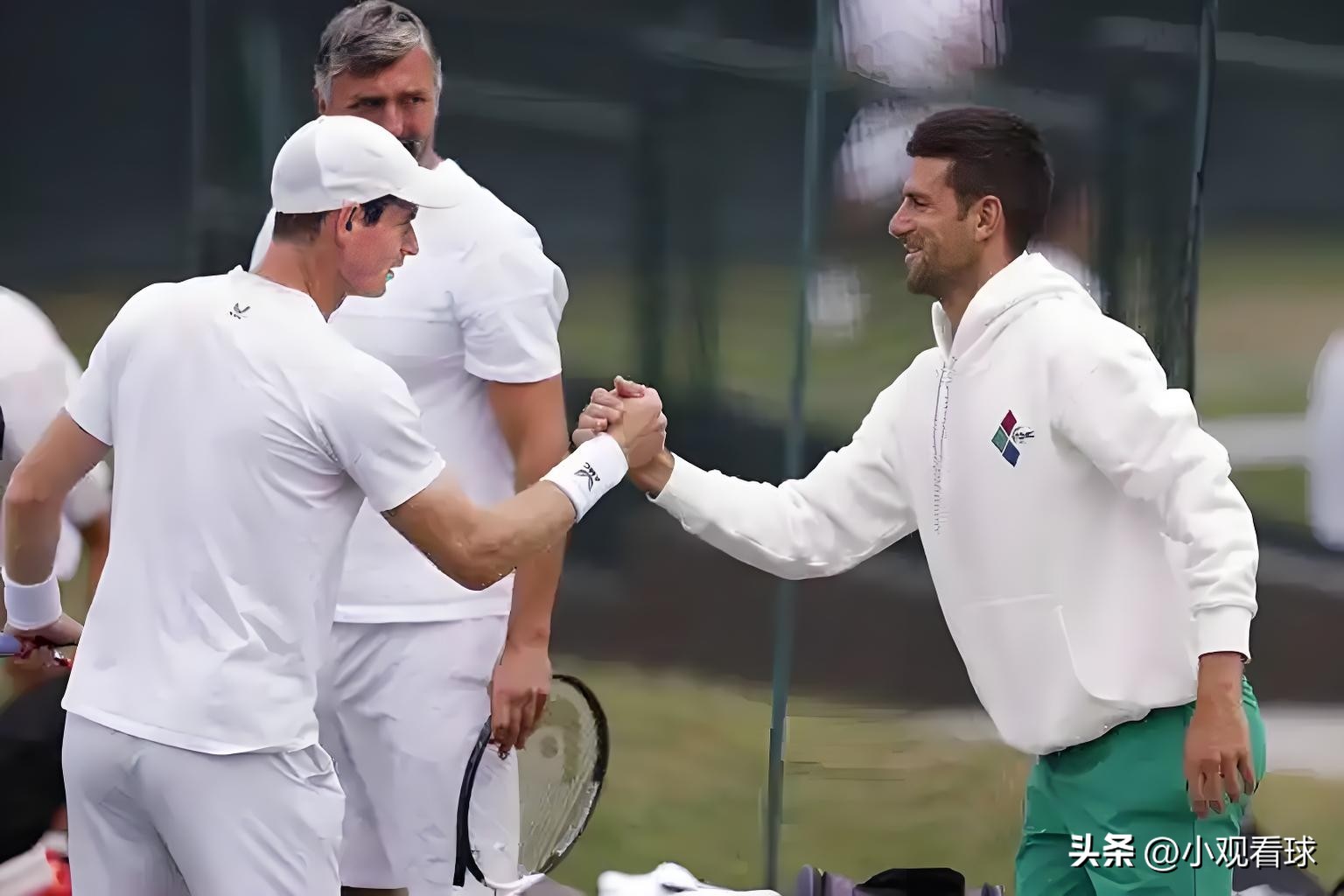
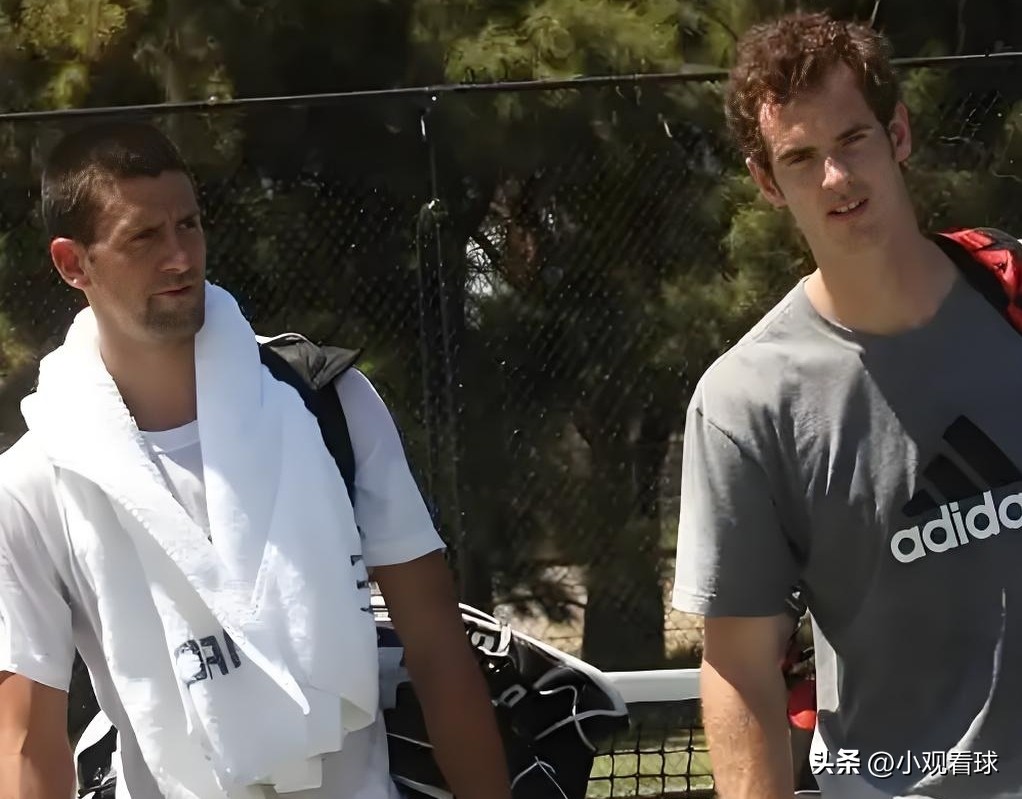
The story of Djokovic and Murray is deeply moving—a warm highlight of tennis’s golden age and a beautiful portrait of competitive sports: because of a formidable rival like you, I became better; because of a sincere friend like you, all glory and setbacks gain deeper meaning.
Their story answers a debated question: can competitors truly become genuine friends?
Perhaps one day, the “Big Three” of Federer, Nadal, and Djokovic will casually chat together, but they undoubtedly missed the chance to become close friends.
Djokovic and Murray’s friendship across time is destined to be forever etched alongside their legendary careers in tennis history.
[Look at me][Look at me][Look at me][Bow][Bow][Bow]
#TennisTidbits##ATP[SuperTopic]##TennisLegends##TennisStories##BigFourTennis#

 Links
Links
 Contact
Address:UNIT 1804 SOUTH BANK TOWER, 55 UPPER GROUND,LONDON ENGLAND SE1 9E
Number:+85259695367
E-mali:[email protected]
 App
App


