



Sabalenka on Who Is Stronger Than Herself: All Active Female Players Defeated, Even Sharapova Left Out, Serena Williams Stands Alone



The 2025 season has wrapped up, with world No.1 Sabalenka proving her exceptional prowess once more. She maintained the world No.1 spot all year and reached the finals in three out of four Grand Slams, illustrating her “queen-level” control. This raises the question: who, in Sabalenka’s view, surpasses her strength?
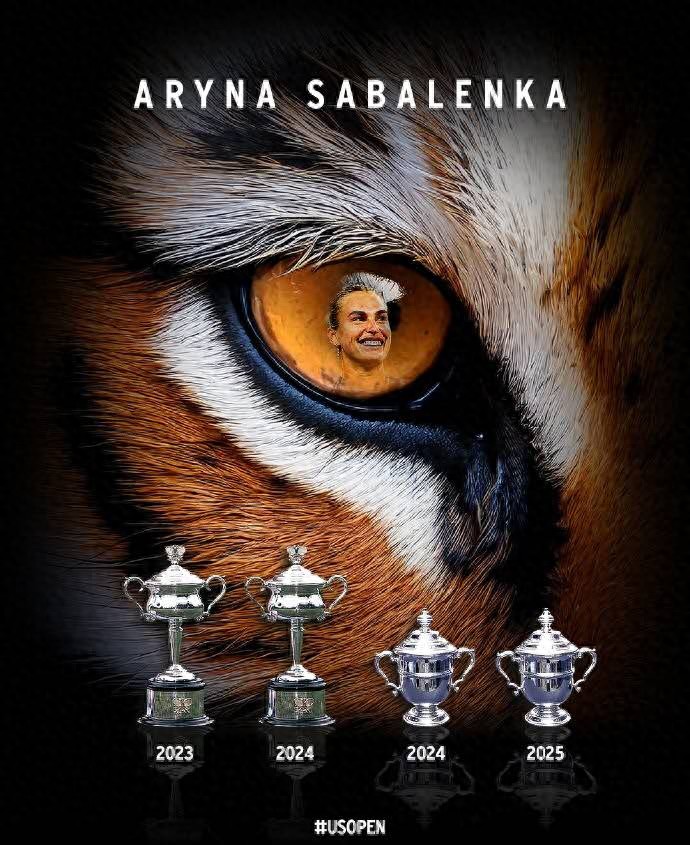
Recently, on a lighthearted interview show, Sabalenka took part in a fun game called “Who’s Stronger Than You.” However, her candid and straightforward answers unexpectedly sparked widespread debate about the legacy and status of women’s tennis players throughout history.
The game’s rules were simple yet sharp: the host would read out player names one by one. If Sabalenka believed the player wasn’t stronger than her, she remained silent; if she thought they were stronger, she had to respond affirmatively.
Faced with a series of names, Sabalenka’s reactions were intriguing. When hearing names like Paolini, Anisimova, Andreescu—peers or rising stars—she confidently stayed silent. Even when the names included current world No.2 Swiatek, the rising American star Gauff, or retired legend Sharapova, Sabalenka chose silence.
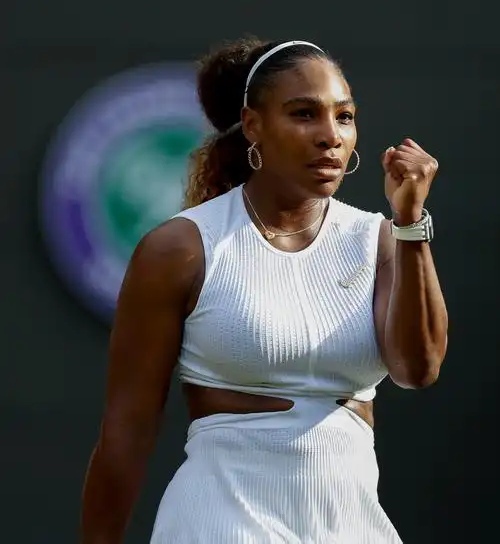
It wasn’t until the host mentioned “Serena Williams” that she responded without hesitation. This clear choice drew a distinct line in her mind: among active and recent players, none surpass her, except for the most dominant icon in women’s tennis history—Serena Williams—whom she openly acknowledges as the “stronger one.”
Sabalenka’s choice quickly ignited discussion and controversy inside and outside the tennis community. Supporters saw it as a reflection of her top-level confidence and ambition—a natural expression of a champion’s mindset. Yet many fans and commentators disagreed: was ignoring current No.2 Swiatek too subjective? Did placing Sharapova below herself overlook her Grand Slam achievements and historical significance? The debate centered on whether this instinctive choice should be viewed as confident gameplay or a serious judgment of players’ legacies.
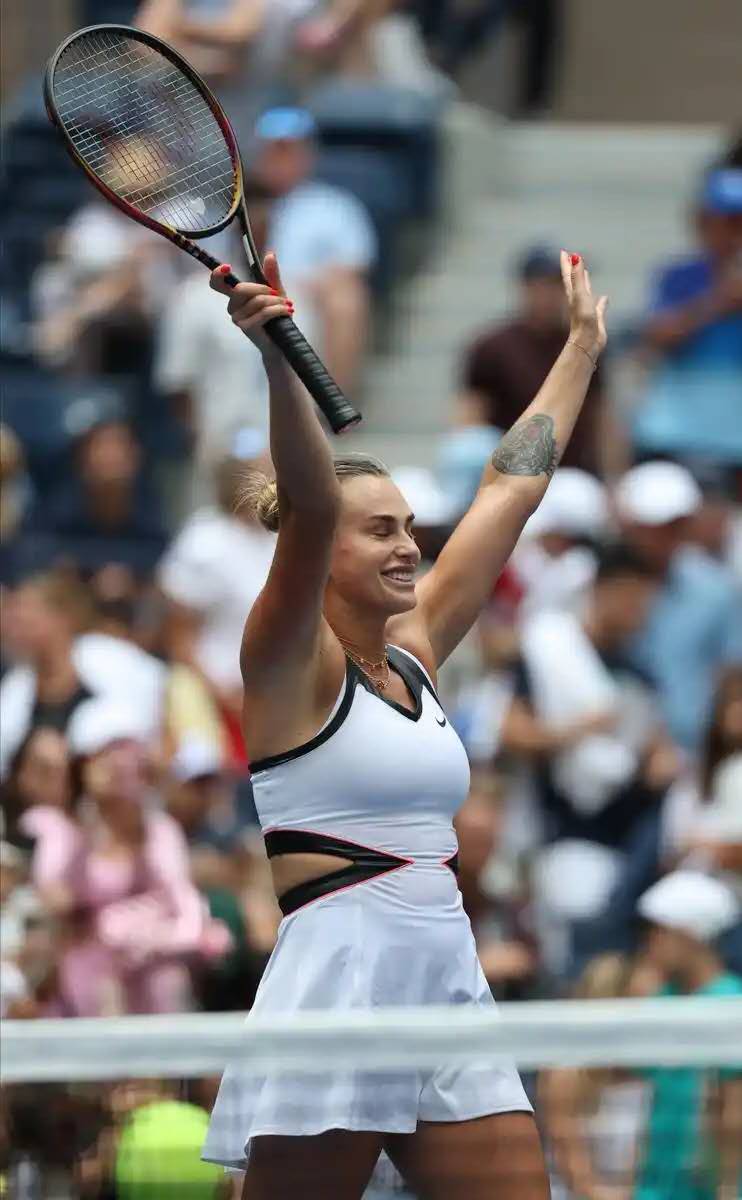
Online discussions exploded instantly. Some fans praised, “This is Sabalenka’s dominance! She only sees the all-time greats—this is the mindset of a true champion.” Swiatek supporters retorted, “Where is the respect for the current top player? Head-to-head records and major results should matter.” Sharapova’s fans lamented, “Maria’s five Grand Slam titles and career Grand Slam should not be dismissed lightly.” Many rational voices pointed out, “It’s just a game reflecting personal perception at the moment, not an objective historical ranking.”
Several tennis legends and insiders also shared opinions. Former world No.1 and commentator Chris Evert said, “It’s interesting and shows Alina’s huge confidence. But in my view, Serena is in a class of her own, followed by Sharapova, many outstanding contemporaries, and now Iga (Swiatek), all with brilliant, era-defining achievements. Comparing across eras is inherently complex.” Another veteran suggested Sabalenka’s response might highlight a current phenomenon in women’s tennis: the lack of a long-term, absolute dominant figure like Serena Williams, leading top players to challenge each other fiercely.

From a relatively rational perspective, Sabalenka’s choice can be seen as an expression of a “me-first” mentality typical of athletes at their peak, affirming her confidence in her own strength. Naming Serena alone is a widely shared tribute to the unparalleled career of the 23-time Grand Slam champion, almost universally acknowledged in tennis circles.
As for Sharapova and other greats, their historical achievements are already firmly etched in history and won’t be diminished by a quick verbal game response. The value of this game lies less in the answer given and more in raising an eternal question: how do we compare legends from different eras?
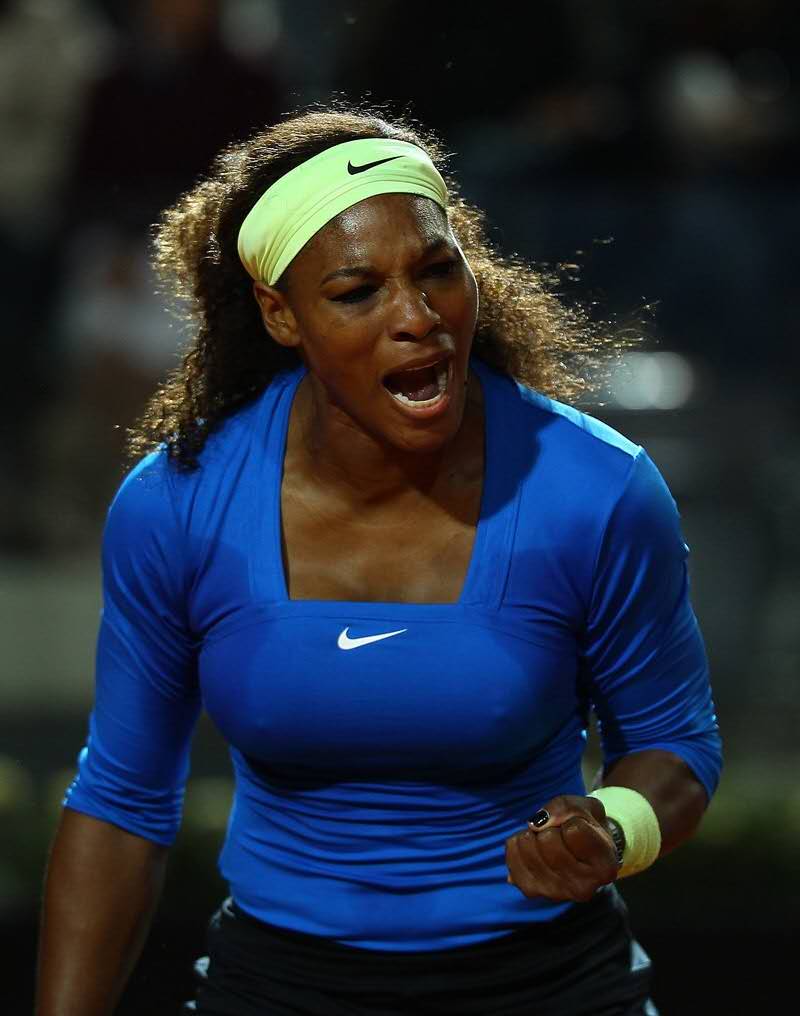
Regardless, Sabalenka’s frank game answers have stirred waves about strength, confidence, and history. Behind this is a strong signal of her ambition to define her own era. In the “post-Serena era” scramble, she is battling with racket and will to claim the throne of the new age. Serena Williams, the lone figure she fully acknowledges, stands as the distant summit and ultimate beacon inspiring her climb. The charm of tennis lies precisely in this timeless story of legacy and surpassing.(Source: Tennis Home, Author: Lu Xiaotian)

 Links
Links
 Contact
Address:UNIT 1804 SOUTH BANK TOWER, 55 UPPER GROUND,LONDON ENGLAND SE1 9E
Number:+85259695367
E-mali:[email protected]
 App
App


