



Full structural reconstruction! Can Klopp's comeback really save Germany?



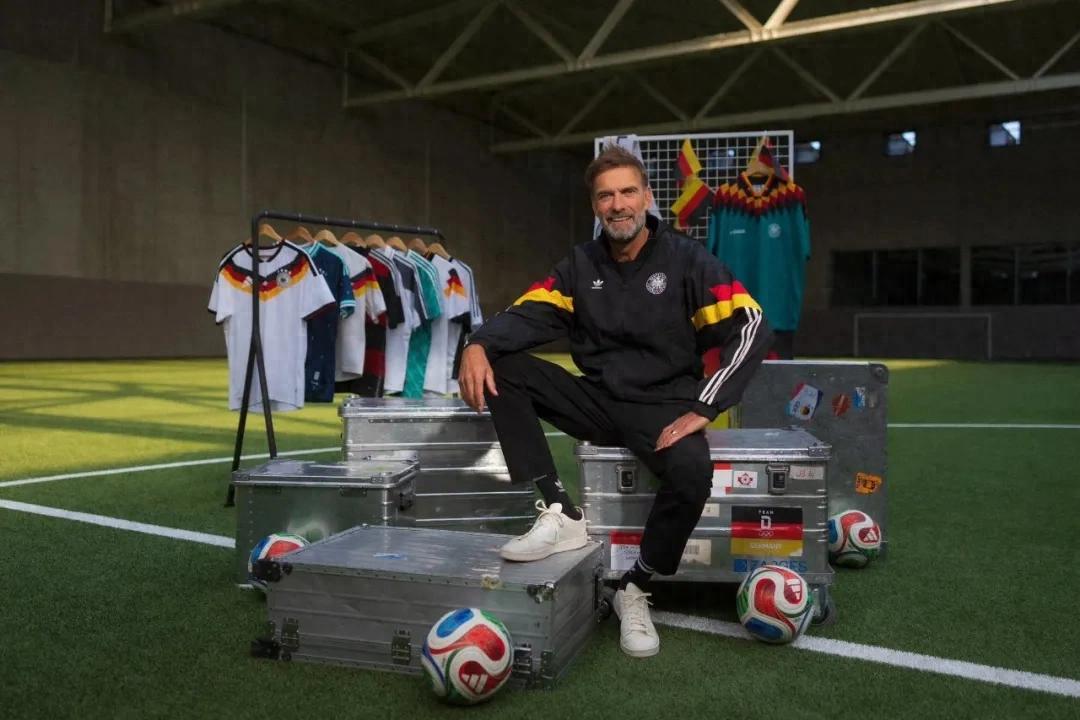
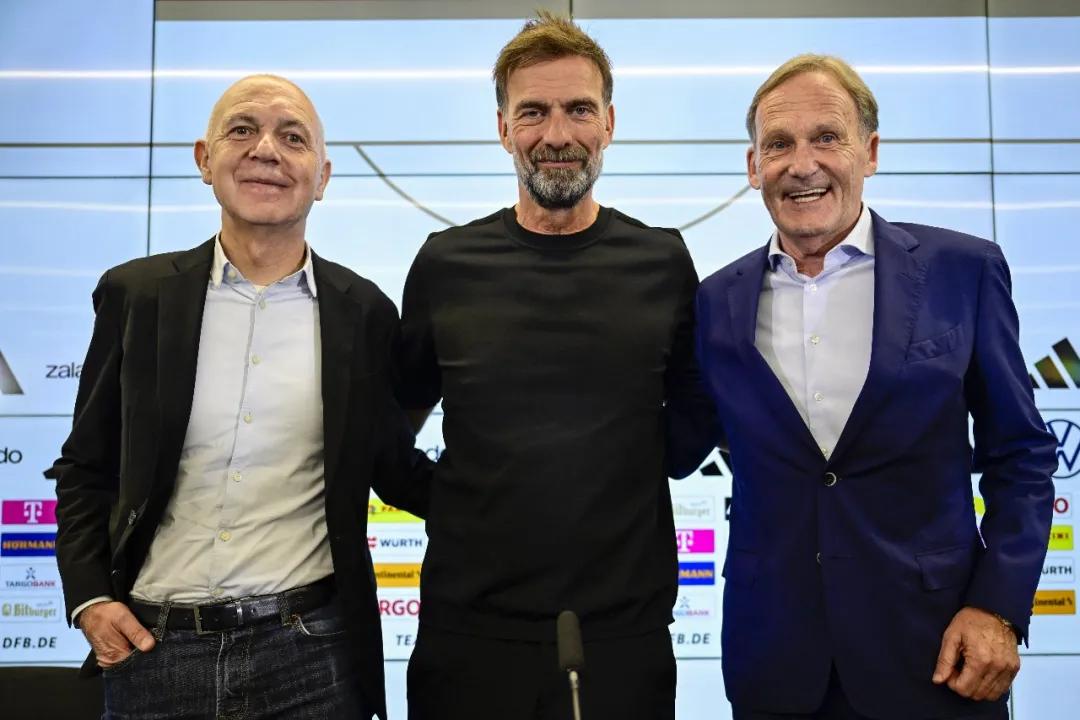
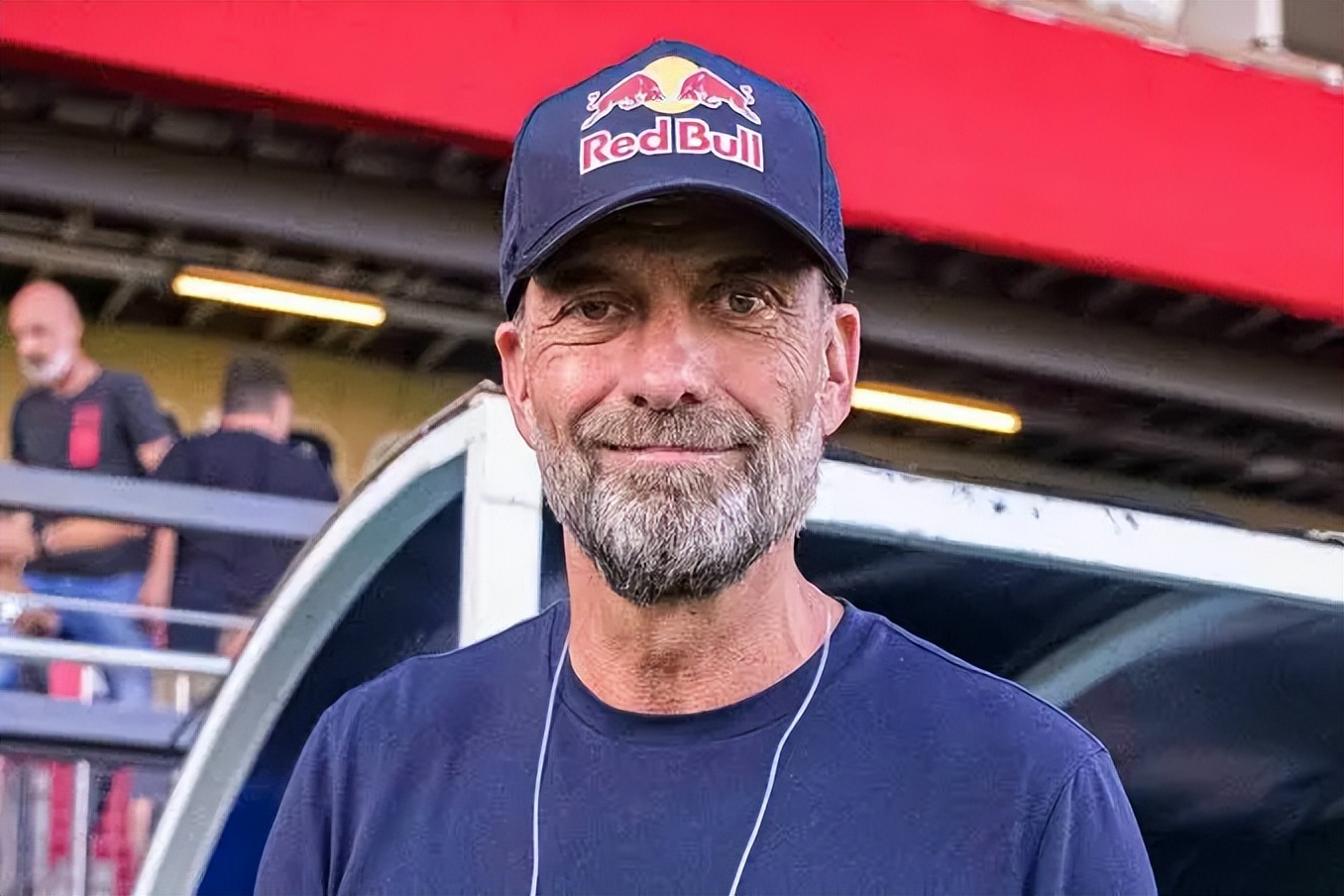
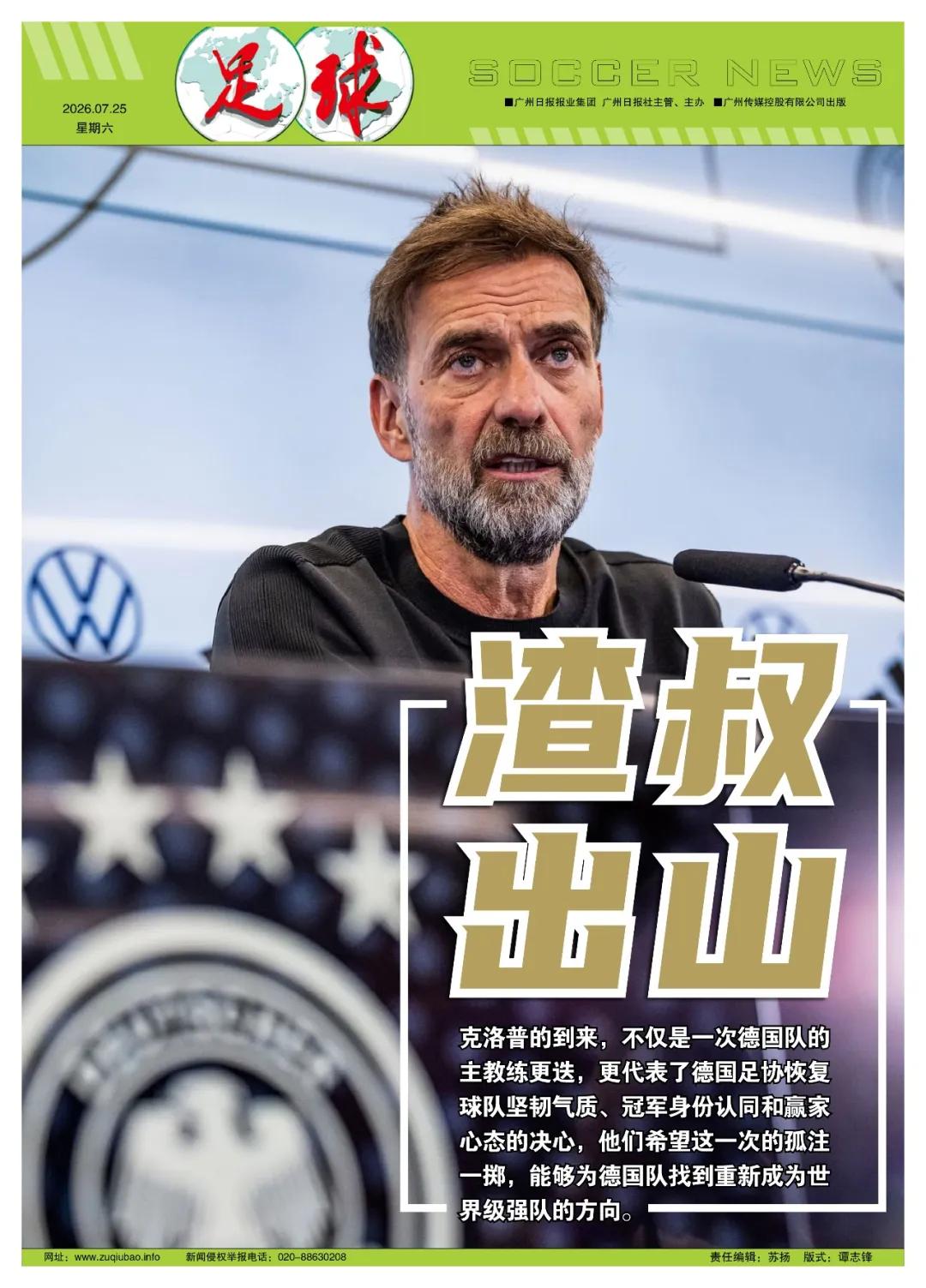
Written by Han Bing. To revive German football, the DFB chose the most expensive approach. On July 24, the DFB officially announced that 59-year-old Klopp would become the new head coach of the German national team, with a contract running until the end of the 2030 World Cup. The DFB's "expensiveness" is not only reflected in Klopp's highest-ever salary in team history, surpassing Nagelsmann (German media estimates around 10 million euros), but also in the fact that the DFB must donate 1 million euros to the Red Bull Group's charitable foundation supporting spinal cord injury research, as a formal "release fee".
Moreover, the DFB unprecedentedly granted Klopp full authority over the operation of the German team. Klopp can freely choose his assistant coaching team and implement structural reforms for the German team without any interference. The former German international Mertesacker, who will become the DFB's sporting director at the end of the year, will also serve as an assistant to facilitate communication between Klopp and the DFB.

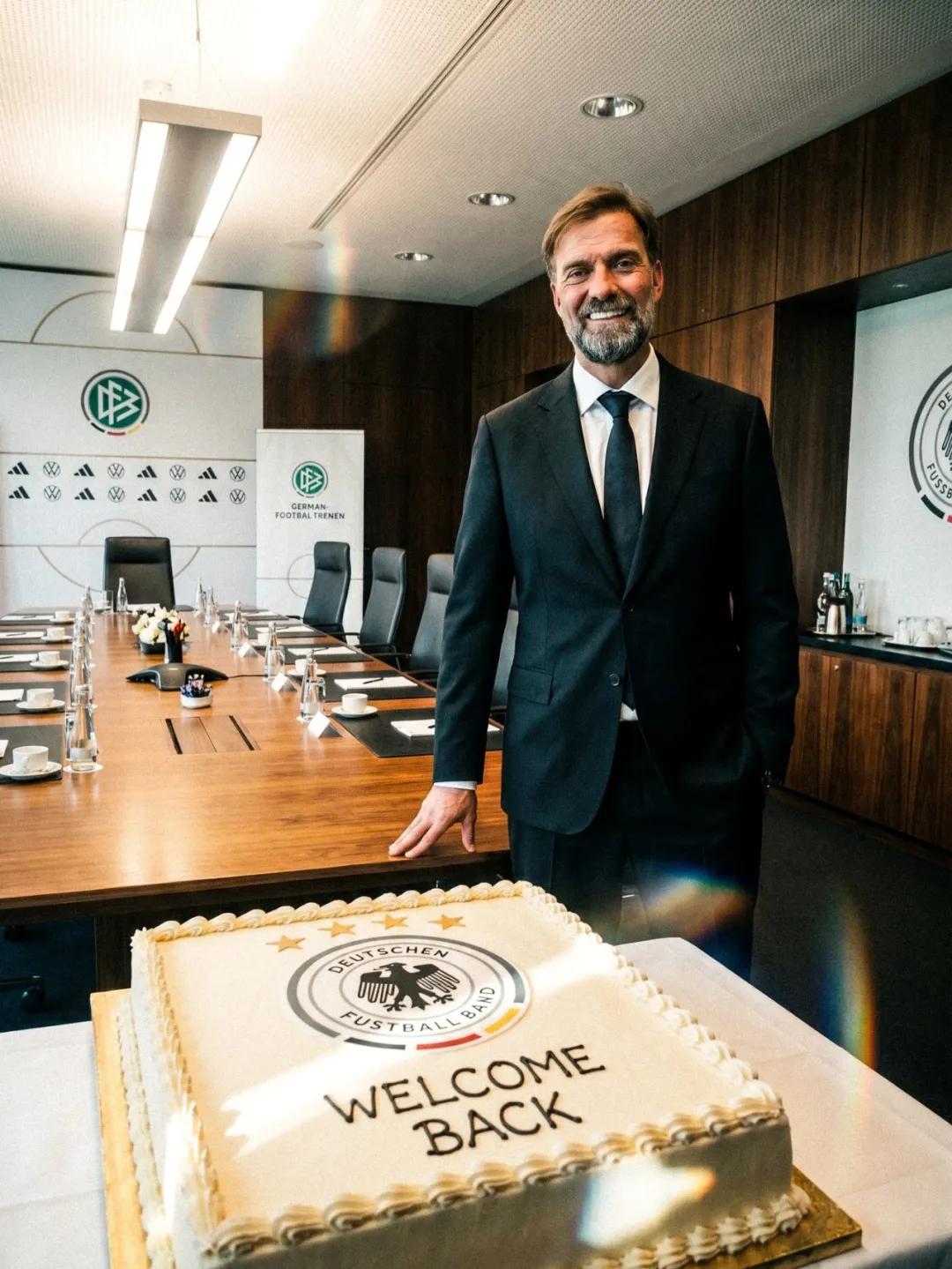
As the 13th head coach and 15th manager in the 100-year history of the German national team, Klopp, who has not coached for two years, feels a great sense of responsibility: "Hardly anything else unites Germans like the national team does, which is why this position is so special to me. My team wants to provide a complete plan to revitalize the German team and deeply participate in its structural reform. I want to improve everything so that the German team can return to the top. I have never been a coach who just trains and goes home. I already feel the responsibility towards all German fans. We will do our utmost to do well, and I am looking forward to this challenge."
After Nagelsmann's disastrous defeat, German media believe the German team has reached a desperate situation where comprehensive reform is necessary. The DFB chose Klopp primarily because of his top-notch coaching résumé, and secondly because of his extensive network in German football from years of coaching in the Bundesliga, ensuring strong support from clubs. Also, he is known for nurturing young talent. The DFB hopes that new talents like Wirtz, Musiala, Karl, Said Malá, and Eichhorn can grow into top stars, and that more young players will be discovered by Klopp.
Of course, the DFB's biggest expectation is Klopp's future structural reform of the German team. Klopp has previously discussed areas where he believes German youth training can be improved, especially in providing more opportunities for newcomers. German media believe that although there is no specific plan yet, Klopp's structural reform should establish a complete national-level system for talent selection, training, and competition for the German national team. It aims to rebuild the "iron-blooded character" of German football, achieving a relatively complete unity of style and temperament from top to bottom.
German media and fans are excited enough about Klopp's appointment. During this World Cup (USA-Canada-Mexico), Klopp can be considered one of the biggest winners. He worked as a commentator for German TV Magenta TV and appeared in TV commercials for major brands like Budweiser, with exposure no less than his predecessor Nagelsmann. Now, Klopp is coaching the German team with the highest salary in history, becoming the most powerful German national team coach in 100 years since Nerz in 1926.
A recent poll by German magazine Kicker showed that 80% of fans support Klopp's appointment. In addition, German football legends such as Effenberg, Götze, and Reus have also expressed their support for the coach. Götze believes that the secret to Klopp's success is not only advanced tactics but also excellent management skills: "Managing players, managing expectations, seeing players as a whole—he understands these things perfectly. He knows exactly what he wants and what he demands. That's why he is so successful." Even Dortmund's CEO, Krämer, thinks that Klopp can bring back the tough mentality that the German national team has been missing for a long time.
Of course, there are also dissenting voices. Schweinsteiger believes the DFB acted too hastily and should have considered multiple candidates instead of flying directly to New York to lock in Klopp after the team's elimination. As for the minority led by former DFB president Zwanziger, their concerns about Klopp being a channel for Red Bull Group's capital influence to infiltrate the German team are somewhat exaggerated.

Returning to coaching after two years, Klopp admitted he doesn't yet know what life as a national team coach will be like. "I live in Wiesbaden, and I will definitely go to Frankfurt often. I will watch matches in every country where the players under consideration are playing, and I think maintaining more contact with the players is more important than just watching games."
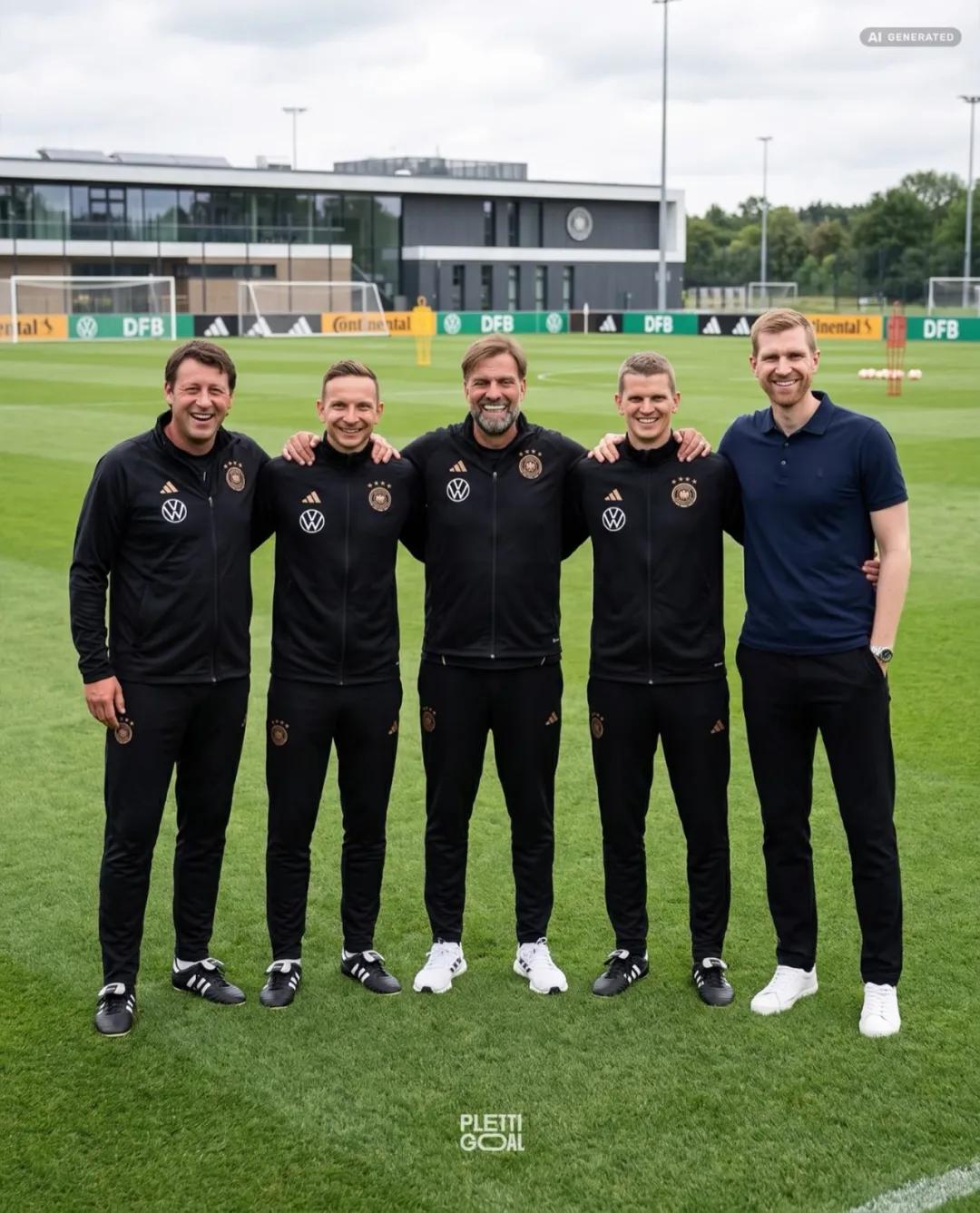
Although he joked that "fortunately, I don't have to lead training tomorrow," Klopp has already started building his coaching team. In addition to long-term assistant coaches Krawietz and Laitzes, former Dortmund midfielder Sven Bender will also join. The two worked together at Dortmund for six years and know each other well. Bender will become the key figure to help the dressing room better "understand" Klopp, accelerating the implementation of Klopp's tactics in the German team.
To eliminate any concerns, Klopp resigned from his honorary title as Red Bull Group's football ambassador and his substantive position as global football director, focusing entirely on coaching the German team. The DFB's donation to the Red Bull Group also completed the complete separation between Klopp and Red Bull. Despite receiving support from most German fans, Klopp's challenges remain formidable. He doesn't have much time to rebuild the German team, as his debut as head coach will be on September 24 in the UEFA Nations League group stage against the strong Dutch team.
Goretzka believes that it will be very difficult for Klopp to quickly change the German team: "Psychologically, the German team has suffered three consecutive major tournament setbacks and is at its lowest point. What he needs first is to boost confidence in the dressing room and the outside world, so that the whole country can believe in the team's strength again." However, Klopp's personal charisma and ability to connect with people are key to his success. He knows how to motivate everyone in the dressing room to give their all for the cause, while also winning the support of fans and the media.
What fans are most concerned about is how Klopp's German team will be formed. After Neuer's retirement in the Klopp era, the goalkeeper position will see Ter Stegen and Baumann, with Bayern's young goalkeeper Urbig likely to be included. German media confirm that Klopp will not keep Kimmich at right-back. RB Leipzig's Congolese-descended full-back Baku may form a pair of wing-backs with Bayern's summer signing Brown, playing an important role in Klopp's tactical system. Jonathan Tah and Schlotterbeck will remain the center-back pairing, while the midfield will be a partnership between Kimmich and Pavlović.
Klopp's German team may return to the 4-2-3-1 formation he used during his time at Dortmund. In addition to restoring the form of Musiala and Wirtz, players like Cologne's Malá, Bayern's Karl, Dortmund's Nmecha, and Stuttgart's Still could become new protagonists under Klopp. Klopp's arrival is not just a change of head coach for the German team; it also represents the DFB's determination to restore the team's resilient character, championship identity, and winning mentality. They hope this all-or-nothing gamble will find a direction for the German team to become a world-class powerhouse again.


Wonderfulshortvideo
User soccer has posted a video.


real madrid news today barcelona news today la liga news today lamine yamal goal today lamine yamal assist
WHAT A WEEKEND for Godolphin
It’s like watching the Mona Lisa being painted 🤯
Valid crash out‼️
haaland goal today haaland edit haaland injury news haaland vs ipswich man city 3-2 ipswich town
The walk in question 😮💨
 Links
Links
 Contact
 App
App