



Klopp takes the helm, entrusted during a time of defeat, as the German war machine embarks on a new journey.


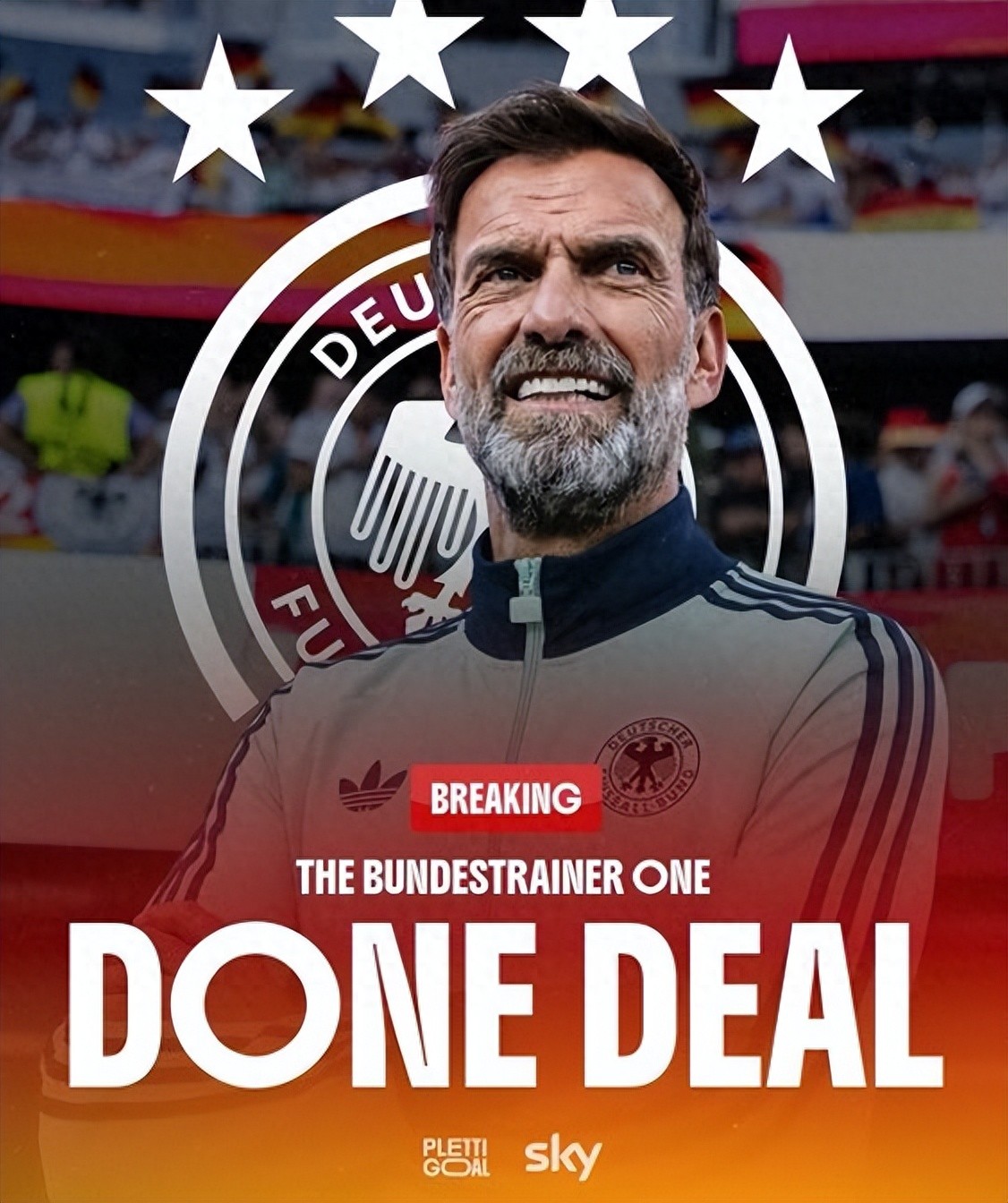
At 5:00 PM Beijing time on July 24th, the German Football Association will hold a press conference in Frankfurt to officially announce Jürgen Klopp as the new head coach of the German national team. This news was confirmed for the fourth time by renowned journalist Fabrizio Romano with his iconic "Here We Go," and German Sky Sports reporter Florian Plettenberg also shared the detailed schedule: Klopp will meet with DFB executives in the morning local time to sign the contract, then make his public debut as the new coach.
The four-year contract runs until July 2030, covering the next World Cup cycle, marking the official start of a rebuilding phase for German football after three consecutive disappointing World Cup campaigns. Klopp's appointment is widely seen as a critical decision by the DFB, made "in the hour of defeat, at a time of crisis." Since leaving Liverpool in 2024, Klopp has stepped away from the sidelines but has never been far from the core of football, with his coaching philosophy and charisma already deeply rooted in the sport. Now, his return to take charge of the national team is not only a redefinition of his own career but also an active embrace of the mission to revive German football.
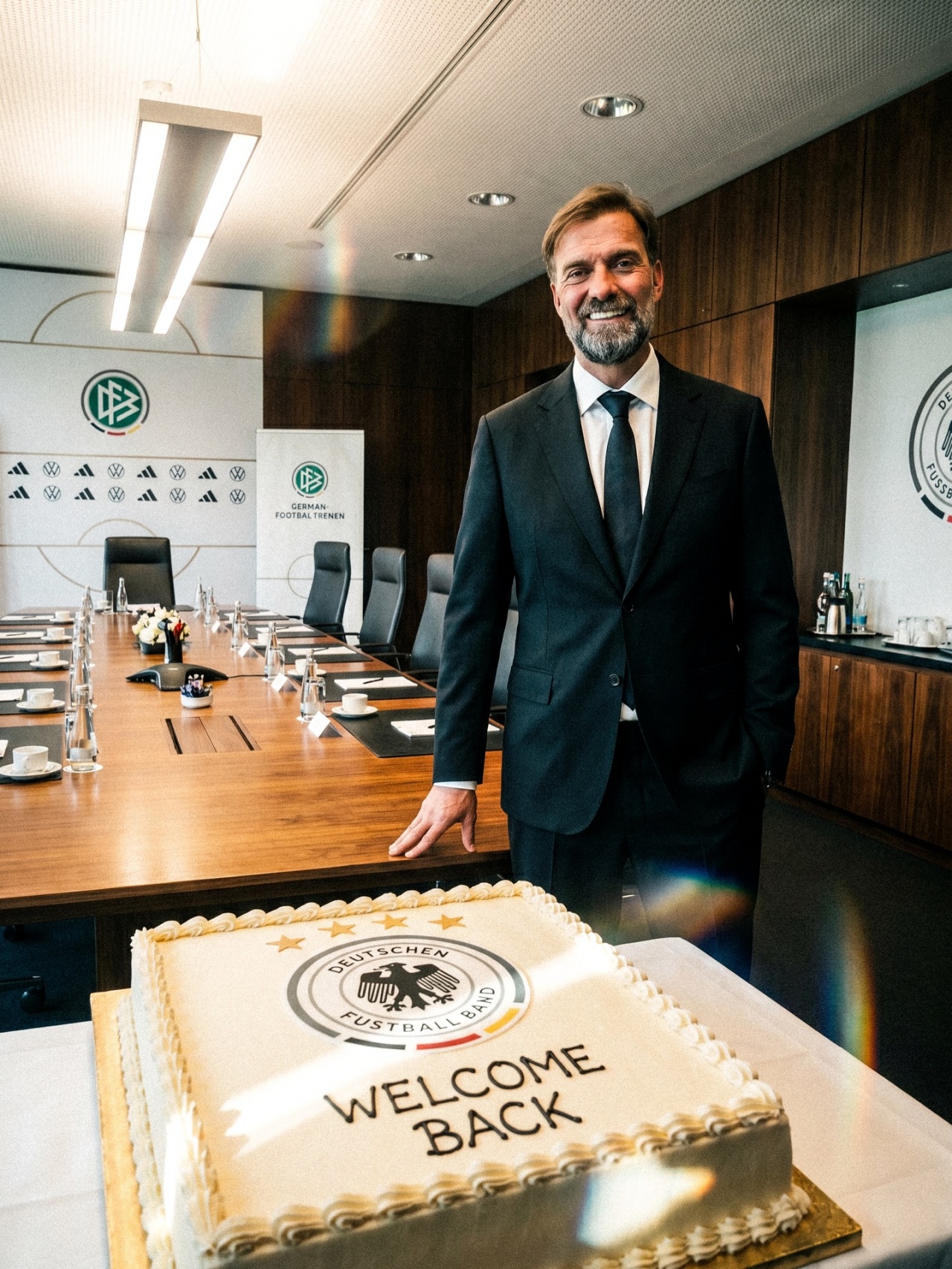
Klopp's coaching staff is also taking shape. According to multiple sources, he will bring along his long-time partners Peter Krawietz, Pep Lijnders, and former Borussia Dortmund player Sven Bender to form the core coaching group. This combination brings tactical execution, player communication skills, and a deep understanding of German football culture, injecting a familiar and efficient operational mechanism into the national team. Notably, Klopp will enjoy unprecedented autonomy in coaching—the DFB has explicitly granted him leadership over player selection, tactical systems, and even youth integration, a level of authority not seen since Jürgen Klinsmann. This "trust through delegation" is both recognition of Klopp's abilities and a reflection of the DFB's institutional introspection after painful lessons.
From Red Bull's global head of football to national team manager, Klopp's transition is not a simple return but a strategic upgrade. His departure agreement with Red Bull involved a €1 million donation from the DFB to the "Life Wings" foundation, avoiding legal disputes while highlighting a charitable orientation, setting a new paradigm for personnel movements in professional football. This detail also hints that Klopp's coaching will focus not only on wins and losses but also on reshaping the spiritual core and social value of German football.
The enthusiastic response from fans confirms the popularity of this appointment. The cry that "the German war machine is coming back" is not just a nostalgia for past glory but also an expectation for future change. Klopp's passion, honesty, and tactical innovation are exactly what the current German team lacks most. He once sparked a youth revolution at Dortmund and rebuilt a dynasty at Liverpool. Now, he faces a more complex and weighty challenge: how to balance tradition and innovation, and how to make the national team a focal point of national emotion once again.
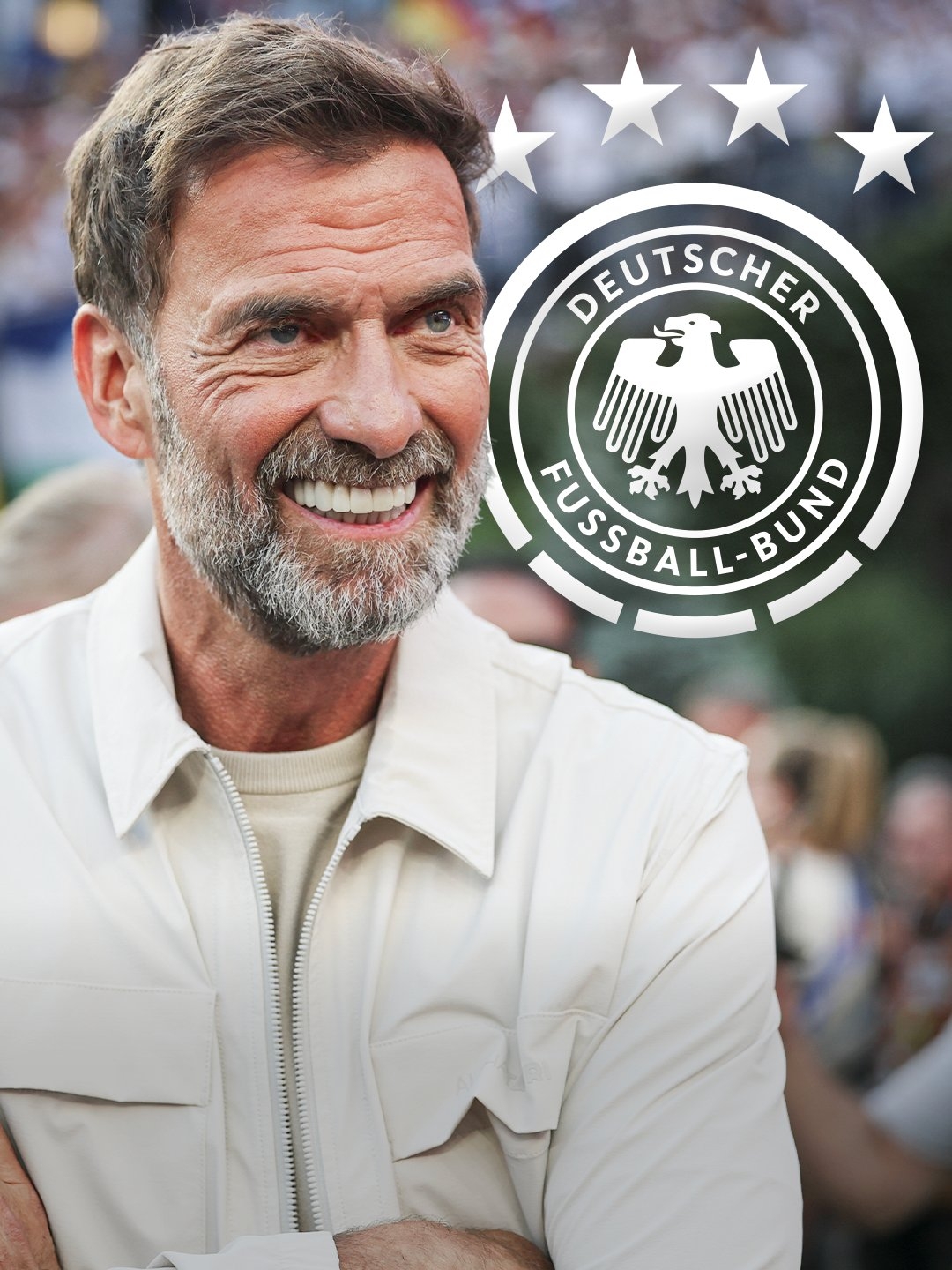
The upcoming schedule leaves no room for rest. Klopp's debut will be on September 24th in the Nations League away match against the Netherlands, followed by four games in 11 days, including home matches against Greece and Serbia. This intense start is both a challenge and an opportunity—it demands the new coach quickly establish a tactical framework, build team consensus, and test squad depth under pressure. On August 22nd, the Franz Beckenbauer Super Cup will see Klopp appear at Borussia Dortmund's home stadium as a DFB representative, which is not only a tribute but also a symbolic "homecoming declaration."
Klopp's appointment is not just a coaching change but a return of a football philosophy. He brings not only tactical adjustments but also a belief: football can be passionate and dignified; a national team can pursue excellence without sacrificing humanity. At a time when German football urgently needs to redefine itself, Klopp's arrival is like a light illuminating the path ahead.
The German team suffered defeat in the US, Canada, and Mexico, exiting the 2026 World Cup in the round of 32. Now the engine of the German war machine has been restarted. This time, the driver knows the temperament of every screw and understands how to make the whole machine roar again.
Watch football on Migu Video! #PenAndInkOnFootballDecidesTheWorldCup#


Wonderfulshortvideo
User soccer has posted a video.


real madrid news today barcelona news today la liga news today lamine yamal goal today lamine yamal assist
WHAT A WEEKEND for Godolphin
It’s like watching the Mona Lisa being painted 🤯

Valid crash out‼️
haaland goal today haaland edit haaland injury news haaland vs ipswich man city 3-2 ipswich town

The walk in question 😮💨
 Links
Links
 Contact
 App
App