



Chelsea and Tottenham: Two Overhauls, Two Philosophies



Chelsea and Tottenham both went into the summer of 2026 undergoing significant reconstruction following underwhelming campaigns, each hiring a new head coach and investing heavily to revamp their rosters.
However, a closer look at the completed transfers and the way each club approached the market reveals two completely different philosophies at play.
Chelsea's Transformation
Chelsea's tenth-place finish in the Premier League last season forced the board to adjust their strategy. After years of pursuing young talents on long-term contracts, the Stamford Bridge side now prioritizes younger players who have already proven their worth in the Premier League.
The most notable signing is Morgan Rogers from Aston Villa. Chelsea agreed to pay a staggering £117 million to bring the 23-year-old England international to Stamford Bridge on a six-year deal. This is not only the highest transfer fee in Chelsea's history but also makes Rogers one of the most expensive English players ever.
The remarkable aspect is not the figure itself. Morgan Rogers had two successful seasons at Aston Villa, scoring 10 goals in the 2025-26 Premier League, playing a key role in their Europa League triumph, and cementing his place in the England squad for the 2026 World Cup. Chelsea is no longer betting purely on potential; they are investing in a player who has already demonstrated his ability to shine at the highest level.
In addition to Rogers, Chelsea officially completed the signing of Geovany Quenda from Sporting CP (£40 million) under a previously agreed deal, and also added defender Marco Palestra from Atalanta (£43 million). Both are still very young but are considered ready to compete for first-team spots immediately.
On the outgoing side, Chelsea also aggressively trimmed their squad to balance the books. Several players who no longer fit the new direction were sold or allowed to leave, generating funds for the rebuilding plan under Xabi Alonso.
Looking at how Chelsea operates in the market, it's clear they haven't abandoned their youth policy, but the recruitment criteria have shifted. Age still matters, but top-level experience and the ability to contribute immediately are now the priorities.
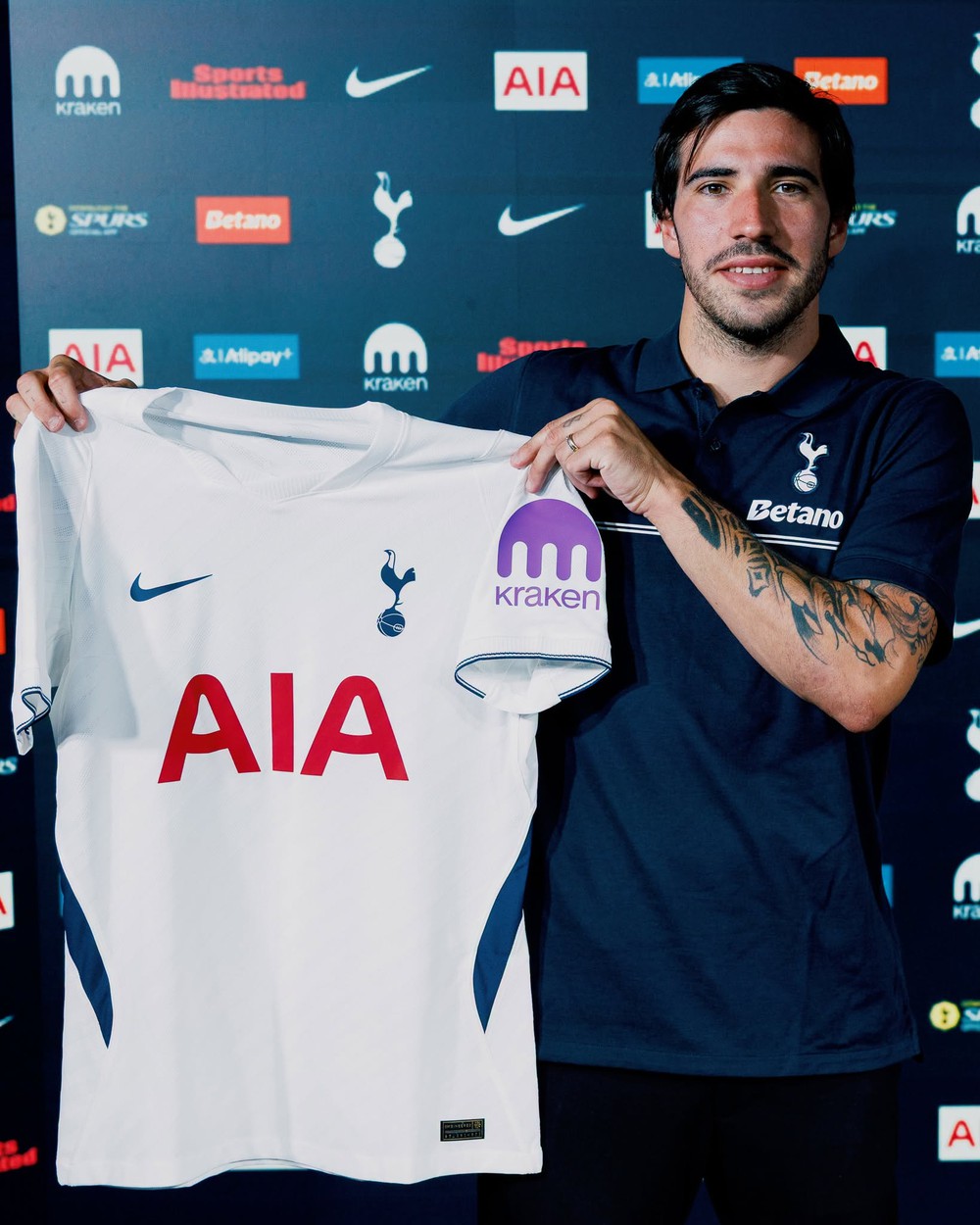
Sandro Tonali joined Tottenham from Newcastle for £100 million. Photo: Tottenham
Tottenham Caters to De Zerbi
While Chelsea moved toward upgrading quality, Tottenham took a different approach: building almost an entirely new core around Roberto De Zerbi's philosophy.
According to multiple reports from England, Spurs have already spent over £200 million in the early stages of the transfer window, and are prepared to let up to eight first-team players leave to make room for new arrivals.
The most notable signing is Sandro Tonali from Newcastle for around £100 million. Shortly after, Tottenham spent approximately £85 million to bring Mateus Fernandes from West Ham to North London. In defense, Jan Paul van Hecke joined from Brighton, while Andrew Robertson and Marcos Senesi were added on free transfers to increase depth and experience.
Looking at this list, a common thread is quite clear. Most of these players are adept at controlling the ball, comfortable in a high-pressing system, and willing to participate in build-up play from the back—core requirements of De Zerbi's philosophy.
Unlike Chelsea, Tottenham is not focused on marquee signings. They prioritize pieces that fit the system, even if it means parting ways with many players who played crucial roles in previous seasons. Spurs are willing to let players like Djed Spence, Cristian Romero, and Yves Bissouma leave if they no longer align with the Italian manager's long-term plans.
The difference between the two clubs also shows in how they allocate resources. Chelsea is willing to break transfer records to acquire a player who can make an immediate impact, like Rogers. Tottenham, on the other hand, spreads their budget across multiple positions to restructure the entire squad according to tactical requirements. Of course, both projects come with significant risks. Chelsea must prove that the £117 million fee for Rogers is a sound investment amid growing pressure for results. Meanwhile, Tottenham will need time for their new signings to adapt and turn De Zerbi's possession-based philosophy into an identity on the pitch.


Wonderfulshortvideo

User ceshi has posted a video.



User soccer has posted a video.
real madrid news today barcelona news today la liga news today lamine yamal goal today lamine yamal assist
WHAT A WEEKEND for Godolphin
It’s like watching the Mona Lisa being painted 🤯

Valid crash out‼️

haaland goal today haaland edit haaland injury news haaland vs ipswich man city 3-2 ipswich town
 Links
Links
 Contact
 App
App