



What opportunities exist for Pep Guardiola to manage the Italian national team?



Word that the Italian Football Federation (FIGC) has contacted Pep Guardiola to offer him the role of national team head coach is now a major talking point across European football.
Initial contacts between FIGC representatives and the Spanish strategist took place in Barcelona. Although the likelihood of success remains uncertain, the FIGC's focus on Pep highlights the ambition of Italian football.
The dream of the Italian national team
It is hard to understand the FIGC's decision if we only look at the search for a new head coach. In reality, Italian football is facing a much deeper crisis.
After winning EURO 2021, the Azzurri have repeatedly disappointed by failing to qualify for three consecutive World Cups. The defeat in the 2026 World Cup playoff was a major shock, triggering a series of changes at the top of the FIGC, from the management structure to the development direction of the national team.
In this context, Guardiola is seen as a symbol of a comprehensive overhaul rather than a short-term solution. From Barcelona, Bayern Munich to Manchester City, his greatest impact lies not only in the number of titles but also in his ability to build systems, shape playing philosophies, and elevate players.
According to The Times, the FIGC understands that convincing Guardiola will be very difficult, as he has previously shared that he wants to spend time with his family and rest after leaving Manchester City. However, the leaders of Italian football have decided to initiate contact, viewing this as a rare opportunity to create a professional and image boost for the national team.
This also reflects a reality: Familiar choices like Roberto Mancini, Andrea Pirlo, or Antonio Conte each have their own strengths, but they struggle to convey a sense of a completely fresh start. Guardiola, if he agrees, would be a strong statement that the FIGC is ready to change its traditional approach in order to bring Italian football back to the elite group of Europe.
Is Pep a good fit?
This is perhaps the biggest question in this potential deal. Guardiola is no stranger to Italian football. He played for Brescia and AS Roma during the final stages of his playing career, giving him a solid understanding of the Serie A environment and the typical tactical mindset of the Italians.
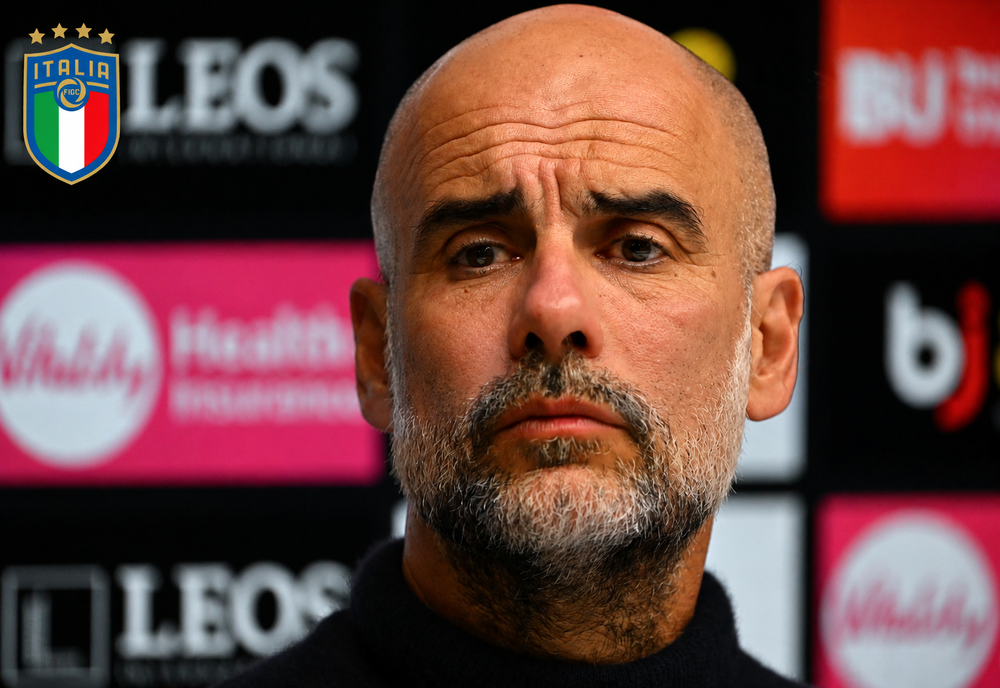
Pep Guardiola is the dream of every team, not just the Italian national team. Photo: AFP
However, Italian football has always been known for its pragmatism, defensive organization, and emphasis on balance, while Guardiola is a typical representative of the school of possession football and proactive control of the game.
That difference has sparked many debates. Legend Giorgio Chiellini even once said that "Guardiolismo" has made many young Italian defenders focus too much on ball-playing ability while somewhat losing traditional defensive qualities. Although this view is personal, it reflects the reality that Guardiola's philosophy has never been unanimously accepted by all Italian experts.
On the flip side, Serie A itself has changed significantly in recent years. Many top clubs like Inter, Bologna, Atalanta, and Napoli have placed greater emphasis on building from the back, pressing, and controlling space. Therefore, the gap between modern Italian football and Guardiola's philosophy is no longer as large as it was over a decade ago.
More importantly, Guardiola has never been rigid. Throughout his coaching career, he has always adjusted his system based on the characteristics of his personnel. This suggests that if he comes to Italy, he would likely seek to reconcile the tactical traditions of the Azzurri with the possession-based principles that are his trademark.
At the club level, Guardiola is famous for building extremely detailed operational systems. His teams spend hundreds of training sessions perfecting each phase of build-up play, each positional stance, and each transition situation.
In contrast, a national team coach only has a few training camps per year. The limited time makes it much more difficult to convey a complex tactical system.
However, history also shows that Guardiola's philosophy is not entirely foreign to international football. The Spanish national team that won the 2010 World Cup and EURO 2012 had a core of several Barcelona players who had worked under Guardiola or grown up in the La Masia system. Although Vicente del Bosque did not completely copy Guardiola's model, many principles of possession, movement, and pressing were inherited and effectively applied.
For the Italian national team, the equation will be different because the current squad does not have many midfielders capable of controlling the game at the level of Xavi or Iniesta in the past. In other words, if the deal happens, Guardiola's success will depend more on his own ability to adapt than on trying to impose a formula that made his name.


Wonderfulshortvideo
messi goal today messi assist today messi highlights vs egypt enzo fernandez goal today romero goal today argentina goals today argentina 3-2 egypt


“Wonderful player, fantastic player, could not run” 😅
Neville, Keane and Wright DO NOT agree on the future of Argentina in the World Cup 👀
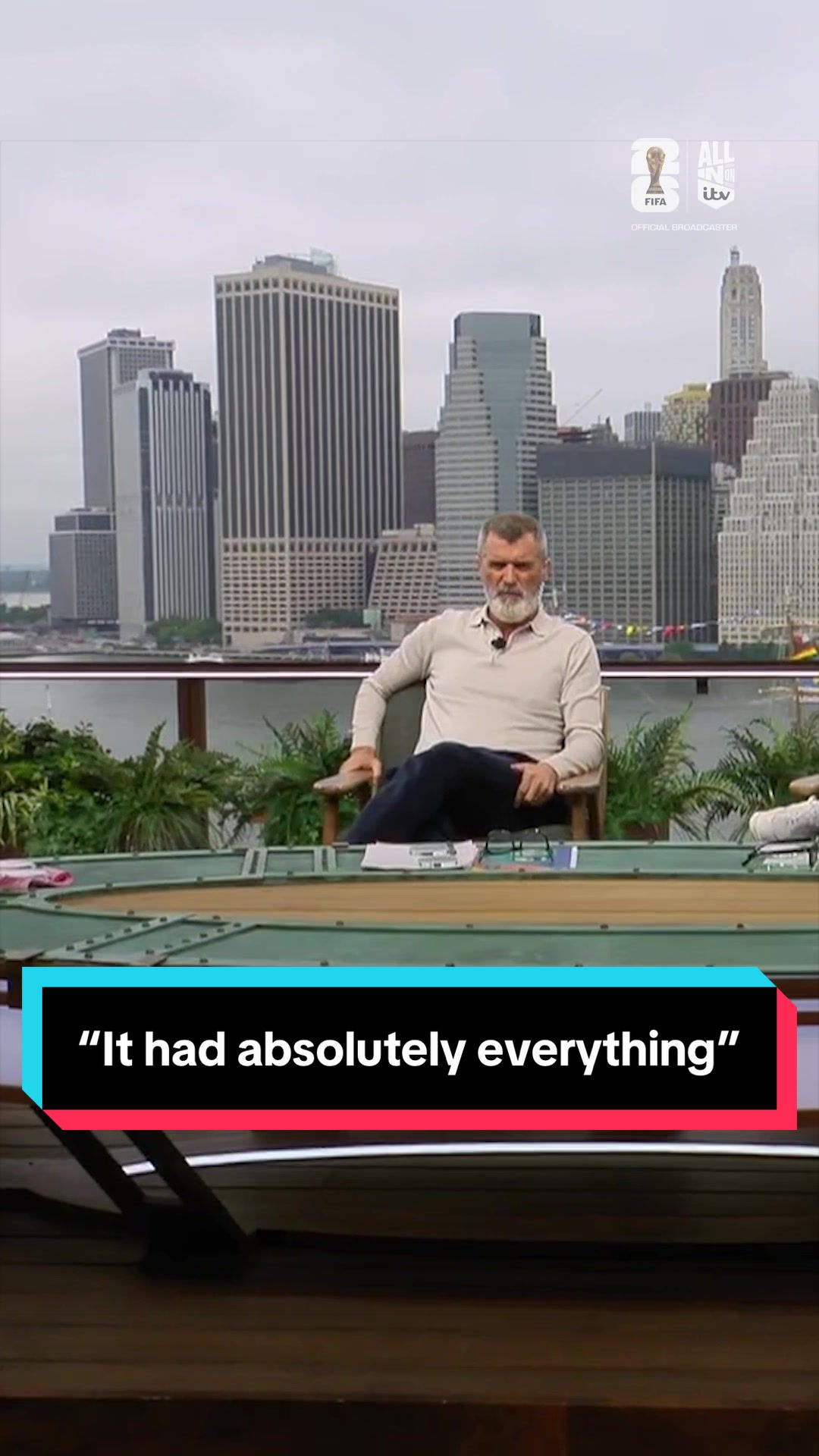
“It gave you everything” 👀
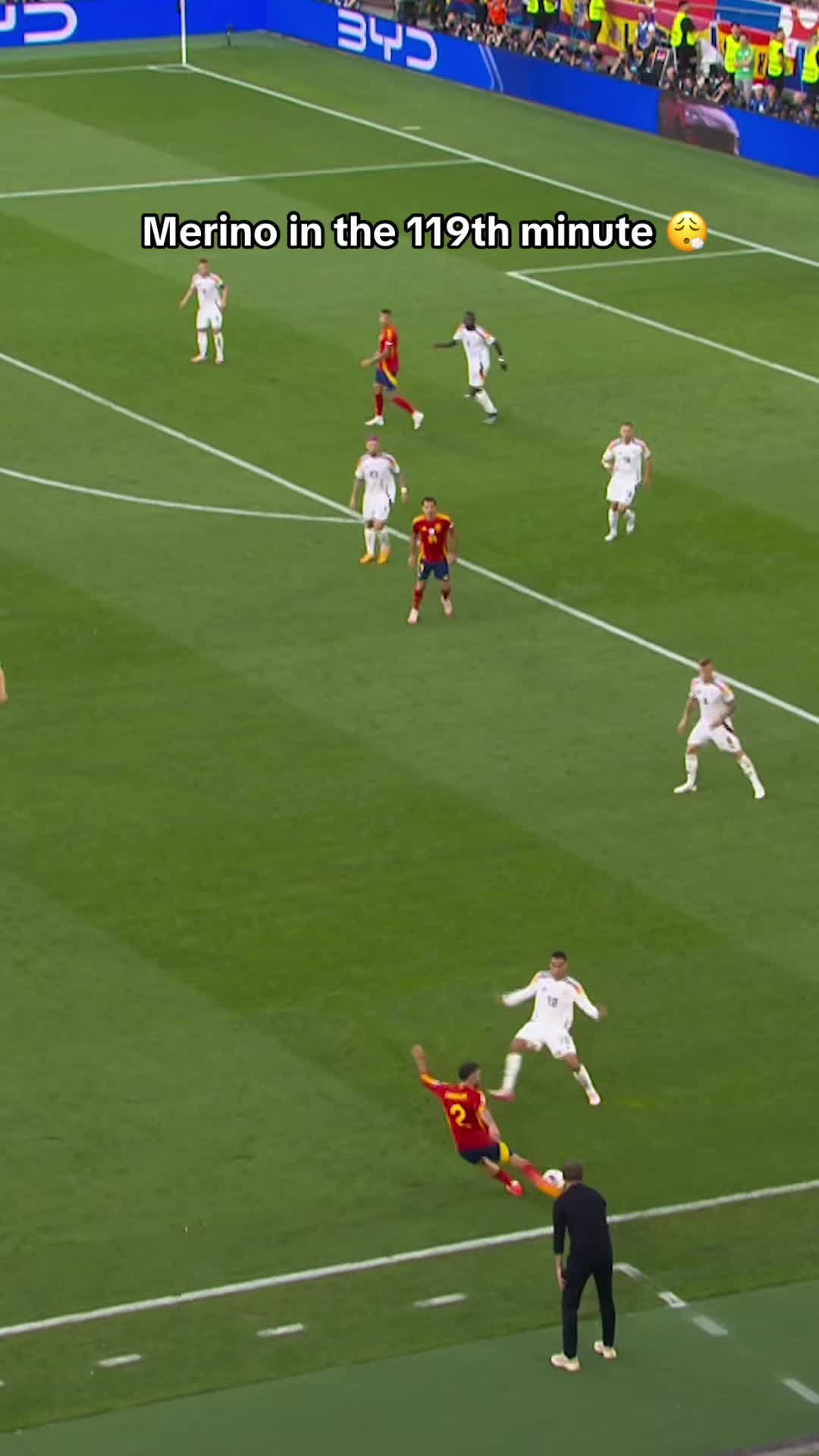
Clutch Merino 😮💨
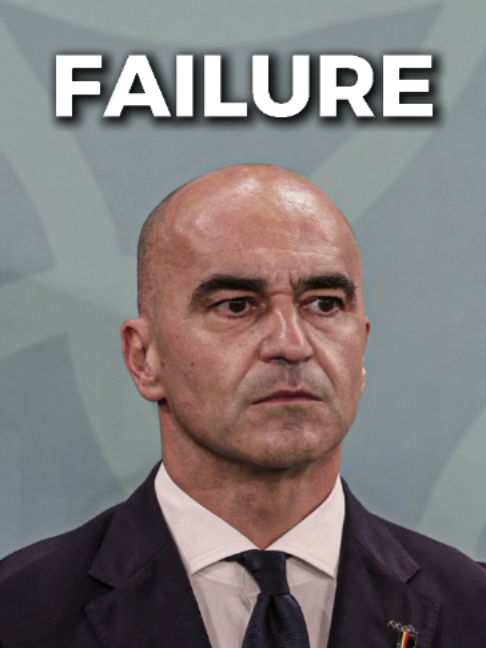
merino goal today portugal 0-1 spain ronaldo interview today ronaldo retirement retiring
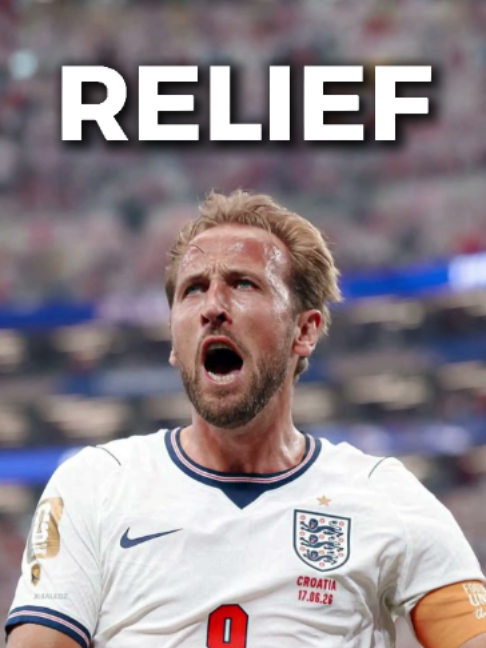
kane goal today kane highlights today england 2-1 congo
 Links
Links
 Contact
 App
App


