



International Sports City, Nansha Accelerates



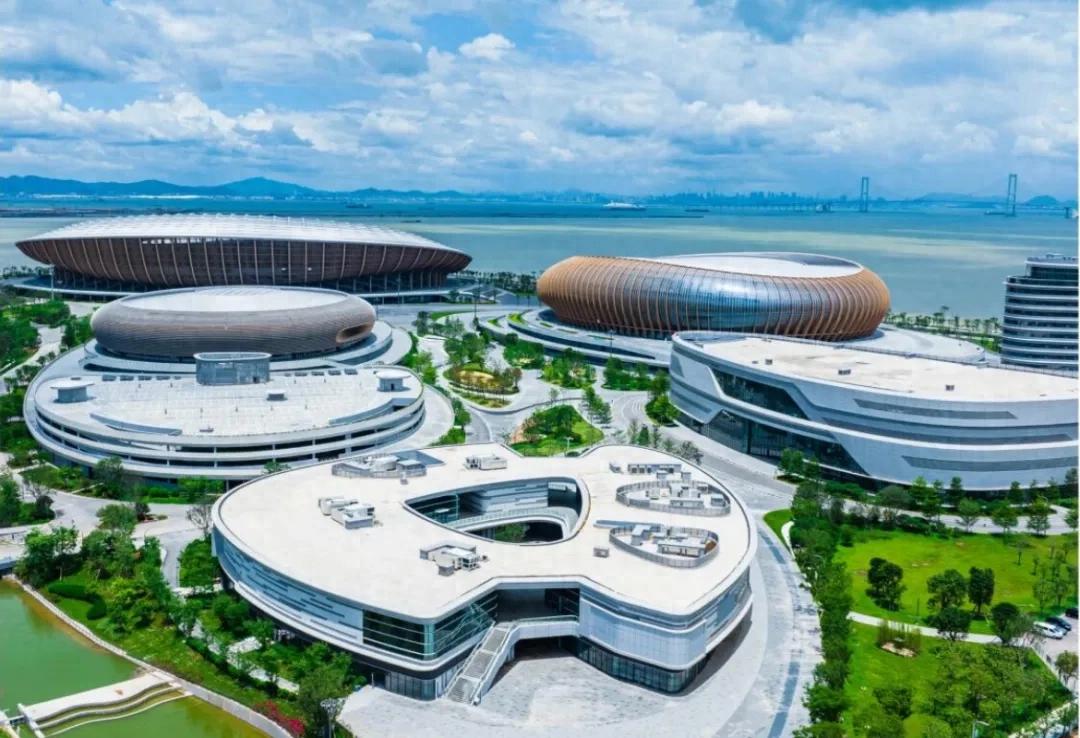
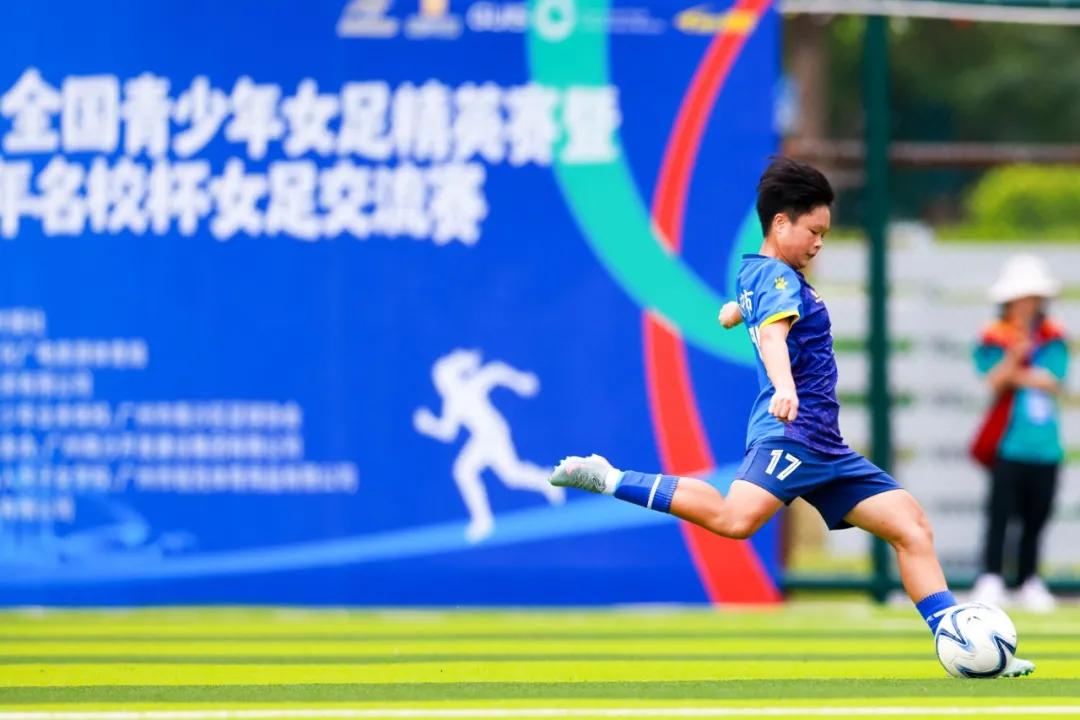
Reporter Wang Wei reports In July last year, the 2025 "Century-Old Elite Schools Cup" football tournament was held successfully in Nansha, Guangzhou. A full year later, the 2026 National Youth Women's Football Elite Competition and the Century-Old Elite Schools Cup Women's Football Exchange Tournament once again convened in Nansha in July. Retracing steps through Nansha, the reporter visited pitches, inspected facilities, engaged with sector administrators, and encountered residents from the Greater Bay Area pursuing sports, gaining a tangible sense of the transformation that has taken place in Nansha over the past twelve months.
At the end of February this year, Liu Wei, member of the Standing Committee of the Guangzhou Municipal Committee and Secretary of the Nansha District Committee, stated during the 2026 Guangzhou High-Quality Development Conference: "We will build a city vibrant with youth, deeply implement the 'Youth from Nansha' support plan for young people, and accelerate the construction of a 'Sports City' to serve the young with a young city."
In less than half a year, the plan has been steadily advancing: facilities have sprung up, competitions have taken place in succession, and cross-bay area collaboration has deepened. The people of Nansha, driven by Nansha speed, have focused on multiple dimensions to build an international "Sports City." Livelihood fitness, Greater Bay Area synergy, industrial integration, and international exchanges have all progressed in parallel, gradually shaping a new sports city that blends local vitality, youthful energy, and global appeal.

"The internationalization of Guangzhou's Nansha should first be realized through the internationalization of sports." This is the impression many Guangzhou residents have when visiting the Greater Bay Area Cultural and Sports Center or the Nansha Hengli International Financial Island Football Park.
From the very beginning of Nansha's "Sports City" initiative, it has adhered to a people-centered development philosophy. Based on the genuine fitness needs of citizens, the leisure preferences of young people, and the long-term layout of an international city, the district has completed a full-chain layout of top-level design, spatial quality improvement, and business innovation. This ensures that sports facilities are embedded into the urban fabric and that the benefits of sports reach every household.
Early this year, Nansha officially released the "Three-Year Action Plan for Building a 'Sports City' in Nansha District, Guangzhou." "Building a 'Sports City' is not only a requirement to implement the national '15th Five-Year Plan for Building a Sports Power,' but also a core measure aligned with Nansha's urban positioning and the needs of the people. Based on Nansha's characteristics, we focus on advantageous sports such as football, tennis, and sailing, while catering to the diverse needs of local residents, Bay Area youth, and Hong Kong and Macao compatriots. People's well-being is placed above all else," said Peng Xi, Director of the Nansha District Culture, Radio, Television, Tourism and Sports Bureau.
Being people-centered is first reflected in the universal and balanced provision of sports spaces. Nansha adheres to a three-step approach: "expand capacity through new construction, improve quality of existing facilities, and revitalize spare corners and edges." This breaks the limitation of sports venues being concentrated only in core urban areas and promotes the distribution of fitness resources to every town, street, and community. The Hengli International Financial Island Football Park is a landmark achievement of Nansha's urban renewal.
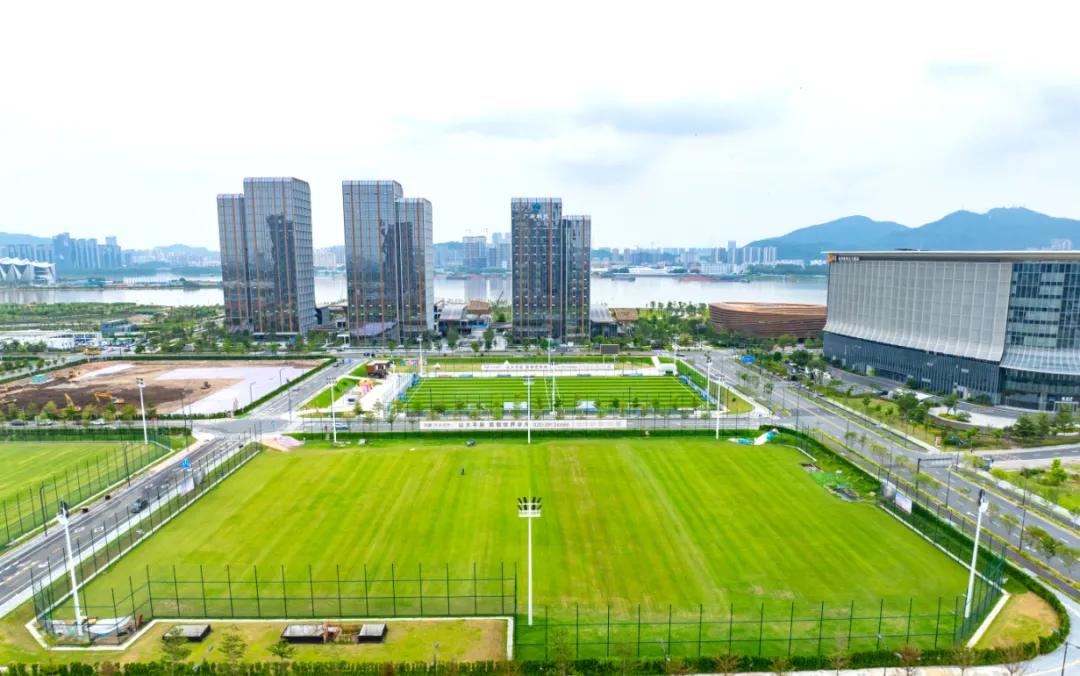
Now, the Wanshansha Xindongpai Cultural and Sports Center and Longxue Street Sports Park in Nansha District have been completed and opened to the public, achieving full coverage of basic fitness facilities across all towns and streets. Under-bridge idle spaces and urban corner plots have been transformed into small basketball courts and five-a-side football fields, making fitness at one's doorstep no longer a problem. The reporter visited several communities in Nansha and found that in the evenings and on weekends, community courts and fitness trails are crowded with citizens—seniors walking and jogging, young people playing ball games, and families enjoying leisure sports. Sports have become deeply integrated into the daily life of Nansha residents.
The development of sports activities in local towns, streets, and village communities acts as the "capillaries" of Nansha's international "Sports City." In June this year, the Nansha Street Lion Roar Football Team won the championship in the first "Nansha Super League." Zhong Huibiao, Secretary of the Nansha Street Party Working Committee, told reporters: "This championship is the result of the players' hard work, and even more so a reflection of Nansha Street's years of dedication to cultural and sports welfare and cultivating a football culture. We have always regarded sports as a key driver for enhancing urban vitality, improving people's livelihoods, and innovating grassroots governance. Seizing the opportunity of the 'Hundreds, Thousands, and Tens of Thousands Project,' we have continuously increased investment in public sports facilities. In 2017, we built the Dongguayu Village Jinwan Football Field, which has now become the main venue for street-level competitions. Last year, we completed the comprehensive renovation of one multi-functional sports field and ten courts across nine villages and communities. The Nansha Street Universal Sports Park is also being planned intensively."
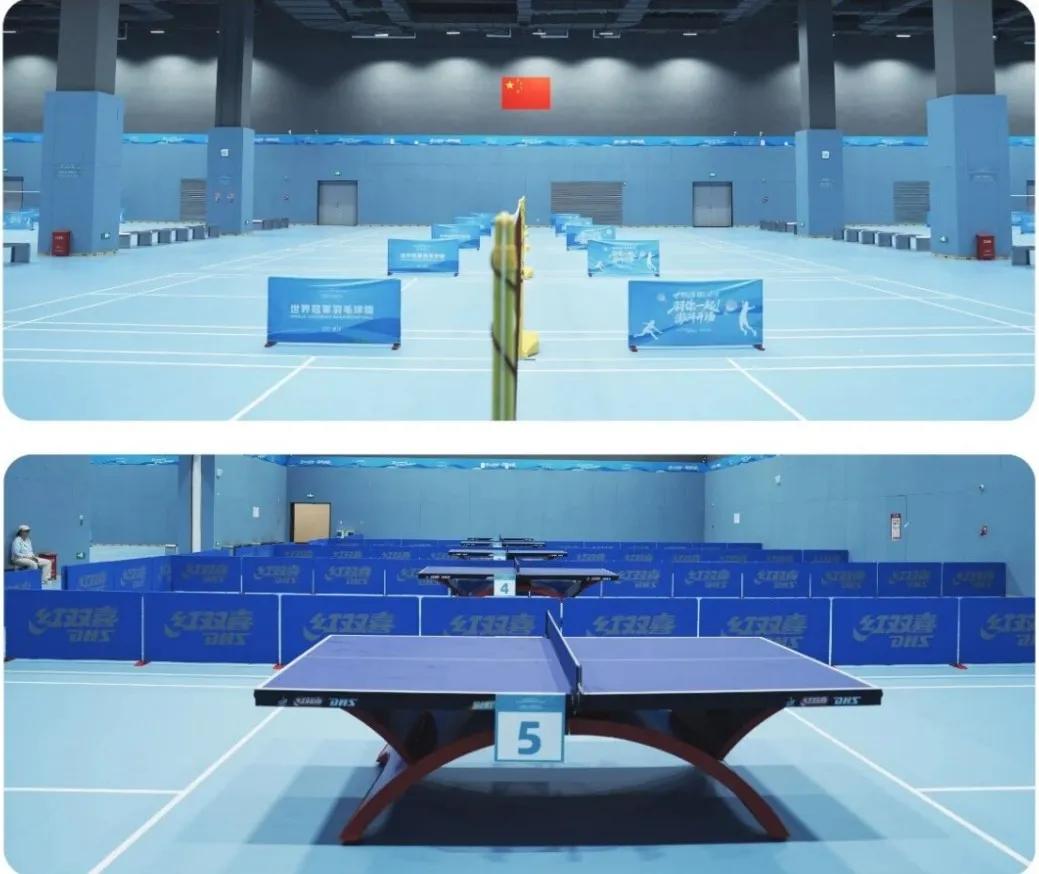
On June 27 this year, the Fitness Center of the Greater Bay Area Cultural and Sports Center officially opened to the public, adding standardized courts for tennis, pickleball, badminton, and table tennis. The Nansha Gymnasium also completed its business upgrade, introducing trendy sports such as roller skating, parkour, indoor golf, and billiards.

"In Nansha, this 'Sports City,' a rising tennis star has emerged. In July this year, Guo Hanyu partnered with a French player to win the women's doubles title at Wimbledon. She has long been connected with Nansha's tennis courts," said Peng Xi.
Thanks to the continuous cultivation of top tennis talents like Guo Hanyu and the hosting of high-level international tennis events year after year, Nansha has earned the reputation of "China's Tennis Blessed Land." Over the past year, Nansha has gone beyond a single-city construction perspective, using all-region sports to build a new platform for Greater Bay Area collaboration. It has linked with Hong Kong and Macao institutions, universities, and industry associations, promoting the integration of Guangzhou, Hong Kong, and Macao sports from four dimensions: joint think tanks, co-training of youth, co-hosting of events, and shared consumption. This has continuously amplified Nansha's agglomeration effect, serving 87 million people in the Greater Bay Area, making it a pioneer in the integrated development of sports in the region.
Nansha District has partnered with the Fok Ying Tung Foundation and Guangzhou Sport University to establish the Greater Bay Area Sports Culture Research Institute. A professional research team of 28 sports experts, entrepreneurs, and industry scholars from Guangdong, Hong Kong, and Macao has been assembled, creating an integrated research platform for government, industry, academia, and research. The team focuses on special topics such as sports industry planning, cross-bay inter-disciplinary sports talent cultivation, and cross-border sports exchanges. In 2026, the first Greater Bay Area International Sports Tourism High-End Forum was held in Nansha, bringing together sports authorities from Hong Kong and Macao, leading industry enterprises to discuss international event operations, national fitness, and sports cultural tourism innovation, as well as project matchmaking, opening up channels for industrial cooperation among the three regions.
At the same time, relying on the Fok Ying Tung Sports Foundation Plan, Nansha has established a pathway for cultivating grassroots sports talent in Guangzhou, Hong Kong, and Macao. It is reported that the first phase of the plan's grassroots coach training course has already started smoothly, aiming to train 1,200 grassroots youth sports coaches over four years, filling the gap in youth training师资 across the Bay Area.
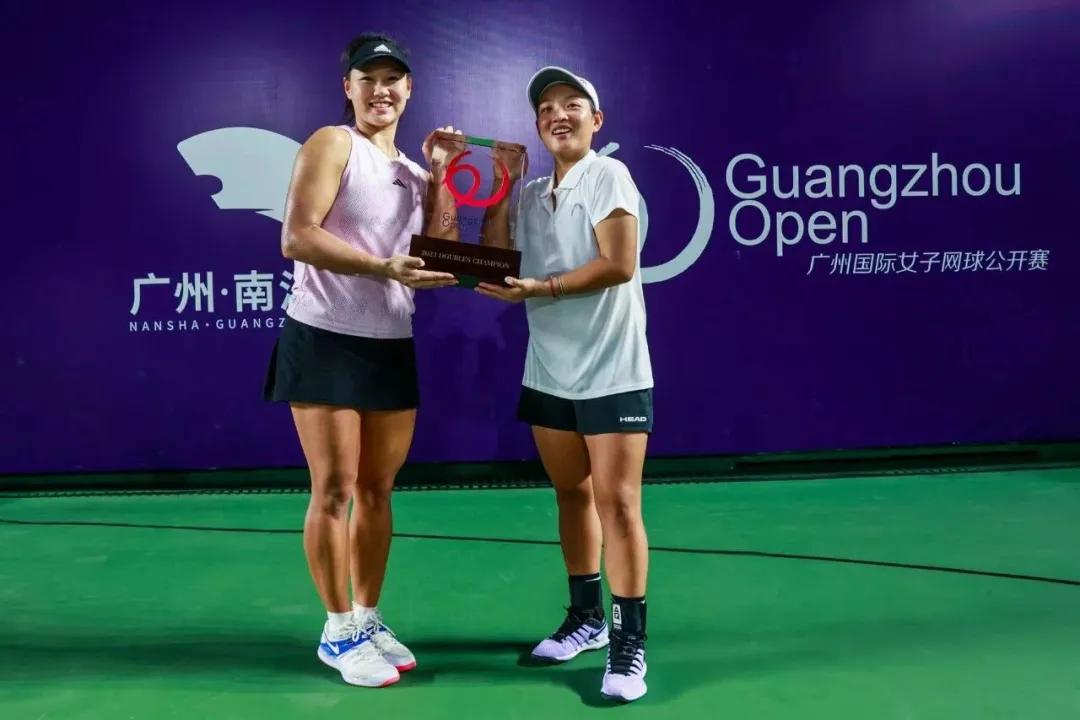
Peng Xi believes that continuously attracting cross-city sports consumers from Hong Kong, Macao, Shenzhen, Zhongshan, and other Bay Area cities is another major highlight of Nansha's international "Sports City." For example, the Nansha International Tennis Center features 32 standardized courts with complete facilities and affordable fees. Every weekend, all courts are fully booked, and many Hong Kong citizens drive north specifically to play tennis and relax in Nansha. The newly opened Greater Bay Area Cultural and Sports Center Fitness Center, with its intelligent facilities and constant-temperature indoor courts unaffected by weather, has become the top weekend destination for Shenzhen residents.
During a site visit, the reporter noticed many vehicles with license plates from Guangdong B (Shenzhen), C (Zhuhai), T (Zhongshan), and E (Foshan) near the venues in the evening. Residents from various cities gather to play sports, and after games, they enjoy seafood nearby or stay at wetland homestays, forming a stable cross-city sports consumption trend. "Nansha's venues have leading hardware and high cost-performance ratios. Residents in the Greater Bay Area's two-hour living circle are willing to drive to Nansha for sports and leisure on weekends," Peng Xi summarized the logic behind the cross-city sports boom. "Cantonese people are accustomed to short weekend trips. In the past, they chose hot springs or scenic spots. Now, Nansha has created a complete 'sports + tourism' route, offering new leisure and sports options for the Bay Area population."
Currently, Nansha has developed several mature Greater Bay Area sports tourism boutique routes: a two-day tennis and golf tour, where citizens play at the International Tennis Center and Feng Shanshan Golf Club, combined with seafood dining and visits to the Tianhou Palace; a water-town pickleball leisure route, experiencing trendy sports at venues in Lanhe, Nansha Street, and Zhujiang Street, along with tours of ancient water towns and characteristic farms; a football winter training and study route, where professional northern teams and school teams train at the Zhensheng Football Park, immersing themselves in Lingnan rural scenery; and a coastal cycling leisure route, where after exercise, cyclists ride along the coastal greenway to enjoy the sea view, offering a one-stop experience combining sports, food, sightseeing, and accommodation.
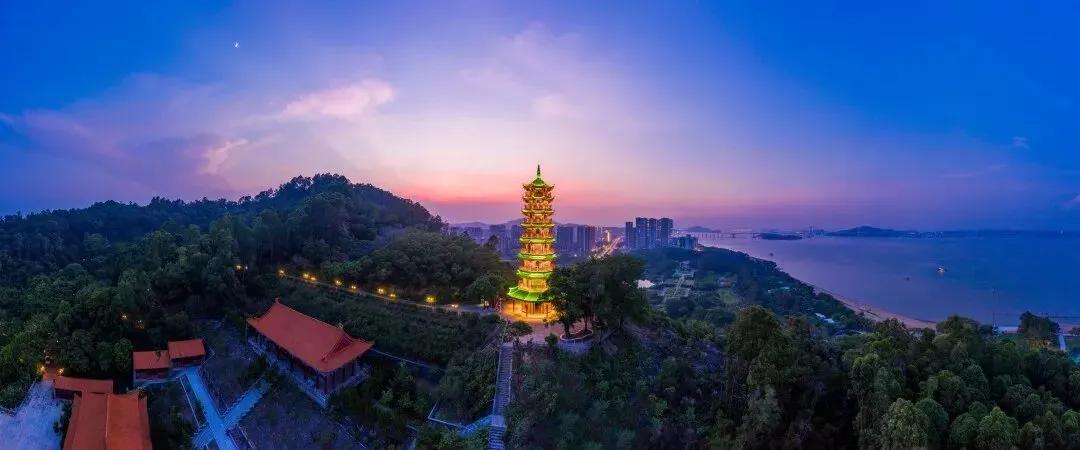

On July 14, the "City of Opportunity, Steaming Hot" – Guangzhou·Shanghai Cultural Tourism Industry Exchange Event was held in Shanghai. Nansha District appeared at the main venue and immediately held a special "Come to Nansha, Create the Future" session after the main event. This was the sixth in a series of promotional events following those in Hong Kong, Macao, Beijing, Chengdu, and other cities, marking the extension of Nansha's cross-regional cultural tourism investment map to the core cities of the Yangtze River Delta.
In fact, Nansha's cultural, sports, and tourism positioning has never been limited to serving local residents. Instead, it is based on the center of the Bay Area, providing high-quality sports venues for the entire Greater Bay Area. The Greater Bay Area Cultural and Sports Center, located at the southernmost tip of Guangzhou's Nansha, is a core hub for cross-bay collaborative development. Since hosting the opening ceremony of the Guangdong Provincial Super League last year, it has successively hosted the Guangdong-Hong Kong Cup football match, the Davis Cup tennis tournament, and Mayday concerts, comprehensively honing the city's ability to host large-scale events and activities.
"On a recent trip to promote Nansha city in Shanghai, I passed through Minhang District and noticed that Nansha and Minhang have a very similar urban foundation. Both are newly developed urban expansion areas, with vast open spaces, massive new town construction, and some areas not yet fully covered by rail transit. The urban development stage and spatial layout are highly compatible. Minhang's commercial spaces, urban corner plots, and idle roadside land have been transformed into professional, intelligent, and scenario-based sports venues. Their model of sports empowering urban renewal offers valuable lessons for Nansha," said Peng Xi. "In the second half of this year, Nansha will closely focus on the goal of building a 'Sports City,' turning construction achievements into tangible fitness conveniences, event fun, and livelihood benefits that citizens can see and feel."


Wonderfulshortvideo
messi goal today messi assist today messi highlights vs egypt enzo fernandez goal today romero goal today argentina goals today argentina 3-2 egypt



“Wonderful player, fantastic player, could not run” 😅

Neville, Keane and Wright DO NOT agree on the future of Argentina in the World Cup 👀
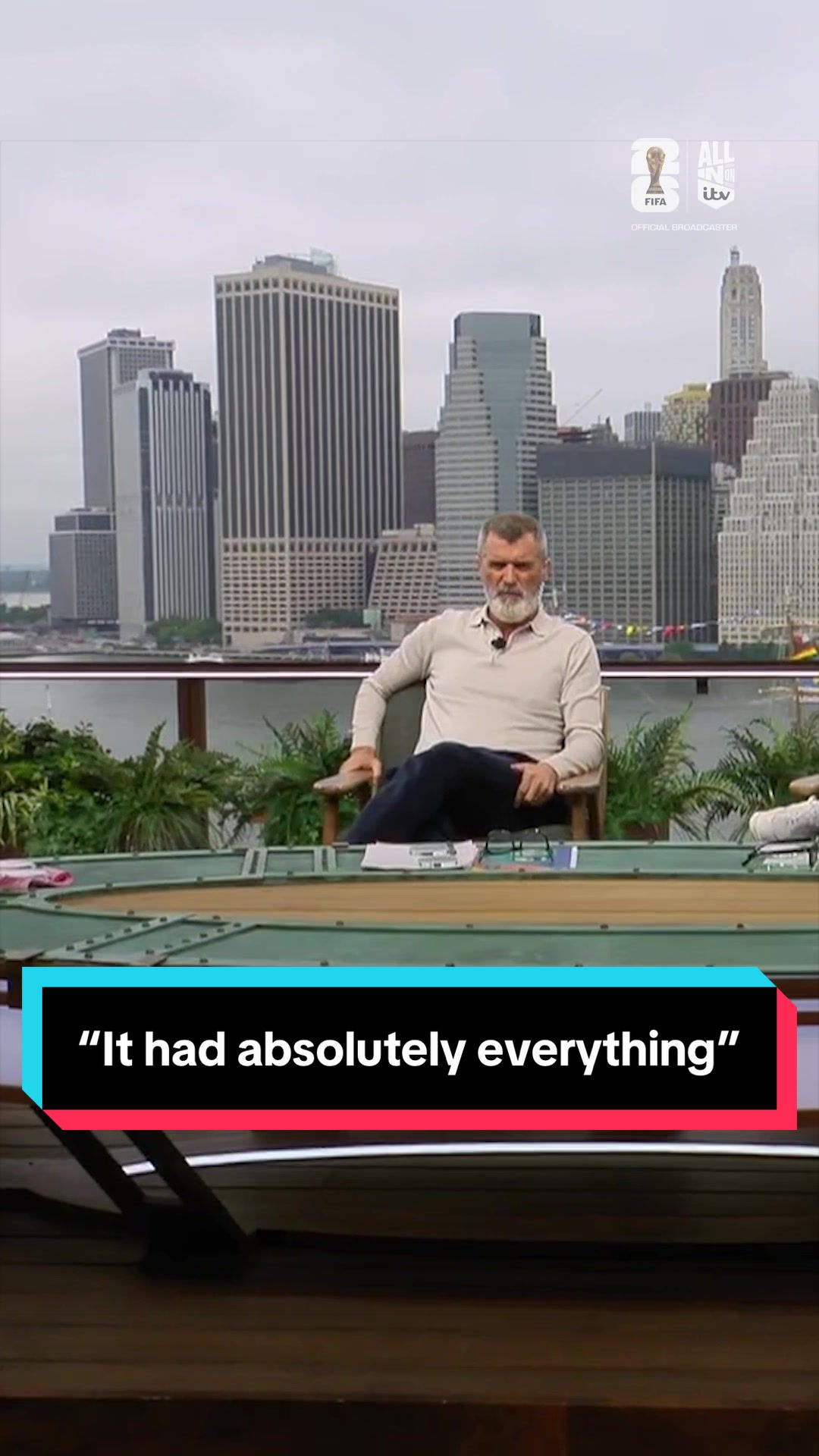
“It gave you everything” 👀
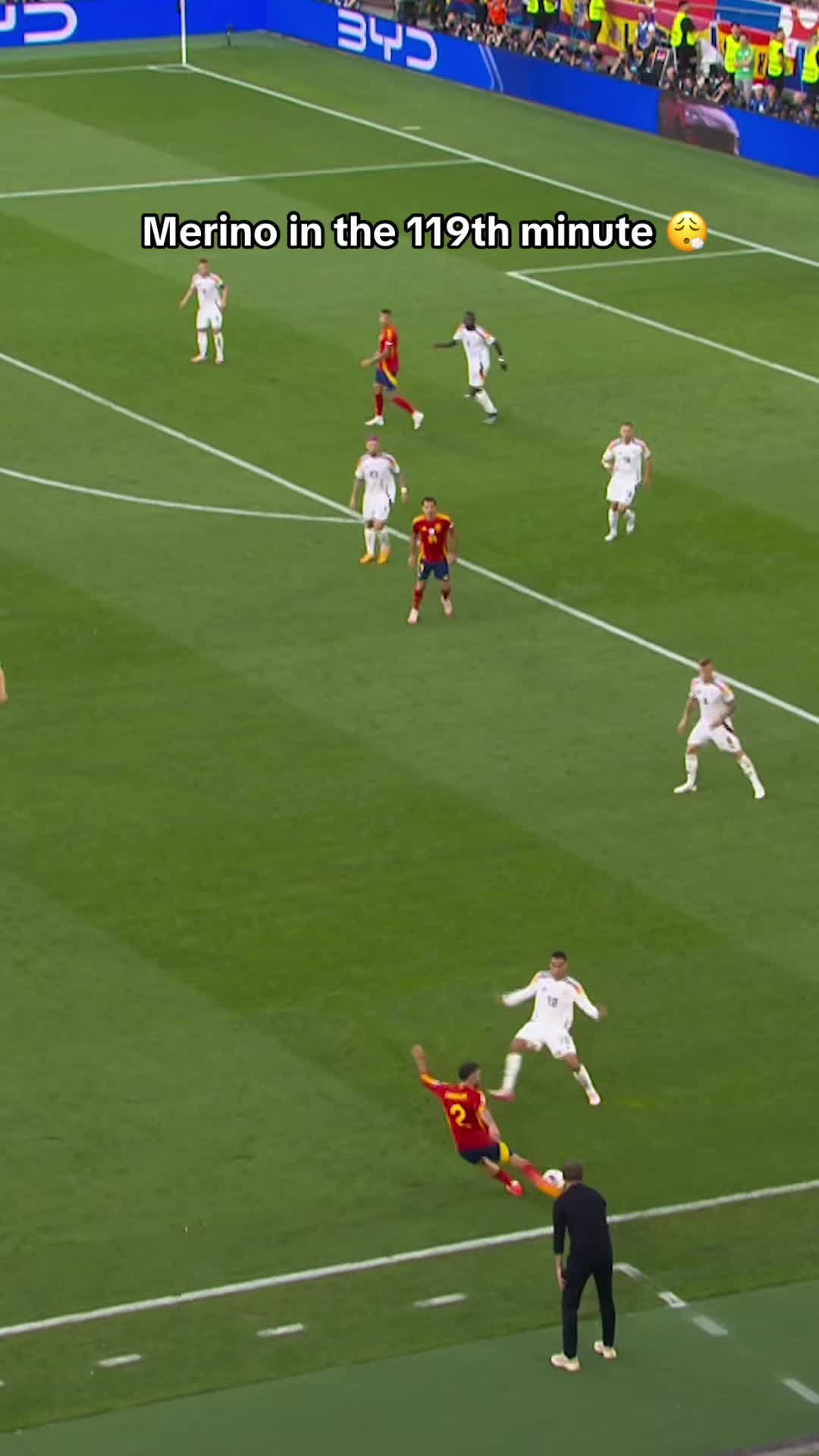
Clutch Merino 😮💨
merino goal today portugal 0-1 spain ronaldo interview today ronaldo retirement retiring

kane goal today kane highlights today england 2-1 congo
 Links
Links
 Contact
 App
App


