



In the age of AI, football is a shared asset for everyone.


During the closing moments of extra time in the 2026 World Cup final, probably over half the globe experienced a mix of fear and excitement anticipating Argentina forcing Spain into penalties—a situation where all stats from the preceding 120 minutes become irrelevant and the stark reality is that Argentina might triumph. Yet that did not occur. Subsequently, from New York to Gaza, from white nights in Iberia to daybreak in Southeast Asia, the world united in celebrating the final victory of La Roja.
Ferran Torres's goal. Spain's championship. Those moments when billions of people on this planet, regardless of whether they speak Spanish, Vietnamese, or Arabic, instantly understand the meaning without any interpreter.
That image evokes a story far older than technology: the myth of the Tower of Babel. In Genesis, humanity once spoke a single language until God confused their tongues to prevent them from reaching the heavens in their arrogance. Today, artificial intelligence is quietly piecing those fragments back together: a sarcastic tweet in Spanish about the Argentina-Egypt match is instantly read by millions in English, Persian, and Korean thanks to automated translation tools. AI erases linguistic barriers, bringing football lovers closer together.
Yet on July 19, when the final whistle blew in New Jersey, people realized a truth far simpler than any algorithm: football never needed AI to be understood.
Minutes after the match, legend Toni Kroos posted just two words on social media: "Football won". That phrase spread like wildfire, interpreted by Spain's Marca as an affirmation that "La Roja" played the beautiful game and deserved the championship. It was a language needing no translation, because it didn't describe a result—it described a feeling: football, in its truest sense, had won.
It was a victory built on a philosophy that anyone could grasp and believe in, not a stroke of luck. It was a triumph of a system, of an ideal, and of absolute commitment to identity. In a tournament expected to be a stage for individual superstars from Mbappé to Messi, it was a genuine collective that brought the Cup home.
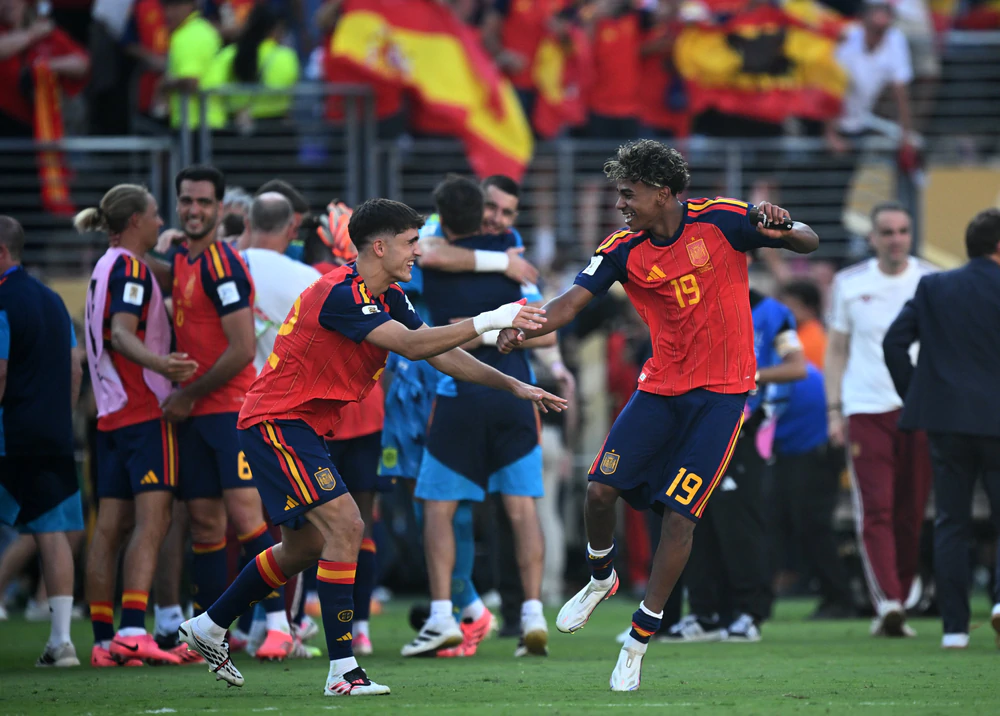
The Spanish national team clinched the 2026 World Cup title through a profoundly team-oriented approach. Photo: Xinhua/VNA.
Luis de la Fuente's squad was not defined by solitary "superheroes without capes". They operated as a unified entity, where stars willingly stepped back to become diligent workers for the common goal. As international media commented, this was the rise of a cohesive unit where "the self" was completely erased before the destiny of "us". That is the clearest proof of the power of the system, what Basque football culture calls "cuadrilla"—all for one, one for all.
That very "global standard" also gave Argentina's defeat a different but equally moving emotional tone. It felt as if the former champions tried to exceed their limits. Argentina entered the final visibly exhausted, and though they fought with all their grit, sometimes even using negativity to stop their opponents, they could not go all the way.
That feeling is familiar to anyone who has seen a team full of ambition but lacking squad depth: they can close the gap through willpower, even have moments of individual brilliance, but cannot compensate for all the distance with sheer fighting spirit. Importantly, and admirably, that defeat did not mean they stopped trying. Losing, but not surrendering the dream—that too is part of the essence of this sport.
As the 2026 World Cup concludes, we see a smaller world thanks to technology. But more importantly, we see football still retains its form as an intrinsic joy, a language of passion and determination. Football reminds us of the effort to build systems, the persistence to nurture faith, and the spirit of playing not for glory but to complete the journey.


Wonderfulshortvideo
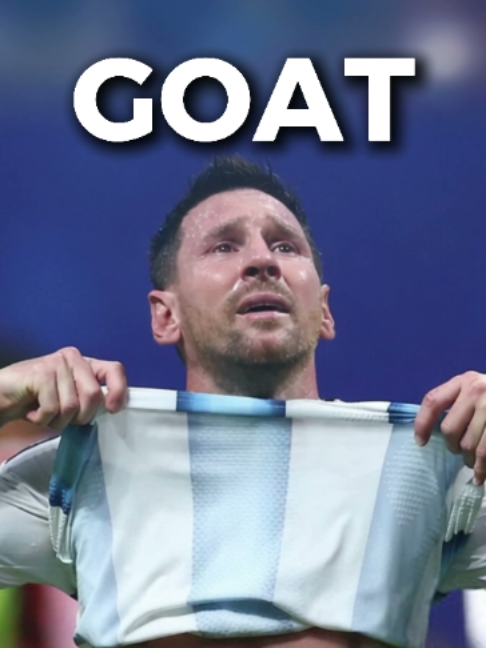
messi goal today messi assist today messi highlights vs egypt enzo fernandez goal today romero goal today argentina goals today argentina 3-2 egypt



“Wonderful player, fantastic player, could not run” 😅
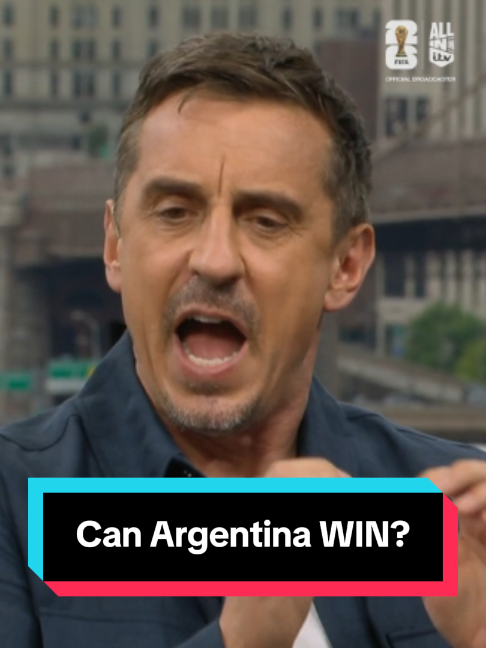
Neville, Keane and Wright DO NOT agree on the future of Argentina in the World Cup 👀
“It gave you everything” 👀
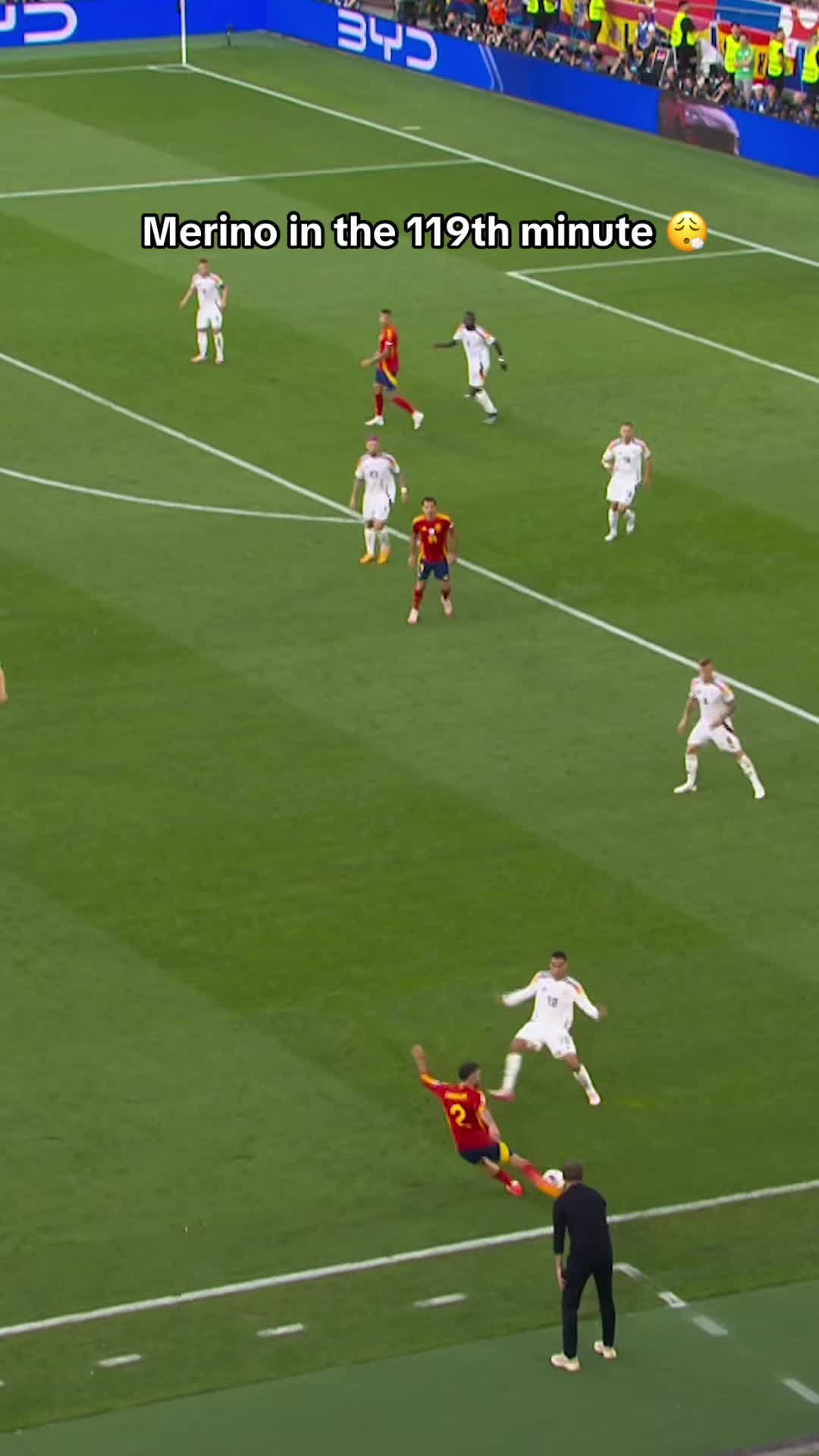
Clutch Merino 😮💨
merino goal today portugal 0-1 spain ronaldo interview today ronaldo retirement retiring
kane goal today kane highlights today england 2-1 congo
 Links
Links
 Contact
 App
App


