



In the era of social media, a new kind of superstar is emerging.



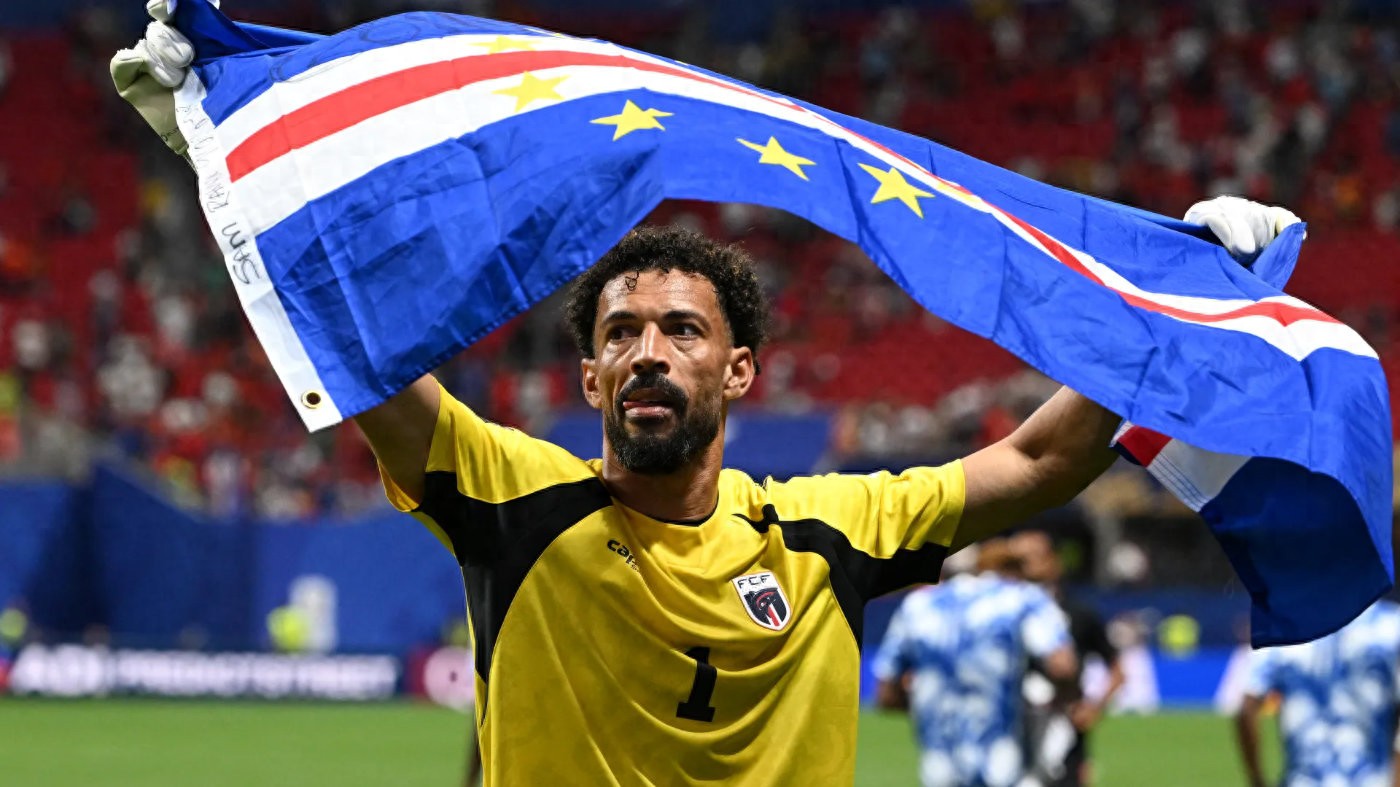
Written by Han Bing. Unlike previous World Cups, the "star-making" model of the USA-Canada-Mexico World Cup has become more social-media-driven, which has greatly altered the public's perception of what defines a megastar. Hence, the British media have labeled this event the "Social Media Fan World Cup."
The football world and the media could hardly have predicted before the tournament that the newest "megastar" most adored by fans would be Cape Verde's 40-year-old goalkeeper Wozinia, who had merely 35,000 social media followers prior to the World Cup. Although he was eliminated two weeks ago, his social media follower count continues to surge, reaching 29.43 million—a net increase of nearly 29.4 million during the World Cup, the highest among all players. In just two weeks, he surpassed Real Madrid goalkeeper Courtois to become the most-followed goalkeeper on social media, and his online popularity and buzz rivaled that of megastars like Messi, Ronaldo, Haaland, and Mbappé. Similarly, Curaçao goalkeeper Room, after making a record 15 saves against Ecuador, saw his social media followers jump from 90,000 to 1.15 million.
Beyond Haaland's achievement of scoring seven goals in his first World Cup, it was his social media presence that truly made him a megastar during the tournament. Haaland's follower count increased by 29 million during the World Cup, reaching 75 million total. Media predict his social media followers will surpass 320 million by the end of the year, cementing him as a true social media superstar. Meanwhile, Haaland's close friend Bellingham saw his follower count rise by 9 million, breaking the 50 million mark. In contrast, Ronaldo, who already had over 100 million followers on Instagram, added only 10 million; Neymar gained 6.5 million; Messi added 6 million; and Mbappé gained 4 million.
Mexican teenage prodigy Mora gained 6.6 million social media followers, now exceeding 7.6 million, making him the most-followed player on the Mexican national team. The most astonishing case is New Zealand defender Payne, who was labeled by Argentine influencer Scasi as "the most unknown player at the World Cup" and urged to be followed. Payne's follower count skyrocketed from under 5,000 to 5.6 million, even though he was eliminated with New Zealand just one week into the tournament. Additionally, thanks to promotions by Brazil's Caze TV and social media influencers, Brazilian defender Douglas Santos saw his follower count surge from 190,000 before the tournament to 2.65 million.
According to Forbes, the active social media platforms at this World Cup are profoundly disrupting traditional football ecosystems. Social media follower counts have become one of the key indicators for measuring a player's commercial value and influence, and they are beginning to deeply affect players' performance and form during the World Cup. A single goal, assist, or save can earn a player millions of new followers, granting them unprecedented attention and financial returns compared to previous generations. Haaland is a prime example: when he returned to Norway carrying a raccoon specimen as a souvenir, online searches for that item surged more than 50-fold, and it sold out quickly.
To some extent, this World Cup should be defined as the "Megastar World Cup" of social media platforms.


Wonderfulshortvideo
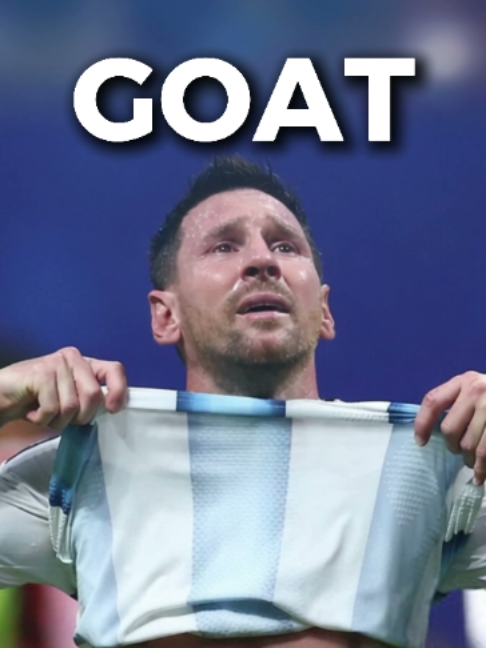
messi goal today messi assist today messi highlights vs egypt enzo fernandez goal today romero goal today argentina goals today argentina 3-2 egypt


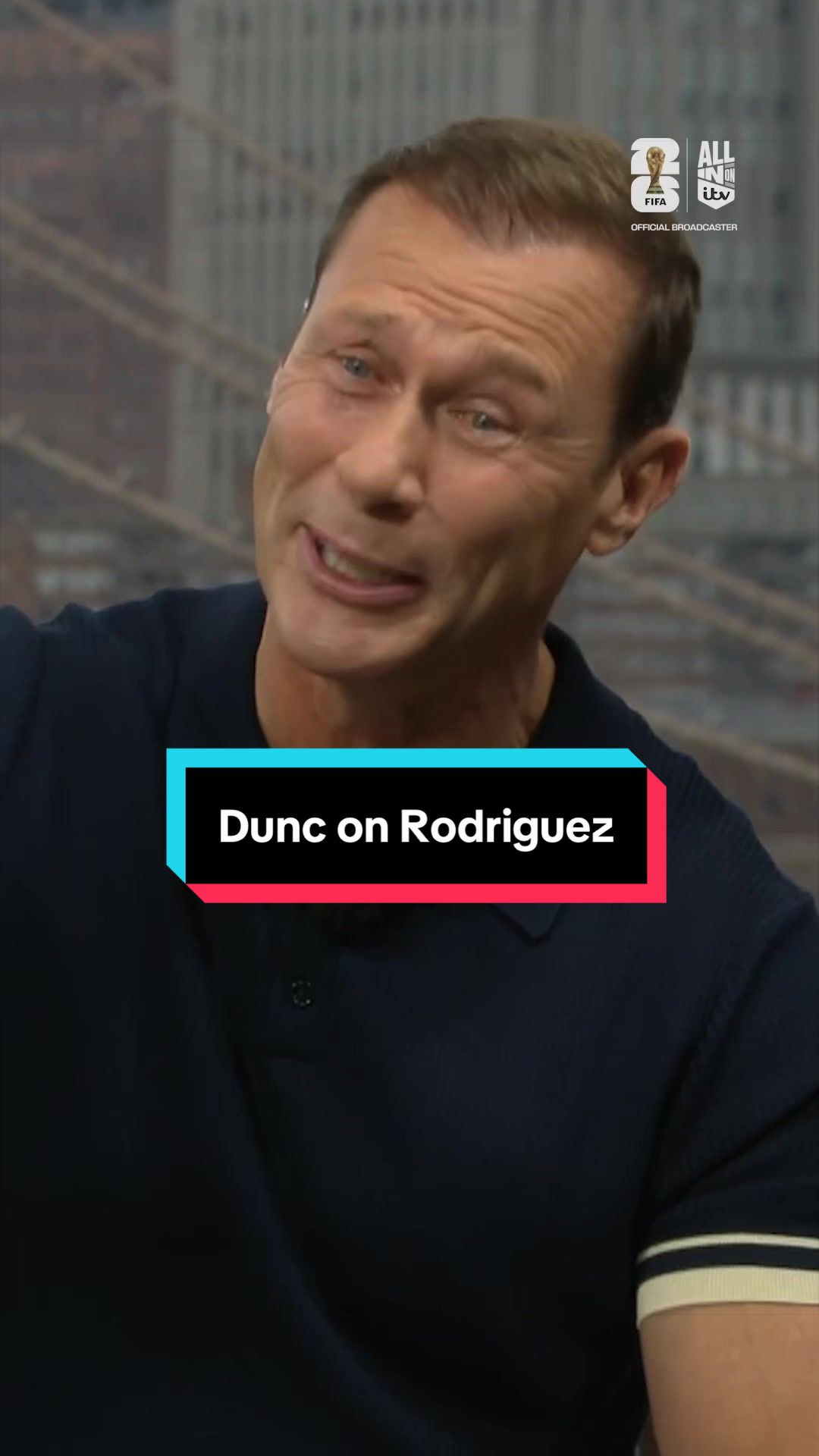
“Wonderful player, fantastic player, could not run” 😅
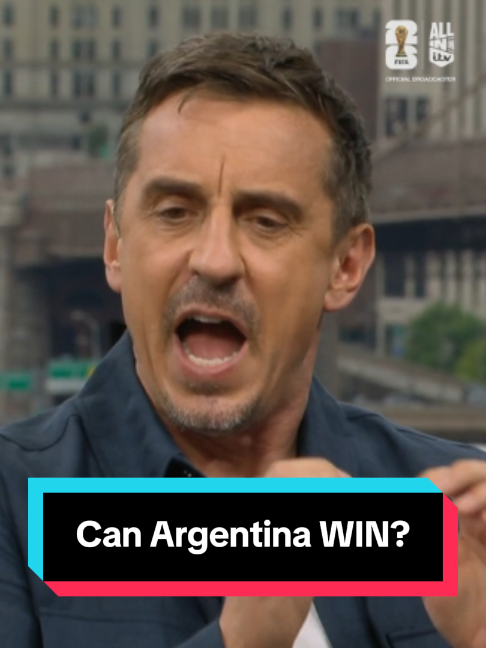
Neville, Keane and Wright DO NOT agree on the future of Argentina in the World Cup 👀
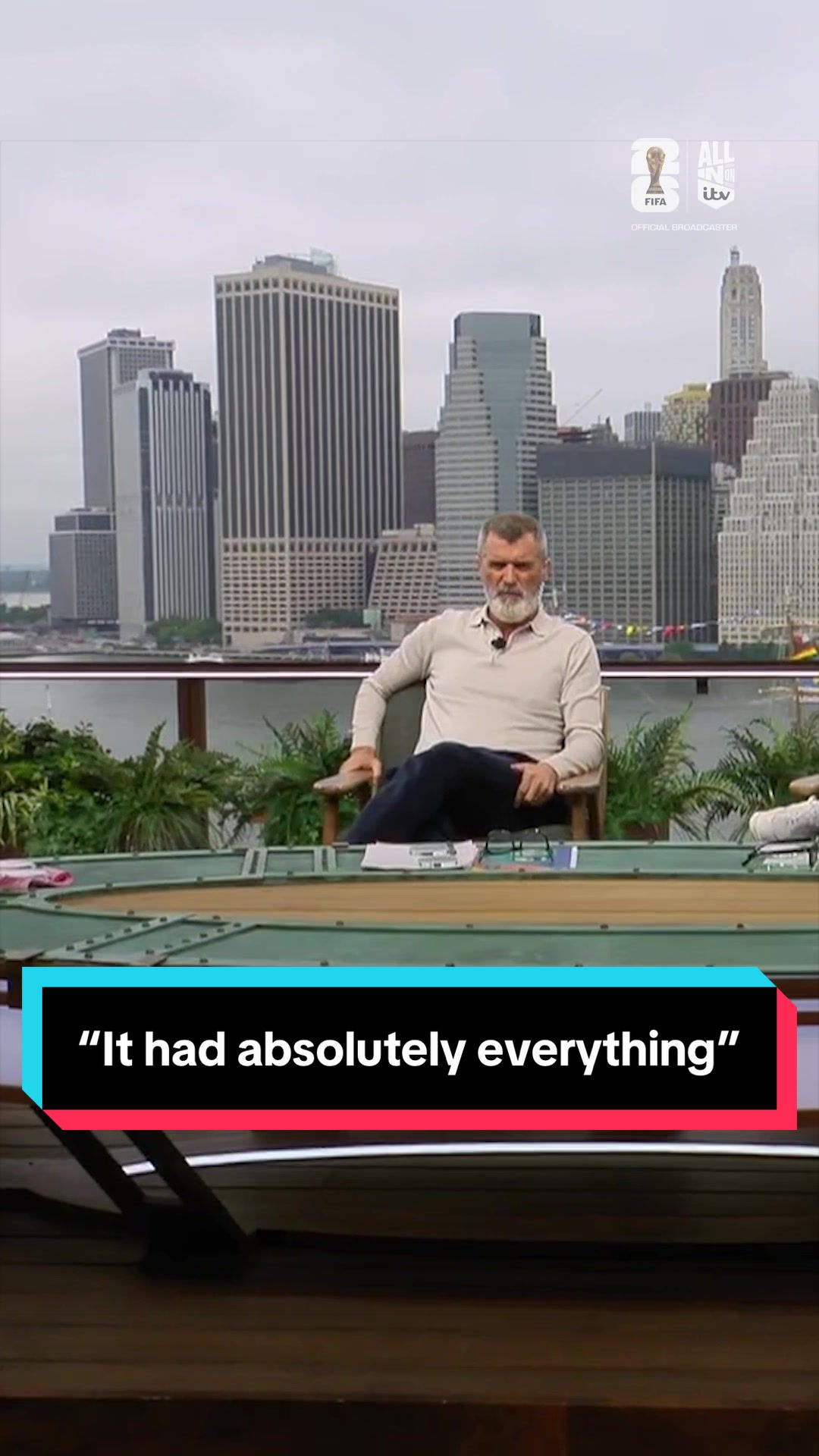
“It gave you everything” 👀
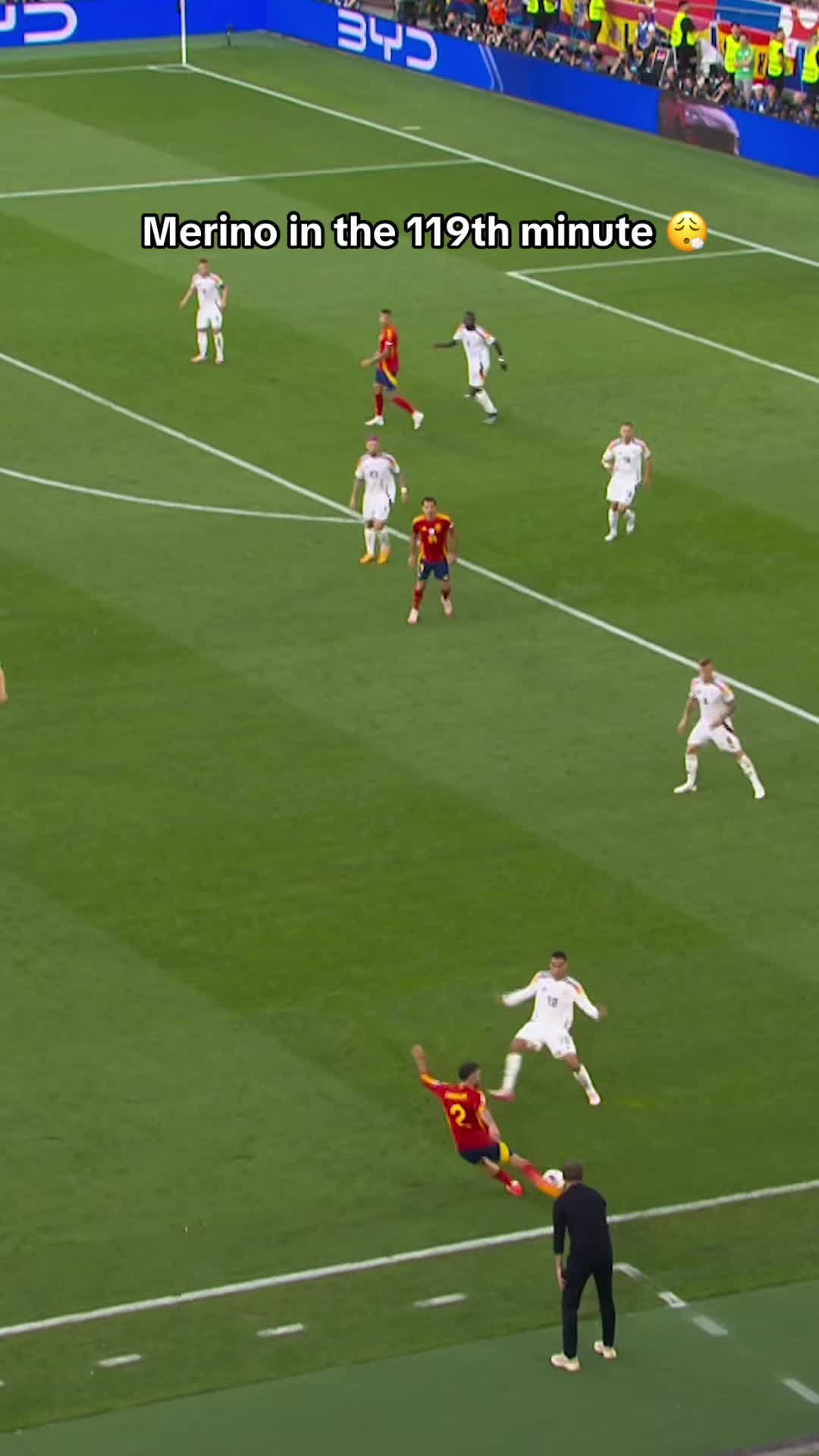
Clutch Merino 😮💨
merino goal today portugal 0-1 spain ronaldo interview today ronaldo retirement retiring
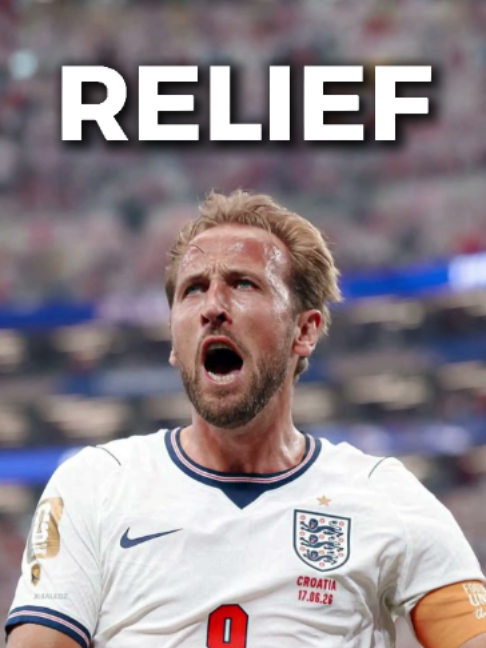
kane goal today kane highlights today england 2-1 congo
 Links
Links
 Contact
 App
App


