



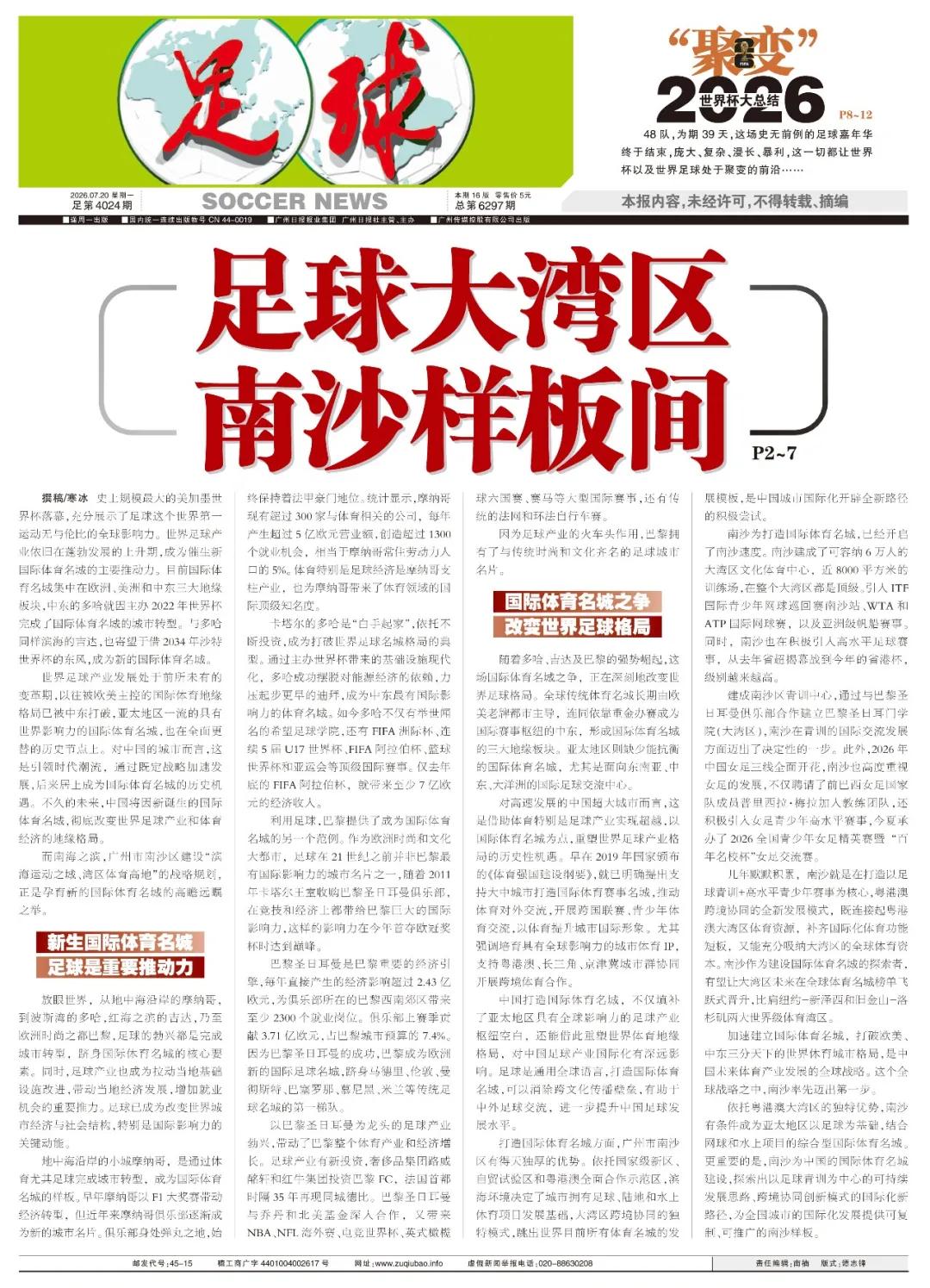
Football in the Greater Bay Area, Nansha as a Model



By Han Bing. The largest-ever World Cup co-hosted by the US, Canada, and Mexico has concluded, showcasing the unparalleled global influence of football as the world's top sport. The global football industry remains in a booming upward trend, acting as a key driver for the emergence of new international sports cities. Currently, international sports cities are concentrated in three major geographical regions: Europe, the Americas, and the Middle East. Doha, in the Middle East, completed its transformation into an international sports city by hosting the 2022 World Cup. Similarly, Jeddah, also a coastal city like Doha, hopes to leverage the 2034 Saudi World Cup to become a new international sports city.
The global football industry is undergoing an unprecedented period of transformation. The international sports geopolitical landscape, once dominated by Europe and the Americas, has been disrupted by the Middle East. Asia-Pacific cities with world-class influence are also at a historical turning point of comprehensive renewal. For Chinese cities, this is a historic opportunity to lead the trend, accelerate development through established strategies, and catch up to become international sports cities. In the near future, China will fundamentally reshape the geopolitical landscape of the global football industry and sports economy through the emergence of new international sports cities.
On the coast of the South China Sea, the strategic plan of Guangzhou's Nansha District to build a "coastal sports city and a sports hub in the Greater Bay Area" is a visionary move to nurture a new international sports city.

Looking globally, from Monaco on the Mediterranean coast to Doha on the Persian Gulf, Jeddah on the Red Sea, and even Paris, the fashion capital of Europe, the rise of football has been a core element in achieving urban transformation and becoming an international sports city. At the same time, the football industry has become a crucial driver for improving local infrastructure, boosting economic development, and creating job opportunities. Football has become a key force in changing the economic and social structure of cities worldwide, especially in enhancing their international influence.
The small Mediterranean city of Monaco is a model of urban transformation through sports, especially football, to become an international sports city. In earlier years, Monaco relied on the F1 Grand Prix to drive economic transformation, but in recent years, AS Monaco FC has gradually become a new city card.
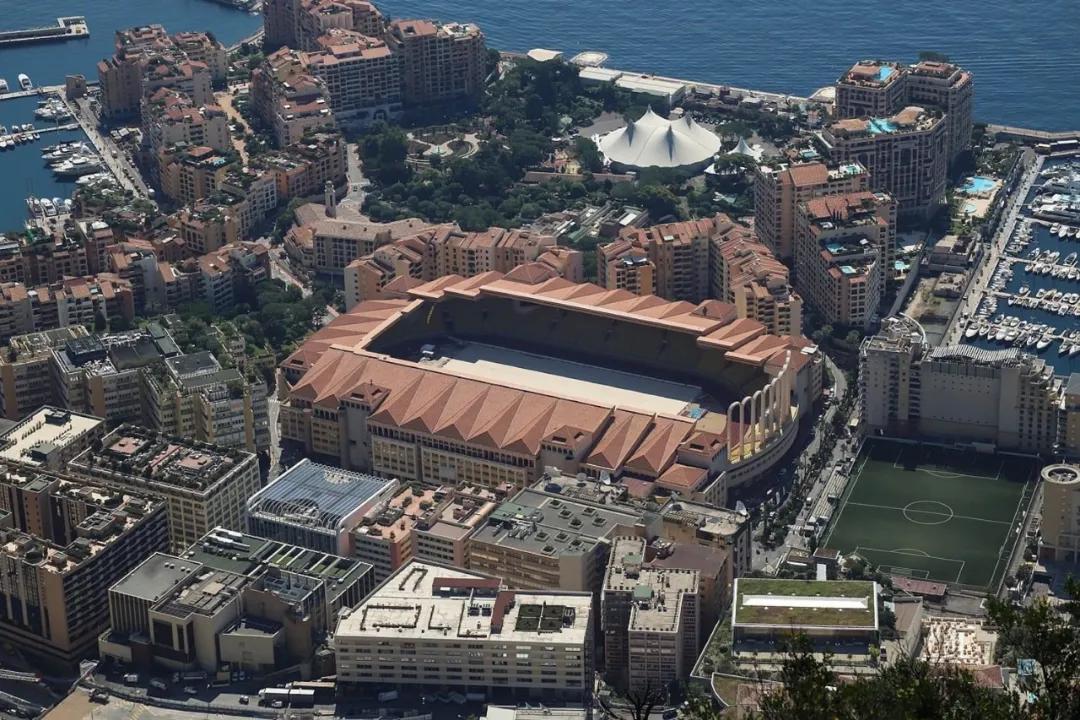
Despite being located in a tiny territory, the club has consistently maintained its status as a Ligue 1 powerhouse. Statistics show that Monaco now has over 300 sports-related companies, generating more than 500 million euros in annual turnover and creating over 1,300 jobs, equivalent to 5% of Monaco's permanent labor force. Sports, especially the football economy, are a pillar industry of Monaco and have brought the city top-tier international recognition in the sports field.
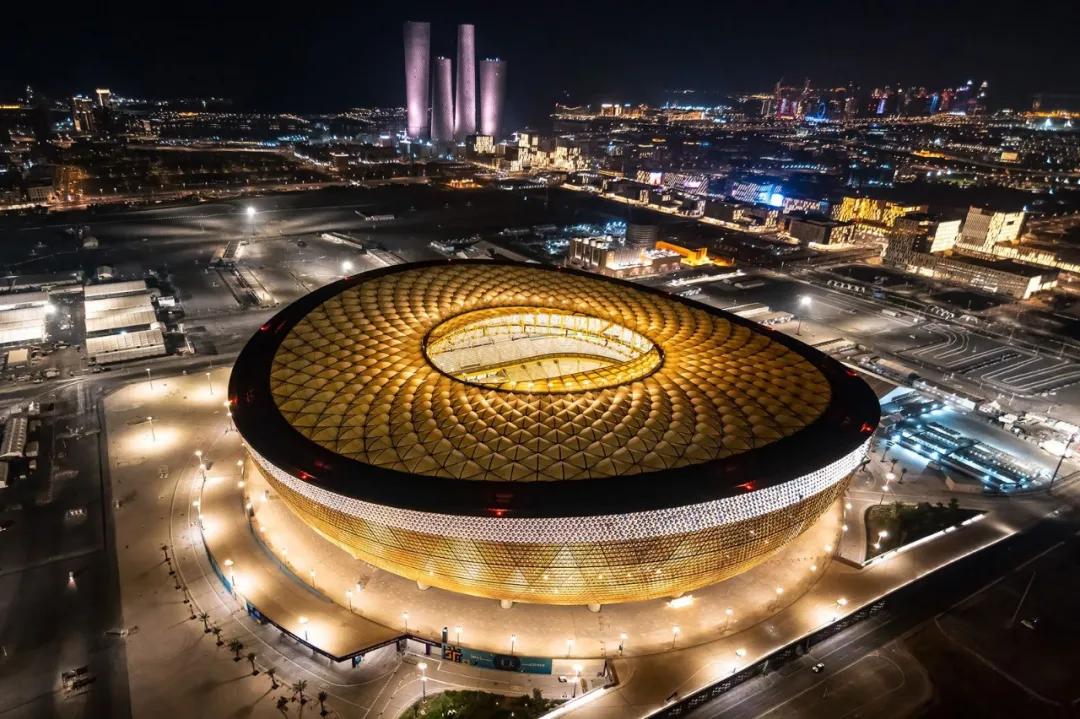
Doha, Qatar, is a classic example of starting from scratch and relying on continuous investment to break the global pattern of football cities. Through the modernization of infrastructure brought by hosting the World Cup, Doha has successfully shed its dependence on the energy economy, surpassing Dubai (which started earlier) to become the most internationally influential sports city in the Middle East. Today, Doha not only has the world-famous Aspire Football Academy but also hosts top international events such as the FIFA Intercontinental Cup, five consecutive editions of the U-17 World Cup, the FIFA Arab Cup, the Basketball World Cup, and the Asian Games. The FIFA Arab Cup alone at the end of last year generated at least 700 million euros in economic revenue.
Using football, Paris provides another example of becoming an international sports city. As a European fashion and cultural metropolis, football was not one of Paris's most internationally influential city cards before the 21st century. With the acquisition of Paris Saint-Germain by the Qatari royal family in 2011, the club brought immense international influence to Paris both in sports and economics, reaching its peak this year when the club won its first Champions League trophy.
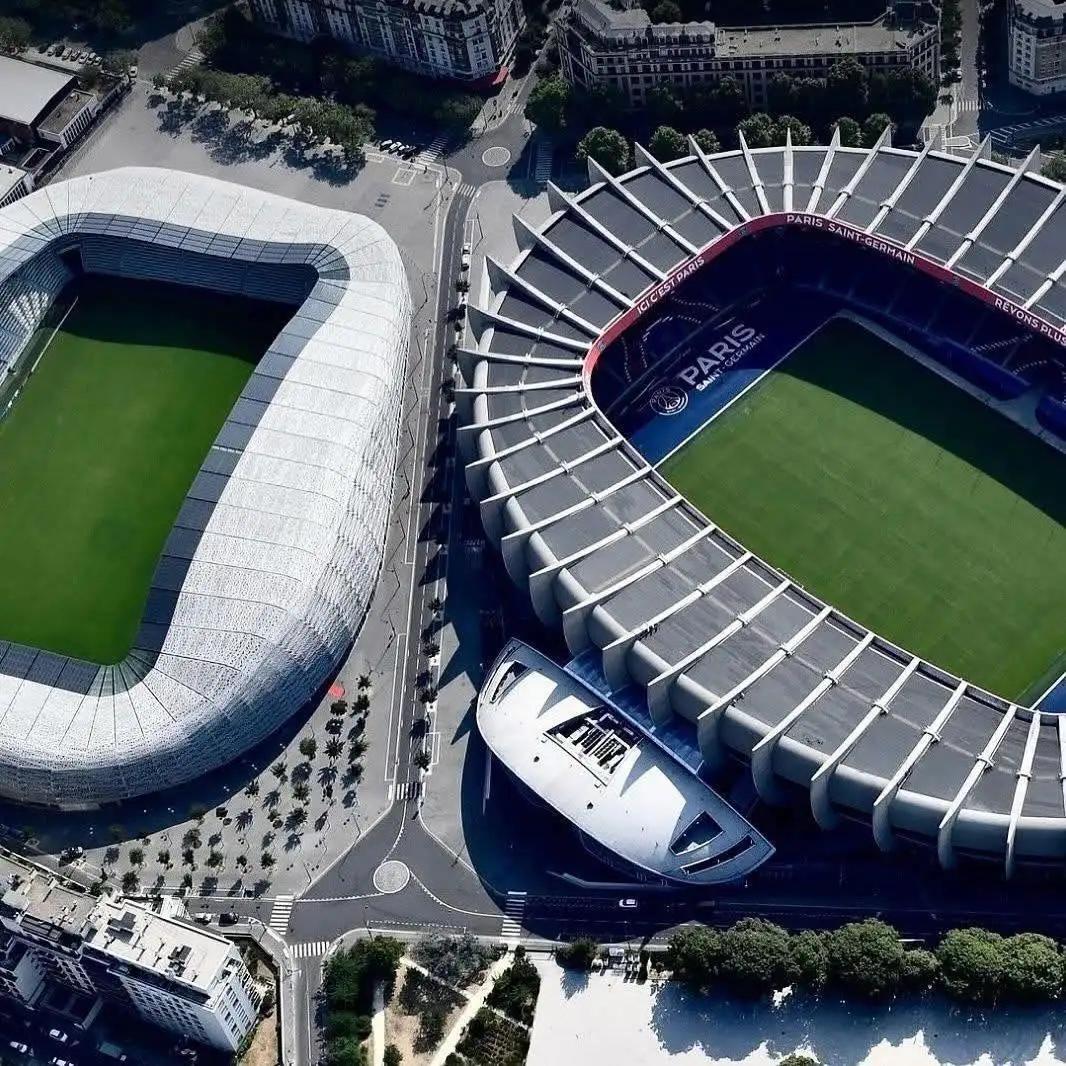
Paris Saint-Germain is a major economic engine for Paris, generating over 243 million euros in direct economic impact annually and creating at least 2,300 jobs in the southwestern suburbs of Paris where the club is based. Last season, the club contributed 371 million euros, accounting for 7.4% of Paris's city budget. Thanks to the success of Paris Saint-Germain, Paris has become a new international football city in Europe, joining the top tier of traditional football cities such as Madrid, London, Manchester, Barcelona, Munich, and Milan.
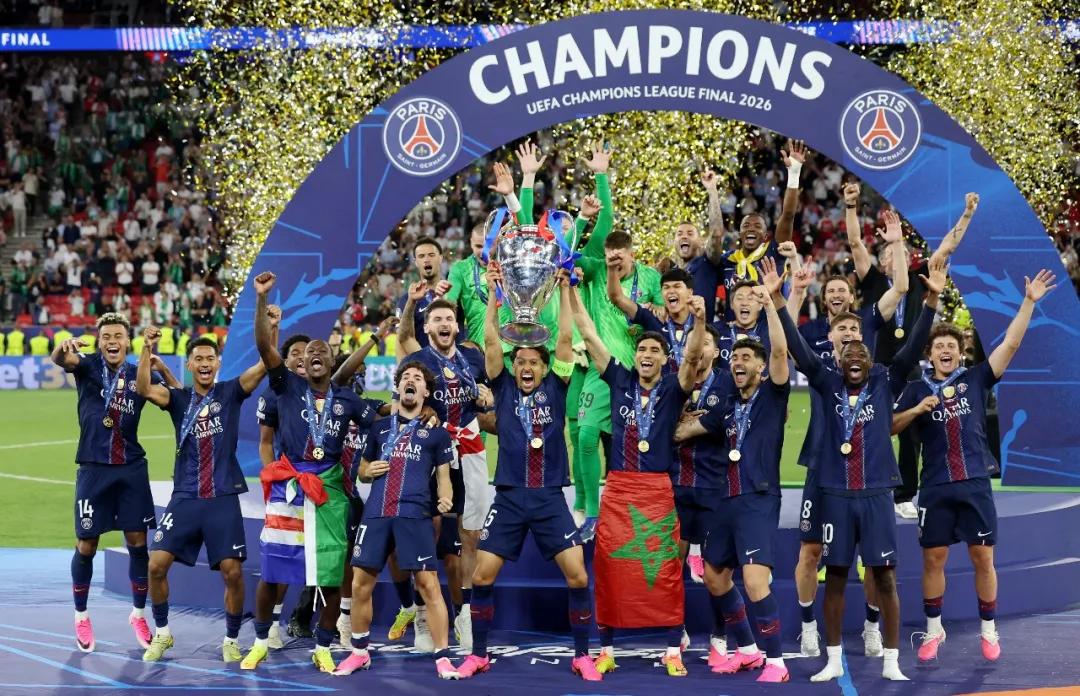
The thriving football industry, led by Paris Saint-Germain, has driven the entire sports industry and economic growth in Paris. New investments have been made in football, with luxury conglomerate LVMH and Red Bull Group investing in Paris FC, bringing back a city derby in the French capital after 35 years. PSG's deep cooperation with Jordan and North American funds has also brought in major international events such as NBA and NFL overseas games, the Esports World Cup, the Six Nations Rugby, horse racing, as well as traditional events like the French Open and the Tour de France.
Thanks to the locomotive role of the football industry, Paris now has a football city card that rivals its traditional fashion and culture.

With the strong rise of Doha, Jeddah, and Paris, the competition for international sports cities is profoundly changing the global football landscape. Traditional global sports cities have long been dominated by established European and American metropolises, along with the Middle East, which has become an international event hub through heavy investment, forming three major geographical blocks of international sports cities. The Asia-Pacific region lacks a comparable international sports city, especially an international football exchange center targeting Southeast Asia, the Middle East, and Oceania.
For China's rapidly developing megacities, this is a historic opportunity to catch up by leveraging sports, especially the football industry, and to reshape the global football industry landscape by establishing international sports cities. As early as 2019, the state issued the "Outline for Building a Sports Power," which clearly stated support for large and medium-sized cities to build international sports event cities, promote sports exchanges with foreign countries, conduct cross-border leagues and youth sports exchanges, and enhance the international image of cities through sports. It particularly emphasized cultivating city sports IPs with global influence and supporting cross-border sports cooperation among the Guangdong-Hong Kong-Macao Greater Bay Area, the Yangtze River Delta, and the Beijing-Tianjin-Hebei city clusters.
China's development of international sports cities not only fills the gap in the Asia-Pacific region for a globally influential football industry hub but also reshapes the world sports geopolitical landscape, having a profound impact on the internationalization of China's football industry. Football is a universal global language. Building international sports cities can eliminate cross-cultural communication barriers, facilitate Sino-foreign football exchanges, and further improve the level of Chinese football development.
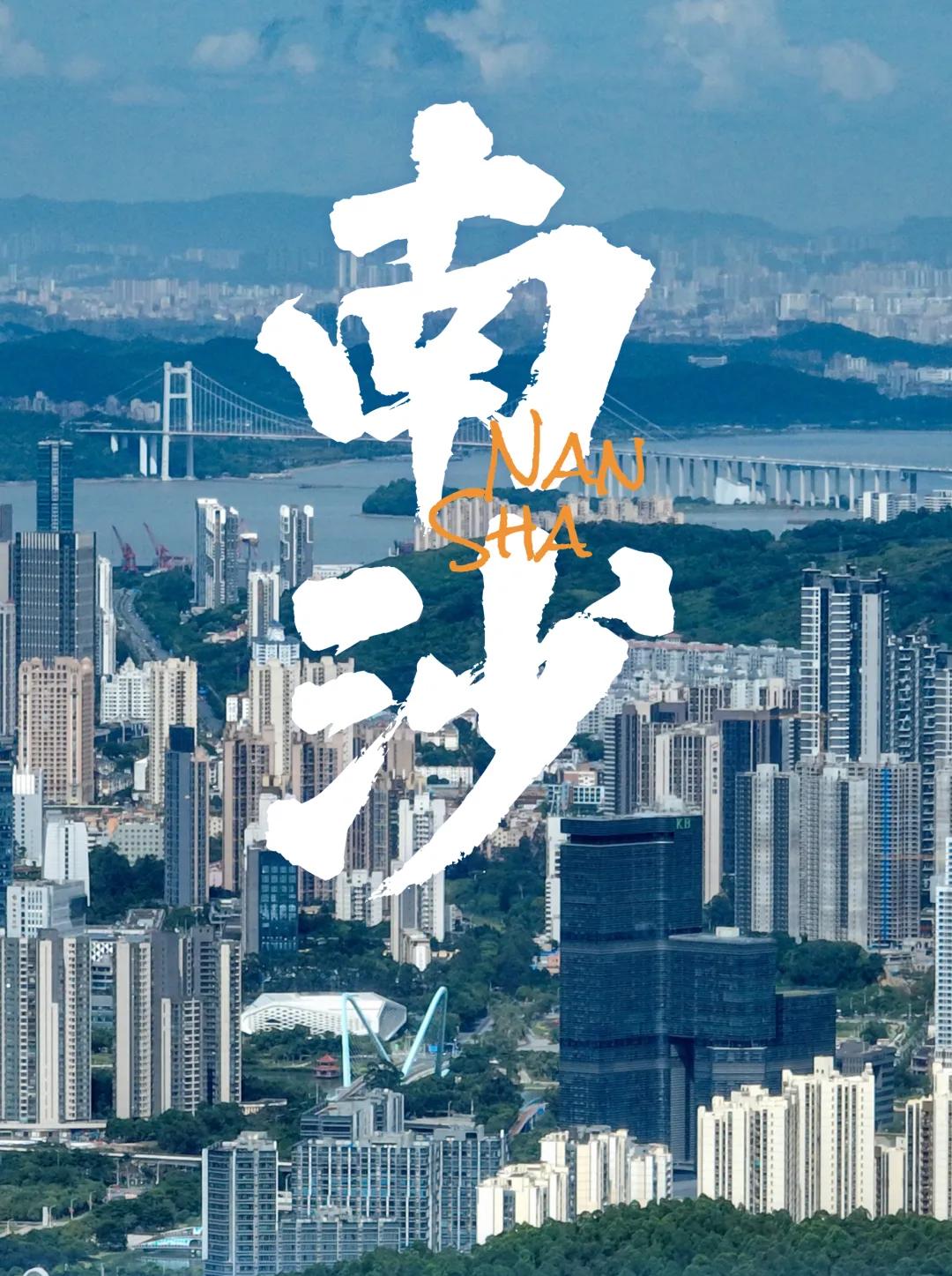
In terms of building an international sports city, Guangzhou's Nansha District has unique advantages. Relying on the national-level new area, free trade pilot zone, and the Guangdong-Hong Kong-Macao comprehensive cooperation demonstration zone, its coastal environment provides a foundation for developing football, land-based, and water sports. The unique cross-border collaboration model of the Greater Bay Area breaks away from the development templates of all existing world sports cities, representing a positive attempt by Chinese cities to forge a new path toward internationalization.
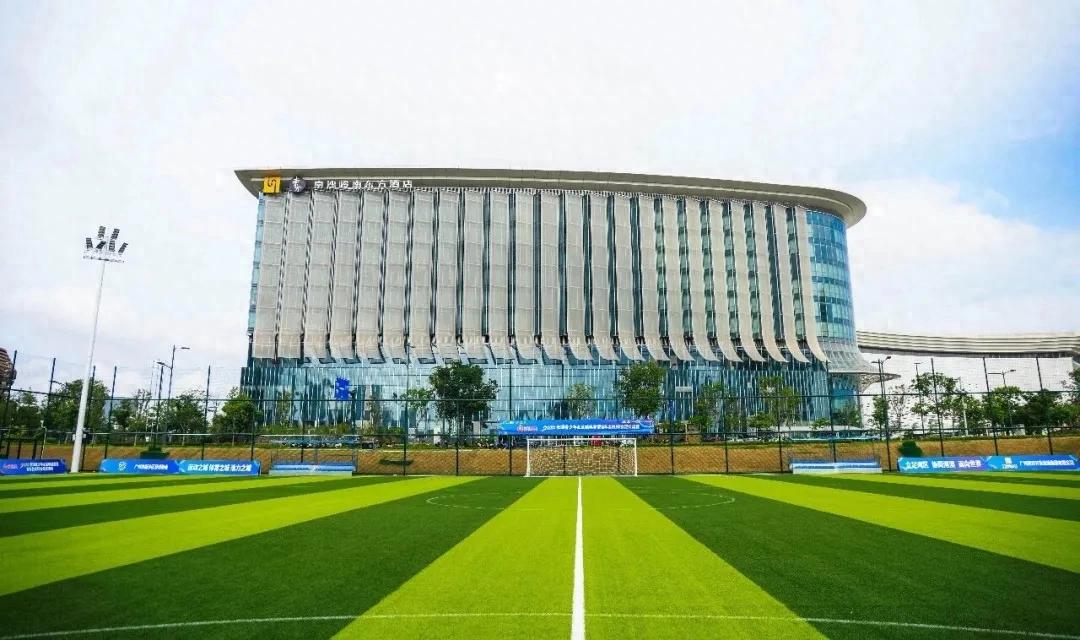
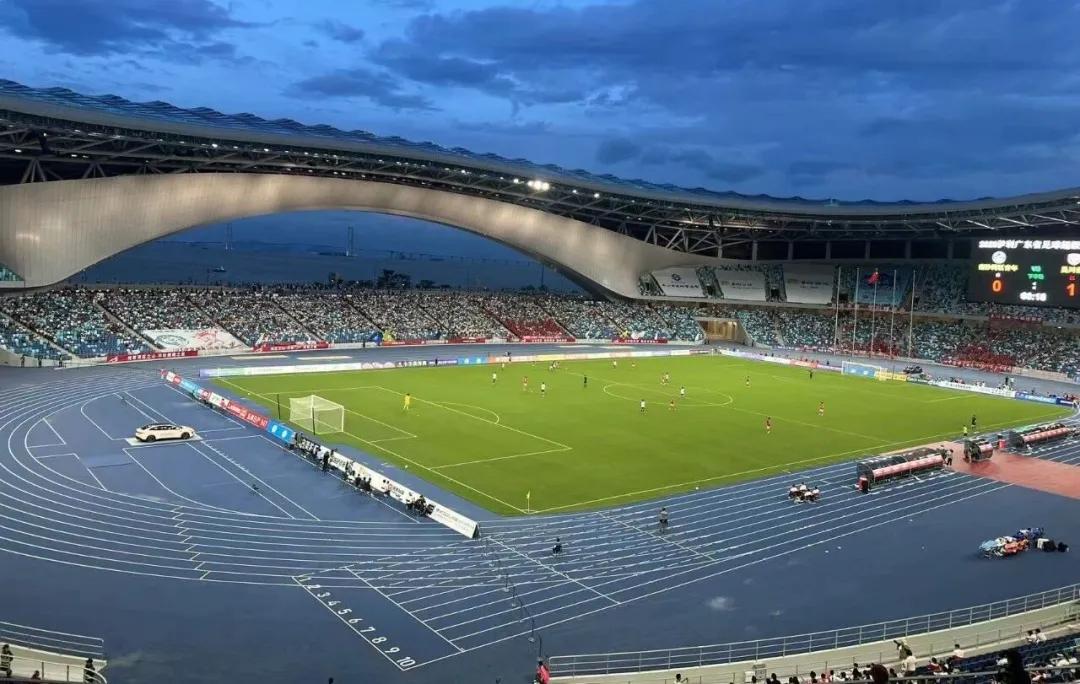
To build an international sports city, Nansha has already demonstrated "Nansha speed." It has completed the Greater Bay Area Cultural and Sports Center with a capacity of 60,000 people and a training ground of nearly 8,000 square meters, both top-notch in the entire Greater Bay Area. It has introduced the ITF International Junior Tennis Tour Nansha stop, WTA and ATP international tennis tournaments, as well as Asian-level sailing events. At the same time, Nansha is actively bringing in high-level football matches, from the opening match of last year's provincial super league to this year's Guangdong-Hong Kong Cup, with increasing levels of competition.
Nansha has built its youth training center and, through cooperation with Paris Saint-Germain, established the Paris Saint-Germain Academy (Greater Bay Area), taking a decisive step in international youth development exchange. In addition, with the Chinese women's football team flourishing across three fronts in 2026, Nansha also attaches great importance to the development of women's football. It has not only hired former Brazilian women's national team member Priscila Meira to join the coaching staff but also actively introduced high-level youth women's football events. This summer, it hosted the 2026 National Youth Women's Football Elite Tournament and the "Century-Old Famous School Cup" women's football exchange.
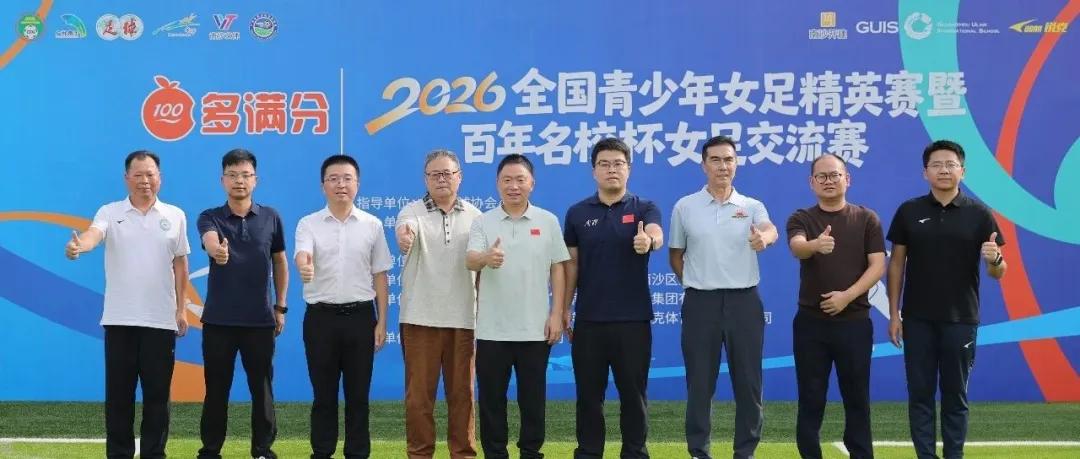
"12 Major Schools" gather in Nansha, Guangzhou. This July, enjoy watching women's football "real kung fu"!
After years of quiet accumulation, Nansha is building a new development model centered on football youth training and high-level youth events, with cross-border collaboration among Guangdong, Hong Kong, and Macao. This model connects the sports resources of the Guangdong-Hong Kong-Macao Greater Bay Area, fills the gaps in international sports functions, and fully attracts global sports capital from the region. As a pioneer in building an international sports city, Nansha is expected to help the Greater Bay Area leapfrog in the global sports city rankings, rivaling the two world-class sports bay areas: New York-New Jersey and San Francisco-Los Angeles.
Accelerating the establishment of international sports cities to break the tripartite world sports city pattern of Europe, the Americas, and the Middle East is a global strategy for China's future sports industry development. Within this global strategy, Nansha has taken the first step.
Leveraging the unique advantages of the Guangdong-Hong Kong-Macao Greater Bay Area, Nansha has the potential to become a comprehensive international sports city in the Asia-Pacific region, based on football and combined with tennis and water sports. More importantly, Nansha has explored a sustainable development path centered on football youth training and a cross-border collaborative innovation model for China's international sports city construction, providing a replicable and scalable Nansha model for the internationalization of cities across the country.


Wonderfulshortvideo
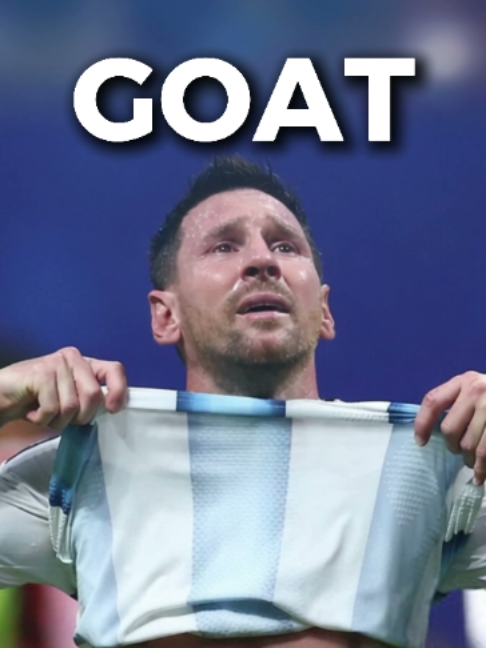
messi goal today messi assist today messi highlights vs egypt enzo fernandez goal today romero goal today argentina goals today argentina 3-2 egypt



“Wonderful player, fantastic player, could not run” 😅

Neville, Keane and Wright DO NOT agree on the future of Argentina in the World Cup 👀

“It gave you everything” 👀
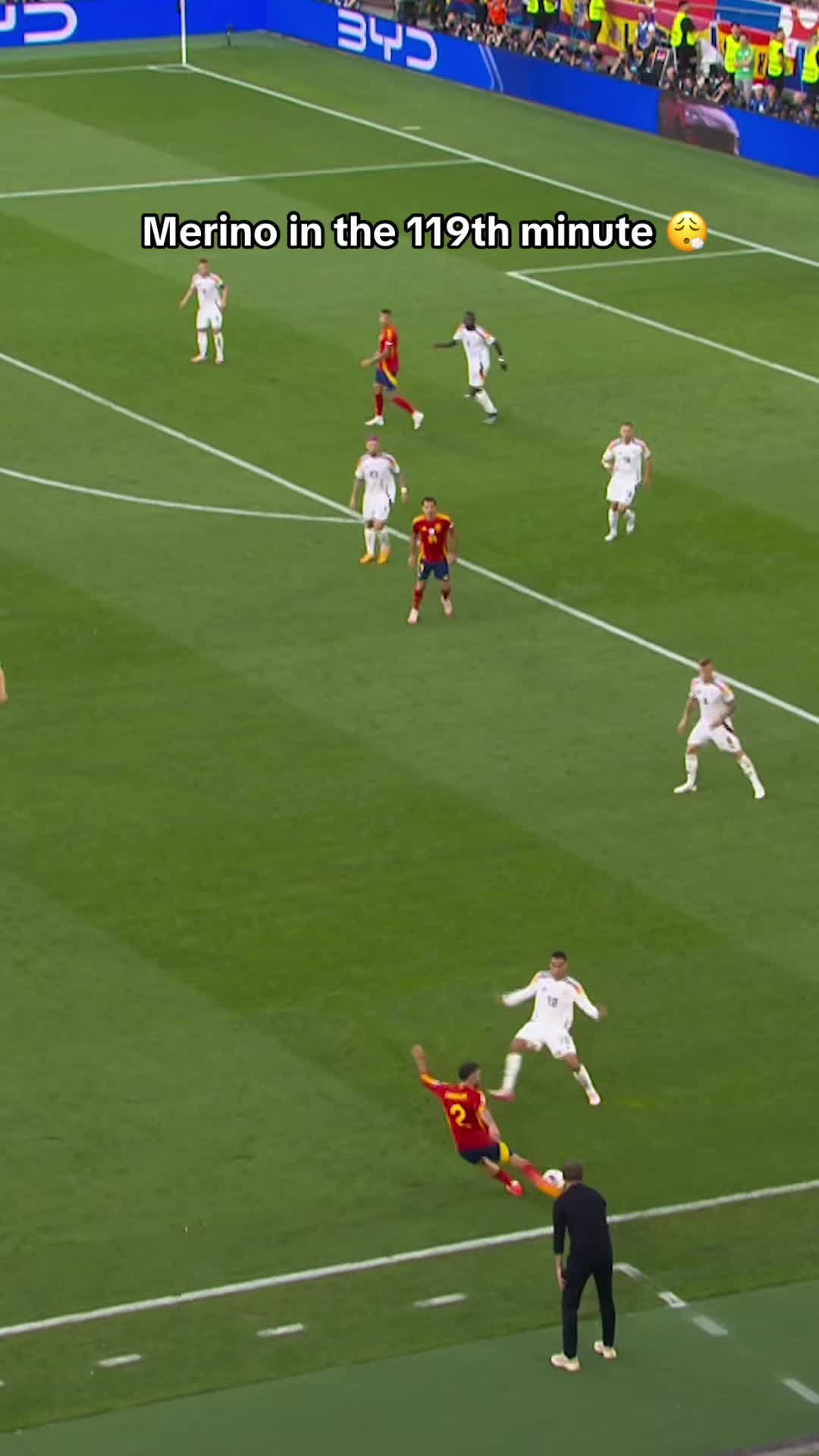
Clutch Merino 😮💨
merino goal today portugal 0-1 spain ronaldo interview today ronaldo retirement retiring

kane goal today kane highlights today england 2-1 congo
 Links
Links
 Contact
 App
App


