



World Cup 2026: The Unbreakable Order of Power



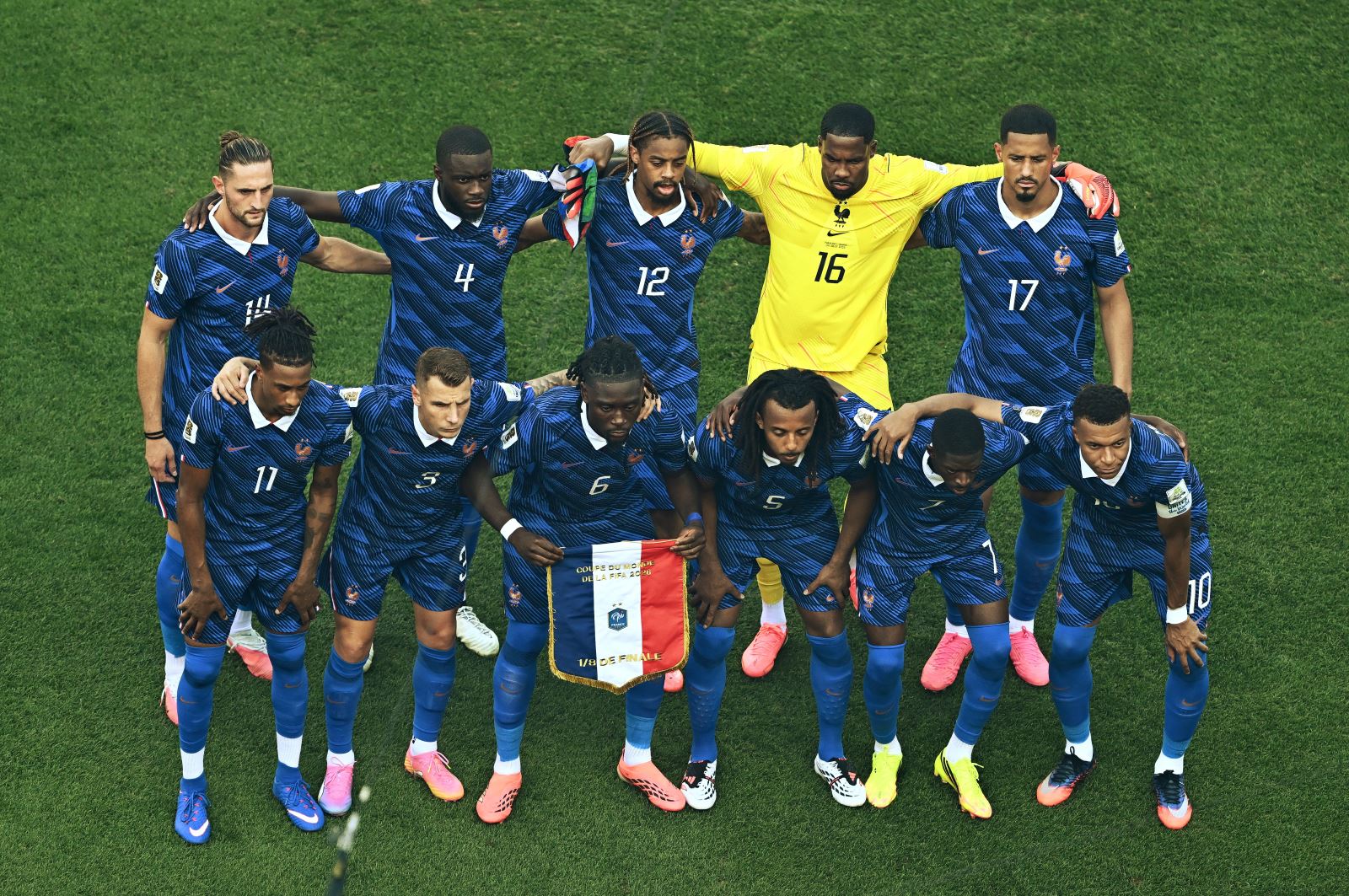
Among the eight remaining teams, six are from Europe: France, Spain, Belgium, England, Norway, and Switzerland. The other two spots belong to defending champion Argentina (representing the Americas) and Morocco (Africa). The scenario of an all-European semifinal, seen at the 2018 World Cup, could therefore repeat itself.
The decision by FIFA to increase the number of participating teams from 32 to 48 has given more slots to various regions. While Europe had 14 out of 24 spots at the 1990 World Cup, by 2026 this region holds 16 out of 48. The rest of the world thus saw a significant expansion of their chances to participate, with Africa alone rising from 5 representatives in Qatar 2022 to 10 teams in North America this year.
But theoretical opportunities do not translate into a shift in the balance of power during the decisive stages. Europe has not only maintained its position but has increased its presence in the top eight. At the 2022 World Cup, the region had five teams in the quarterfinals; this year that number has risen to six. Over the past two decades, the 2002 World Cup was a rare exception, with only four European representatives in this round.
This dominance is not due to luck. Europe remains the center of power in world football, where large financial resources, systematic training programs, modern facilities, and the most competitive leagues on the planet are concentrated. Academies in Western Europe continue to produce quality players and serve as a launchpad for many internationals from outside the continent.
Morocco is a clear example of this trend. The only remaining African representative continues to show that they are no longer a one-time phenomenon after their historic run to the semifinals in the 2022 World Cup. The success of this North African team is built on two foundations: on one hand, a domestic training system highlighted by the Mohammed VI Academy near Rabat; on the other, a pool of players born or raised in Europe who chose to represent Morocco.
Achraf Hakimi and Brahim Diaz developed in the Spanish football environment, Noussair Mazraoui grew up in the Netherlands, and Ayyoub Bouaddi is a product of French football. In their group-stage draw against Brazil, Morocco even became the first team in World Cup history to field a starting lineup entirely composed of players born outside the country they represented.
Coach Mohamed Ouahbi acknowledged that Morocco is steadily improving, but he also sees the same progress in European powerhouses, especially France. Ahead of the quarterfinal clash with "Les Bleus," the manager emphasized that both teams are now stronger than four years ago, thanks to synchronized development from their federations and training systems.
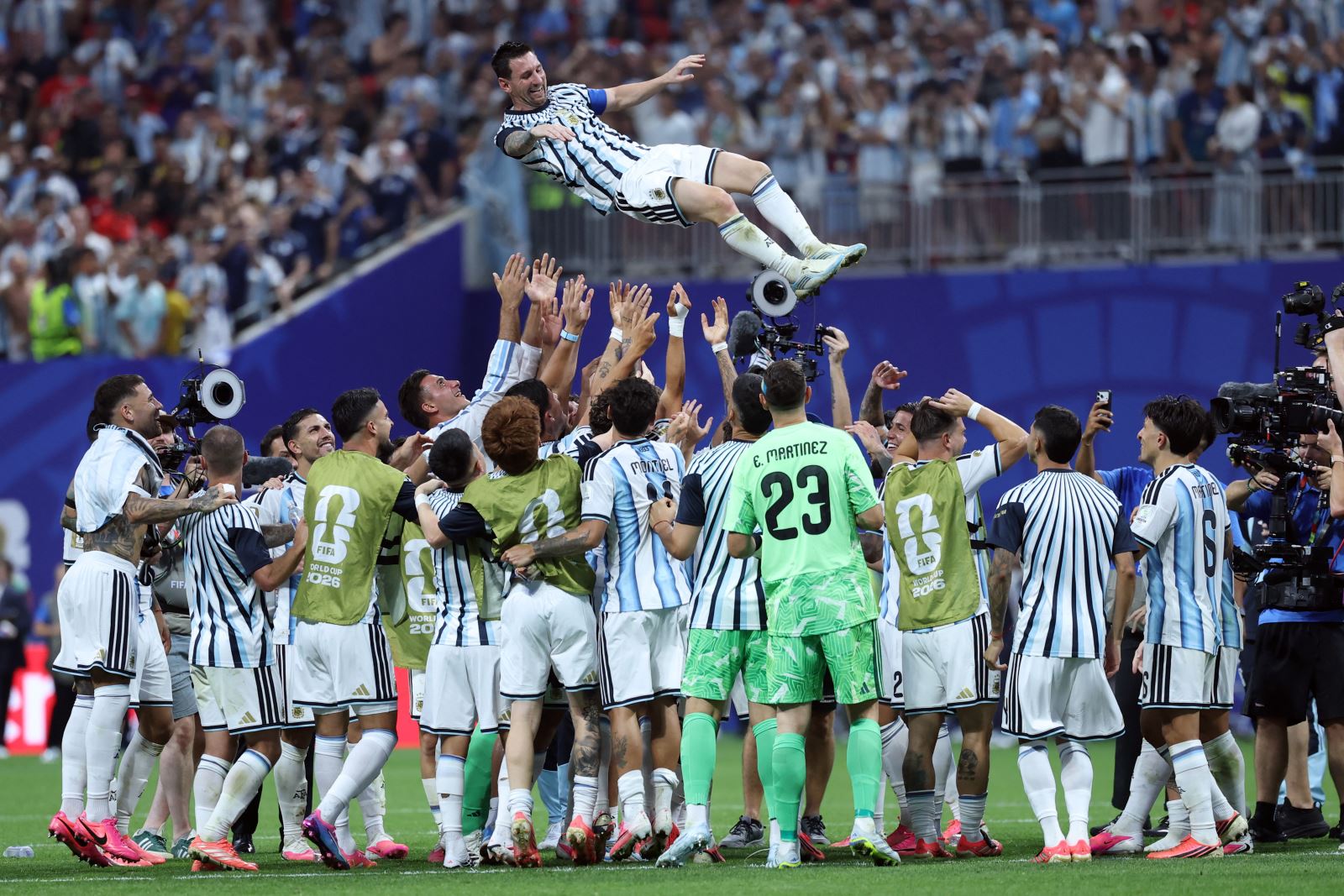
Argentina is a rare exception among the top eight. Most of their players were born at home, but many moved to Europe early to play and matured in high-level football environments there. Lionel Messi is the clearest example. He left Argentina as a teenager to join Barcelona, then became the greatest icon of "Tango" football today.
Meanwhile, Brazil—the most successful team in World Cup history—remains trapped in the "European curse." Despite placing faith in strategist Carlo Ancelotti hoping to change their fate, "Selecao" was eliminated by Norway in the round of 16. This defeat extends Brazil's painful streak. Since their 2002 title, they have fallen every time they faced European teams in World Cup knockout rounds.
The United States also entered the 2026 World Cup with high expectations, especially as the tournament was held on home soil and was seen as a chance to replicate their 2002 quarterfinal achievement. But the Stars and Stripes were eliminated after a heavy 1-4 loss to Belgium, a defeat that exposed the gap in composure and class between the host nation and an experienced European side.
Asia set a record with nine representatives, but only Australia and Japan advanced past the group stage. South America—apart from Argentina—had no other teams left. Colombia was expected to cause a surprise but ultimately fell to Switzerland on penalties. That small Western European team once again proved that a nation's size does not determine football strength, as they possess a stable foundation, a good training system, and enough quality players to compete at the highest level.
Switzerland reached the World Cup quarterfinals for the first time since 1954. Regularly competing against strong European opponents has given them enough confidence to face Argentina. Coach Murat Yakin even stated that this is a special opportunity for his team, as Argentina is not an invincible squad.
The World Cup door has opened wider for the rest of the world, but as the tournament enters the knockout stage, the old order remains nearly intact. Europe once again dominates the biggest stage, while other continents are still searching for answers to a problem that has persisted for decades: how to break that dominance.


Wonderfulshortvideo
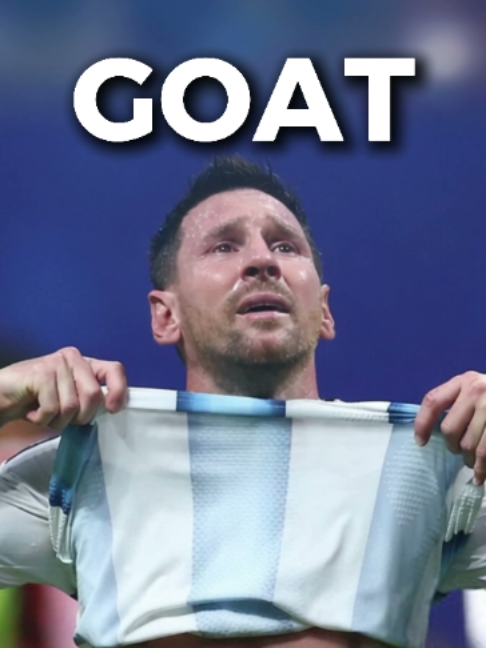
messi goal today messi assist today messi highlights vs egypt enzo fernandez goal today romero goal today argentina goals today argentina 3-2 egypt



“Wonderful player, fantastic player, could not run” 😅
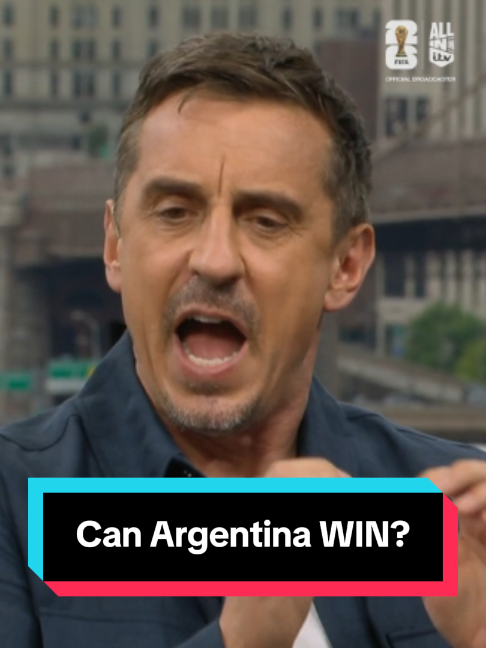
Neville, Keane and Wright DO NOT agree on the future of Argentina in the World Cup 👀
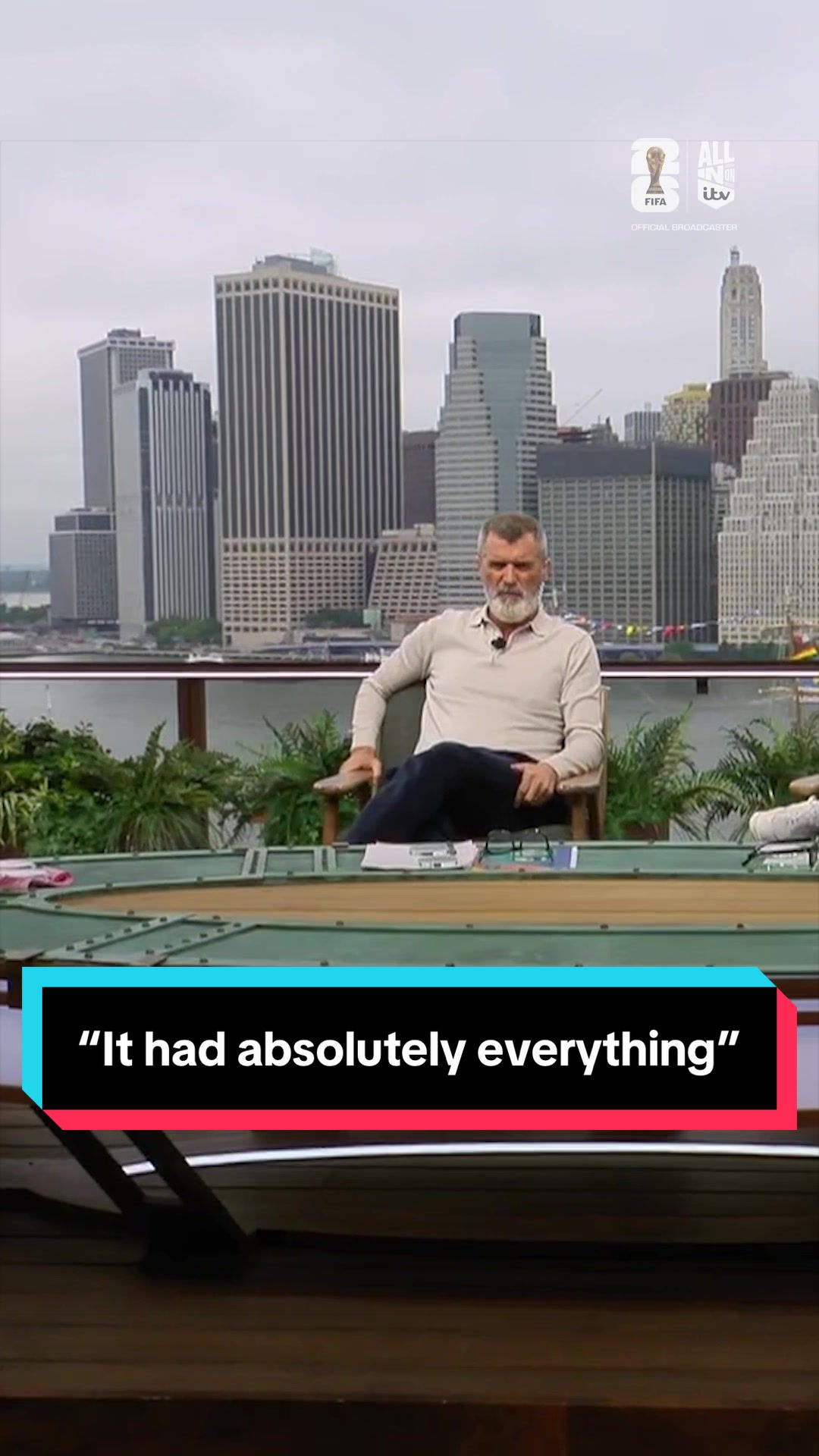
“It gave you everything” 👀
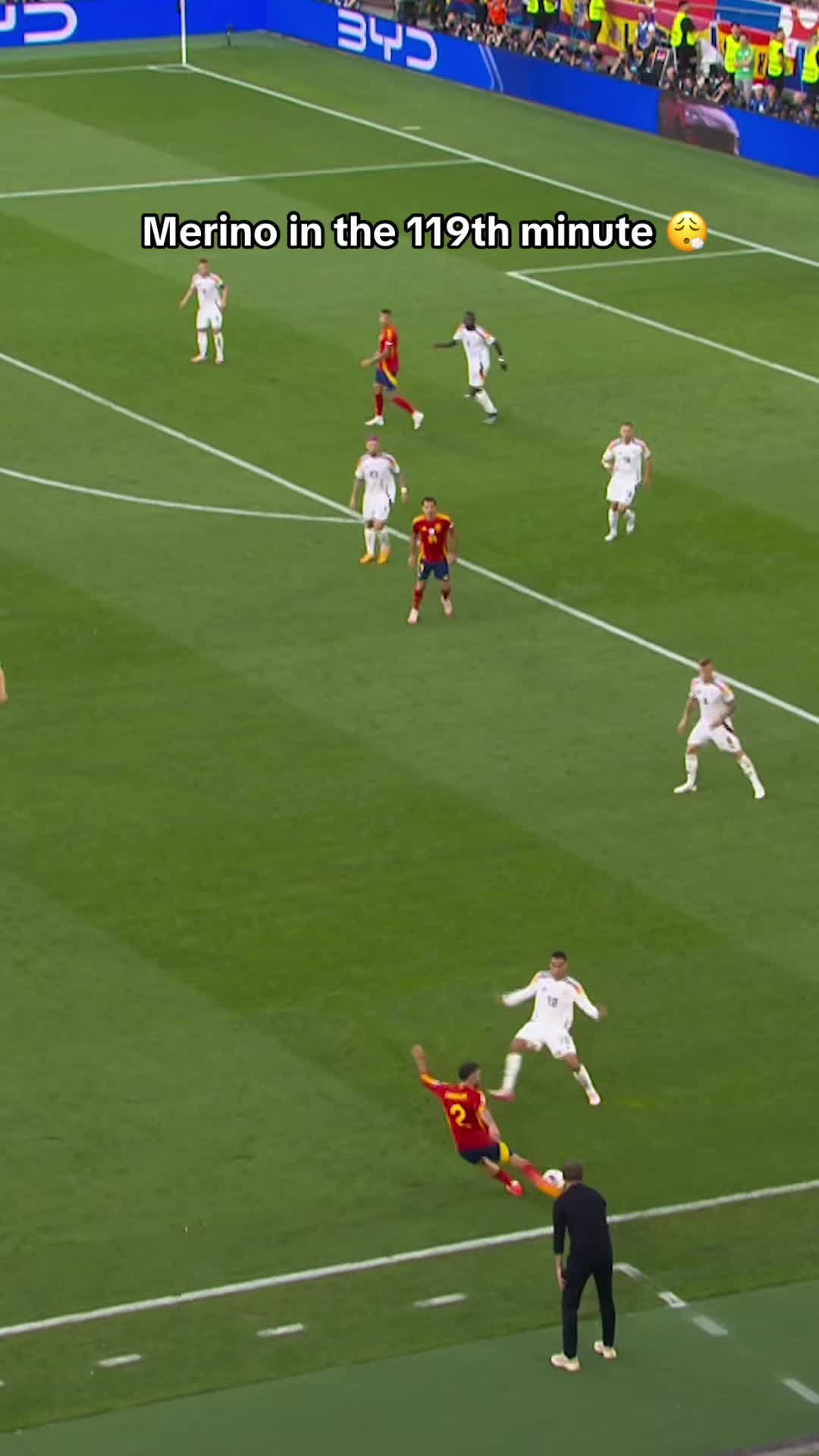
Clutch Merino 😮💨
merino goal today portugal 0-1 spain ronaldo interview today ronaldo retirement retiring
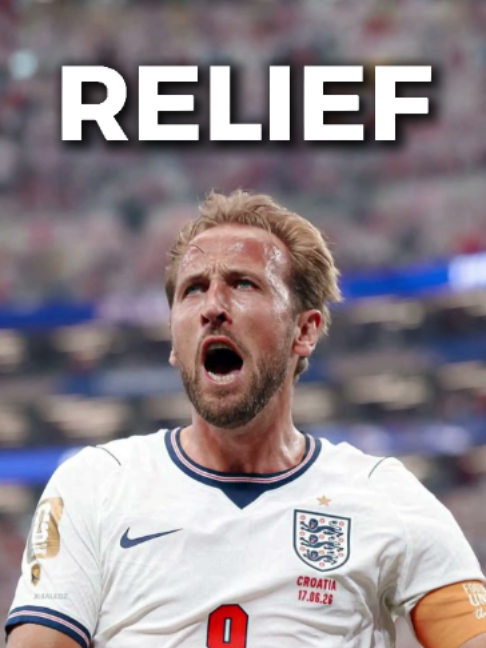
kane goal today kane highlights today england 2-1 congo
 Links
Links
 Contact
 App
App


