



“Morocco's Iniesta,” the Local Academy Pride of a Naturalized Squad



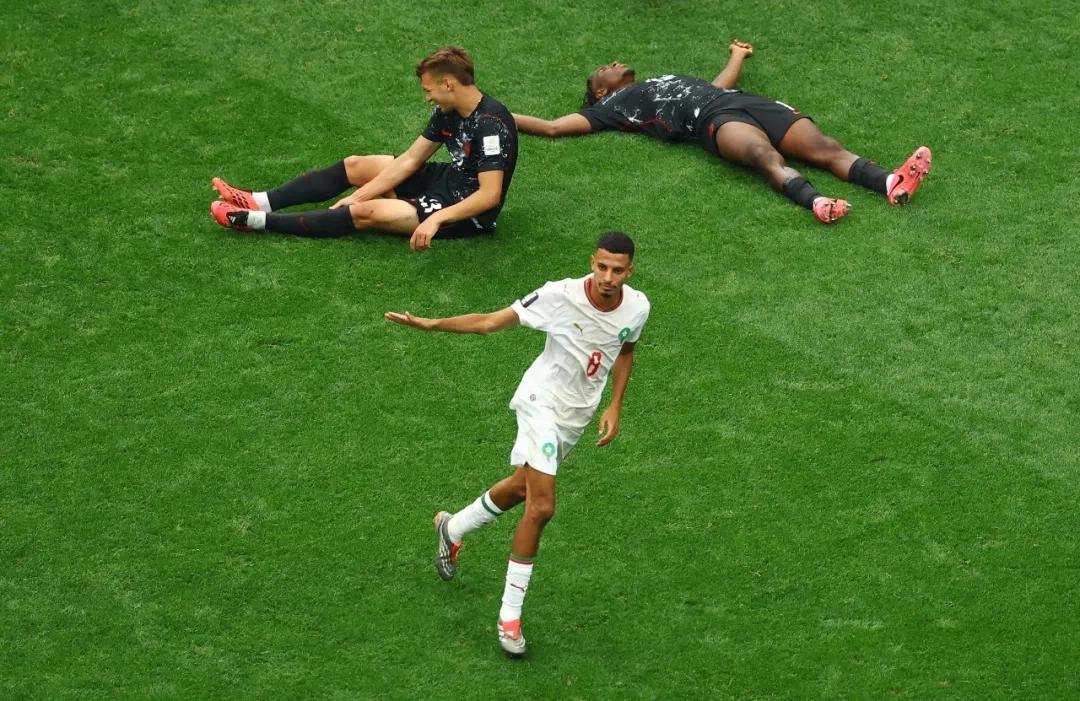
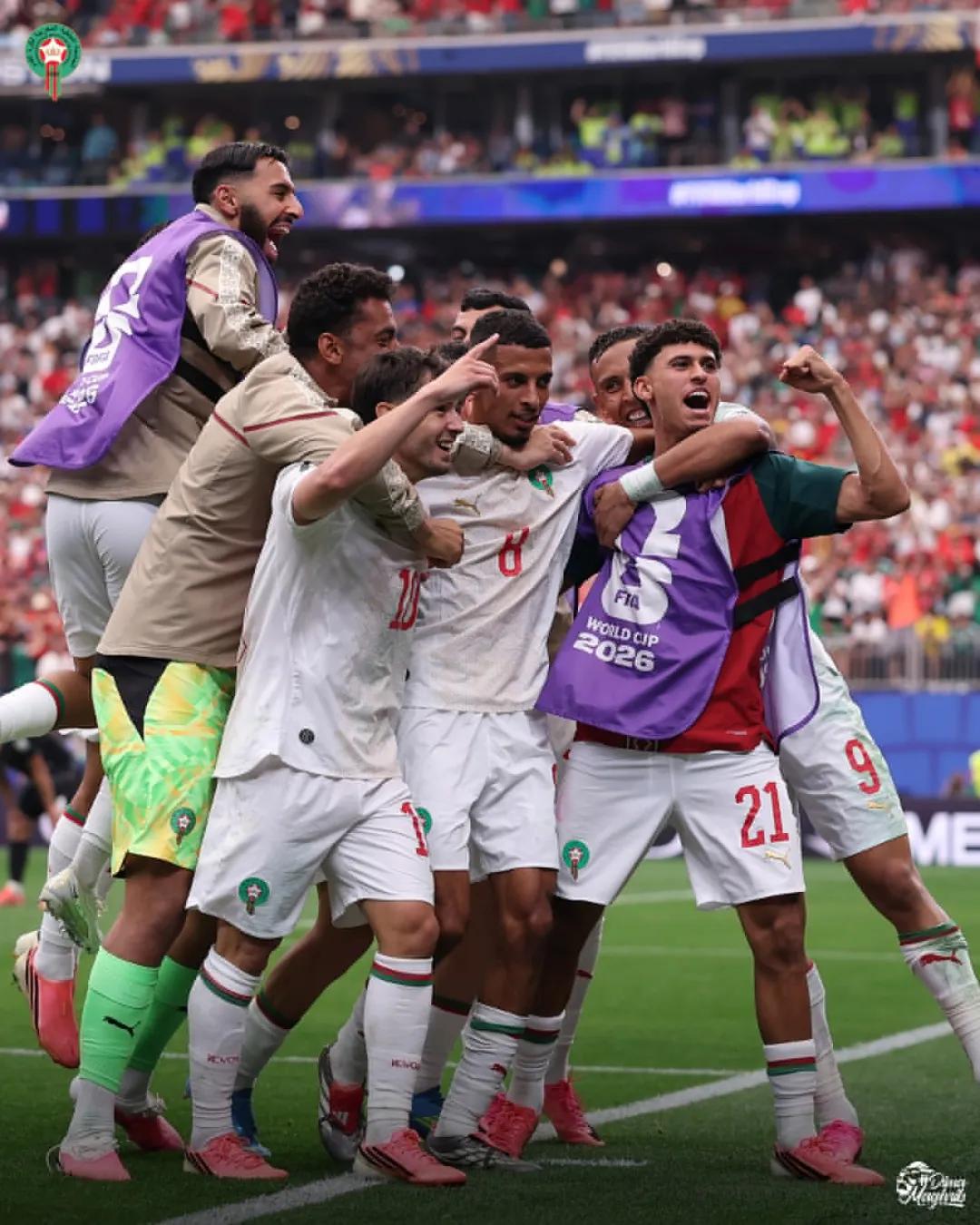
Written by Han Bing 3-0, Morocco easily beat Canada, one of the World Cup co-hosts, in Houston, setting an African record for consecutive World Cup quarterfinal berths. Yet, the star of the match was not among the nine naturalized players in the starting lineup but Ounahi, a product of Morocco's national youth academy. In the 50th and 81st minutes of the second half, he scored a brace, first from an assist by Hakimi and then from Brahim, securing Morocco's victory and establishing himself as the key figure in Morocco's consecutive World Cup quarterfinal appearances.
Just 20 minutes into the match, Sebari, the striker who had just signed for Bayern Munich for €50 million, was forced off injured, leaving Morocco with only one shot in the first half and relying on goalkeeper Bounou to keep the score level. Ounahi's second-half explosion ensured Morocco's comfortable win, with Rahimi's goal in the 82nd minute being mere icing on the cake. Ounahi became the fourth African player to score a brace in a World Cup knockout match, following Egypt's Fawzy (1934), Cameroon's Milla (1990), and Senegal's Henri Camara (2002). Moreover, his first goal was the 100th scored by an Arab team in World Cup history, etching his name into Arab football lore.
In the ranking of African players with the most World Cup appearances, Hakimi (15 games) sits comfortably at the top, while Ounahi (12 games) has moved into second place, surpassing Cameroon legend Biyik, who scored the goal that eliminated Argentina in 1990, and his teammate, goalkeeper Bounou (11 games). In the quarterfinal against France, Morocco's dominance in this statistic is set to continue.
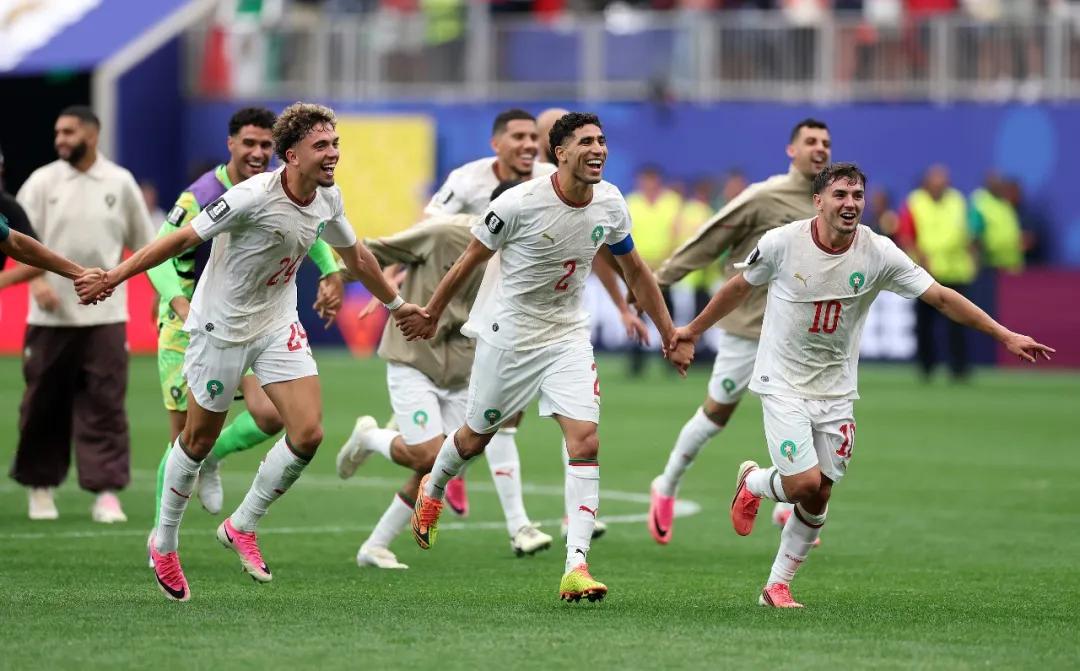
Morocco's strength is built on naturalized players: 19 of the 26-man squad are naturalized, with 6 from Spain, 6 from France, 3 each from the Netherlands and Belgium, and 1 from Canada. Fourteen players ply their trade in the top five European leagues, and the starting eleven consistently features at least 9 naturalized players. If we also consider goalkeeper Bounou—born in Canada but returned to Morocco at age three—as a naturalized player, that number rises to 10. Given such fierce competition, it's easy to see the immense challenge faced by Ounahi, a player who is entirely a product of the local youth system.
Before this match, Ounahi was under intense media scrutiny, having scored only one goal in eight appearances for the national team this season—a stark contrast to his efficiency of 4 goals in 5 games (2020/21 season) and 3 goals in 5 games (2024/25 season) in recent years. Fortunately, he proved his worth against Canada, partly due to Sebari's early injury, which gave him more space to push forward into the penalty area and attempt shots. One of Morocco's standout players from the 2022 World Cup, he has finally rediscovered his form and confidence.
The 26-year-old Ounahi comes from a footballing family; his cousin Mukhanawi and uncle both played for top Moroccan clubs, and many others in his family are also involved in football. He grew up playing street football in Casablanca and was spotted by a scout at age 10, joining the youth academy of the local club, Espérance Casablanca. He shone in the Zidane Cup (Morocco's U13 championship), which earned him an invitation from the Mohammed VI Football Academy in Rabat. However, he was a homebody and didn't want to leave his family at 12. It wasn't until he was 15 that he finally joined this national youth training center.
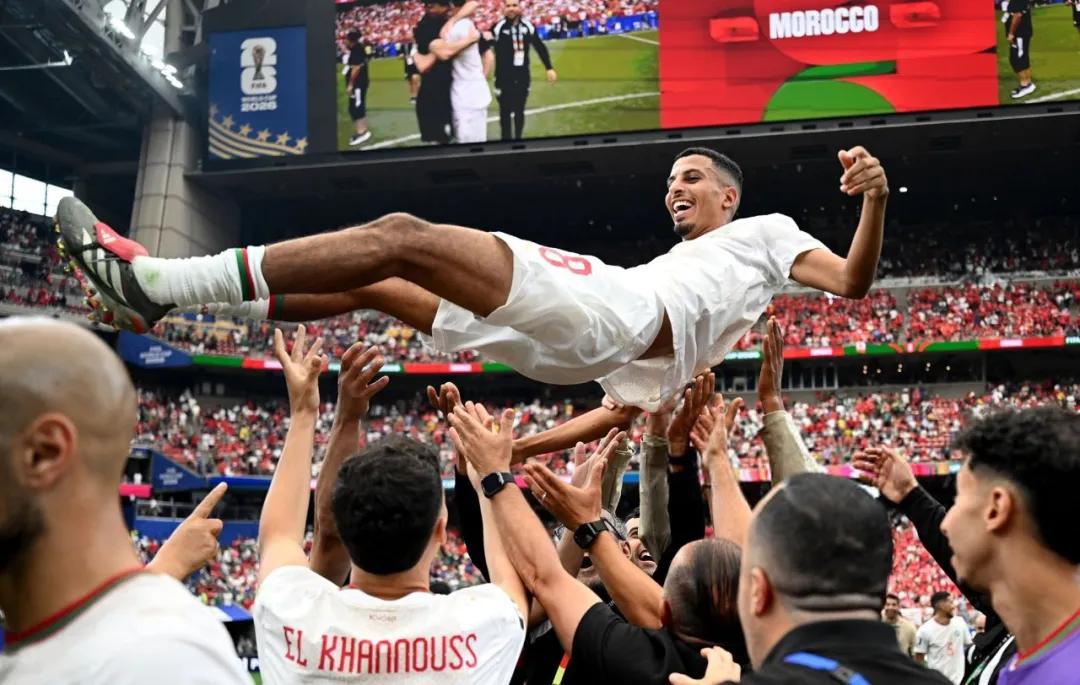
Ounahi’s idol is Andrés Iniesta, and his playing style is similar: he strives to keep possession like his idol and maintains a simple, efficient passing and shooting style. He avoids one-on-one dribbling, preferring to release the ball quickly, a testament to his footballing vision and intelligence. Known for his tireless running, he covers 12-13 kilometers per game and even set a Ligue 1 season record of 13.95 kilometers in a single match while playing for Angers. At 18, in 2018, he left the academy to join Strasbourg in Ligue 1, but it took three years, until 2021, for him to make his Ligue 1 debut with Angers. He joined Ligue 1 giants Marseille in early 2023 but was not successful, and last summer he moved to the small La Liga club Girona.
Ounahi's breakout is a point of pride for the Mohammed VI Football Academy. Opened in September 2010, the academy is located on the outskirts of Rabat and cost $13 million to build. It recruits 50 students aged 18-23 from across the country each year. The facility boasts nine pitches, including four that meet FIFA standards. Most of its graduates go on to play in the Moroccan league, with the best being sent to Europe, especially the top five leagues, for further development.
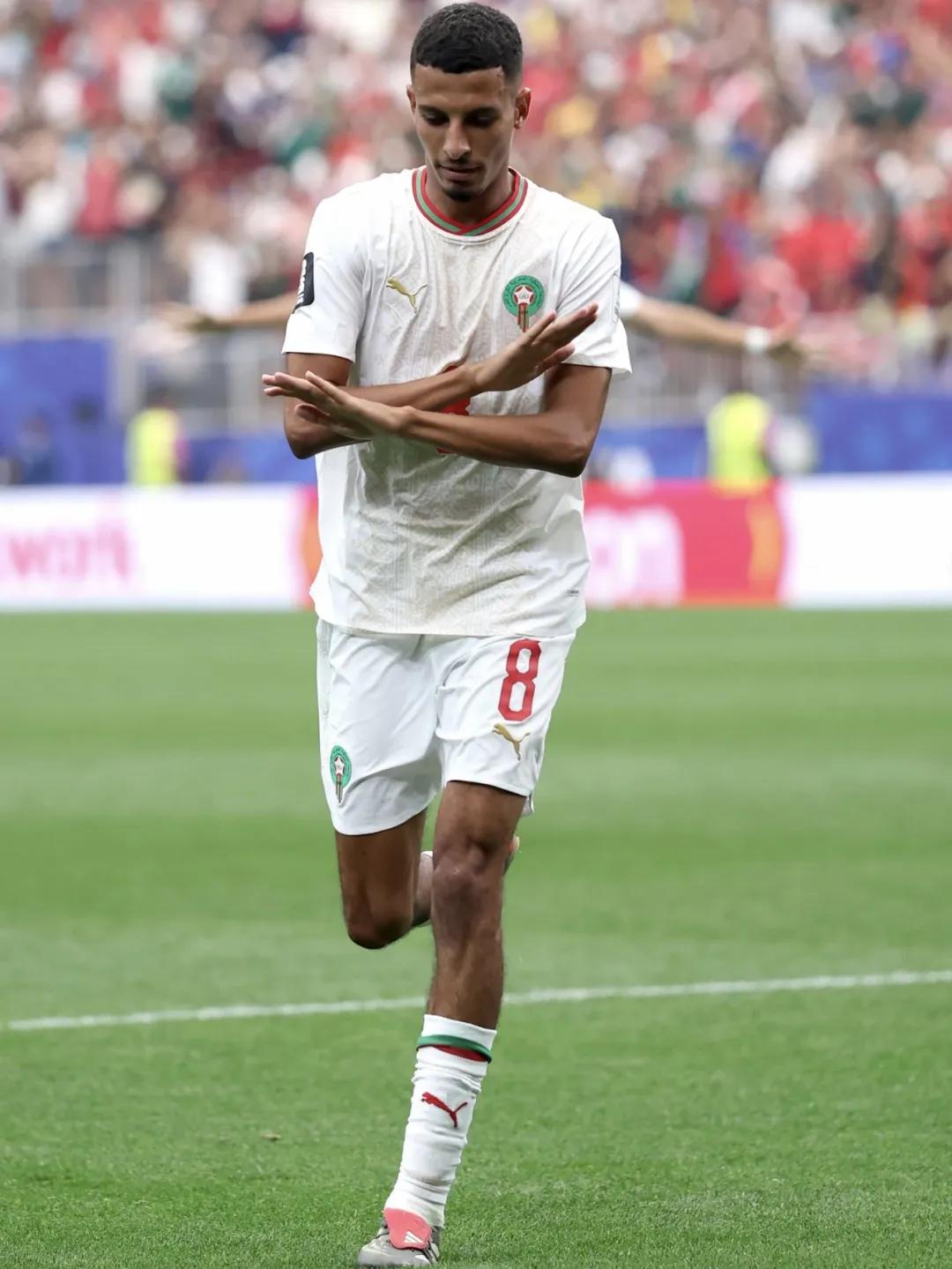
The most famous graduate of the academy is Sevilla striker En-Nesyri. He, along with substitute goalkeeper Tagnaouti, defender Aguerd, and Ounahi, participated in the 2022 World Cup, helping Morocco achieve the best World Cup result for an African nation (a fourth-place finish). When Morocco won the U-20 World Cup in Chile in October 2025, four members of that squad were also from the academy. Originally, three players from the academy were set to participate in this World Cup, but Aguerd unfortunately withdrew due to injury. Nevertheless, Ounahi's performance has proven the academy's remarkable ability to develop talent in Africa. The academy's strategic goal is to have half of Morocco's national team squad come from its ranks by the 2030 World Cup.
Ounahi represents a different path to success for Moroccan football, beyond the mass naturalization of European players. In the quarterfinal clash against tournament favorites France, should Sebari be unable to recover in time, the Atlas Lions will need their “Moroccan Iniesta” to continue scoring and drive their charge for a second consecutive World Cup semifinal appearance.


Wonderfulshortvideo
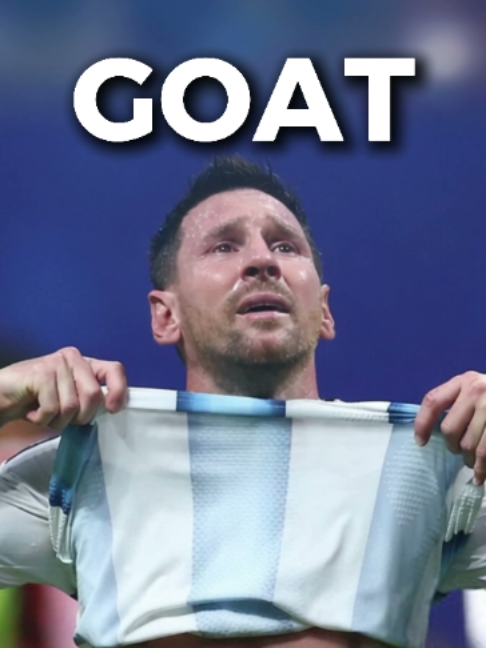
messi goal today messi assist today messi highlights vs egypt enzo fernandez goal today romero goal today argentina goals today argentina 3-2 egypt


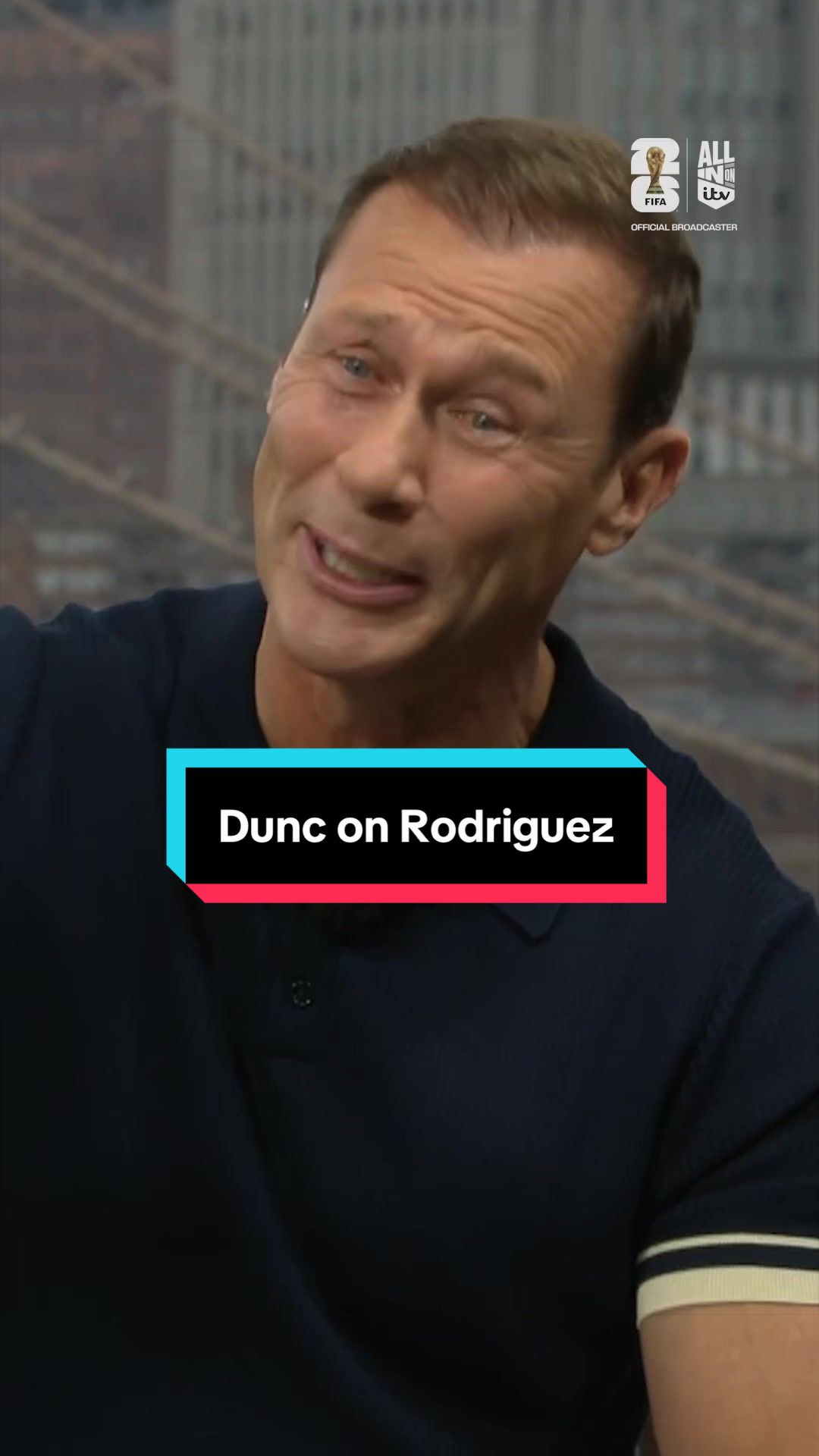
“Wonderful player, fantastic player, could not run” 😅
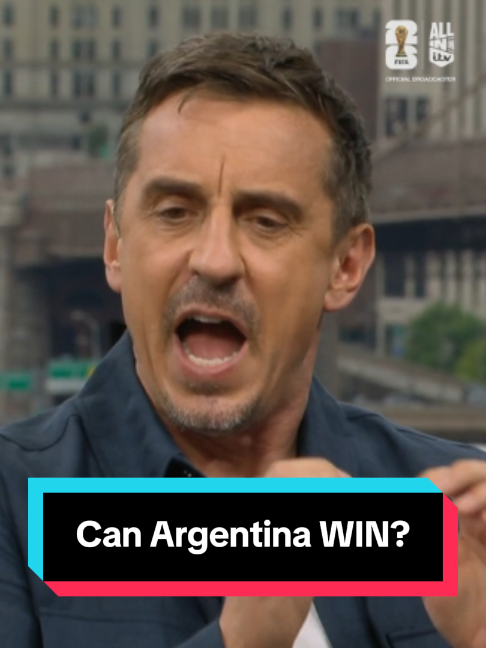
Neville, Keane and Wright DO NOT agree on the future of Argentina in the World Cup 👀
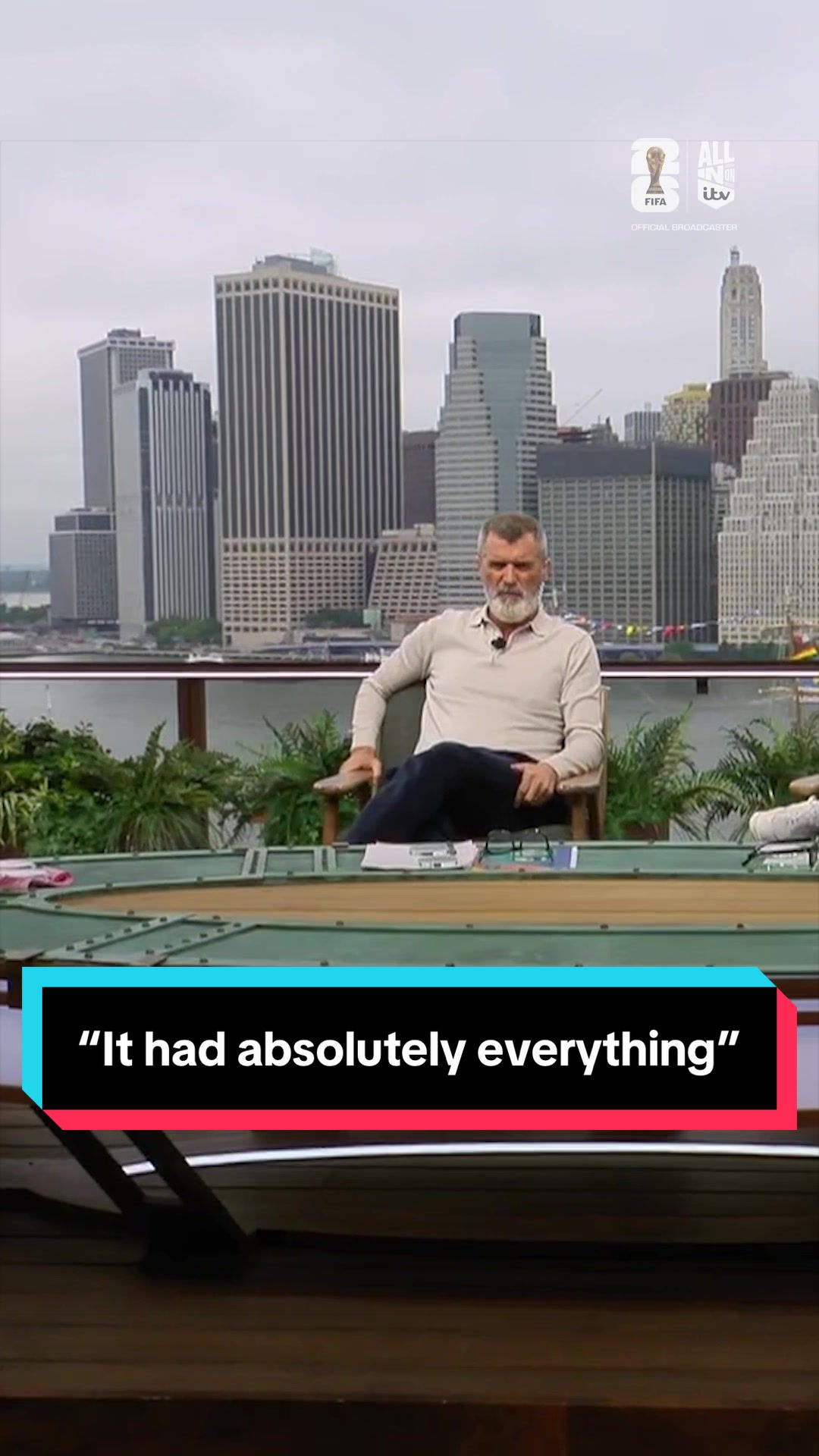
“It gave you everything” 👀
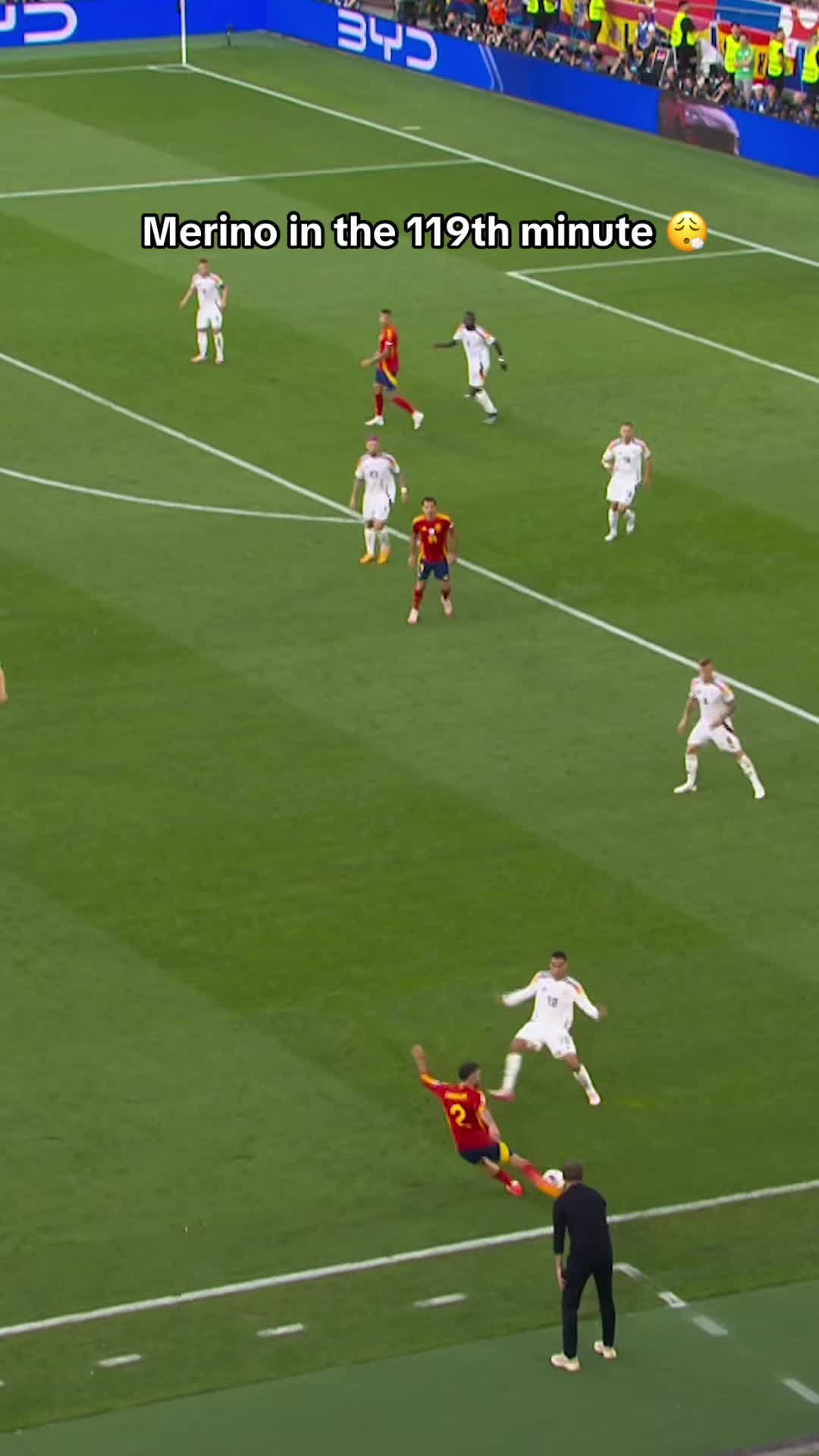
Clutch Merino 😮💨
merino goal today portugal 0-1 spain ronaldo interview today ronaldo retirement retiring
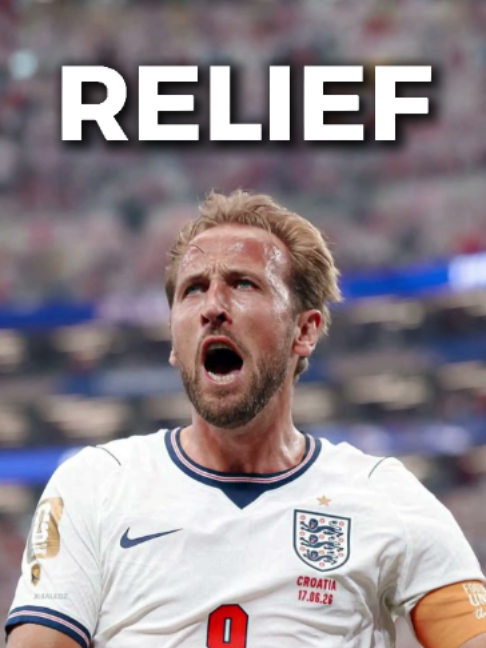
kane goal today kane highlights today england 2-1 congo
 Links
Links
 Contact
 App
App


