



Cape Verde: Lost the Match, Won the World



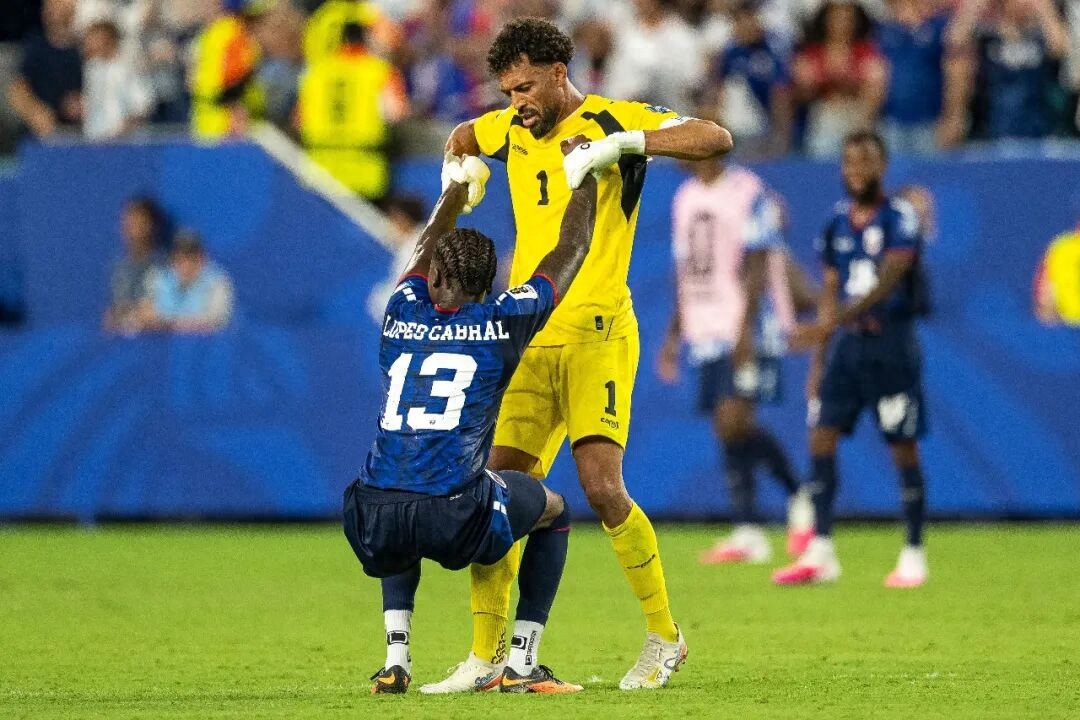
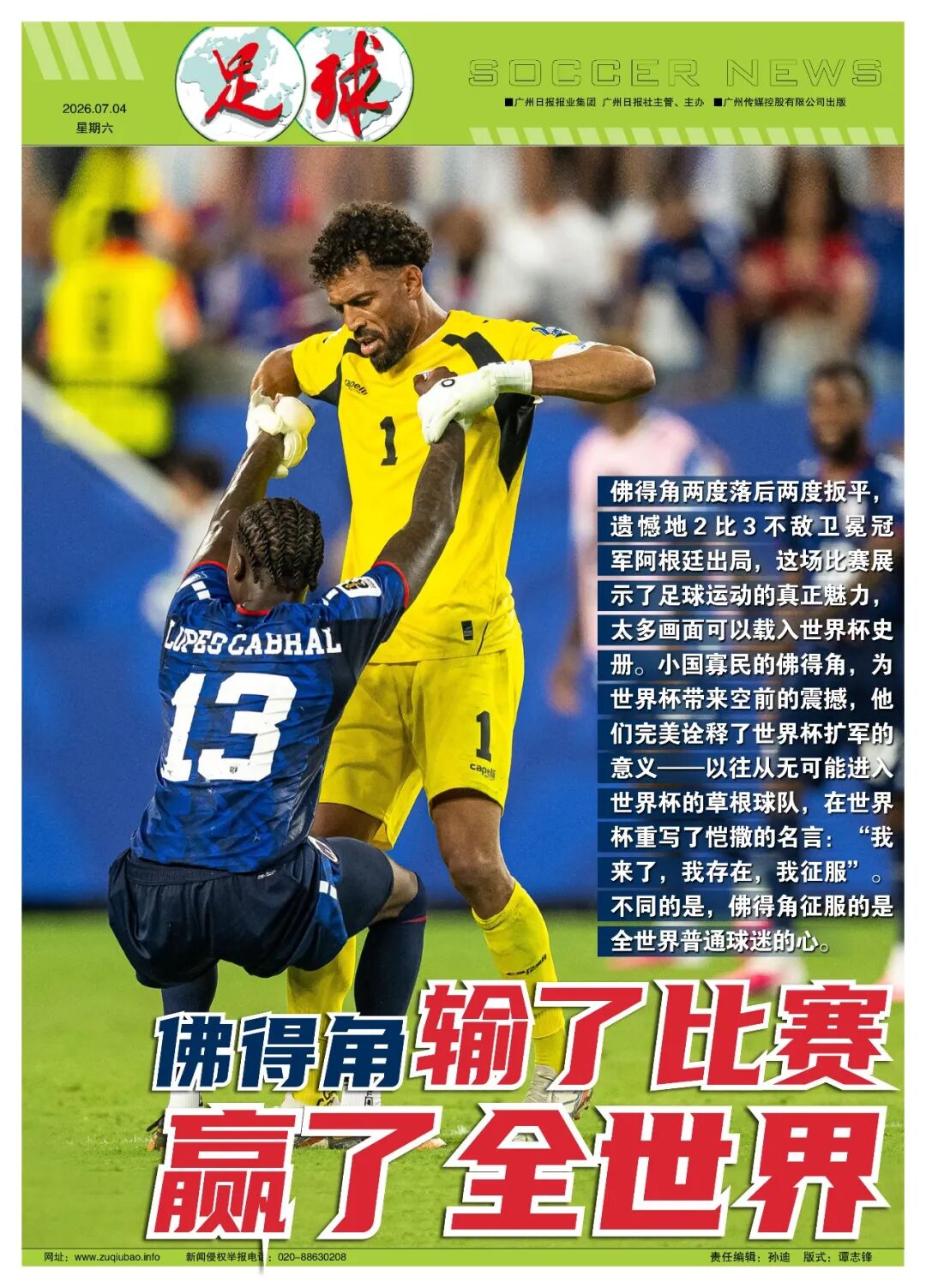
Written by Han Bing Defending champions Argentina beat Cape Verde, the biggest dark horse of this World Cup, 3-2 in extra time. Argentina won the match, but Cape Verde won the world. This is the most thrilling match of the World Cup so far, showcasing the true charm of football. Countless moments are worthy of being etched into World Cup history.
Cape Verde, a small island nation with a modest population, brought an unprecedented shock to the World Cup. They perfectly illustrated the significance of the World Cup's expansion—grassroots teams that previously had no chance to qualify are now rewriting Caesar's famous saying: "I came, I saw, I conquered." The difference is that Cape Verde conquered the hearts of ordinary fans worldwide.

How should we savor this most exciting match of the World Cup? The brilliant goals, fierce contests interspersed with dramatic twists, and a breathlessly accelerating pace? Was it Messi scoring his 20th World Cup goal, extending his record as the tournament's all-time top scorer? Or was it Cabral's stunning curling equalizer in extra time to cancel out Argentina's lead—the unemployed Cape Verdean defender then leaping into the stands to embrace his girlfriend? Or perhaps it was Messi's voluntary handshake with the 40-year-old unemployed Cape Verdean goalkeeper, Vozinha, after the match, respectfully agreeing to photo requests from Cape Verdean players?
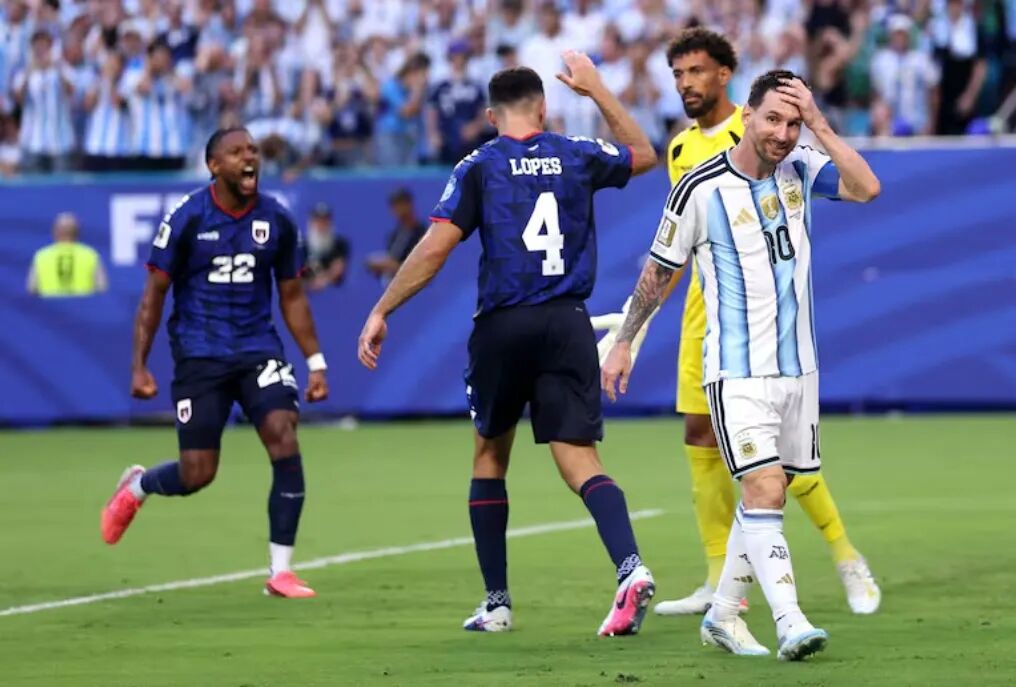
The defending champions Argentina were pushed into extra time by a Cape Verde side starting three unemployed players, having their lead equalized twice, and only avoiding a penalty shootout thanks to an own goal from their opponents. The match's flow was nothing like a contest between two teams separated by 60 places in the world rankings. Perhaps, as The Guardian suggested, it was "a top-tier clash that the defending champions barely managed to win."
Argentina won, and Messi scored again, but the protagonists were the 40-year-old Vozinha, the recently unemployed right-back Cabral, and the "nobodies" of Cape Verde, who were just 12 minutes away from creating a miracle.
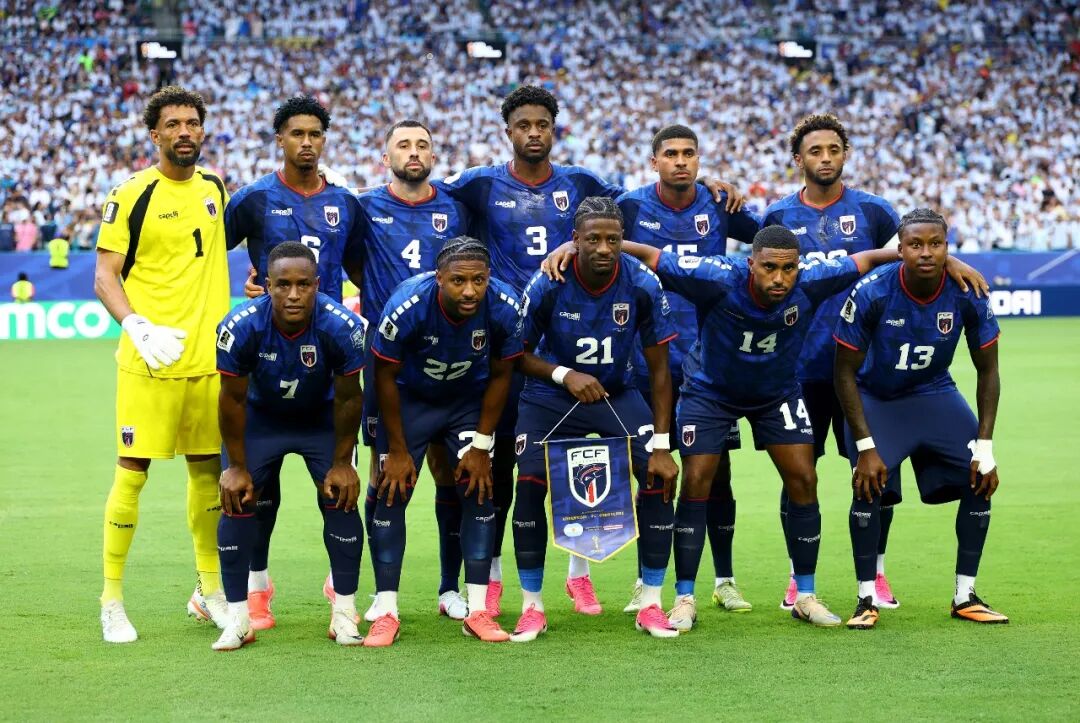

Forcing a draw against the world champions three times in regular time, the "Blue Shark Battalion" of Cape Verde, making their World Cup debut, created a miracle at the USA-Mexico-Canada World Cup that is on par with North Korea's 1-0 victory over Italy in 1966 or the USA's 1-0 win over England in 1950. In fact, in this era of an exploding football industry, the shock caused by Cape Verde might be the greatest upset in World Cup history. They proved to the world that without high price tags, transfer fees, annual salaries, or superstars, nothing is impossible with the right tactics, relentless running, and indomitable will.
The match between Cape Verde and Argentina was the biggest gap in World Cup rankings for a knockout stage match since FIFA launched its ranking system in 1992. Facing defending champions Argentina in the Round of 32, the ranking difference was 66 places based on pre-tournament rankings, and 60 places in real-time. Cape Verde's starting lineup's total value was only 1/26th of the Albiceleste's; only one of their 26 players plies his trade in one of Europe's top five leagues, and their starting eleven was valued at just €15 million. In contrast, Argentina had 19 players whose individual market values exceeded the entire Cape Verde starting eleven. Yet, Cape Verde dragged the defending champions into extra time.
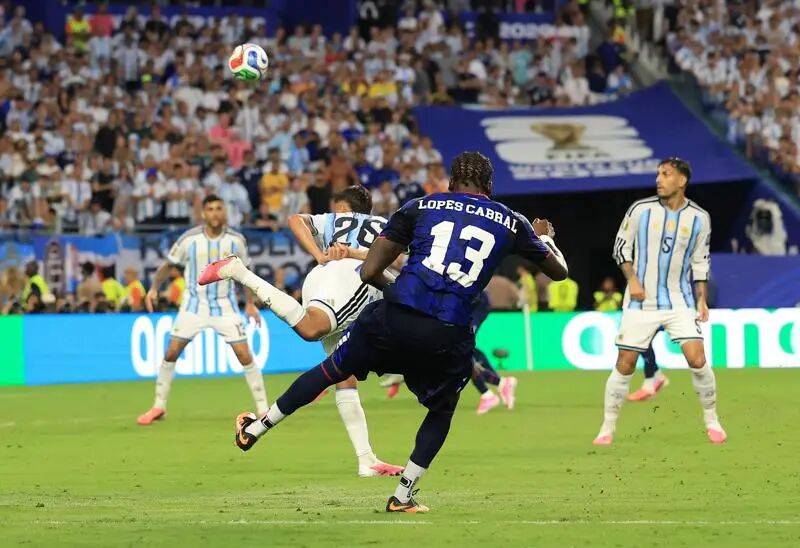
Messi scored first in the 29th minute, but Cape Verde equalized through Duarte in the 59th minute. The 40-year-old veteran goalkeeper Vozinha then continued his heroic performance, saving Messi's one-on-one chance and a free kick, forcing the defending champions into extra time. Although Argentina scored again in the 3rd minute of extra time, with VAR confirming Lisandro's goal was valid, Cape Verde did not give up. In the 103rd minute, Cabral curled a spectacular shot from the left flank to equalize once more. After that, Argentina's goalkeeper Martinez made several crucial saves. Finally, in the 111th minute, Romero's header deflected off Borges for an own goal, securing Argentina's victory.
When Canadian referee Fisher blew the final whistle, the exhausted Argentine players collapsed to the ground. Cheers and applause erupted at Hard Rock Stadium in Miami as fans celebrated the Albiceleste's advancement to the Round of 16. But at that moment, the more compelling sight was the Cape Verdean players at the other end of the pitch. They still had energy, they still wanted to fight, but they had to bid a regretful farewell to the World Cup.
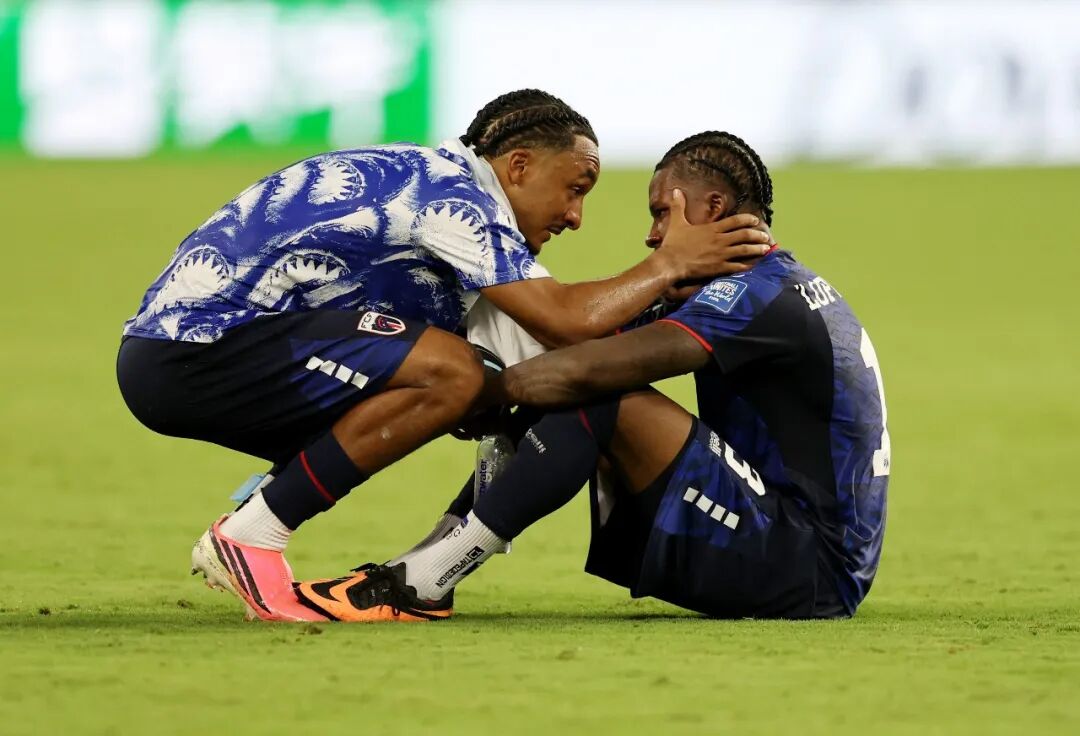

This Cape Verde team created what could be considered the greatest Cinderella story in World Cup history: In the group stage, they held Spain, a team whose starting lineup (€515 million) was 33 times, and at one point 44 times, more valuable than their own, to a draw, with a 67-place ranking difference. Next, they drew with another world champion, Uruguay, whose starting lineup was worth 12 times their own, with a 41-place ranking difference. In their first-ever World Cup, they advanced from the group stage undefeated. In the knockout match with the largest ranking gap in World Cup history, Cape Verde proved themselves yet again.
Cape Verde deserves the respect of the entire world. They represent an Atlantic island nation covering only 4,033 square kilometers with a population of 550,000. They are the team from the smallest territory and the third smallest population in World Cup history. The 40-year-old goalkeeper Vozinha, valued at just €50,000, is tied for the third lowest in value among the World Cup's 1,248 players, ahead only of Curacao's third-choice goalkeeper, Podać (€25,000), and Haiti's third-choice, Duverger (valued at €0). He also shares the title of the lowest-valued starting player in the World Cup with teammate defender Stopinha and Panama's defender Davis.
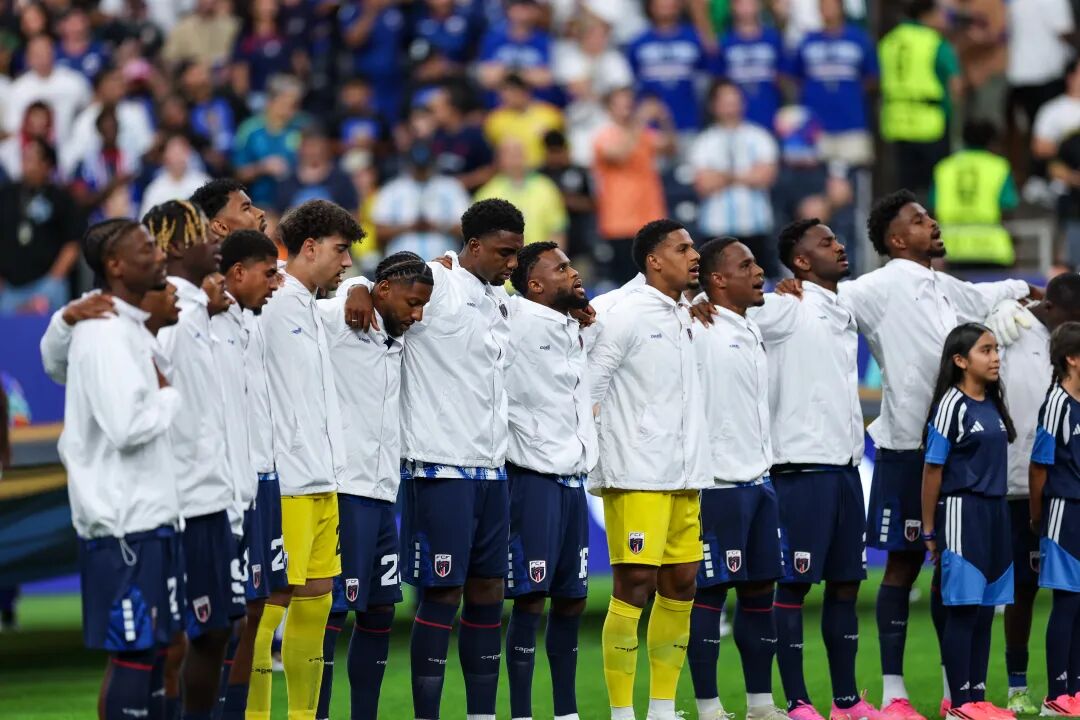
Including goalkeeper Vozinha, captain Mendes, and the extra-time hero Cabral, this Cape Verde team had as many as six players participating as unemployed players after July 1st. But these "nobodies" were not intimidated by the reputation of the world champions. In Atlanta and Miami, Cape Verde were the true heroes. Messi's goal continued his performance as the greatest player of this era, but Cabral's wonder goal stands as one of the greatest moments in World Cup history, evoking memories of Josimar's goal for Brazil in 1986 or Cameroon's Biyek's goal that defeated the defending champions Argentina in 1990.
After the match against Argentina, the 40-year-old Vozinha's Instagram account surpassed 20 million followers, overtaking Real Madrid's Courtois to become the most-followed goalkeeper on social media platforms, and his follower count was still surging by 1.2 million per hour.


Wonderfulshortvideo
messi goal today messi assist today messi highlights vs egypt enzo fernandez goal today romero goal today argentina goals today argentina 3-2 egypt



“Wonderful player, fantastic player, could not run” 😅
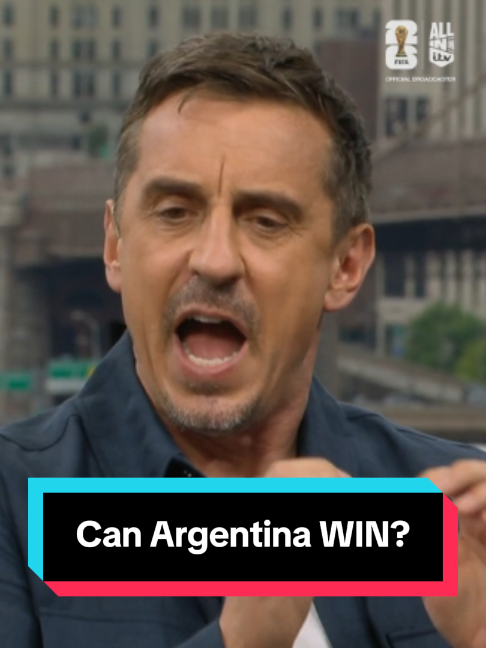
Neville, Keane and Wright DO NOT agree on the future of Argentina in the World Cup 👀
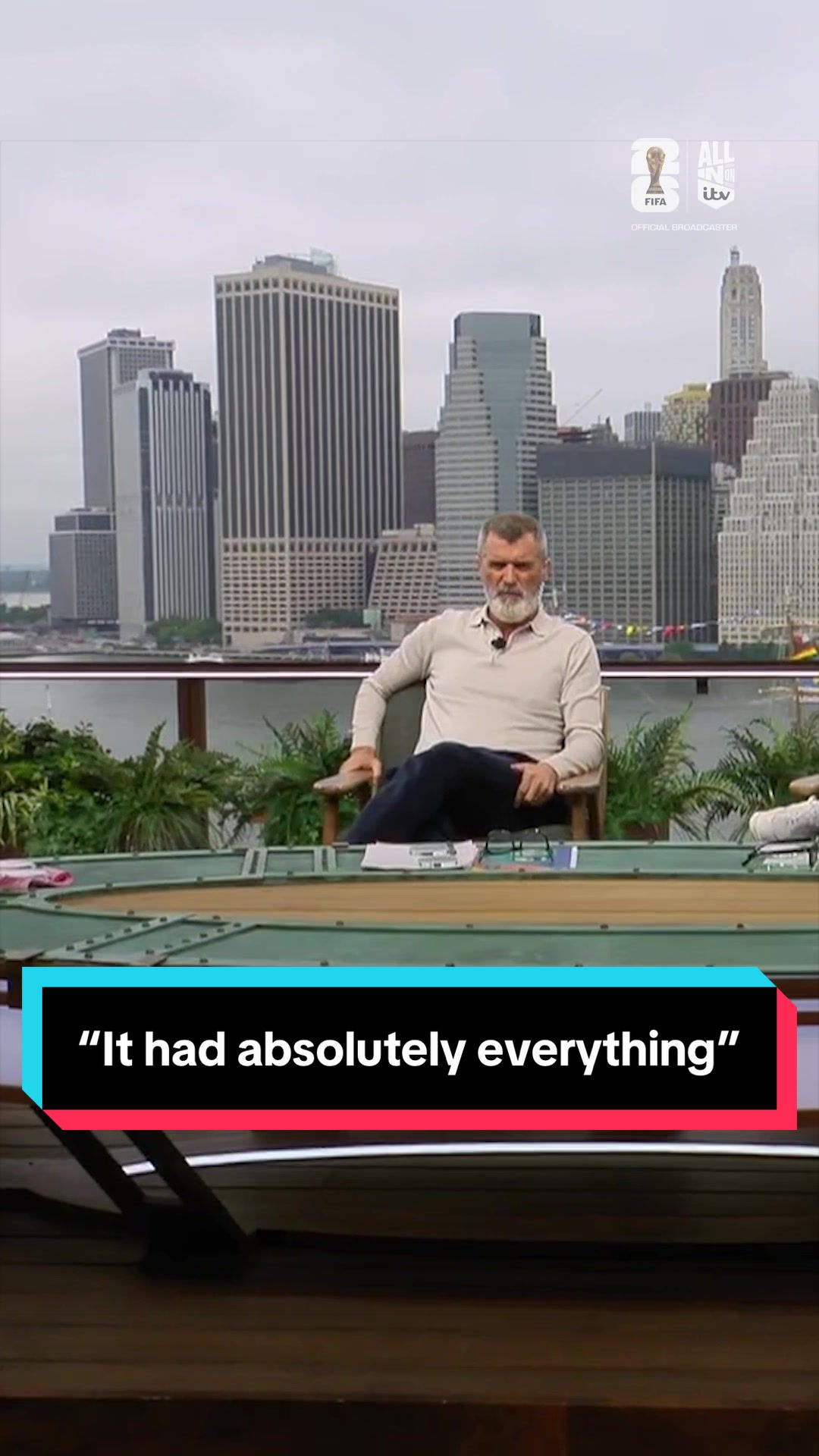
“It gave you everything” 👀
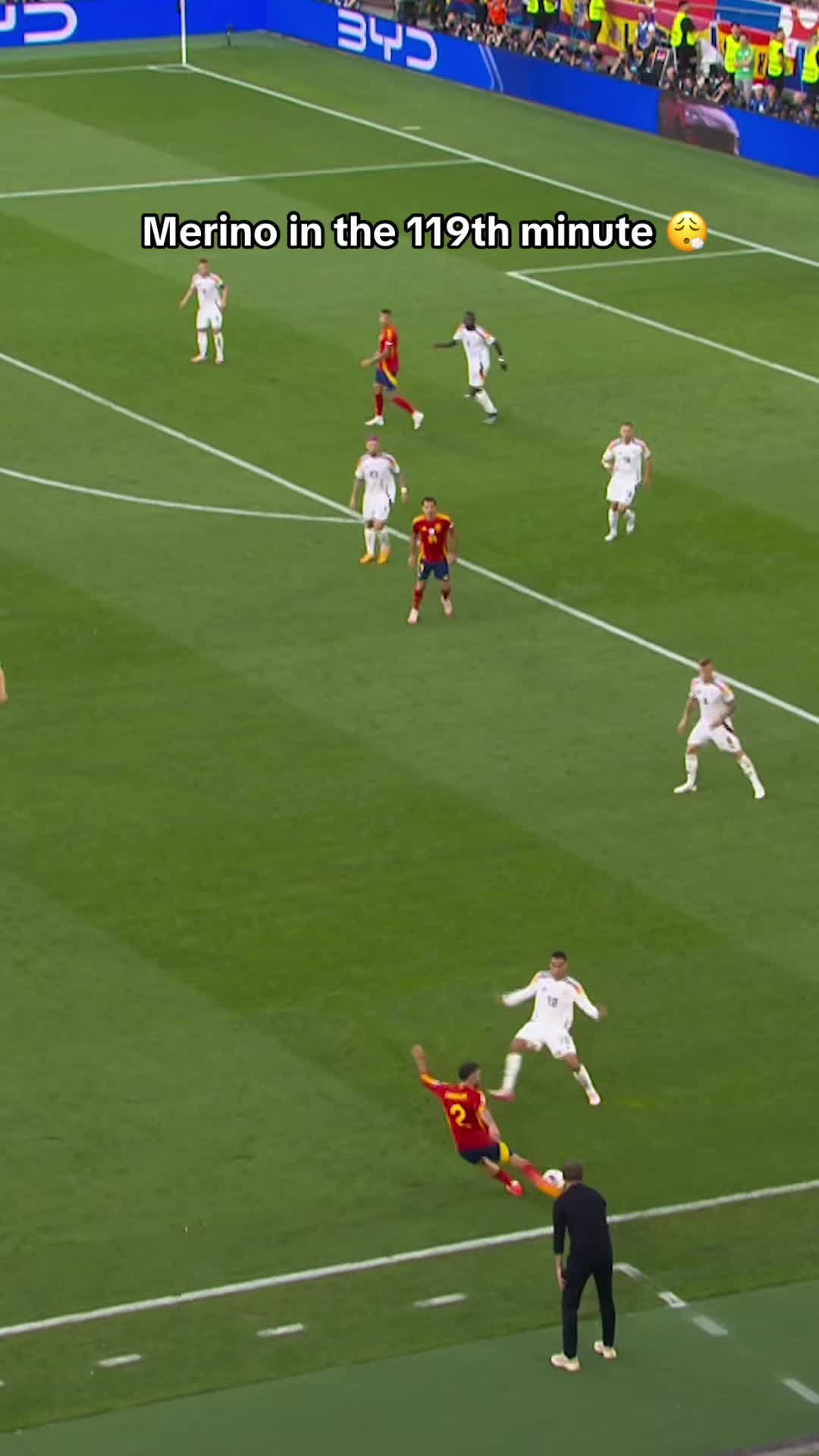
Clutch Merino 😮💨
merino goal today portugal 0-1 spain ronaldo interview today ronaldo retirement retiring
kane goal today kane highlights today england 2-1 congo
 Links
Links
 Contact
 App
App


