



From a torn jersey at the World Cup...



The World Cup is always a venue where every detail is amplified under the global media’s glare. A goal can turn a player into a legend, yet occasionally, a simple torn jersey can generate discussions lasting several days. During the 2026 World Cup, cases of torn jerseys for certain Puma-sponsored national teams after on-field challenges rapidly became a hot topic on social networks.
That imagery put some pressure on one of the world’s largest sportswear brands, because the World Cup isn’t just a tournament where teams compete for the title; it’s also the harshest stage for manufacturers to prove product quality and protect brand reputation.
The root cause lies in the trade-off between performance and durability. Puma explained that its Ultraweave technology, weighing only 72 grams, was designed to optimize speed and breathability as requested by players. The ultra-thin, four-way stretch woven fabric minimizes seams, replacing them with heat bonding to reduce weight and chafing. However, to achieve this incredible lightness, durability was sacrificed.
In the brand battle at the 2026 World Cup, Adidas is leading by sponsoring 14 teams, Nike sponsors 12, and Puma sponsors 11. Every small tear can create a negative media wave, impacting brand value and sales revenue. Behind every jersey lies an industry worth tens of billions of USD. Major brands all have to sponsor national teams or stars, but they are more than just "brand ambassadors" for the apparel manufacturer. A successful moment can boost global shirt sales, but a small mishap is enough to generate a wave of skepticism about quality.
Without delving into the specifics of quality, this incident shows that even global brands can lose face in the eyes of consumers, thereby opening opportunities for local brands.
Looking at the Puma story and turning back to Vietnamese football, at the LPBank V-League 2025/26, Puma is not present. Among the 7 brands sponsoring 14 clubs, Jogarbola from Dong Luc Sports Group is used by 7 clubs, another Vietnamese brand, Kamito, sponsors 2 clubs, and newcomer Motive sponsors HAGL. This demonstrates that domestic enterprises can compete in the arena against foreign brands like Grand Sport (Thailand), Li-Ning (China), or Kappa (Italy). Since January 2024, Jogarbola has officially become the kit sponsor for the Vietnam national team with the collection "Heroic Spirit of Vietnam - Continuing the Journey of the Country".
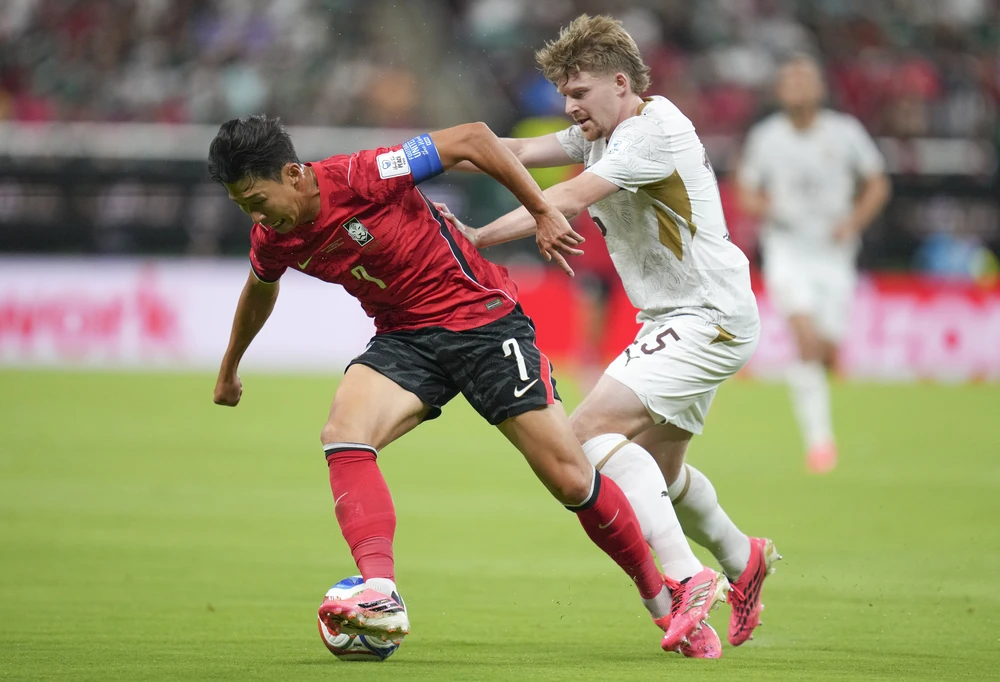
Midfielder Pavel Sulc (Czech Republic) once had his jersey torn and had to change after a collision with a South Korean player during the group stage of the 2026 World Cup. Photo: Xinhua/VNA
At first glance, the production market for sports goods in Vietnam exists. In recent years, domestic brands have appeared more frequently on professional playing fields. In reality, production capacity has never been a weakness for Vietnam. For many years, local factories have been manufacturing products for leading global sportswear brands under strict standards.
However, even in the "white paper" on Vietnam's sports economy, there are no detailed data on the scale of the professional sports product market, even though these are the most basic, measurable, and market-oriented data. For example, total production volume, sales volume, sales channels, or even data on both genuine products and counterfeit or imitation goods.
Without those detailed figures, it's impossible to discuss the market scale, potential, or segments.
The current paradox is that most Vietnamese sports teams and clubs are in a "semi-subsidized" state, yet there is a lack of a strong campaign to use Vietnamese goods, unlike in other commercial production sectors. We have the businesses, the products, the national teams, the professional clubs, and even stars capable of exerting influence, but we haven't seen a "handshake" between sports teams and businesses, or between businesses themselves, to form a true sports consumer market. The jersey is still primarily seen as a playing kit rather than a cultural product or a symbol of loyalty.
Favorable conditions are emerging: the state is tightening intellectual property rights and combating counterfeits; young consumers are ready to spend on sports experiences; and Vietnamese clubs already have "stars" for promotion.
Do we really have to wait for "a torn jersey" to happen...


Wonderfulshortvideo
messi goal today messi assist today messi highlights vs egypt enzo fernandez goal today romero goal today argentina goals today argentina 3-2 egypt


“Wonderful player, fantastic player, could not run” 😅
Neville, Keane and Wright DO NOT agree on the future of Argentina in the World Cup 👀
“It gave you everything” 👀
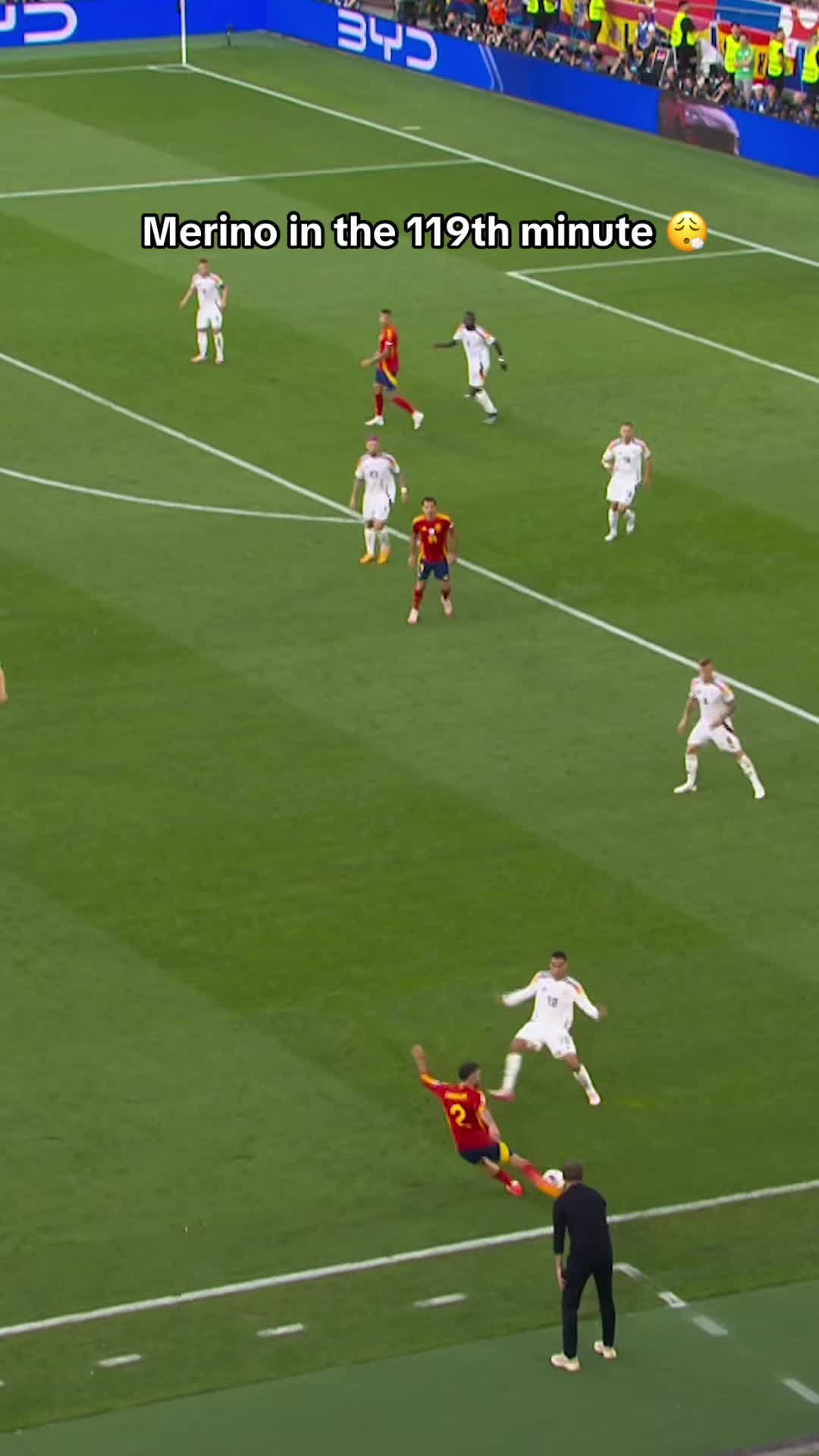
Clutch Merino 😮💨
merino goal today portugal 0-1 spain ronaldo interview today ronaldo retirement retiring
kane goal today kane highlights today england 2-1 congo
 Links
Links
 Contact
 App
App


