



From Rostov to Seattle, an 8-year-older Belgium stages another miraculous comeback


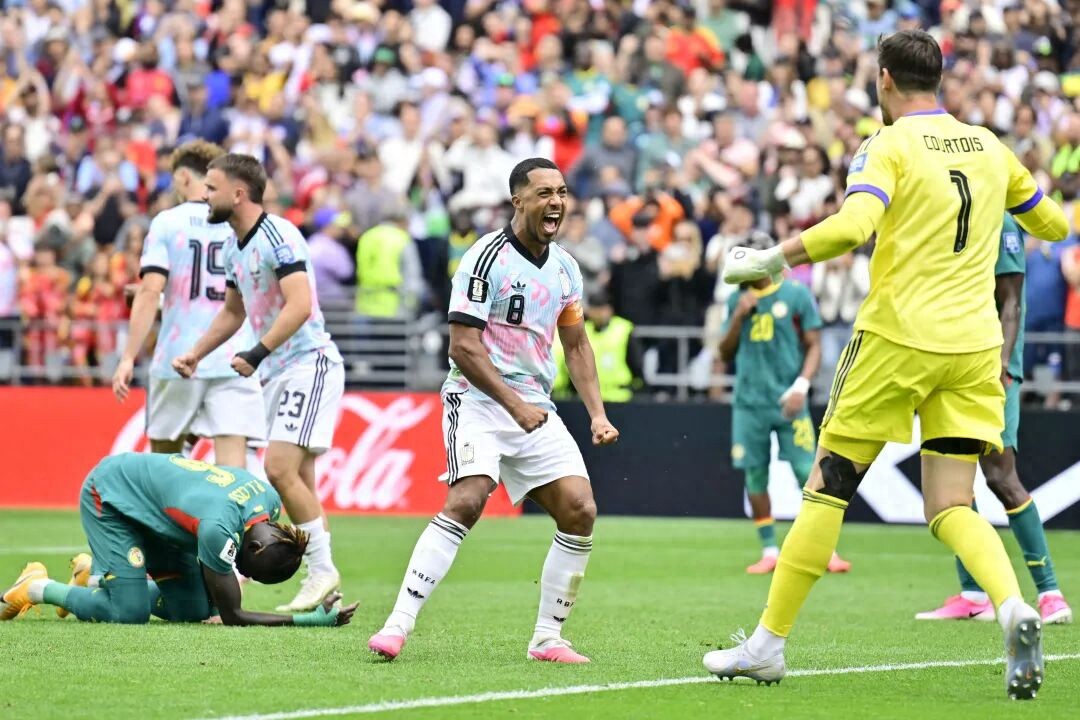
Written by Han Bing Eight years later, from Russia to the United States; once again coming from two goals down to win 3-2, this time Belgium also set a World Cup record: trailing by two goals in the 85th minute but not eliminated at the end of regulation, Belgium is the first team in World Cup history. Thanks to two goals after the 85th minute and a penalty in the 125th minute of extra time, Belgium overturned Senegal 3-2 to return to the World Cup round of 16 after eight years. Compared to eight years ago, this comeback miracle of the European Red Devils was even more breathtaking.
Eight years ago, the "Rostov Miracle" that sealed Japan’s fate saw Belgium in its "Golden Generation," with only three of the starting eleven aged 30 or older. Eight years later, the "Seattle Miracle" featured six starting players over 30, and after Romelu Lukaku came off the bench in the second half, that number rose to seven. Courtois, De Bruyne, and Lukaku, who experienced the "Rostov Miracle" firsthand eight years ago, have all moved from their prime into the twilight of their careers beyond 30.
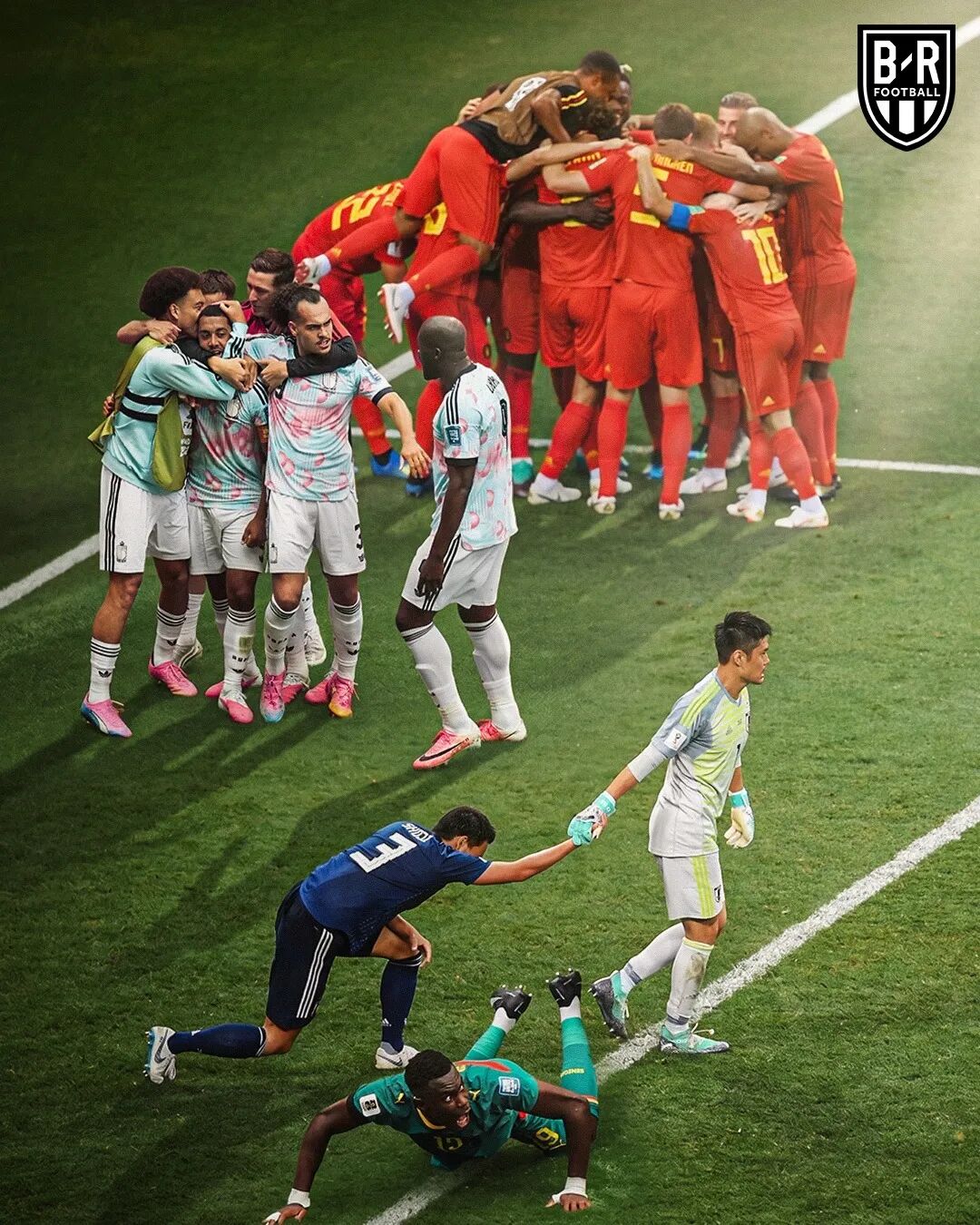
But the older European Red Devils are still the European Red Devils. Belgium was 2-0 down in the 85th minute, then scored two goals in just 158 seconds (from 85:34 to 88:12) to equalize, nearly twice as fast as the five minutes in Rostov eight years ago. This was the first time in World Cup history that a team trailing 2-0 in the 85th minute managed to level the score within 90 minutes. Eight years ago, it was the 32-year-old Jan Vertonghen who scored the first goal to spark the comeback; this time, it was the 33-year-old Lukaku. Eight years ago, Thomas Meunier assisted Nacer Chadli for the winner, completing the "Rostov Miracle"; eight years later, it was the 34-year-old Meunier who assisted Lukaku to begin the "Seattle Miracle." And the absolute protagonist of the "Seattle Miracle," Youri Tielemans, was only an unused substitute eight years ago. Though the "Golden Generation" is nearing sunset, the sunset is magnificent.
Nearly 67,000 spectators at the Seattle stadium witnessed the greatest comeback miracle in World Cup history. Belgium coach Rudi Garcia fielded his strongest starting lineup, but goalkeeper Courtois, defenders Meunier and Castagne, midfielder Vanaken, playmaker De Bruyne, and winger Trossard were all over 30, giving the starting eleven an average age of over 29.6. Before the match, Belgian media questioned the team's form, as the 5-1 thrashing of a leaky New Zealand defense was not very reassuring, but it raised concerns about Belgium's own defense. In the 14th minute, Ismaïla Sarr's shot hit the post, serving as a warning for Belgium. In the 25th minute, Sarr's header again struck the post, but Diara from Sunderland capitalized on the rebound to give Senegal the lead, with two Premier League players combining for the opener.
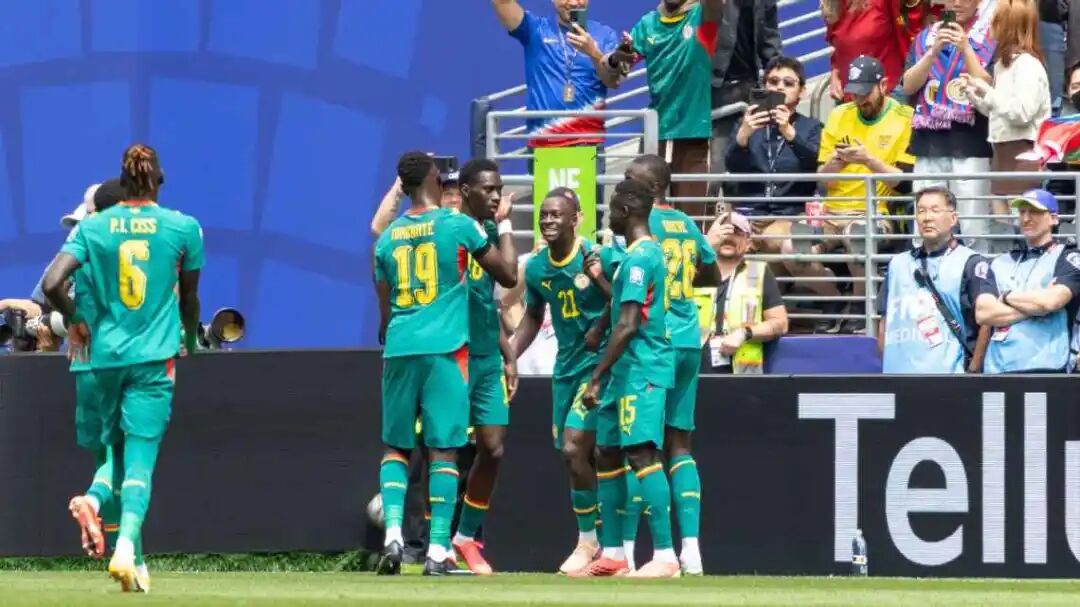
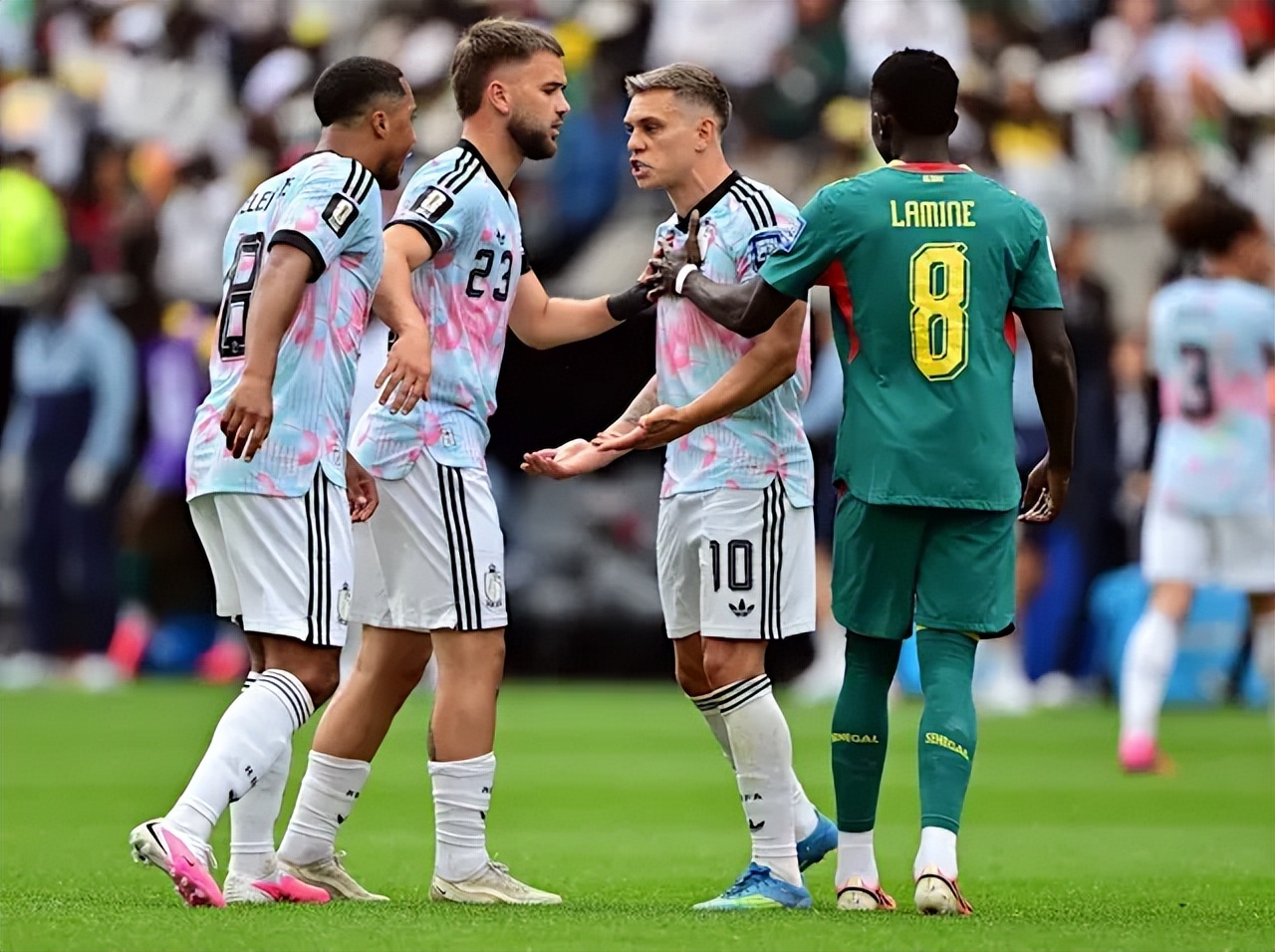
After conceding, Coach Garcia instructed his players to stay calm and substituted veteran Lukaku at halftime to bolster the attack. Unfortunately, things did not improve; in the 51st minute, Ismaïla Sarr scored his second with a long ball over the top. Garcia then brought on Raskin, Lukebakio, and Moreira, replacing De Bruyne (a veteran of the "Rostov Miracle"), as well as the out-of-sorts Doku and Vanaken. Instead of improving the attack, the changes led to a heated argument between Tielemans and Trossard during the water break in the 70th minute. It seemed Belgium's traditional "internal strife" was about to resurface, requiring Lukaku to step in and calm things down.
After the match, even Belgian media were puzzled: what turned the tide in the seemingly hopeless final moments? Was it the argument that sparked attacking determination, or should it be attributed to the coach's late substitutions? At the very least, Meunier, who came off the bench in the 78th minute, was a key factor; seven minutes later, his cross from the right allowed Lukaku to pull one back, igniting Belgium's comeback hopes. After the match, Belgian goalkeeper Courtois said that when it was 2-1, the Senegalese began to waver. The real turning point came when Belgium started to control possession and speed up their ground attack in the final 15-20 minutes. But the team should have thanked Courtois earlier: if he hadn't prevented Senegal from making it 3-0 in the 84th minute, the "Seattle Miracle" would not have been possible.
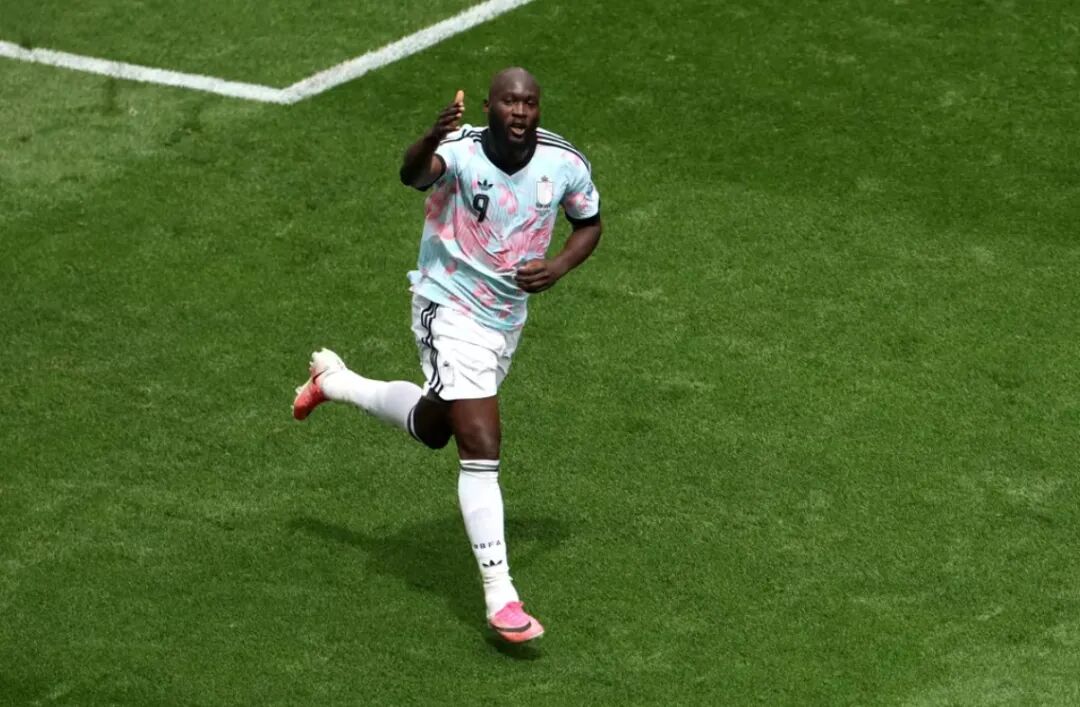
After Lukaku pulled one back, it was Tielemans who instructed Trossard (with whom he had just argued) to play the ball into the space behind the Senegalese defender, allowing Tielemans to leap high and head home the equalizer before the goalkeeper came out. Their enthusiastic celebration after the equalizer proved that there was no internal strife, only emotional excitement under tense circumstances. In the 122nd minute of extra time, referee Martinez spent seven minutes reviewing the VAR footage before penalizing Camara for tripping Tielemans, giving Belgium one last chance to create a miracle. Feeling his own form was not good, Lukaku handed the penalty duties to Tielemans. Eight years ago, Tielemans could only watch from the bench as his team overturned Japan; eight years later, he finally became the absolute protagonist of another, even more thrilling miracle. Senegal, for the second time after the Africa Cup of Nations earlier this year, conceded a decisive penalty in the dying moments of a major match. But this time they did not walk off, as the new World Cup rules stipulate that any player who leaves the field in protest of a decision automatically forfeits the match.
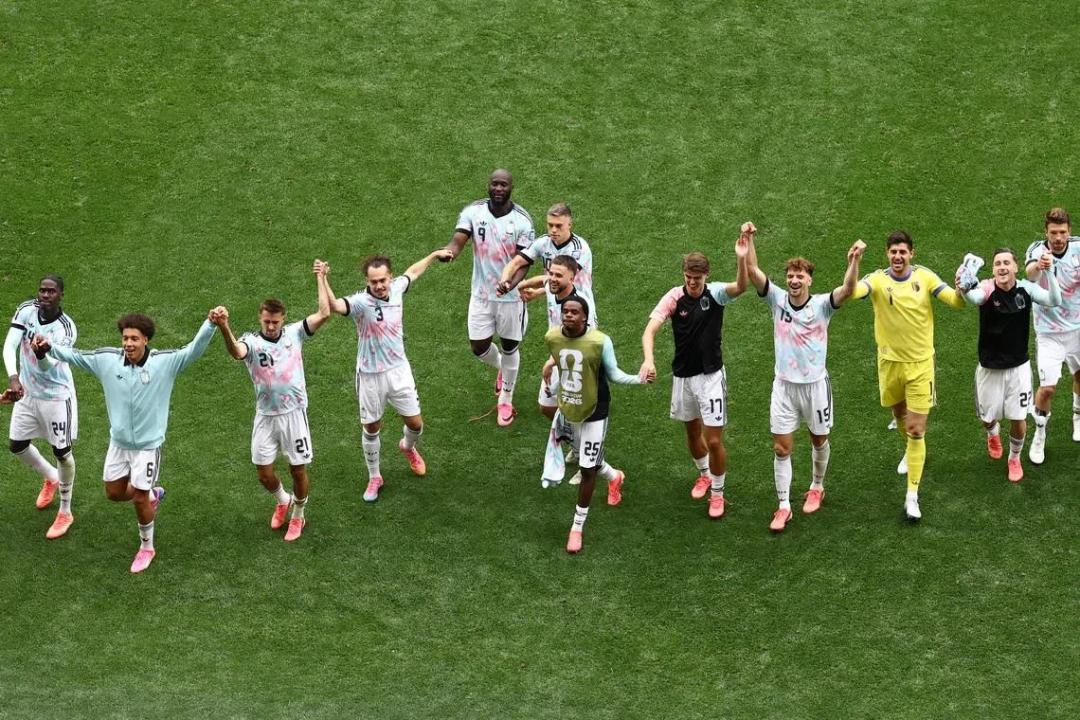
In Seattle, Belgium staged the most thrilling comeback miracle in World Cup history, reaching the round of 16 for the seventh time in 40 years. The reward for this great turnaround is not only advancement: they will remain in Seattle, awaiting their neighbors and tournament hosts, the United States, who will travel from the hot California venues. Belgium's unbeaten run extends to 17 matches, and the farewell "show" of the Golden Generation will last at least one more game. Fans of Courtois, De Bruyne, Lukaku, and others should cherish and enjoy them while they can.


Wonderfulshortvideo
messi goal today messi assist today messi highlights vs egypt enzo fernandez goal today romero goal today argentina goals today argentina 3-2 egypt



“Wonderful player, fantastic player, could not run” 😅
Neville, Keane and Wright DO NOT agree on the future of Argentina in the World Cup 👀

“It gave you everything” 👀
Clutch Merino 😮💨
merino goal today portugal 0-1 spain ronaldo interview today ronaldo retirement retiring
kane goal today kane highlights today england 2-1 congo
 Links
Links
 Contact
 App
App


