



The Three Lions survive a trial, and Kane edges closer to the Ballon d'Or!


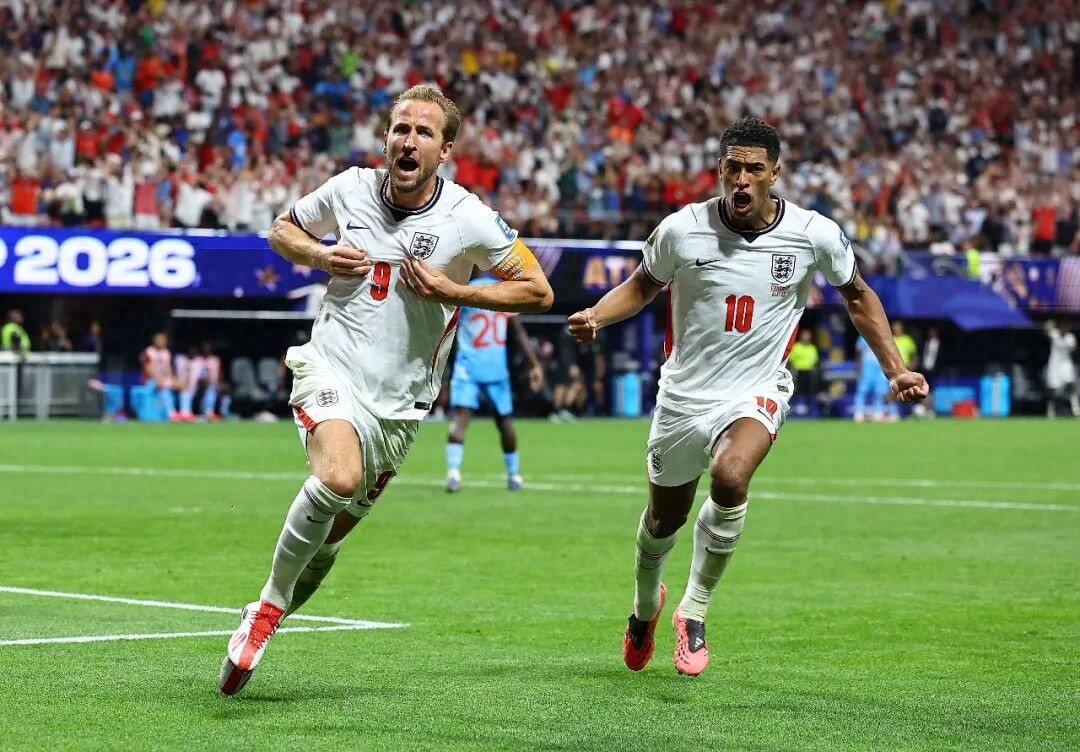
Written by Han Yixi At the post-match dinner for those advancing to the round of 16, if Kane wasn't there, no English player was allowed to pick up their forks.
In this Round of 16 fixture against the Democratic Republic of Congo in Atlanta, USA, England's starting XI was valued at €700 million—seven times that of their opponents. Tuchel arrived at the stadium riding an 11-game unbeaten run in competitive matches (10 wins, 1 draw), the third-longest in the team's history, trailing only Greenwood's 16 and Hodgson's 14.
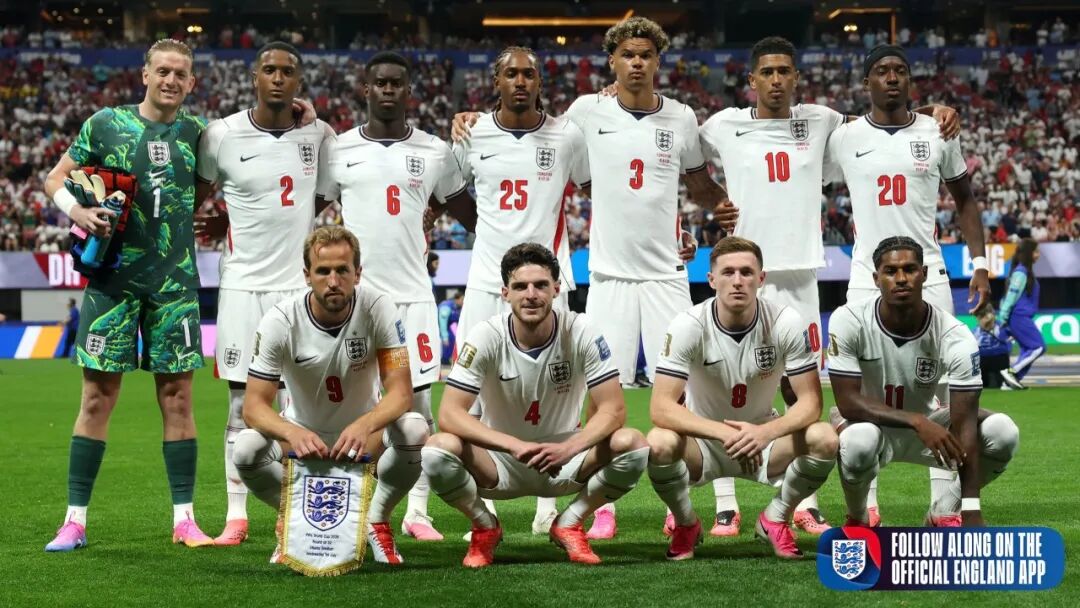
His lineup came as no surprise—English media had accurately published the starting eleven a full hour before kickoff, almost a "traditional virtue" by now. Rice returned, Spence started at right-back, Rashford and Madueke were deployed as wingers, supporting Bellingham as they backed Harry Kane, who captained the side for a record 71st time. Kane and Rashford also played in their 15th World Cup match, second only to legendary goalkeeper Shilton's 17 in the team's history.
Among Congo DR's starting eleven, four players came from the Premier League: forward Wissa, midfielder Sadiqi, defender Wan-Bissaka, and center-back Tuanzebe. Center-back Mbemba and left-back Masuaku, now playing in Ligue 1, also have several years of Premier League experience. Calling them a "Premier League B-team" wouldn't be an exaggeration. This is Congo DR's second World Cup appearance and their first time reaching the knockout stage—when they first participated in 1974, they were still known as Zaire.
Even though the opponent had drawn 1-1 with Portugal in their World Cup debut, Tuchel and the England players seemed to take them lightly from the start, playing at a leisurely pace. They soon paid the price for their arrogance—or rather, for underestimating their rivals.
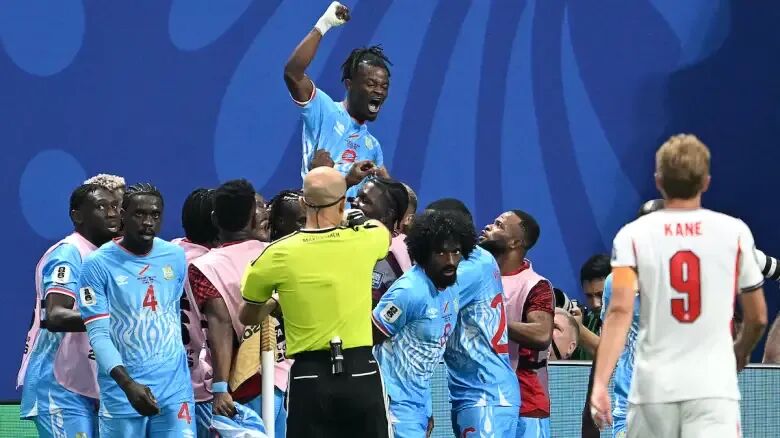
Congo DR's coach Desabre boldly set up a 4-3-3 formation this time, instead of the 5-3-2 used against Portugal and Colombia in the group stage. However, when center-back Mbemba carried the ball past the halfway line in the 7th minute, no English player bothered to close him down. Mbemba delivered a lofted through ball, and Spence, who was lagging behind alone, lost an aerial duel. Congo DR's winger Sipenga, making his first start, unmarked at the far post, controlled the ball and fired a low shot into the near corner to make it 1-0.
England goalkeeper Pickford had just become the fifth European goalkeeper to feature in at least 30 major tournament matches, but he bore half the blame for this goal. It was also the fifth-fastest goal England have conceded in World Cup history, with the record being the 4th minute against Belgium in the 2018 third-place playoff. Pickford wasn't alone—the entire England side seemed unprepared for this. They didn't manage their first shot until the 30th minute, when Bellingham finally tried his luck—the latest first-shot record for England since World Cup statistics began in 1966.
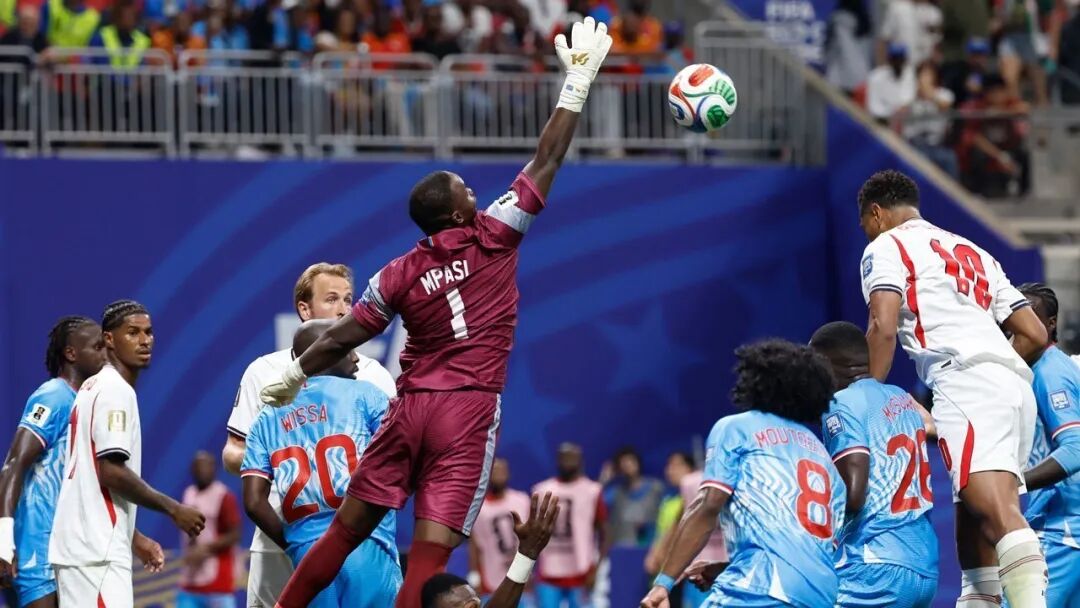
Luck wasn't on their side either. Bellingham's two dangerous headers were brilliantly saved by Congo DR's goalkeeper Mpasi. Kane didn't attempt his first shot until the 34th minute, and in the 44th minute he was brought down in the box by Mpasi. The referee waved away the penalty appeal, signaling that Kane had dived—though without showing a yellow card—and VAR didn't intervene. Kane had another chance to equalize in the 6th minute of first-half stoppage time, but his volley from the far post of the six-yard box was again denied by the inspired Mpasi.
England's expected goals (xG) in the first half was 1.26, the second-highest half-time xG they've recorded in World Cup matches since 1966, behind only the 1.73 against Trinidad and Tobago in 2006. But a dark cloud seemed to loom, because England have never come from behind to win within 90 minutes in a World Cup knockout match. Their famous comeback in the 1966 final and the 3-2 reversal against Cameroon in the 1990 quarter-final both required extra time.
In critical moments, heroes are needed—and Kane was England's superhero on this day.
Tuchel began making changes from the 61st minute: first, Madueke and Rashford were replaced simultaneously by Saka and Gordon. Then in the 70th minute, he brought on Eze for the struggling Spence, with Rice dropping back to right-back. This desperate adjustment quickly paid off.
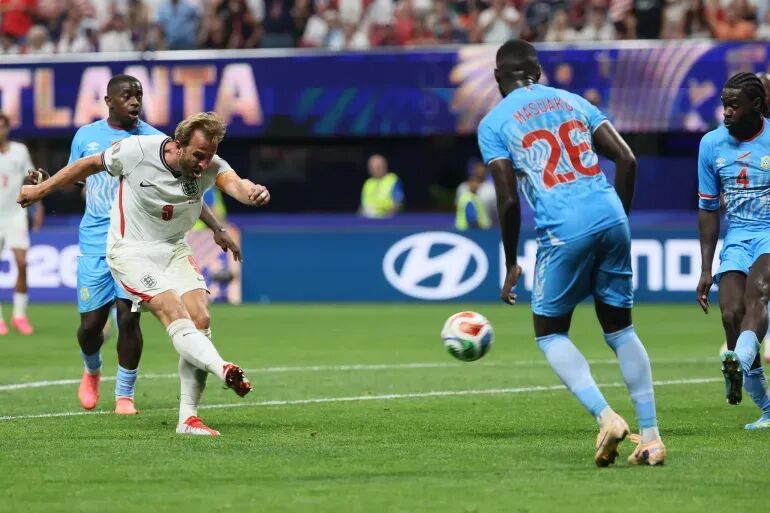
In the 75th minute, Rice surged forward and delivered a low cross from the byline. Gordon collected the ball at the far post and sent it back into the box, where Harry Kane ghosted in to score a poacher's goal, leveling the match. It was almost identical to his goal against Panama in the final group game. Eleven minutes later, Gordon assisted again: Kane received the ball near the edge of the box, swiveled, and unleashed a powerful shot while almost losing his balance. Mpasi, who had made several miraculous saves, had no chance. England led 2-1, and the game was effectively over.
Kane became the first English player since Lineker in 1990 to score two goals in a World Cup knockout match—and the first to net a brace after the 75th minute. It was his fifth goal of this World Cup, putting him behind only Messi and Mbappé (both on six) in the scoring charts. Already England's all-time top scorer in World Cups before the match, Kane's total rose to 13, surpassing Pelé and tying with French legend Fontaine for sixth place. It was also his 20th goal in major tournaments, moving him past Klose and Mbappé to second among Europeans, behind only Cristiano Ronaldo (24). Since Euro 2020, he has scored 10 goals in 11 World Cup and European Championship matches—three more than Mbappé, who is second in that period.
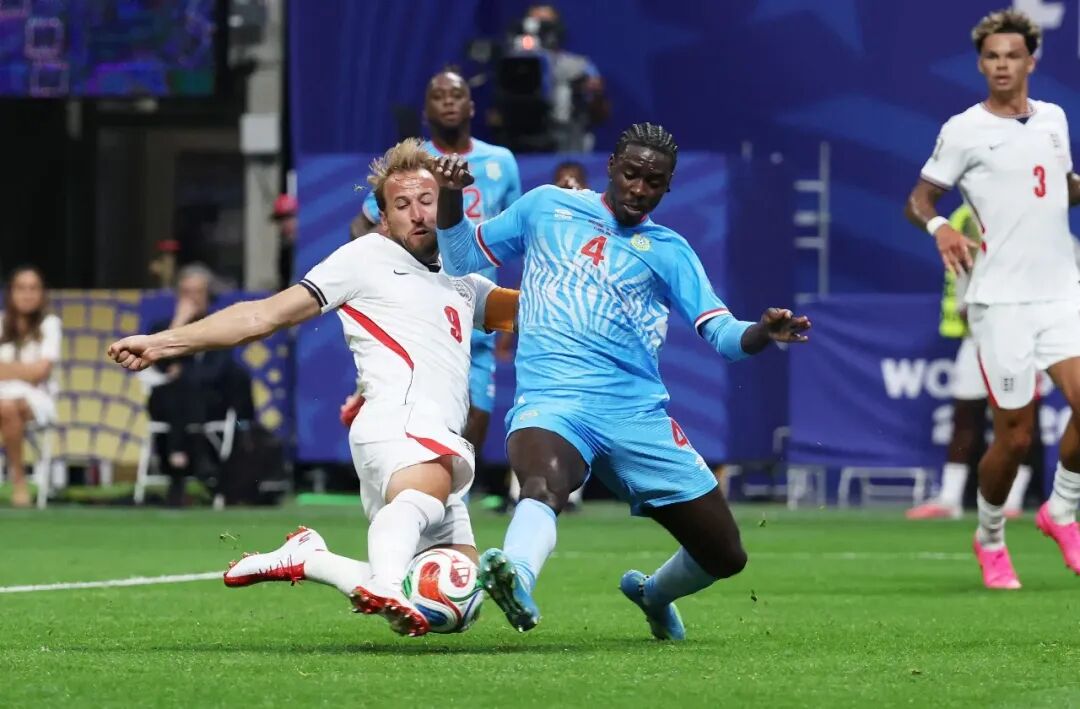
For Kane, this was far from an easy game. According to his post-match heat map, the ever-present forward appeared in his own half far more often than near the opponent's box. Especially in the first half, he touched the ball only five times in the opening 35 minutes—yet still managed five shots, three on target, and two goals. It looked like a Haaland-like stat line. But Haaland is in his prime, while Harry Kane will turn 34 at the end of this month.
The English media showered their captain with praise after the match. England's official social media account posted: "You are my savior." Gordon, who provided two assists, said: "His performance this season is second only to the greatest player in history, Messi." Premier League all-time top scorer Shearer compared him to Mbappé and Messi, while Owen called him "England's greatest-ever center-forward" in his column. Former England record goalscorer Rooney said: "Kane is England's superstar, our hero." Even past opponents paid tribute: former Liverpool manager Klopp declared: "England should build a statue for him!"
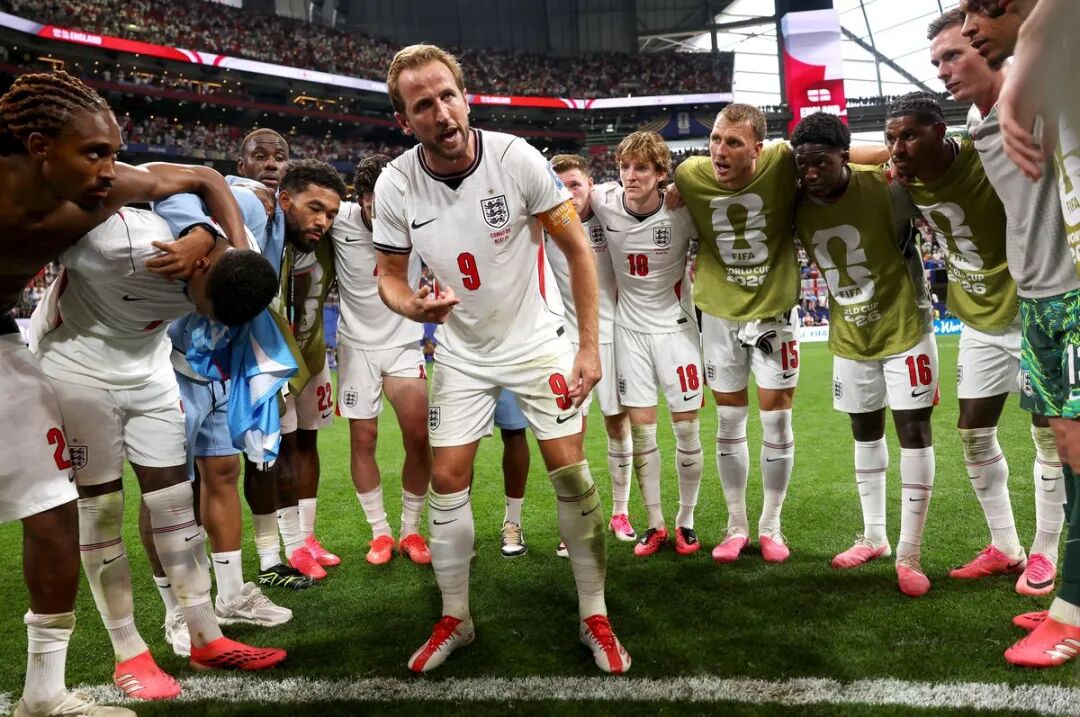
So, with 72 goals for club and country in the 2025/26 season, will Kane claim his first Ballon d'Or? If they can beat the hosts on the Mexican highlands in four days' time, the odds for the current front-runner will only improve.
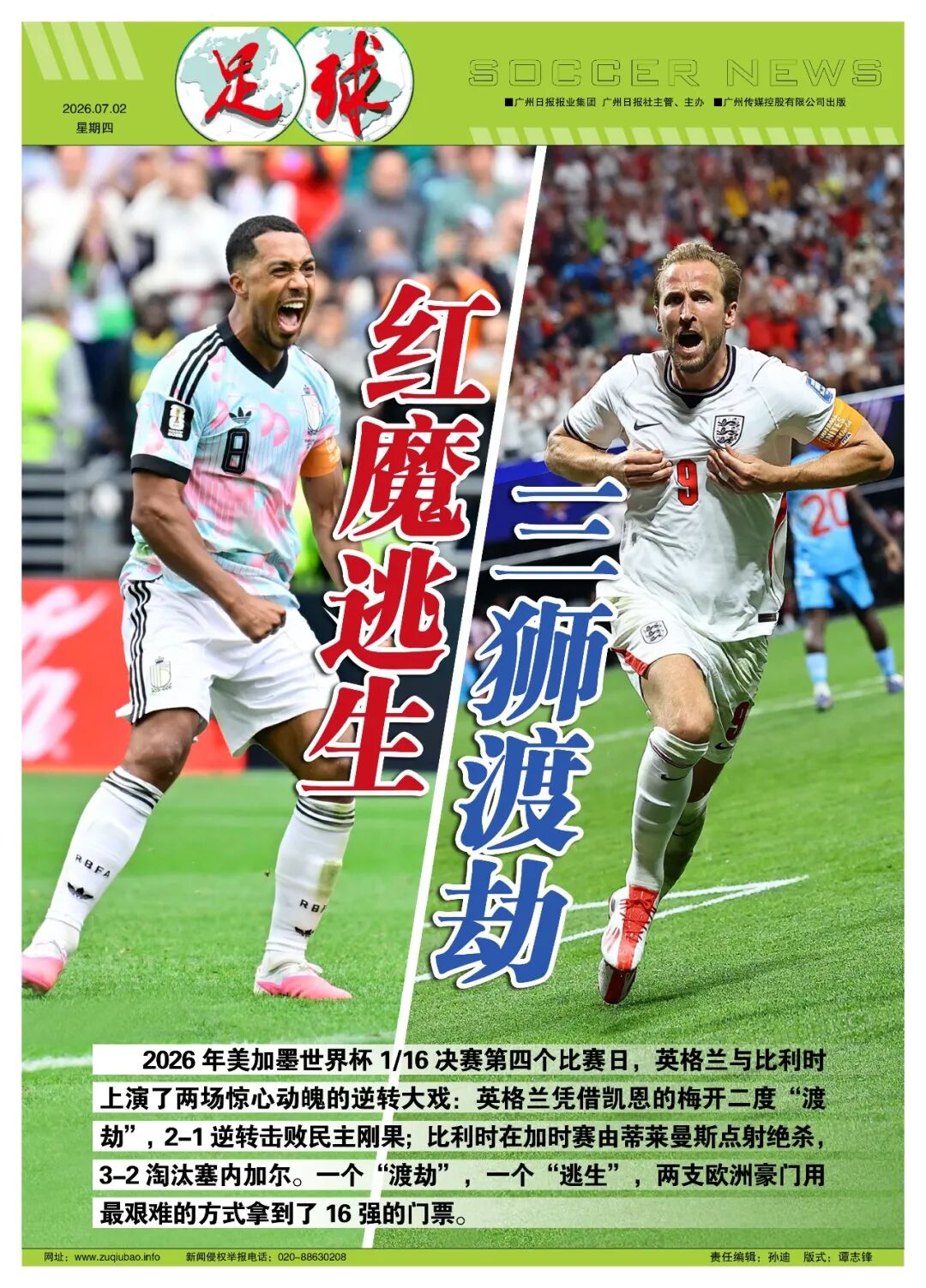


Wonderfulshortvideo
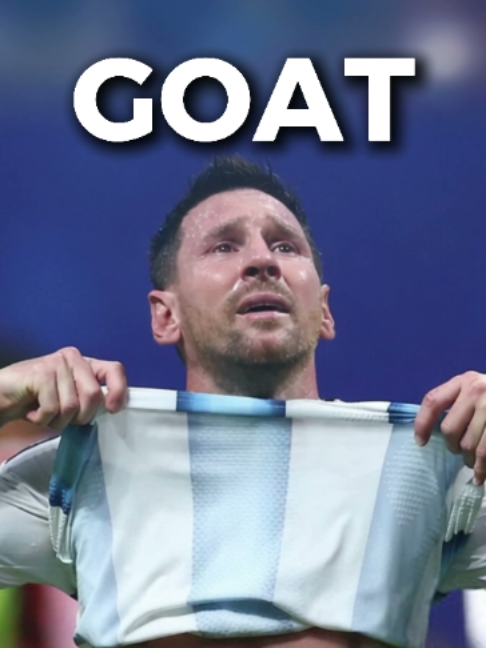
messi goal today messi assist today messi highlights vs egypt enzo fernandez goal today romero goal today argentina goals today argentina 3-2 egypt



“Wonderful player, fantastic player, could not run” 😅
Neville, Keane and Wright DO NOT agree on the future of Argentina in the World Cup 👀
“It gave you everything” 👀
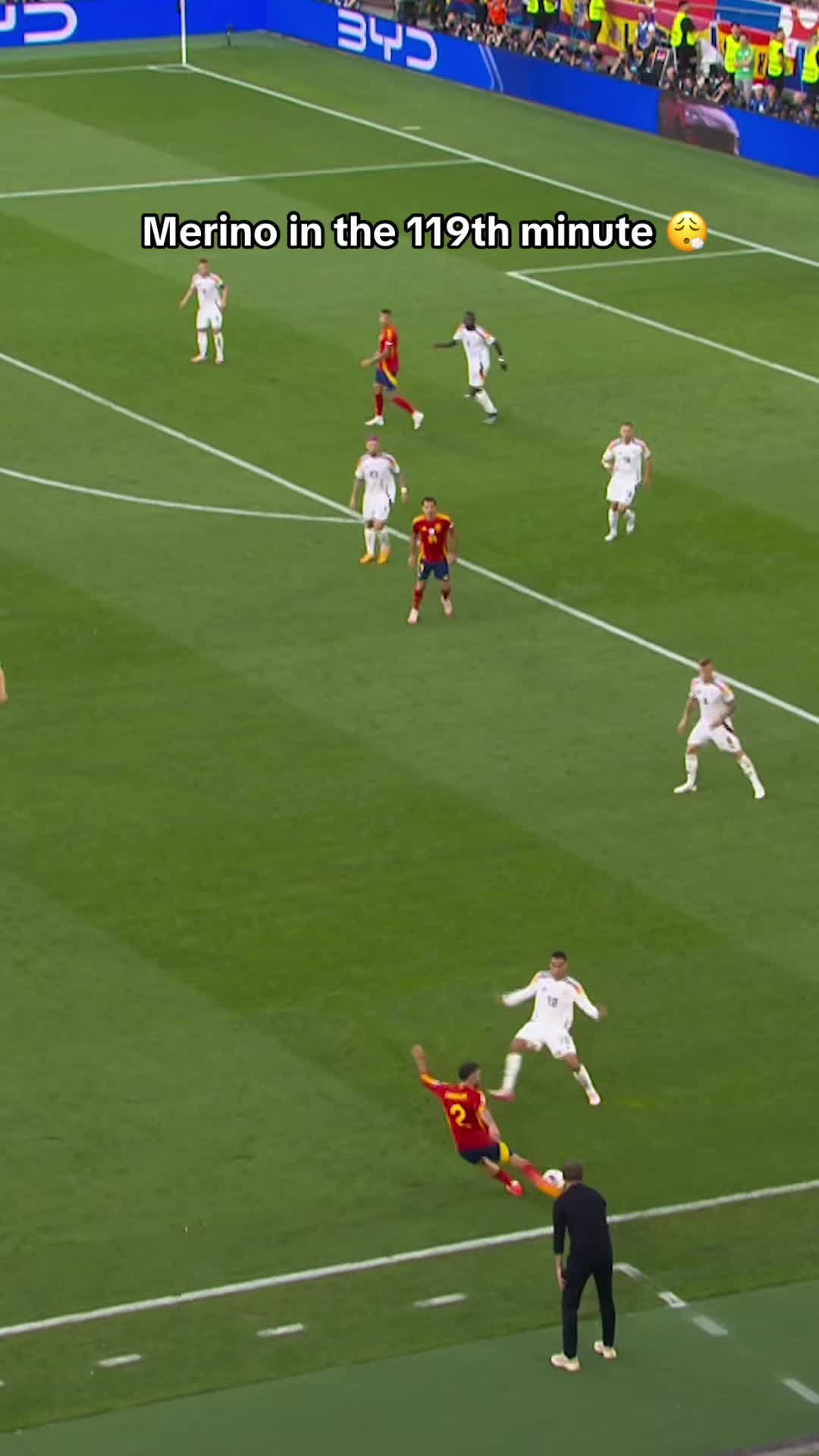
Clutch Merino 😮💨
merino goal today portugal 0-1 spain ronaldo interview today ronaldo retirement retiring
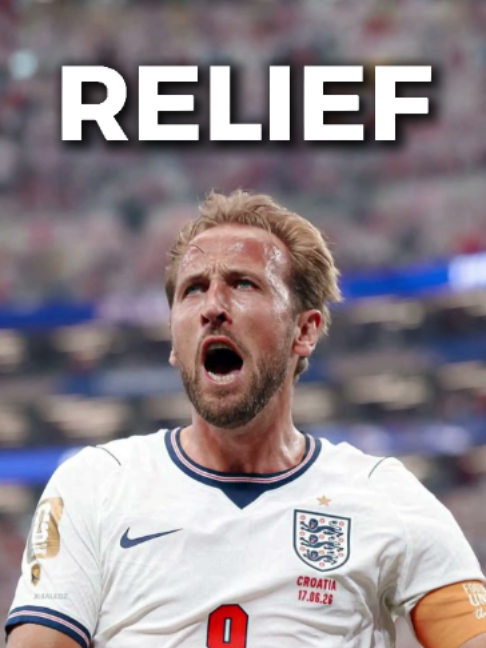
kane goal today kane highlights today england 2-1 congo
 Links
Links
 Contact
 App
App


