



The World Cup's harshness has cost many head coaches their jobs.


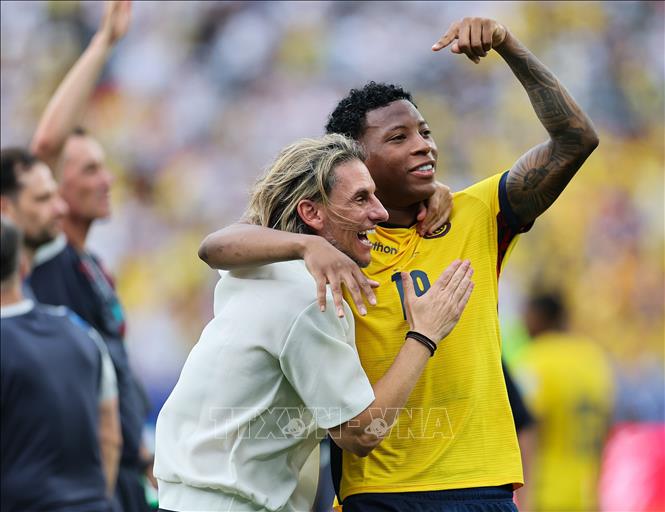
According to Xinhua (China), although the 2026 World Cup is still underway, a series of strategists have resigned or been fired after failing to meet expectations. This reality shows that the World Cup is one of the harshest stages for football managers.
Most recently, Netherlands coach Ronald Koeman, Ecuador's Sebastian Beccacece, Uruguay's Marcelo Bielsa, and South Korea's Hong Myung-bo have all left their positions, following the wave of departures of coaches Steve Clarke (Scotland), Miroslav Koubek (Czech Republic), and Sabri Lamouchi (Tunisia).
Each case involves different circumstances. Some faced pressure from the very start of their tenure, while others were once praised for guiding their teams to World Cup qualification, but those achievements quickly faded after disappointing performances in the finals.
Mr. Bielsa took full responsibility after Uruguay, a two-time world champion, was eliminated in the group stage without a single victory. He shared: "For myself, this farewell is very painful because of the expectations I had set. But I cannot justify the results we achieved."
Mr. Beccacece also made a similar statement after Ecuador's loss to co-host Mexico in the round of 32. He said: "My contract ended immediately after the World Cup, and because we did not achieve what we promised, the best thing is to resign." The 45-year-old coach led Ecuador to second place in South American qualifying and a 19-match unbeaten streak before the tournament.
Coach Hong Myung-bo also took responsibility after South Korea was eliminated in the group stage. He said: "I did not deliver the results the public expected. The responsibility is entirely mine."
Meanwhile, Koeman's departure came after the Netherlands' loss to Morocco in a penalty shootout, marking their earliest elimination at a World Cup.
Scotland head coach Steve Clarke resigned despite having signed a four-year contract just one month before the tournament. In seven years at the helm, he led Scotland to their first World Cup since 1998 and twice qualified for the European Championship.
Coach Koubek also resigned after the Czech Republic finished bottom of their group, admitting he was responsible for the poor results.
Tunisia sacked French coach Lamouchi after a 5-1 defeat to Sweden in the opening match, making him one of the few coaches to lose their job during a World Cup. Previous World Cups have seen similar cases, such as Henryk Kasperczak, also coaching Tunisia, and Cha Bum-kun of South Korea during the 1998 tournament. Spain also sacked coach Julen Lopetegui just two days before the 2018 World Cup began.
With the responsibility of leading a team at the World Cup, even small mistakes can lead to serious consequences. It can be seen that a tournament lasting less than six weeks can decide the fate of a head coach.
Being chosen to lead a team at the World Cup is an honor every coach dreams of, but the pressure is equally harsh. A tournament lasting less than six weeks can determine a coach's future, regardless of the effort put into building the team.


Wonderfulshortvideo
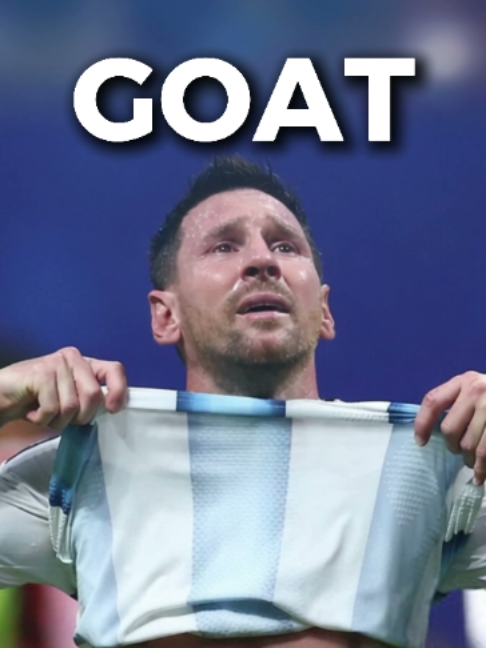
messi goal today messi assist today messi highlights vs egypt enzo fernandez goal today romero goal today argentina goals today argentina 3-2 egypt



“Wonderful player, fantastic player, could not run” 😅
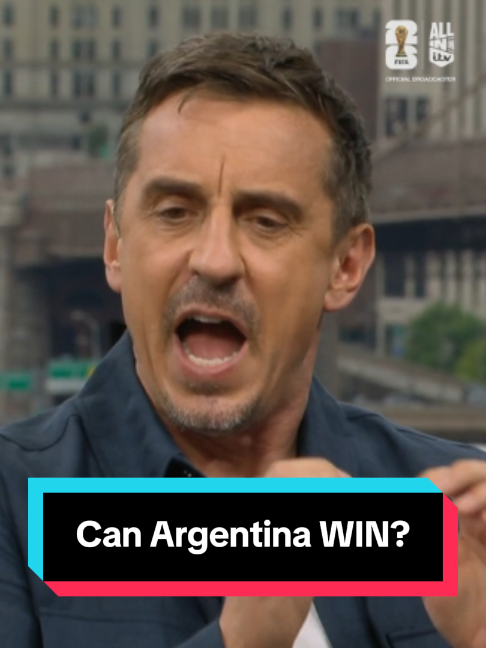
Neville, Keane and Wright DO NOT agree on the future of Argentina in the World Cup 👀
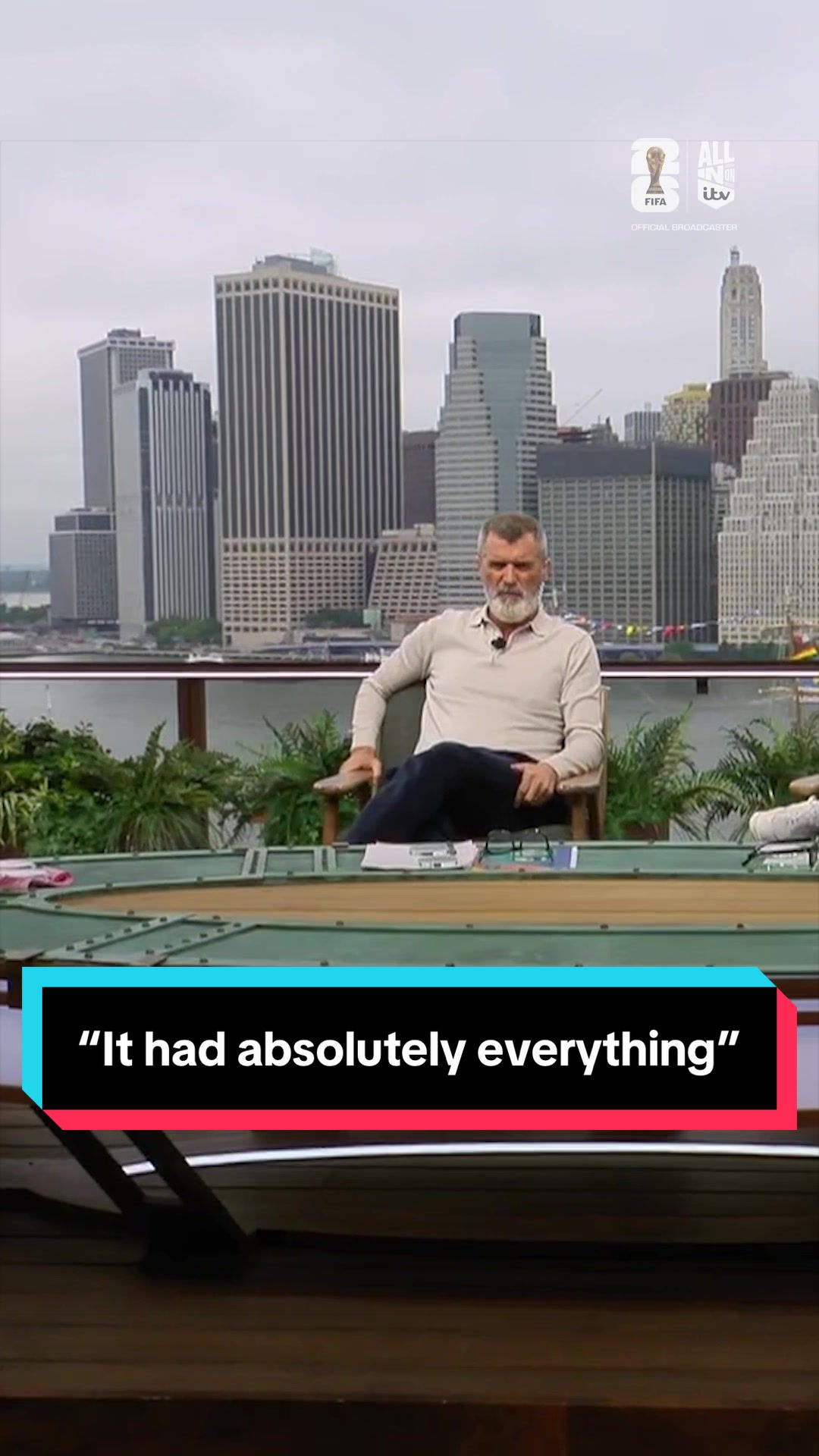
“It gave you everything” 👀
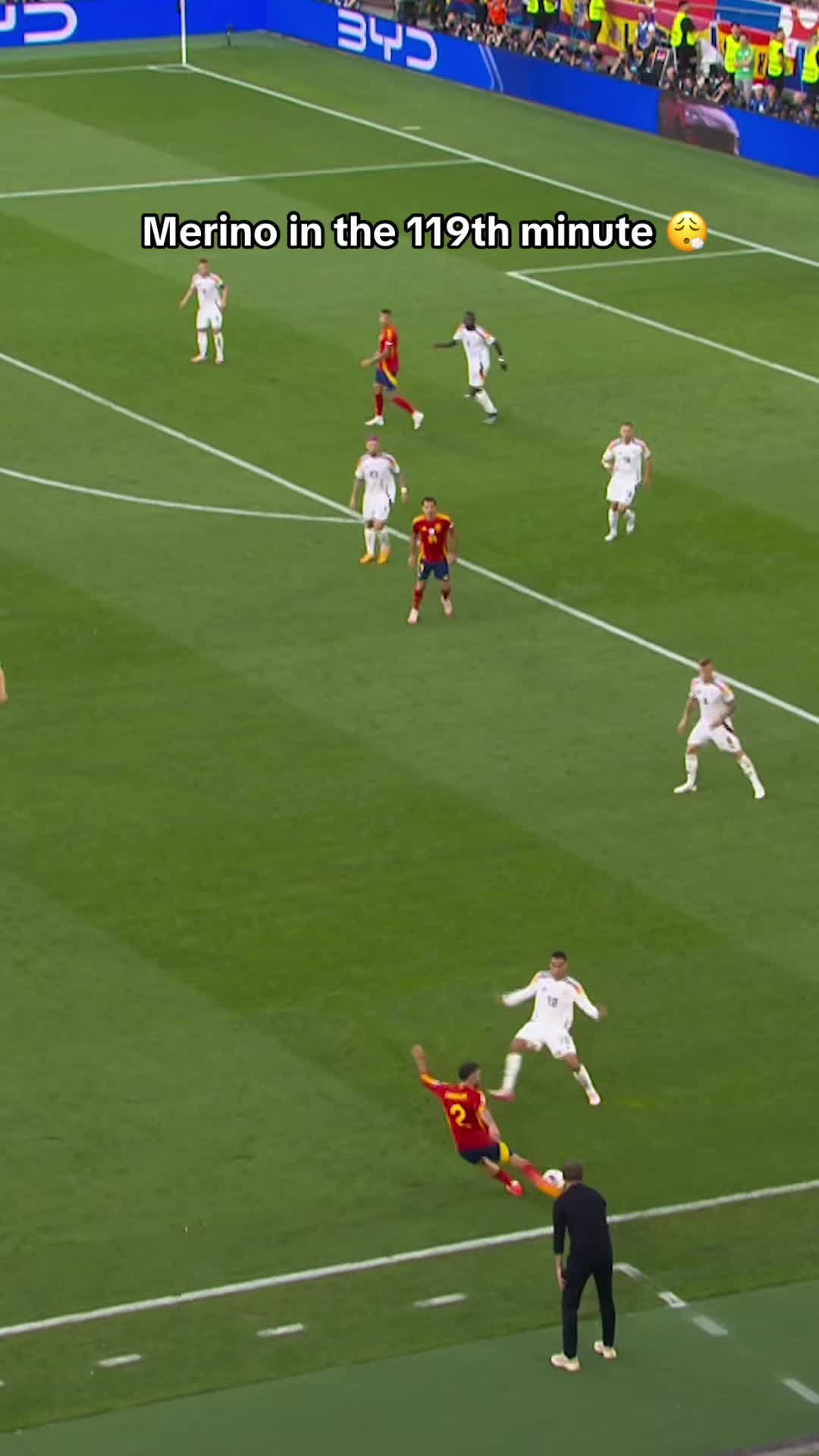
Clutch Merino 😮💨
merino goal today portugal 0-1 spain ronaldo interview today ronaldo retirement retiring
kane goal today kane highlights today england 2-1 congo
 Links
Links
 Contact
 App
App


