



Thunderstorms couldn't stop the hosts! After 40 years, Mexico finally secured a knockout-stage victory



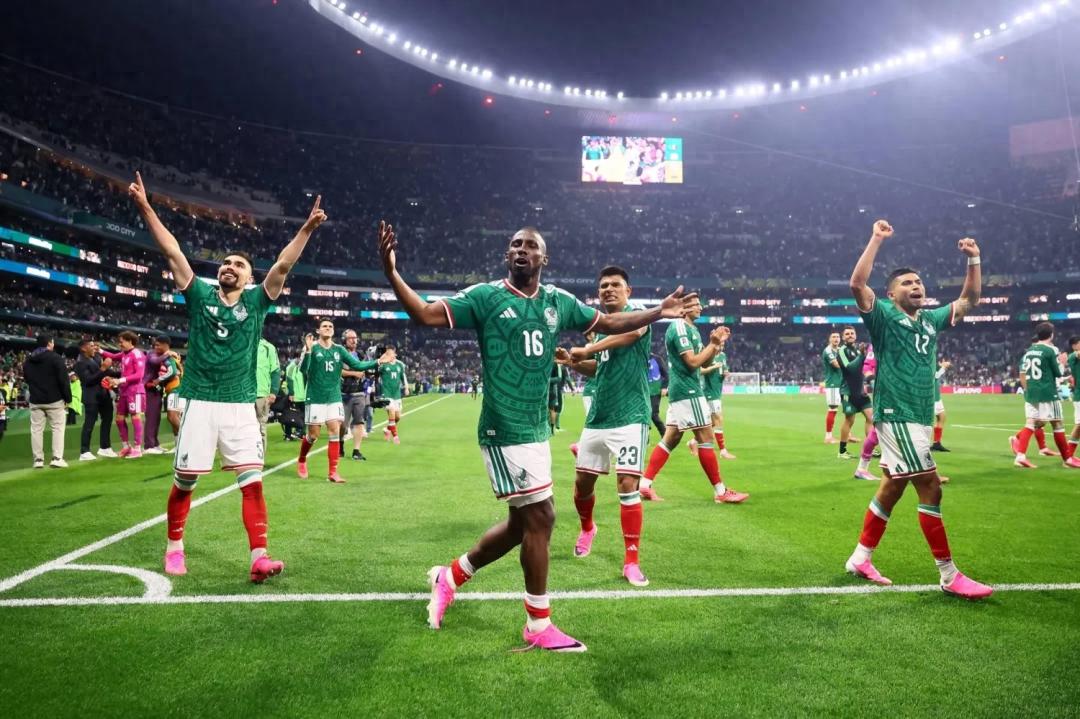
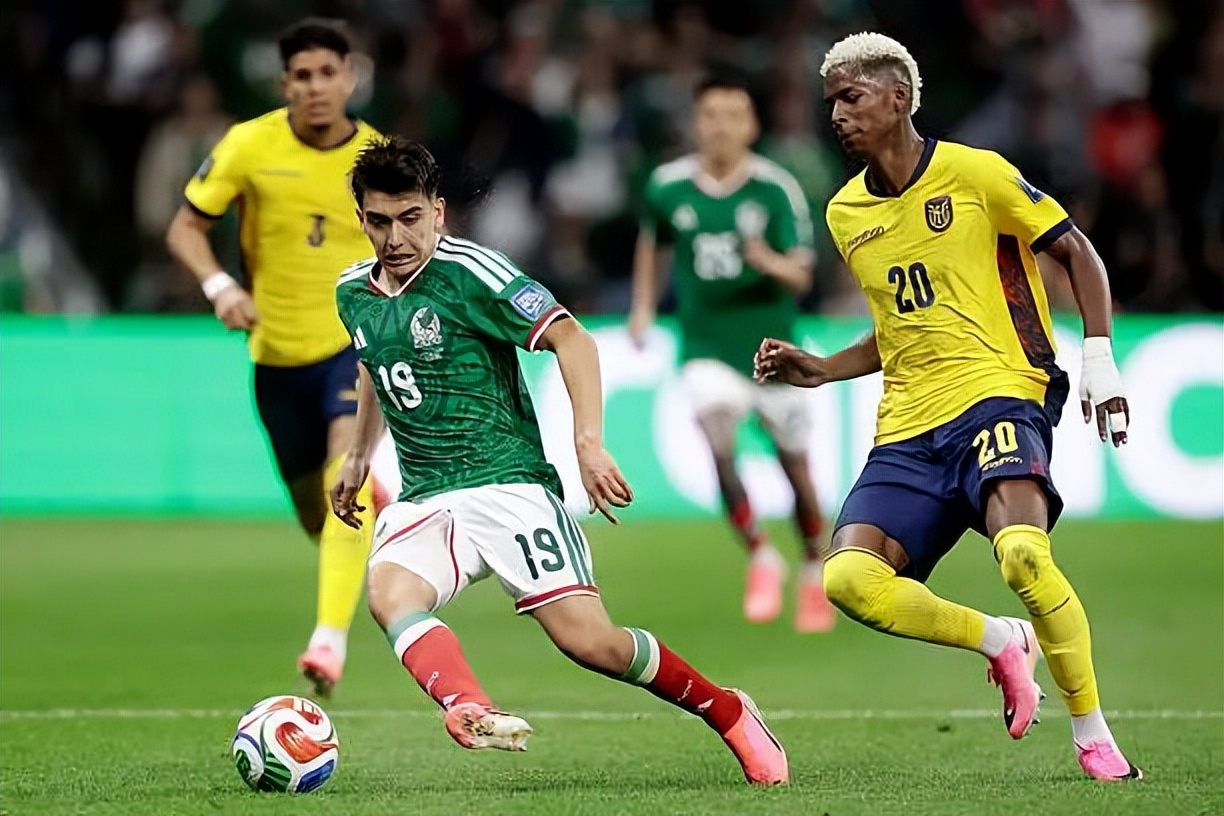
Written by Han Bing Despite the one-hour delay caused by thunderstorms in the round of 16 match between Mexico and Ecuador, harsh weather failed to stop Mexico from breaking their 40-year knockout-stage drought. Under Aguirre's guidance, Mexico impressed in the group stage with their aggressive style, and they once again lived up to expectations for the 80,000 fervent spectators at the Azteca Stadium. In the first half, Mexico launched wave after wave of attacks, leading 2-0 within half an hour, a scoreline they maintained until the final whistle. This victory made Mexico the first CONCACAF team in World Cup history to defeat a South American side in a knockout match.
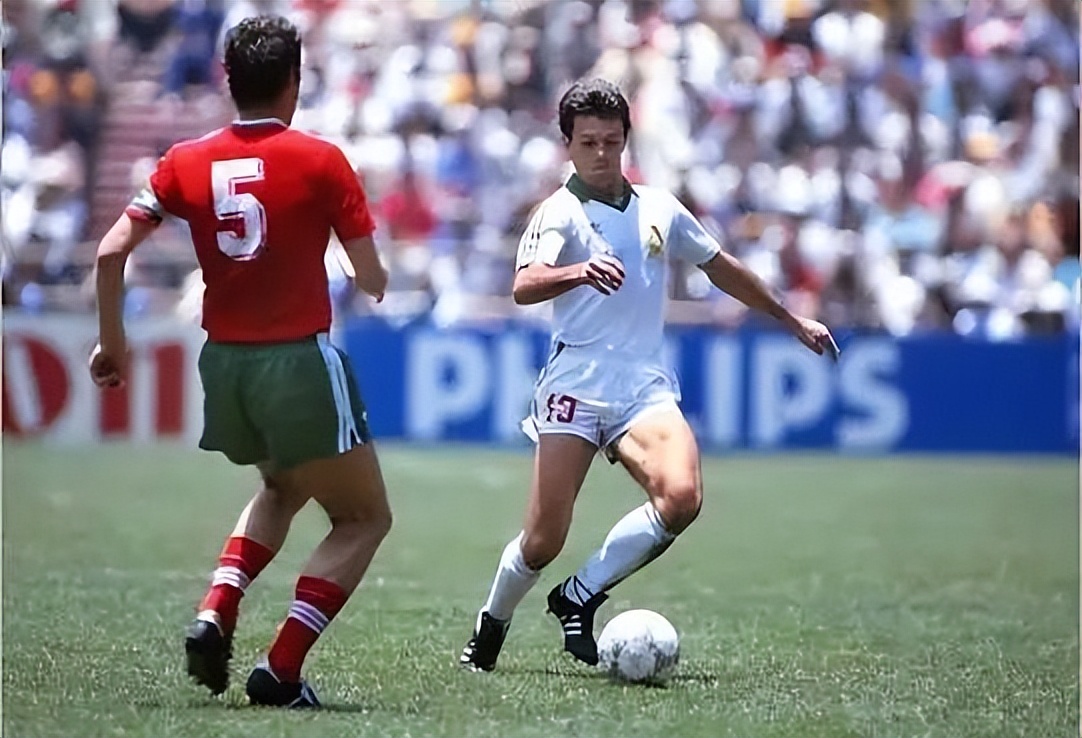
Mexico's last knockout-stage win came 40 years ago, also as hosts, in 1986, when they beat Bulgaria 2-0 to reach the quarter-finals. However, they lost to West Germany on penalties in the quarter-finals, starting a 40-year winless run in knockout matches. From the 1994 World Cup onward, Mexico reached the round of 16 seven times in a row but lost every time: to Bulgaria on penalties in 1994, to the USA in the "CONCACAF derby" in 2002, and to South American teams three times since 2006. This streak of eight consecutive knockout losses stands as a "shameful" record for the most consecutive World Cup knockout matches without a win.
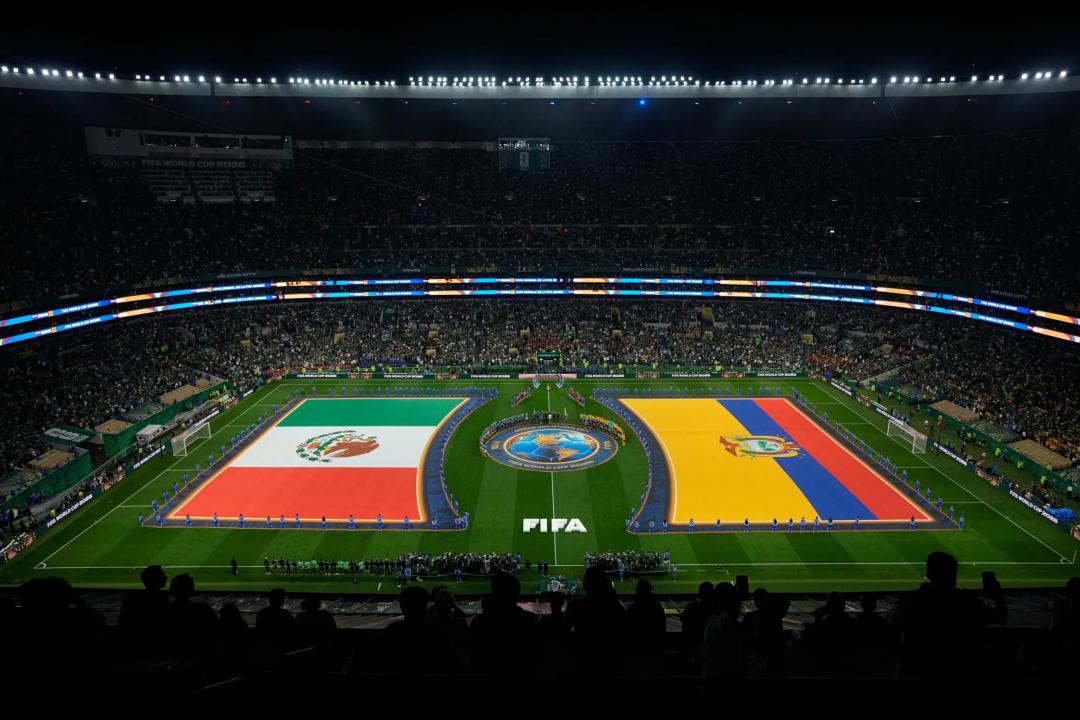
Today, Mexican football finally broke the 40-year "curse." Riding high on momentum, Mexico will face the winner of England vs. DR Congo on July 6, in what will be their last home match of this World Cup. Combined with their previous two World Cups as hosts in 1970 and 1986, Mexico remains unbeaten in regular time over 10 matches at the Azteca Stadium, giving them a massive home-field advantage. If they win the round of 16, it will mark Mexico's best-ever World Cup performance. In 1986, Mexico reached the quarter-finals but played only five matches. This time, reaching the quarter-finals would mean six matches, an unprecedented achievement.
The fans at the Azteca Stadium created an overwhelming home advantage for Mexico. Just 10 minutes into the match, the stadium's big screen showed an astonishing noise level of 149 decibels. That's louder than a passenger jet taking off and comparable to the roar of a heavy-duty train horn. The Mexico City government set up 39 giant screens downtown to accommodate fans who couldn't get into the stadium. It's estimated that over 1 million people in the 10-million-strong city watched the match on outdoor screens.
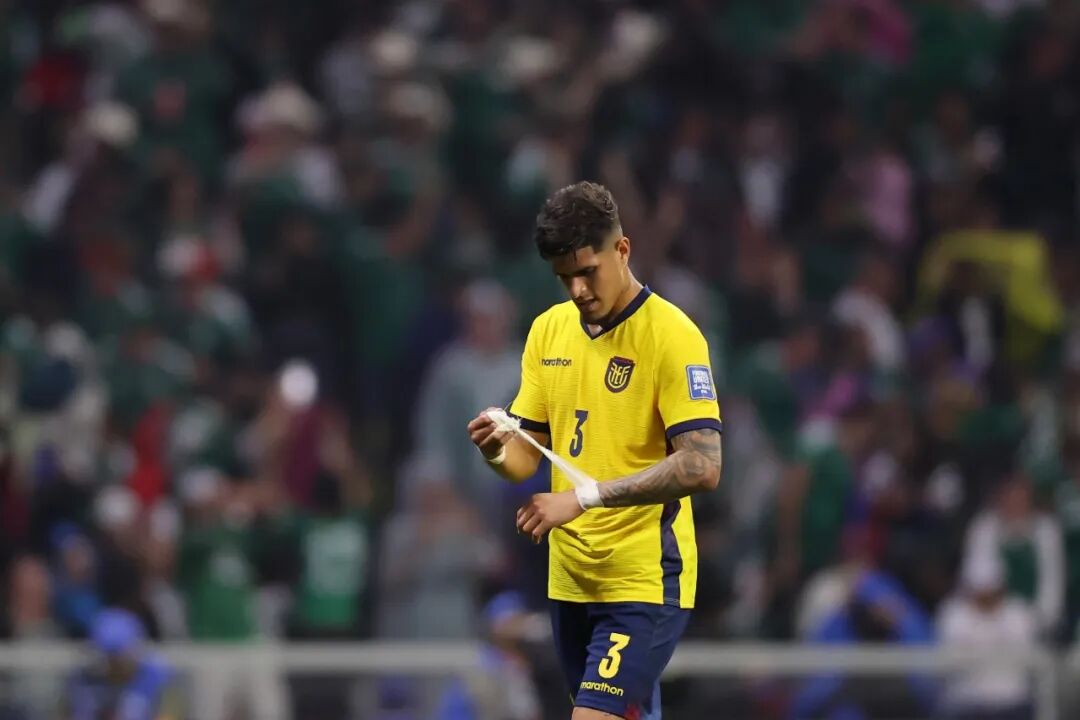
Ecuador's sluggish start was understandable: the night before the match, hundreds of Mexican fans gathered outside their hotel, keeping players awake all night with noise. Their team bus also arrived late due to traffic congestion, leaving insufficient time for warm-ups. Although the thunderstorm delay gave both teams equal preparation time, Mexico's overwhelming early attacks proved too much for Ecuador to handle.

In the 17th minute, Ecuador's Yeboah hit the post, giving Mexican fans a brief scare. But four minutes later, Mexico countered: Quinones, born in Colombia, sprinted half the field, dodged defenders, and opened the scoring. In the 30th minute, Ecuador made a clearance error in their own half. Raúl Jiménez intercepted the ball, combined with Quinones, and fired a shot into the net to seal the score. In stoppage time, Ecuador defender Incapié was shown a red card for a conflict with Jiménez, extinguishing any hope of a comeback.
Ending a 40-year, eight-match knockout winless streak, Mexico relied not only on efficient attacking football but also on rock-solid defense. In the first four matches of this World Cup, Mexico conceded zero goals and allowed only six shots on target. The only other teams to start a World Cup with four straight clean-sheet wins were Brazil in 1986 and Italy in 1990—both at least reached the quarter-finals. Additionally, Quinones became Mexico's all-time top scorer in a single World Cup with three goals.
The match was exciting, with both teams playing attacking football. Mexico's Montes even had two golden scoring chances. But beyond the goals, the spotlight was on 17-year-old Mexican prodigy Mora. His fine technique and sharp vision gradually elevated Mexico's attack. He was crucial to the quick opening goal, and when substituted in the second half, the applause he received was second only to the goal celebrations. If Mexico goes further, Mora is likely the biggest favorite for the tournament's Best Young Player award.


Wonderfulshortvideo

messi goal today messi assist today messi highlights vs egypt enzo fernandez goal today romero goal today argentina goals today argentina 3-2 egypt



“Wonderful player, fantastic player, could not run” 😅

Neville, Keane and Wright DO NOT agree on the future of Argentina in the World Cup 👀

“It gave you everything” 👀
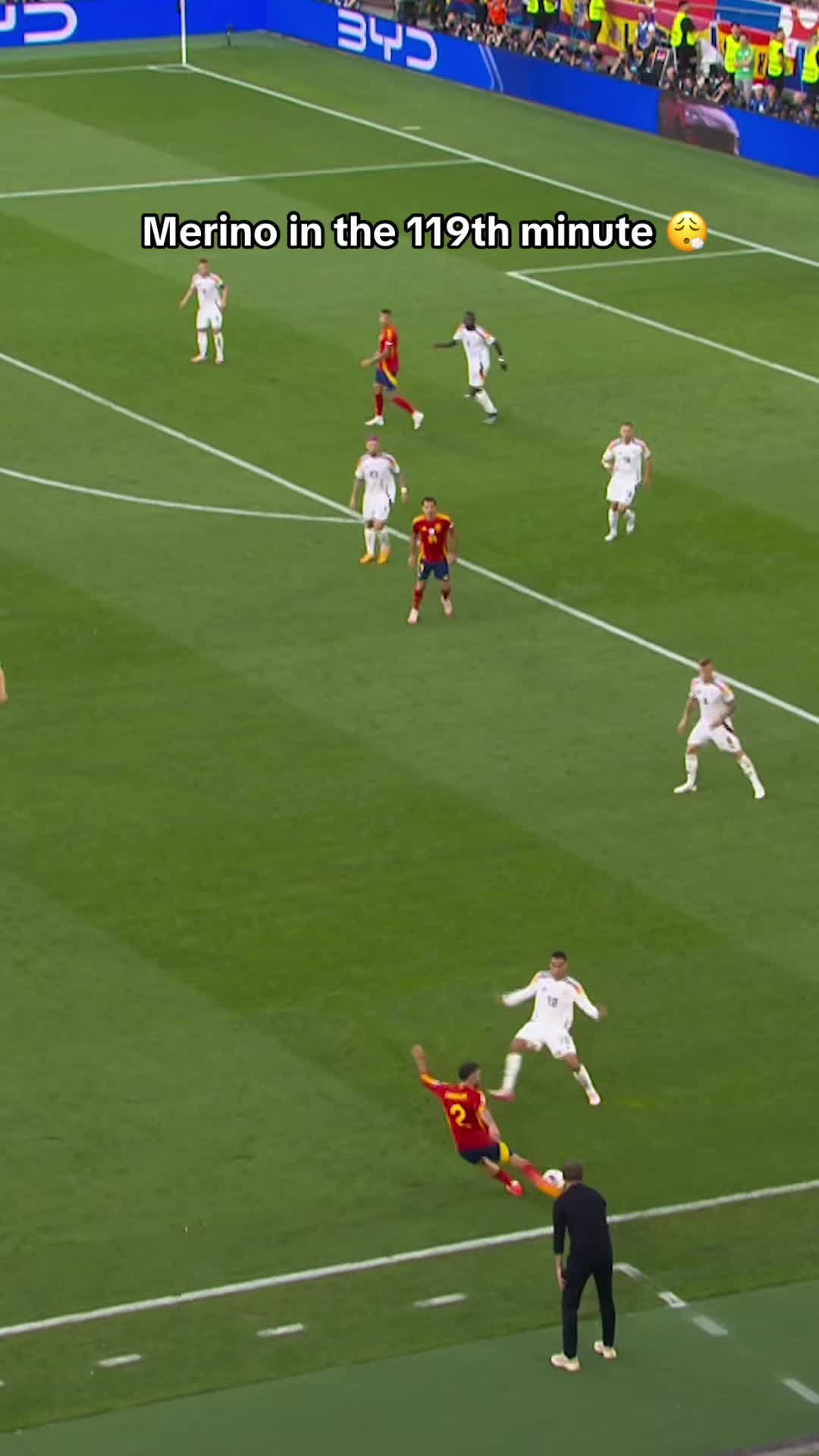
Clutch Merino 😮💨

merino goal today portugal 0-1 spain ronaldo interview today ronaldo retirement retiring

kane goal today kane highlights today england 2-1 congo
 Links
Links
 Contact
 App
App


