



World Cup at Home: When Passion Overrides All Financial Logic



In the eyes of soccer supporters, a basic fact remains: not every side can claim the trophy, but any team can deliver unforgettable instances. Those instances alone are what matter, driving fans to spend absurd amounts of money or devote themselves entirely to their club, no matter the outcome.
Financial analyst Juan Pablo Spinetto recently wrote an interesting piece for Bloomberg Opinion. Let me quote: "There was a time when I couldn't believe that more than 70,000 passionate fans would flock to SoFi Stadium in Los Angeles to watch... New Zealand against Iran. Yet it actually happened, even though ticket prices surged 23% in the final three days before kickoff, pushing the lowest resale price to $420. This was a match between two teams that had never advanced past the World Cup group stage…"
As soon as the ball started rolling, many pre-tournament worries faded away. After one week, fans were captivated, most stadiums were nearly full, TV viewership broke records, and secondary-market ticket prices skyrocketed as enthusiasm soared.
I take no pleasure in saying this. Eventually I had to accept the harsh reality: I paid an "outrageous" amount for the privilege of watching Argentina play. And I must confess something strange: passion overrode every financial logic.
My consolation was seeing Lionel Messi repeat the extraordinary hat-trick he gave to Argentina and the world. Those moments were truly priceless. And we saw many such moments at this World Cup, from Cabo Verde's historic draw against fan-favorite Spain, to Scottish fans electrifying Boston, to Times Square turning into a football cathedral.
FIFA is fully entitled to profit from "fools" — sorry, I mean "fans" — like me, who ultimately only care about seizing a moment of glory on the pitch.
Economics professor Victor Matheson of Holy Cross University once warned Fortune about a worrying scenario: "The stands, instead of being filled with lively fans, might be full of rich people taking selfies." Yet matches were still nearly sold out. The overall stadium occupancy rate reached 99.7%. People kept buying, going, and crowding in the North American summer heat to be inside the stadium. This is the clearest proof of a truth that sports economics must acknowledge: in football, passion sometimes trumps all normal financial logic.
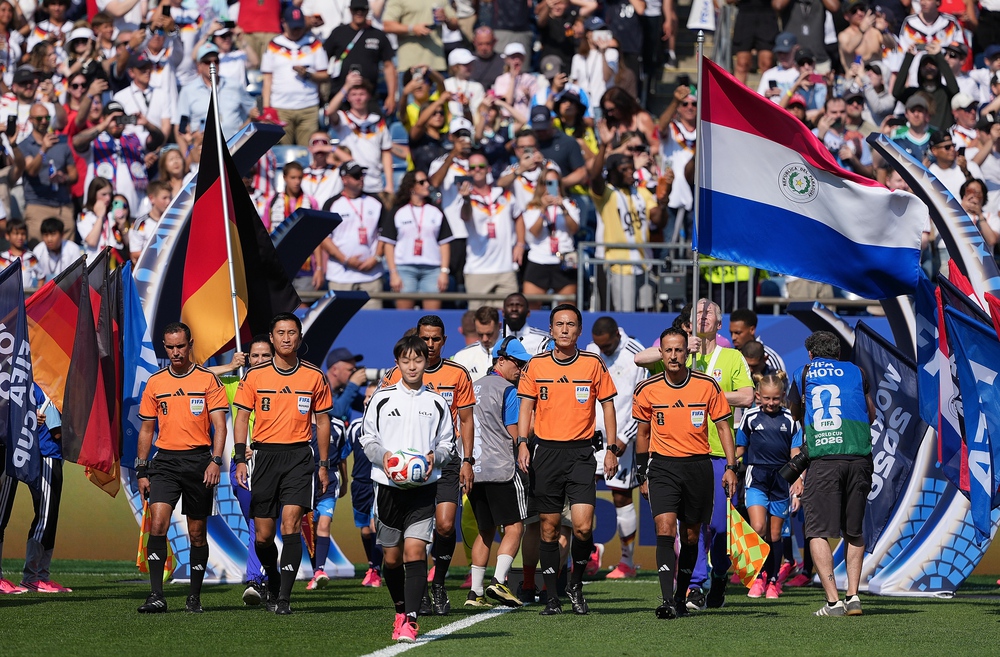
The stands packed with fans are a highlight of the 2026 World Cup. Photo: Xinhua News Agency
From the buyer's perspective, the real reason is much simpler: They purchase a moment that cannot be repeated. Not everyone wins the World Cup. Not every team gets a chance to beat a strong opponent. But it's the moment — a 90th-minute goal, a decisive save, the final whistle when your team appears for the first time — that is the privilege any side, strong or weak, can give its fans.
And that is the real story worth discussing. We are not talking about ticket prices or the massive marketing machine of the World Cup, but about how a match can earn money from the moments that make fans willing to pay to attend. Because not every game creates a moment. A defensive, negative match where both sides focus only on not losing, ending in a dull 0-0, produces no emotion, no matter how tactically meaningful the result.
This is where Vietnamese football needs to look honestly. In recent seasons, the V-League has operated with the primary goal for most clubs being only championship or relegation — two opposite poles that share one thing: both prioritize safe results over entertaining play. The result is a league with low ball-in-play time, slow pace, and scarce memorable moments.
Local fans don't go to the stadium just to know which team wins. They go to live inside a certain moment. If the league doesn't generate enough moments, even cheap tickets won't keep the audience — they drift away not because of price, but because there is no emotional reason to return.
Vietnamese football still has an audience, but those running it face critical choices: it's about playing style, about making matches more entertaining, less burdened by tactics. As the saying goes, "Play to enjoy." Once that is achieved, talking about sports economics will not be too late.


Wonderfulshortvideo
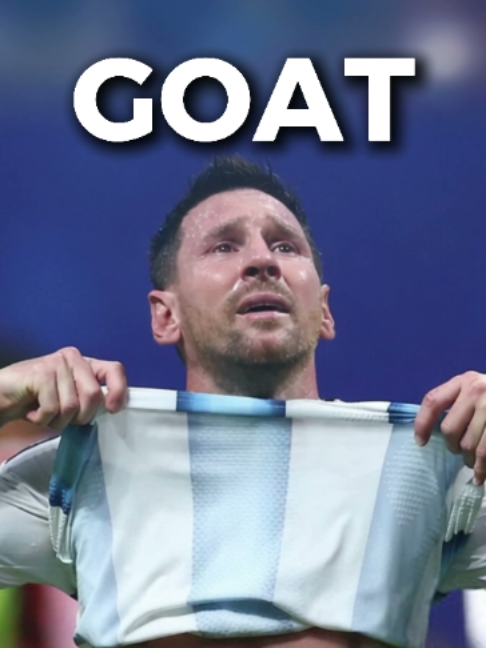
messi goal today messi assist today messi highlights vs egypt enzo fernandez goal today romero goal today argentina goals today argentina 3-2 egypt


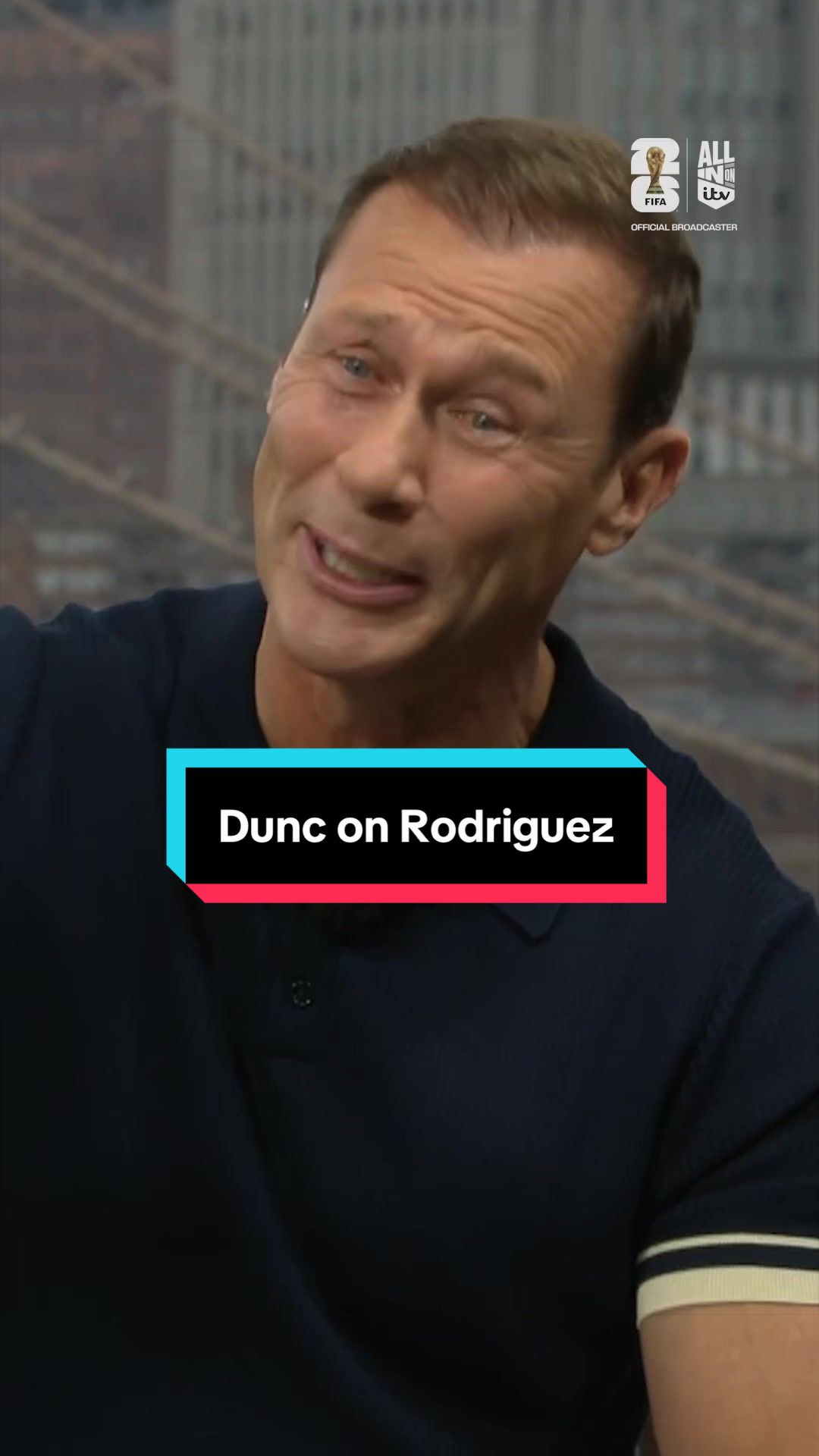
“Wonderful player, fantastic player, could not run” 😅
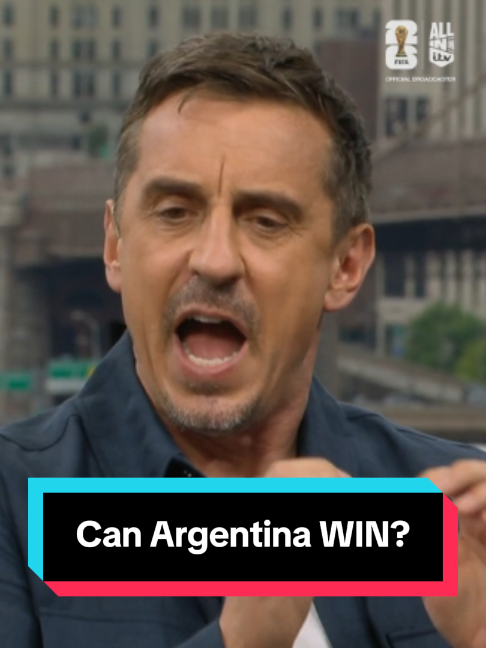
Neville, Keane and Wright DO NOT agree on the future of Argentina in the World Cup 👀
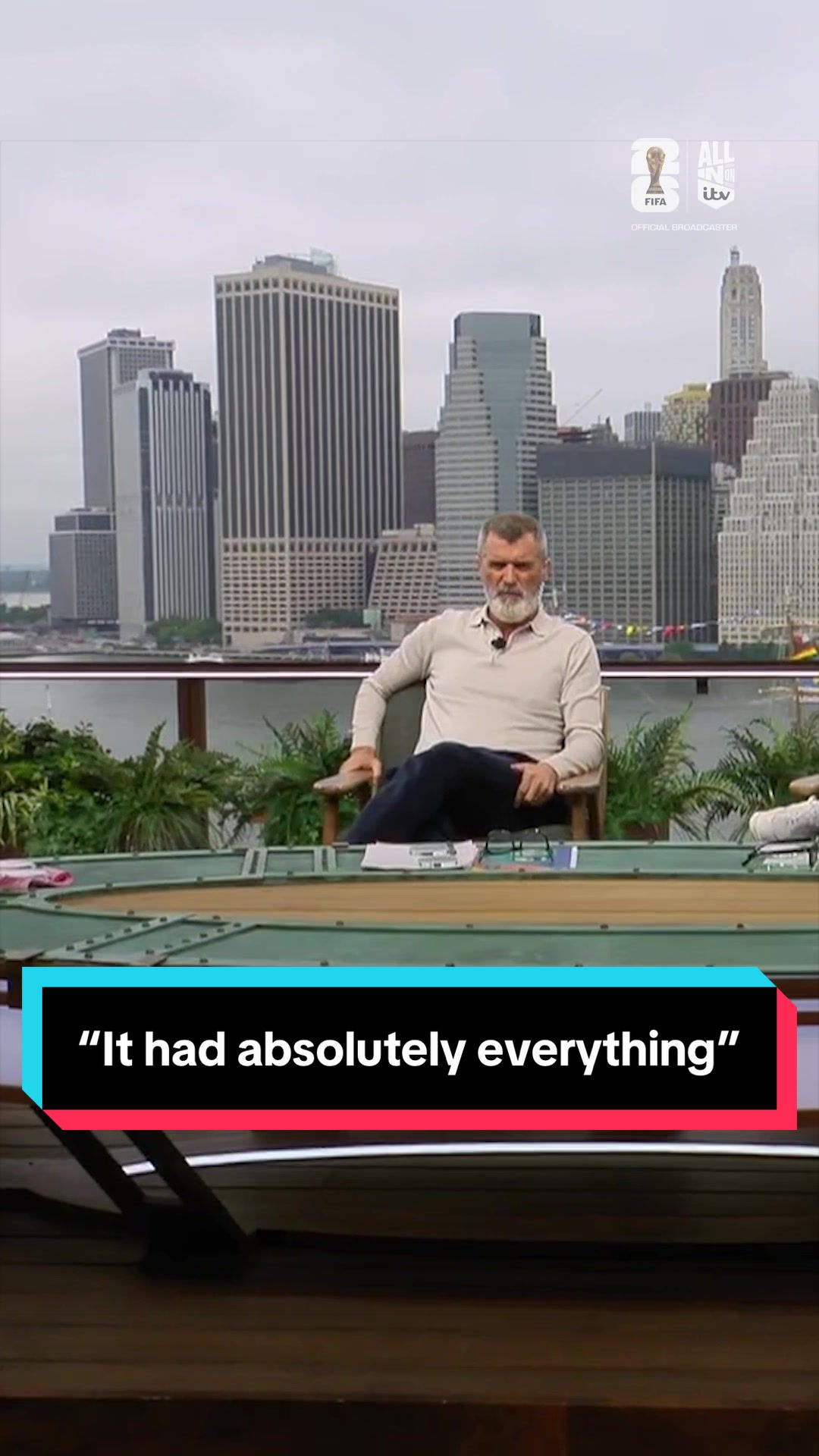
“It gave you everything” 👀
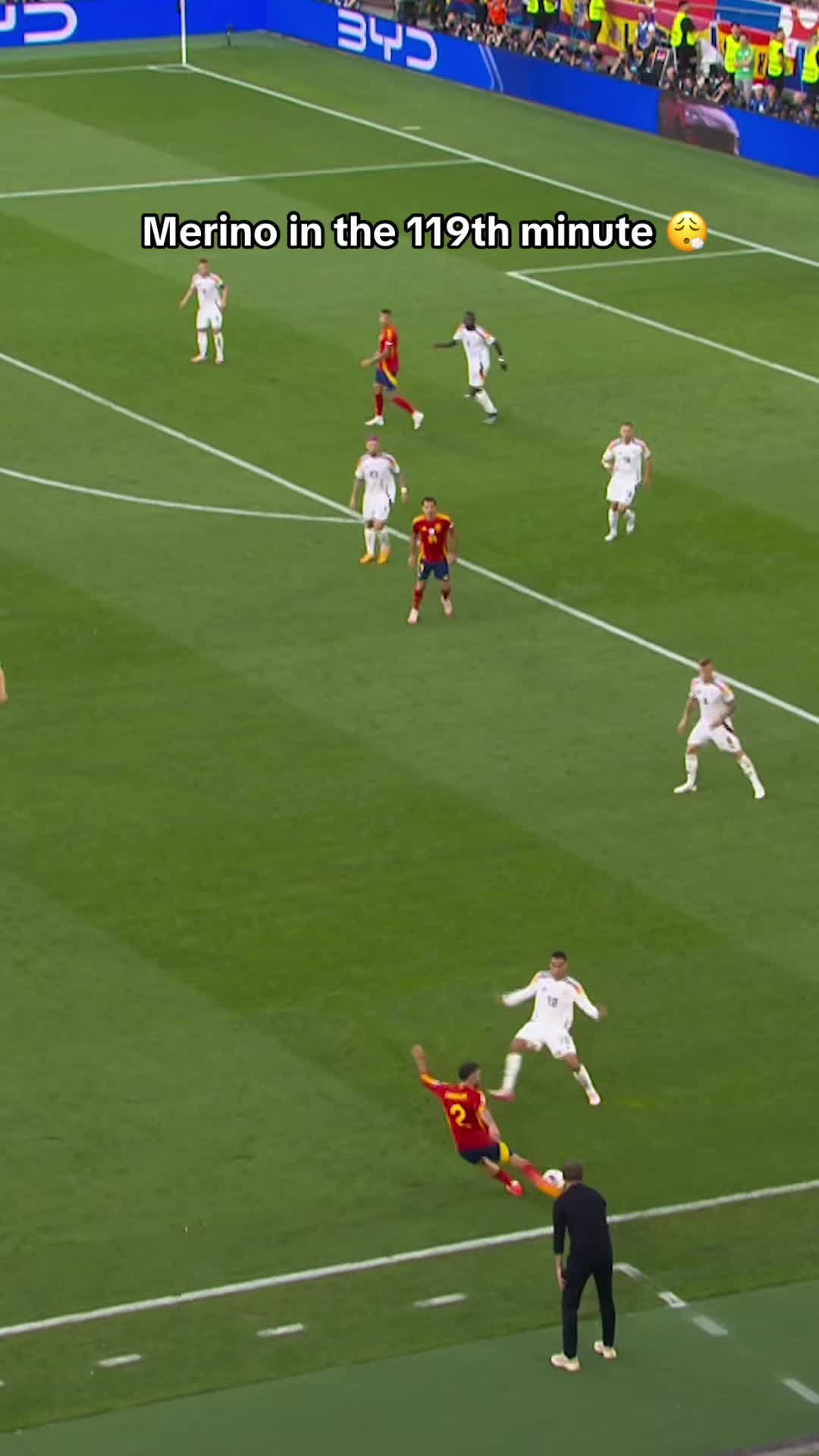
Clutch Merino 😮💨
merino goal today portugal 0-1 spain ronaldo interview today ronaldo retirement retiring
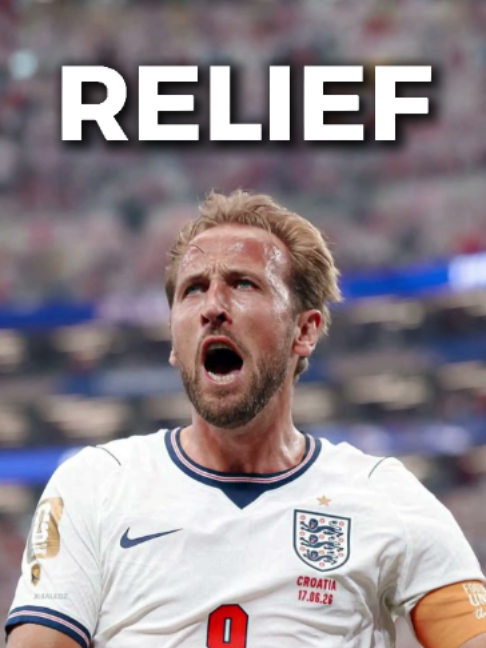
kane goal today kane highlights today england 2-1 congo
 Links
Links
 Contact
 App
App


