



The comeback of the five-time World Cup champion! Ancelotti saves Brazil


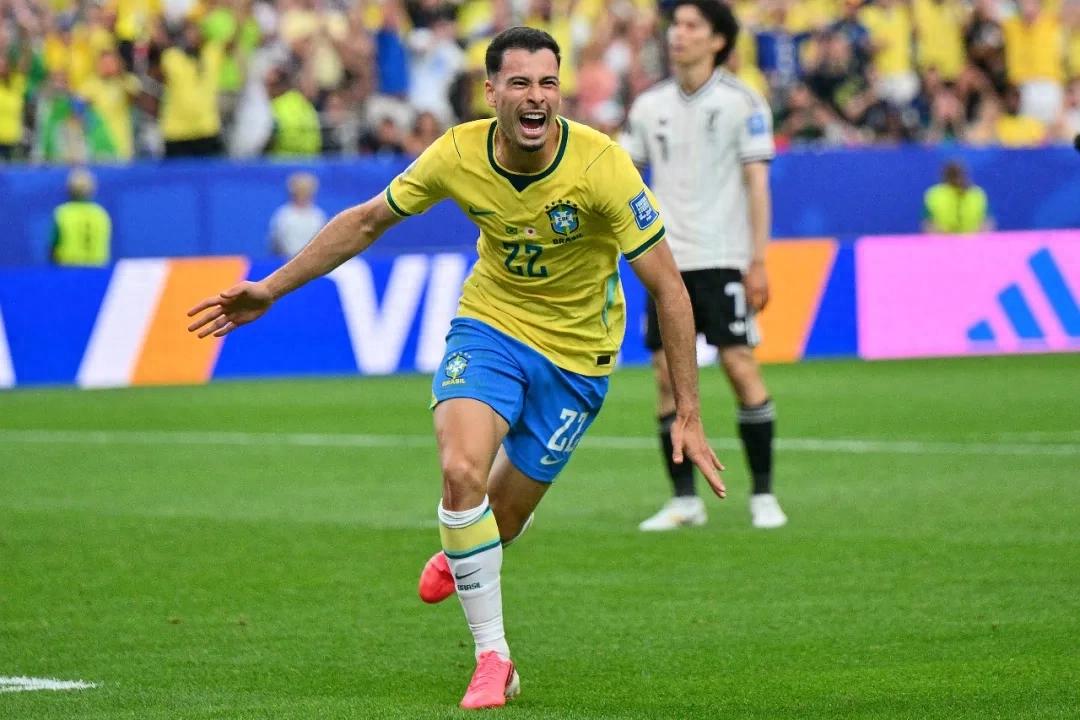
Written by Han Bing When Martinelli scored the clincher in the 95th minute, securing Brazil's 2-1 comeback against Japan, it perhaps dawned on many just why the Brazilian FA had been so assured in renewing Ancelotti's deal ahead of the World Cup: the Italian tactician proved his coaching ability once again—though the team wasn't consistently brilliant, he always kept them focused via prompt tactical shifts, biding his time for opponents to err or for genius players to deliver.
The first half of the round-of-16 match saw Japan employing Ancelotti's own methods against him. Brazil's aging starting XI had five players over 30, including four in midfield and defense. Faced with a Japanese side that intensified pressing, dropped deep, and waited for counterattacks, the Samba Kings' sterile possession got them nowhere. Eventually, in the 29th minute, Japan capitalized on errors from Danilo and Casemiro, with Sano Kaishu seizing the opportunity. The heat in Houston's stadium also left Brazil's veterans increasingly exhausted.
Although it was Danilo who lost the ball through a mistake, Casemiro's "full tracking" of Sano's solo goal—without making any challenge—drew significant criticism from outsiders. Manchester United legends showed their usual strictness toward their own players; Keane even bluntly said, "Casemiro, the worst performer in the first half, should have been substituted."
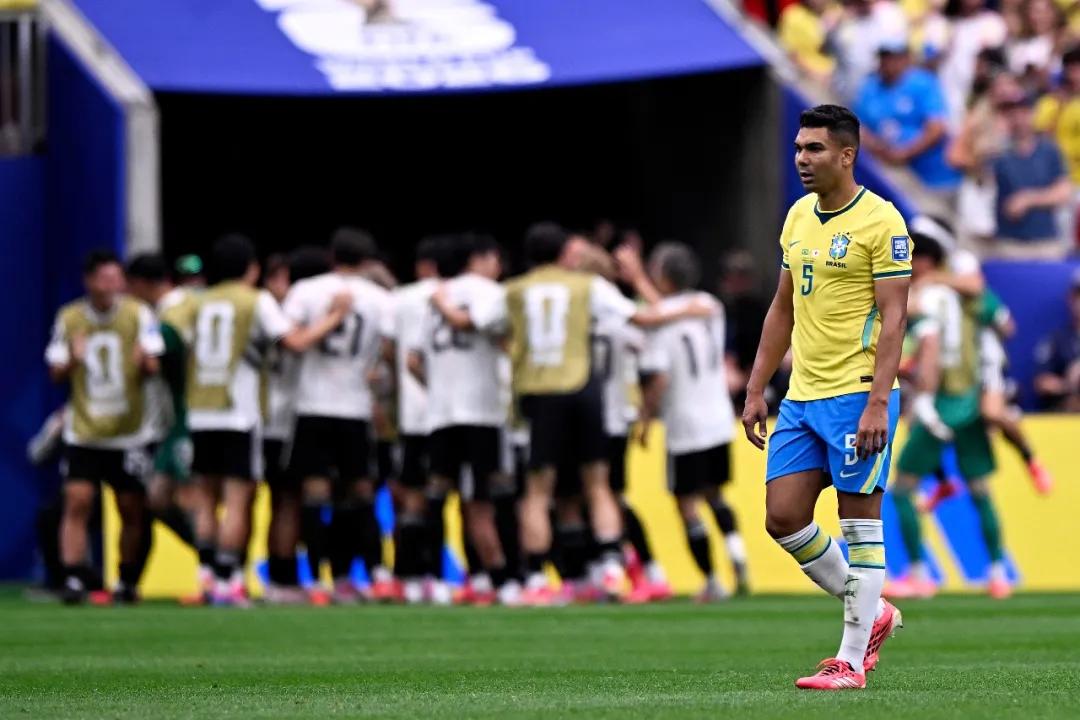
Had the score held until the final whistle, it would have been a disaster for the Samba Kings—the last time Brazil played only four matches in a World Cup was in 1990, when they were eliminated by Maradona's assist of the century. Being knocked out in the round of 32 would have been an unacceptable humiliation for Brazilian media and fans, especially if it came at the hands of a confident Asian side.
The ineffective possession and errors in the first half worried nearly everyone—except Ancelotti. "I have great confidence in our group," he responded when asked after the match. The 10 million euros after tax per year that Brazil's FA paid him was based on faith that the former Real Madrid legend could change the team's fortunes. The Italian coach did not substitute the much-criticized Casemiro or Danilo; the only change was a forced one due to injury—Endrick replacing the injured Paquetá.
Brazil's lineup remained largely unchanged in the second half, but their tactics and performance were night and day different. Ancelotti decisively switched to a 4-2-4 formation, giving Vinícius Jr. more freedom on the wing, moving Martinelli from winger to a second striker role, and using Endrick to effectively occupy Japan's defense while creating space in the middle. Brazil's approach shifted from ground possession to diagonal crosses: in the first half they attempted only 12 crosses, but in the second half that number soared to 28. Even accounting for six minutes of stoppage time, they averaged a cross every 1.8 minutes—which was uncharacteristically un-Brazilian, but very Ancelotti. The Italian precisely exploited Japan's dilemma of defending both crosses and late runs into the box. Casemiro's equalizer in the 55th minute came from this simple yet effective tactic.
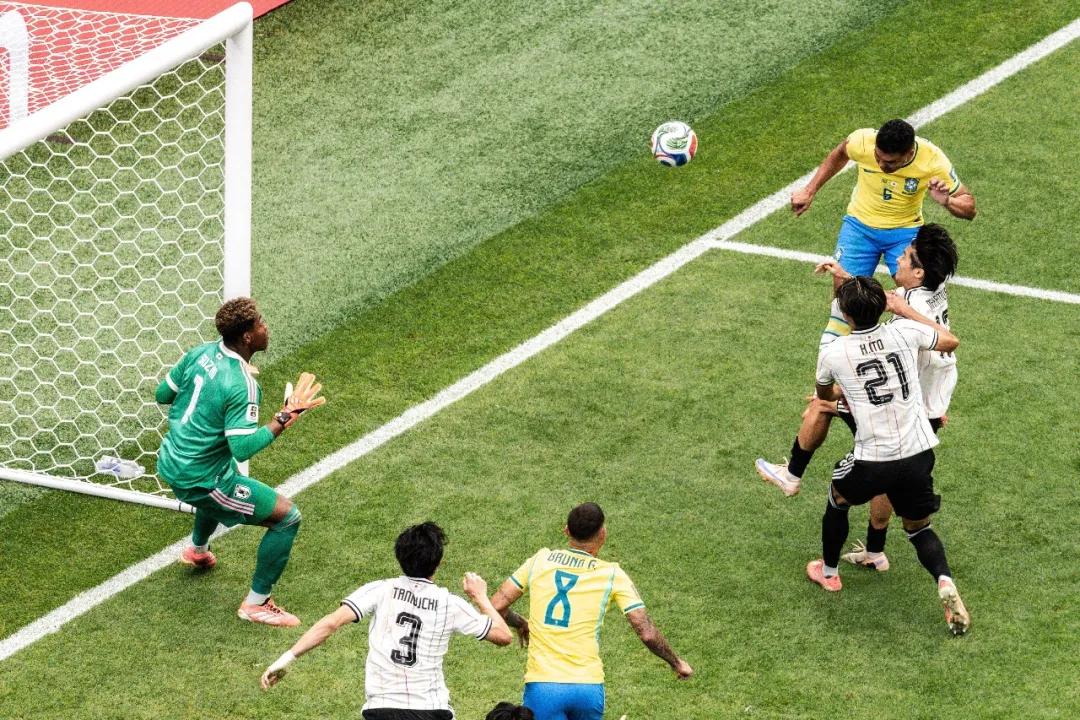
After scoring, Casemiro made the "67 gesture" popular among Generation X and younger social media users: both palms facing upward and shaking up and down, meaning "whatever," as a response to doubts about his age and form.
Ancelotti at Real Madrid has always been this pragmatic. He has no use for romantic fantasies about "beautiful football": "Is just playing a certain style of football enough? The only acceptable result is victory." In the second half, Brazil pressed more aggressively up front and took more shots. Not only substitutes Martinelli and Endrick, but even Vinícius Jr. immediately pressed after losing the ball. Breaking through compact defenses has been Brazil's biggest challenge in recent World Cups, and Ancelotti found the solution. After the match, he acknowledged his realism: "In the second half we turned things around; that was the game where we played more comprehensively." By "comprehensive," he meant boldly abandoning the tradition of ground possession in critical moments and relying on crosses and defenders making late runs to solve problems.
Brazil's victory came from Tanaka Aoi's mistake, as well as the talent of Guimarães and Martinelli. Ancelotti has won games like this at Real Madrid, and he does the same with Brazil: "There's no such thing as 'no mistakes.' No one is perfect, but you have to correct errors and move on."
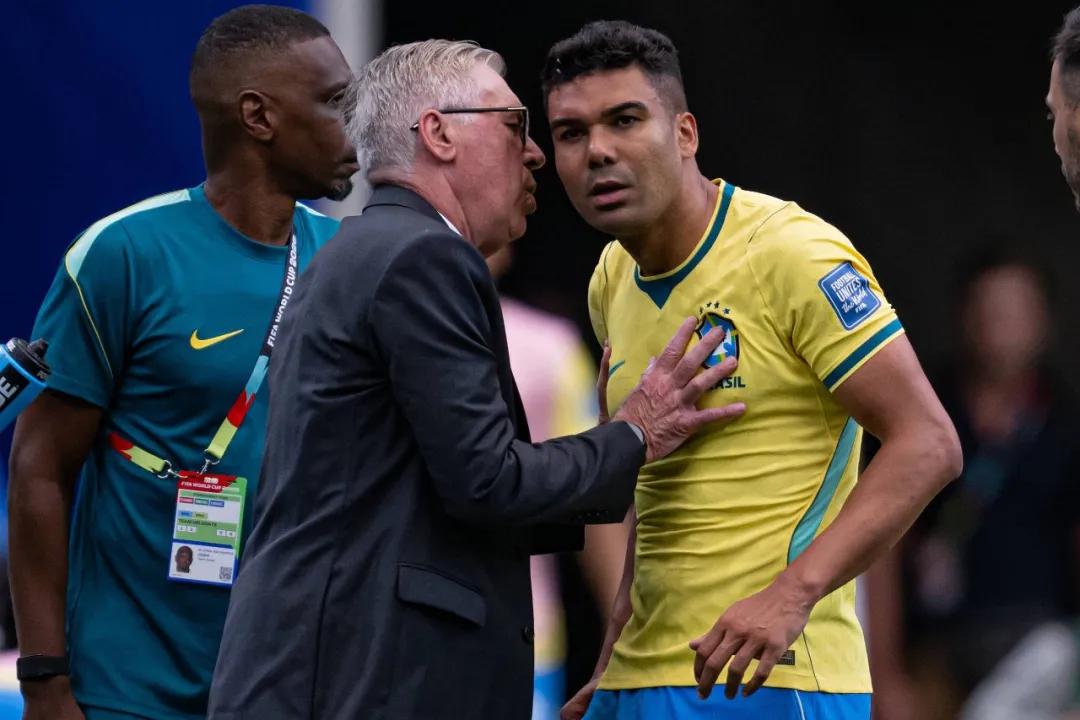
The pragmatic Ancelotti saved Brazil from exiting in the round of 32. Former Brazilian international Lucas spoke for many fans: "Ancelotti saved the country from the 'Houstonazo.'" Another former Brazil international, Augusto, who once played for Beijing Guoan, said Ancelotti's experience and champion mentality gave Brazil crucial growth in this key match: "Winning such an important comeback makes the team more mature."
The Brazil that turned the game around in Houston is still far from perfect. Neymar, who sat on the bench the entire match, proved the team is not yet at its best. But it was more important to end the nightmare of being overturned four times in knockout matches since 2006—a span of 20 years. Ancelotti reminded fans once again: Brazil is actually the team that has come from behind most often in World Cup knockout games. Since 1938, Brazil has overturned deficits nine times in knockout rounds, topping that statistical chart.
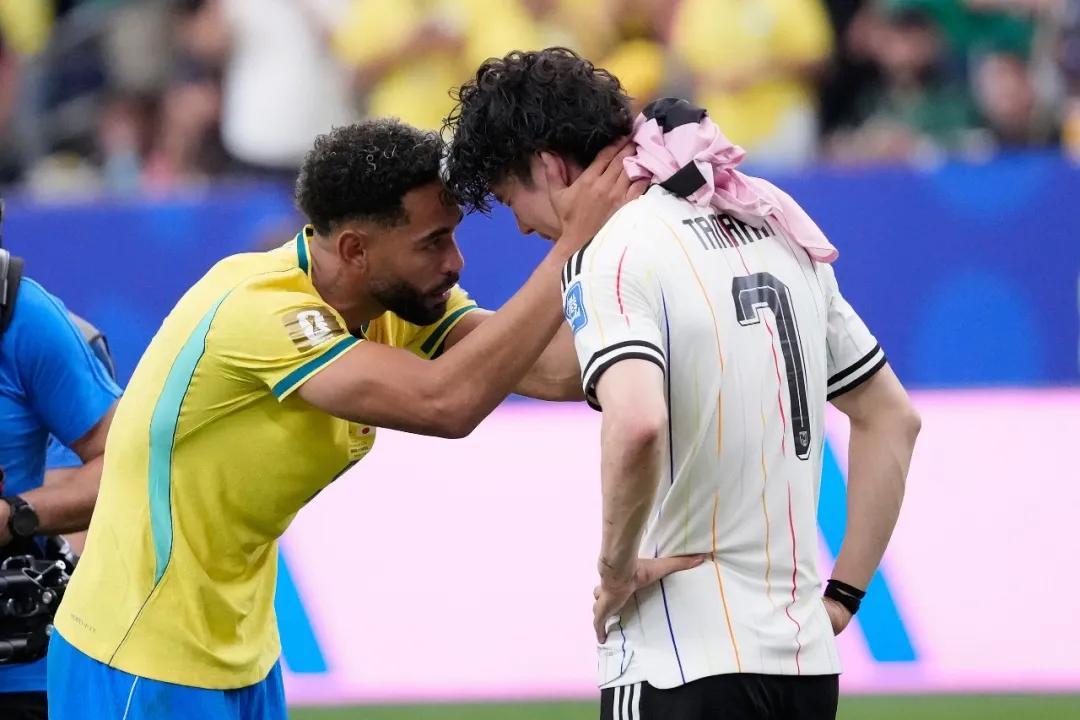
Beating Japan means that since the round-of-16 format was established at the 1986 World Cup, Brazil has never missed the last 16. And Japan, which has never advanced past the first knockout round, seemed overconfident before the match—after comforting Tanaka Aoi, Cunha immediately changed his expression upon seeing Shiomino Ken, who had made disparaging remarks about Brazil. Stretching out five fingers to symbolize the five-time world champions' counterattack, it also proved that the fighting spirit of Brazil's players was reviving. From a sluggish start to gradually finding form, Brazil's rough road to advancement allows fans once again to dream of a sixth world title, after waiting 24 years.


Wonderfulshortvideo
messi goal today messi assist today messi highlights vs egypt enzo fernandez goal today romero goal today argentina goals today argentina 3-2 egypt


“Wonderful player, fantastic player, could not run” 😅
Neville, Keane and Wright DO NOT agree on the future of Argentina in the World Cup 👀
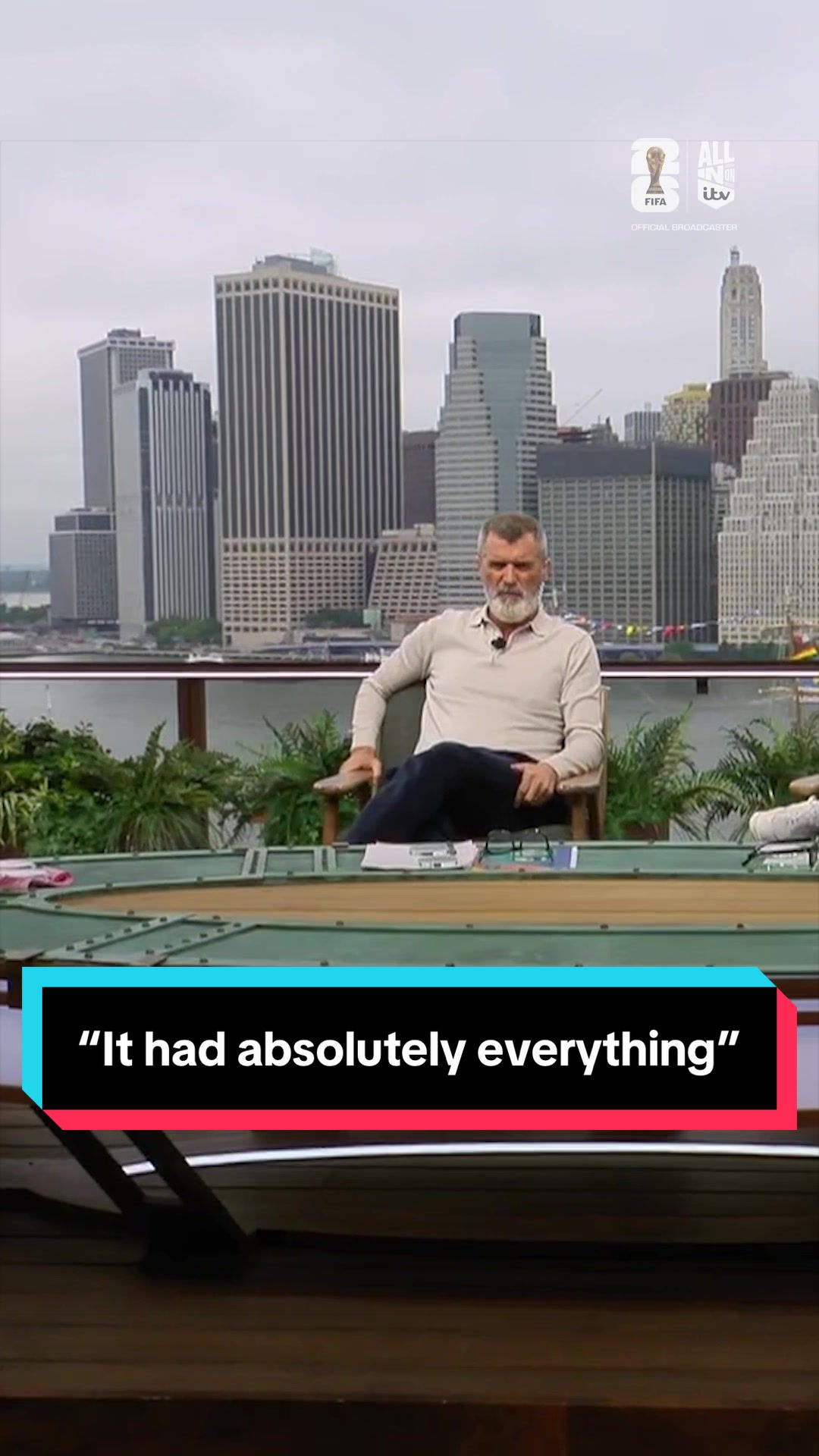
“It gave you everything” 👀
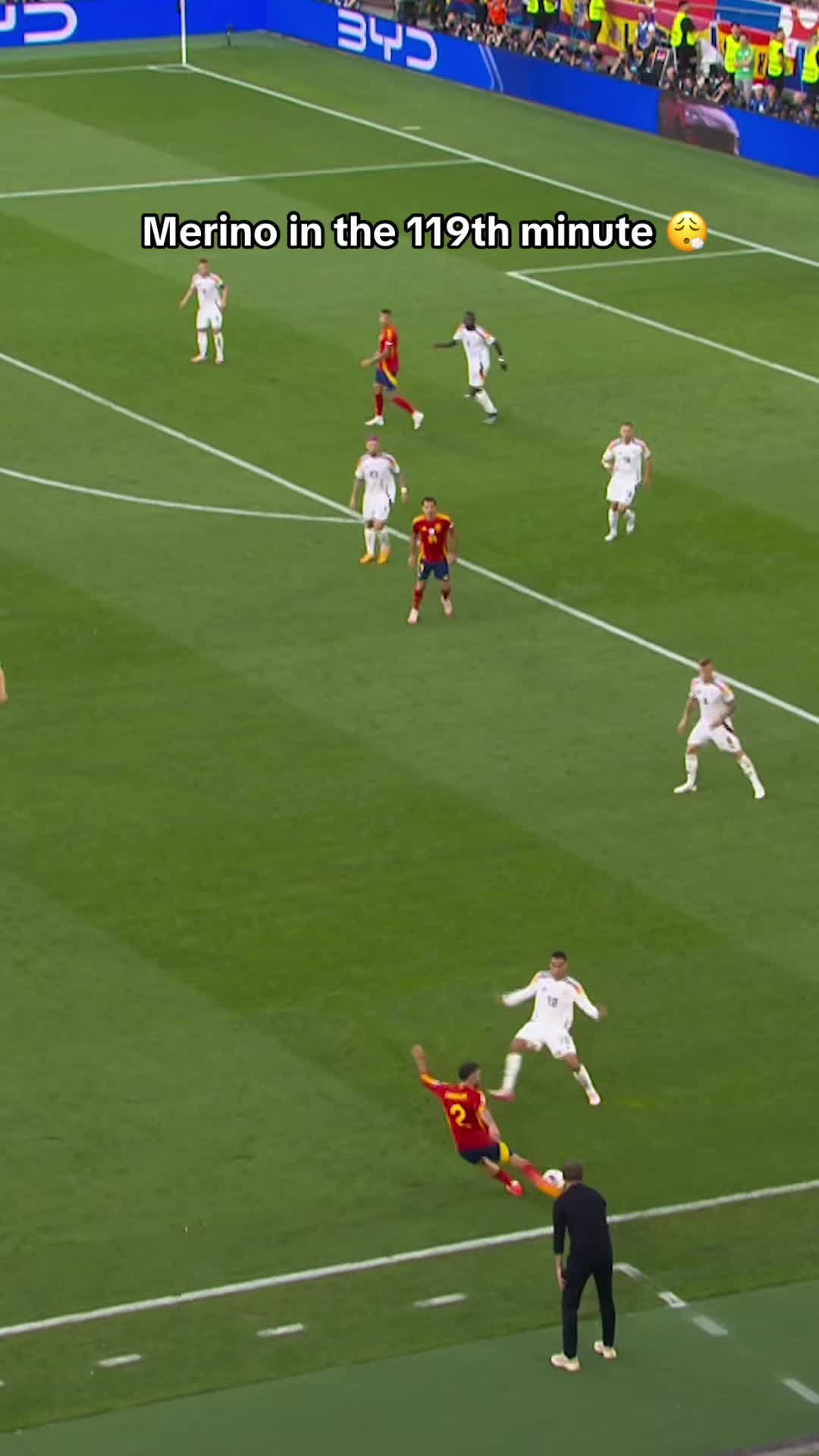
Clutch Merino 😮💨
merino goal today portugal 0-1 spain ronaldo interview today ronaldo retirement retiring
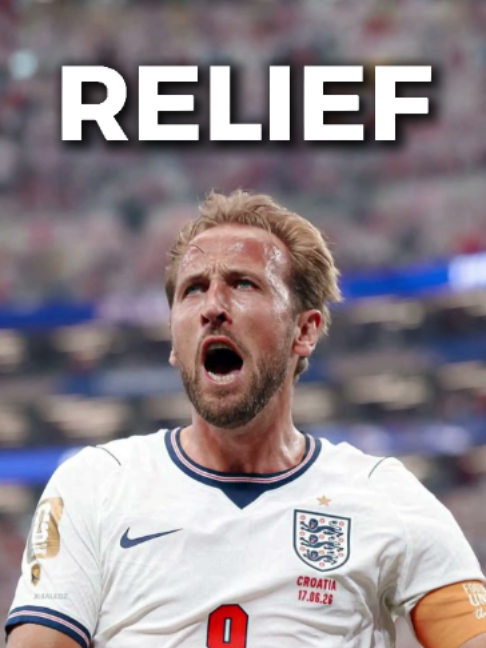
kane goal today kane highlights today england 2-1 congo
 Links
Links
 Contact
 App
App


