



A German team that can't even win a penalty shootout—what can you expect them to achieve?



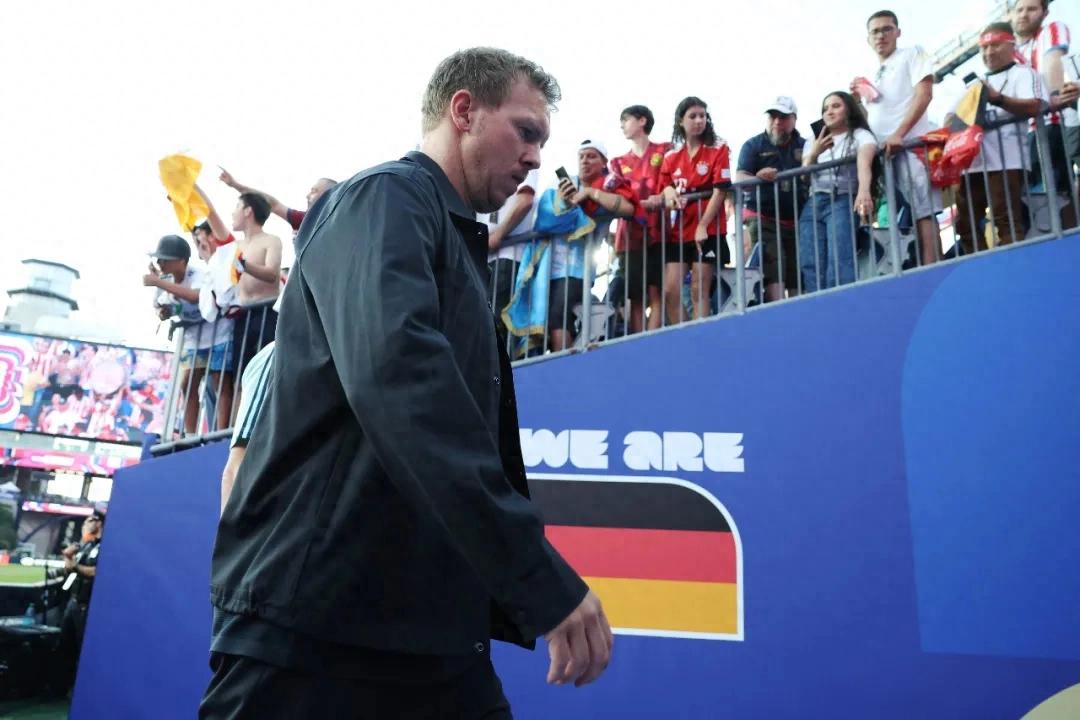
Written by Han Bing. "This was a completely legitimate goal." After losing 3–4 on penalties (4–5 aggregate) to Paraguay, coach Nagelsmann kept grumbling about the disallowed corner goal in extra time—clearly, the strict enforcement of new corner kick rules served as his "robbery" to evade responsibility.
German media gave the stubborn national team coach a negative rating after the match, but that hardly expressed the frustration of missing the World Cup round of 16 for the third consecutive time. When Havertz, Woltemade, and Jonathan Tah missed their penalties in succession, the Germans couldn't even preserve their last shred of dignity.
What can you expect from a German team that lost a World Cup penalty shootout for the first time in 44 years?
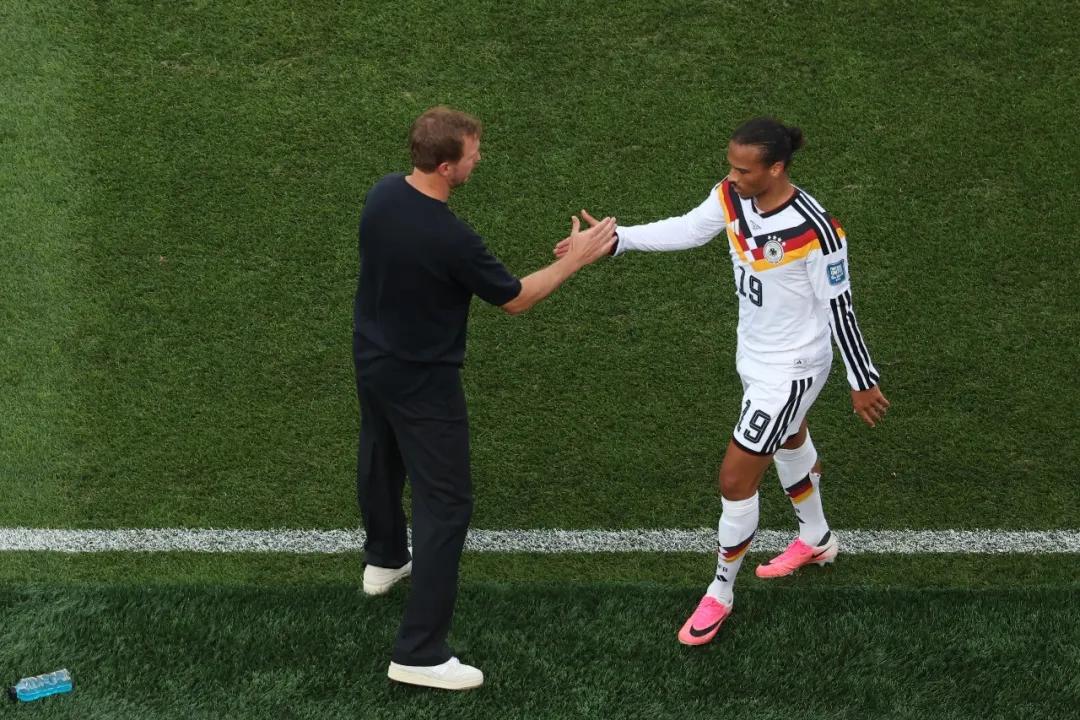

After an unexpected group-stage loss to Ecuador, the arrogant Nagelsmann remained unrepentant, insisting that football is about "winner takes all." But in the round of 16 against Paraguay, he had no more excuses. Sane, like a mandatory name on an exam paper, was still an unquestioned starter as a right-back, while Kimmich continued playing as a full-back—the young German coach paid the heaviest price for his stubbornness.
The 120-minute match was filled with Germany's uncreative, ineffective possession. With 75% possession and 21 shots, they managed only two scoring chances and one goal. In the first half, Germany had 80% possession, yet it was Paraguay—constantly defending—that took the lead first. In the 42nd minute, Germany lost the ball from a corner counterattack; Galarza crossed from the right, and Enciso, standing just 1.68m tall (ranked 17th from the bottom among 1,248 World Cup players), found space in Germany's tall defense, heading past Neuer—the 40-year-old Bayern goalkeeper kept no clean sheets in this World Cup, conceding in 10 consecutive matches across three tournaments, equaling a World Cup record.
Nagelsmann's Germany continued the chronic problem of the previous two World Cups: relying on possession but lacking the ability to create scoring chances despite overwhelming control. There was no effective attack, no clever combinations. Against Paraguay's traditional five-man defense, Wirtz remained invisible in the first half, just like in the group stage.
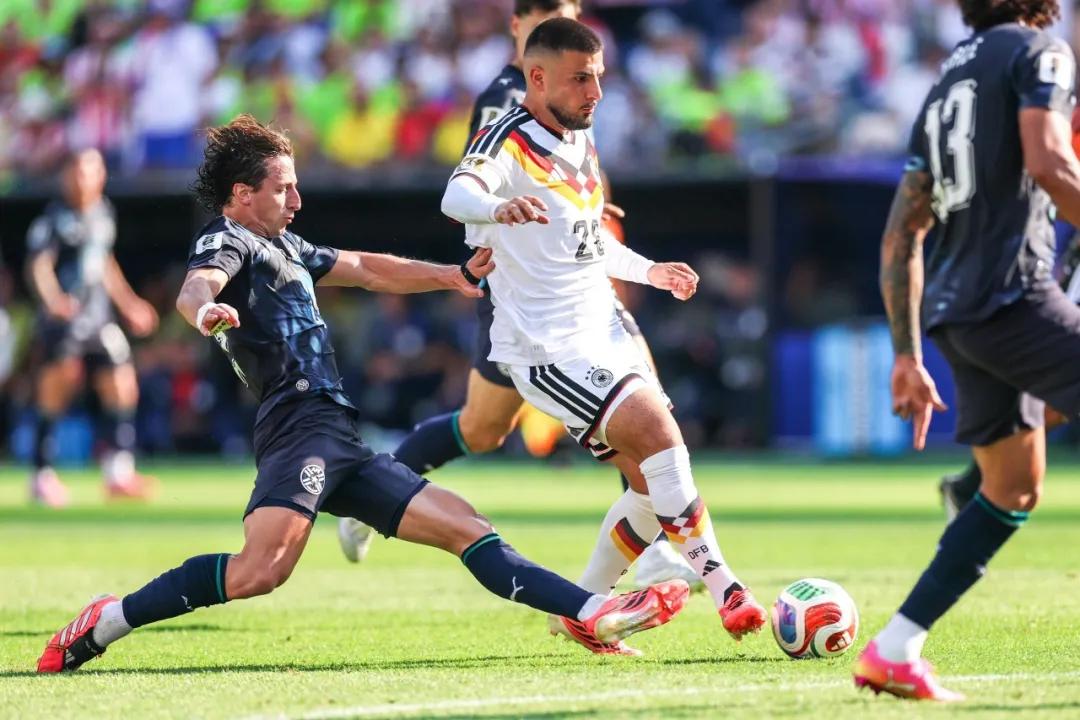
Undav, who had shone in the group stage, had only seven touches in the first half, barely receiving any support from wingers Wirtz and Sane. And Sane, for whom Nagelsmann "couldn't think of a reason not to start," delivered a performance that left German fans "unable to think of a reason for him to be in the national team"—seven dribbles with zero success, 23 ball losses, and eight crosses with no result.
Even more fatal than the ineffective possession tactics was the Germans' loss of their most fundamental traits: running intensity and desire to win. After the group-stage loss to Ecuador, Kimmich had criticized his teammates' laziness, but against Paraguay, the situation did not improve.
After halftime, Nagelsmann brought on Goretzka, and in the 54th minute, Germany finally equalized through a traditional cross, with Wirtz assisting Havertz. But the question is: why did it take Germany so long to find this Plan B? Even more disappointing, that Plan B didn't create further chances. Substitute Musiala was equally ineffective, and Jonathan Tah's extra-time header was disallowed for Anton's foul on Paraguay goalkeeper Gill.
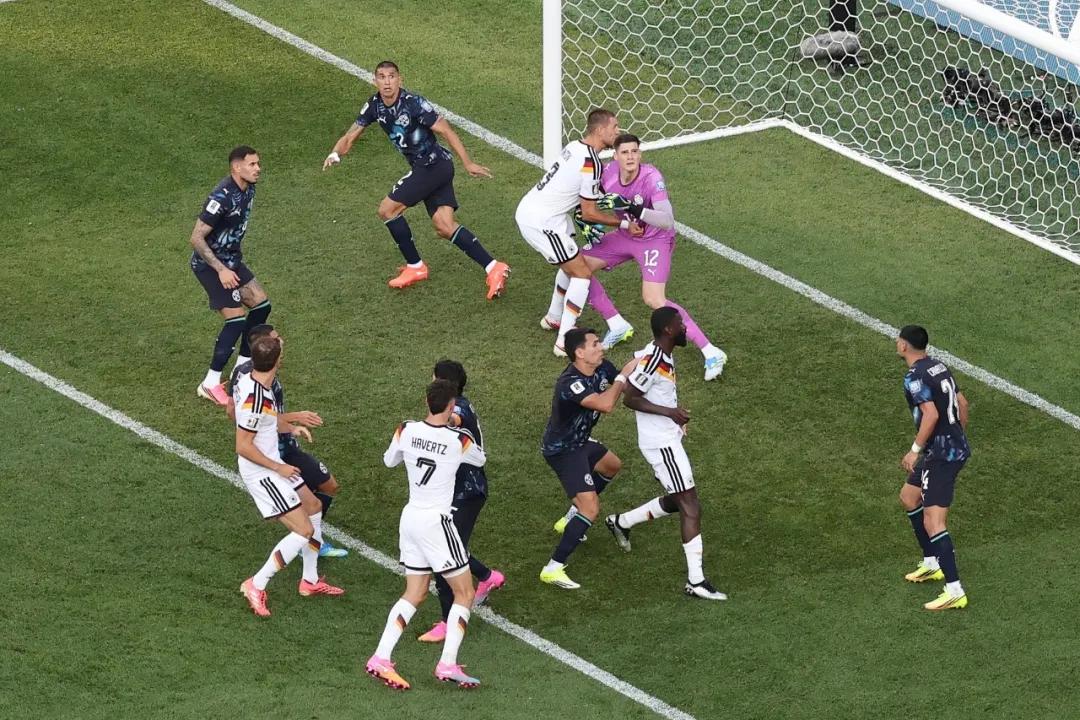

In the penalty shootout, Germany still lacked the winning mentality of old. Havertz and Woltemade had their penalties saved by Gill, and although Sanabria missed and Neuer saved Balbuena's penalty to keep Germany alive, Jonathan Tah's absurdly high shot in the first round sent the Germans crashing out at the round of 16.
Thus, Germany's perfect World Cup penalty shootout record came to an end. Since defeating France in the 1982 World Cup semifinals on penalties, Germany had won all four previous World Cup shootouts. After beating England in the 1990 semifinals on penalties, legendary English striker Gary Lineker said: "Football is a game where 22 men chase a ball for 90 minutes, and at the end, the Germans win." In seven penalty shootouts across World Cups and European Championships, Germany had lost only once—to Czechoslovakia in the 1976 European Championship final, where Panenka's chip shot became famous.
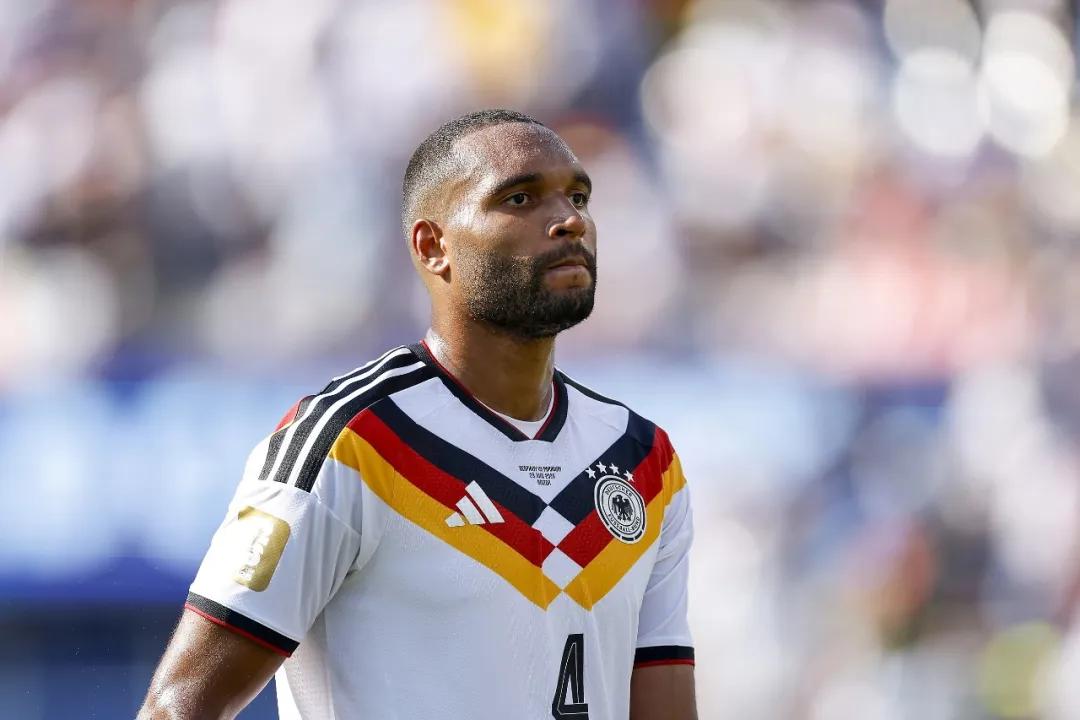
Twenty years ago, in a World Cup quarterfinal, Germany beat Argentina on penalties. Twenty years later, Paraguay ended Germany's penalty shootout myth. In the 2002 World Cup round of 16, Paraguay was eliminated 1–0 by Germany; 24 years later, Paraguay took revenge in the most German way possible. This was Paraguay's second World Cup penalty shootout victory, after beating Japan in the 2010 round of 16. Paraguay's last major tournament shootout win over a world champion was against Brazil in the 2015 Copa América round of 16.
Germany's expensive attackers were ineffective, while Paraguay goalkeeper Gill, who saved two penalties, became a new folk hero. Before 2024, he had never played top-flight football. His son Lauti was born with a serious illness, and Gill sold almost all his possessions, including club equipment and even his cherished U20 national team jersey. For the past six months, his club San Lorenzo had been withholding his salary, but that didn't stop the goalkeeper, who grew up idolizing Casillas and Valdés, from making history in his first World Cup.
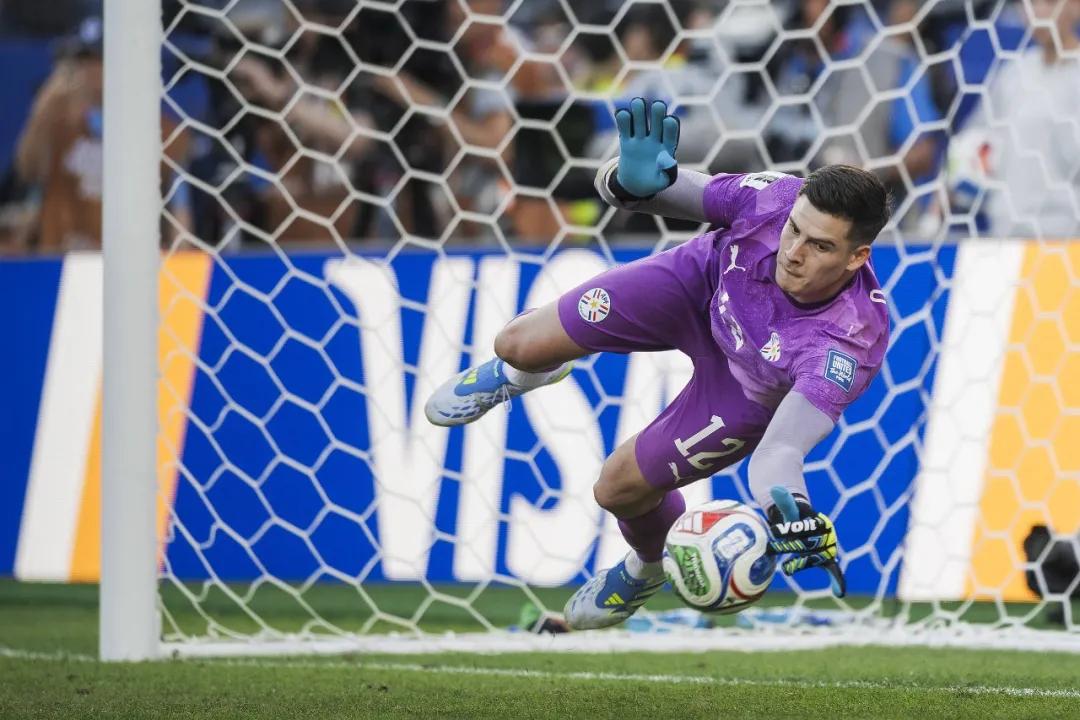

Paraguay enjoyed a day off national holiday after beating Germany, while Germany sank into deep disappointment for missing the round of 16 for three consecutive World Cups. Nagelsmann revealed that several German players wept in the dressing room after the match, but that couldn't change their fate. Criticism and doubts from German media were overwhelming. German legend Mats Hummels stressed that someone must take responsibility for the shameful exit. A Sky Sports poll showed 94% of German fans believed Nagelsmann should be sacked immediately.
But Nagelsmann still had no intention of resigning, maintaining his usual confrontational stance with the media. "I'm not the type to run away. This isn't the first time we've underperformed in a major tournament. I won't sit here and say 'I resign.' If the DFB wants me to continue, I will. If not, they can tell me. I know not many people want me to stay now, but if the DFB wants me, I'll continue." When talking about the match itself, Nagelsmann, who claimed he wouldn't shirk responsibility, subtly blamed the players: "On the first goal, we had a numerical advantage in defense, but we waited too long and lost our positions. There were too few crosses—only 11 or 12, when there should have been 25 to 30."
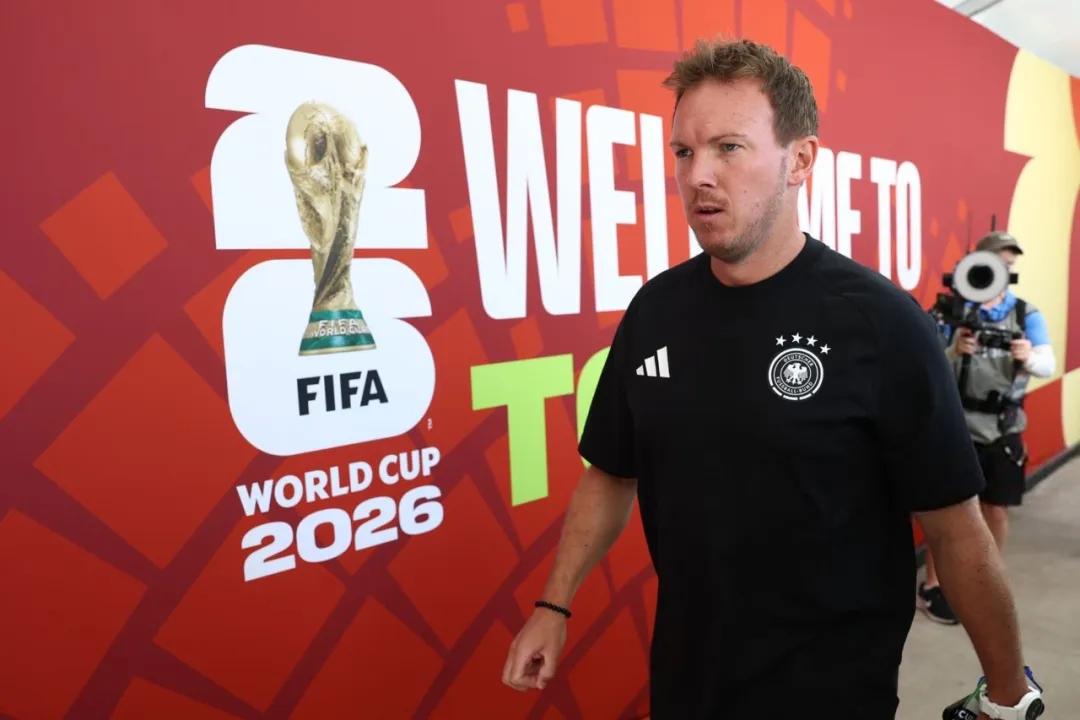
Nagelsmann's post-match remark, "If you're eliminated by Paraguay, you're no longer a top team in the world," drew criticism from Spanish-language media. The argument that "being eliminated three times in major tournaments and still claiming we're world-class is arrogant" directly angered German media and fans.
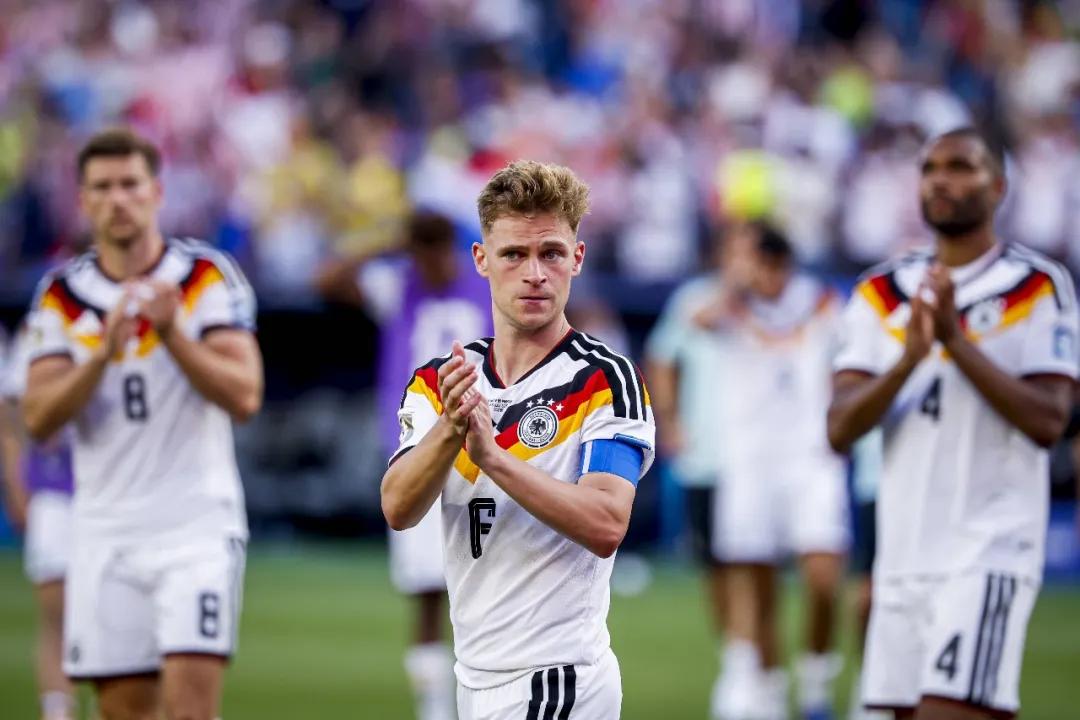
Apart from the dominant group-stage opener against Curaçao, the second match relied on Undav's unexpected heroics, and the final group game saw them controversially take the lead only to suffer a comeback—this German team's performance at this World Cup simply couldn't support Nagelsmann's expectation that they "should have competed with France." Captain Kimmich's post-match comment that all three group-stage opponents were not world-class may have been objective, but it was ill-timed. This top-down arrogance might be the deep-rooted reason for Germany's three consecutive humiliating World Cup exits.


Wonderfulshortvideo
messi goal today messi assist today messi highlights vs egypt enzo fernandez goal today romero goal today argentina goals today argentina 3-2 egypt


“Wonderful player, fantastic player, could not run” 😅
Neville, Keane and Wright DO NOT agree on the future of Argentina in the World Cup 👀
“It gave you everything” 👀
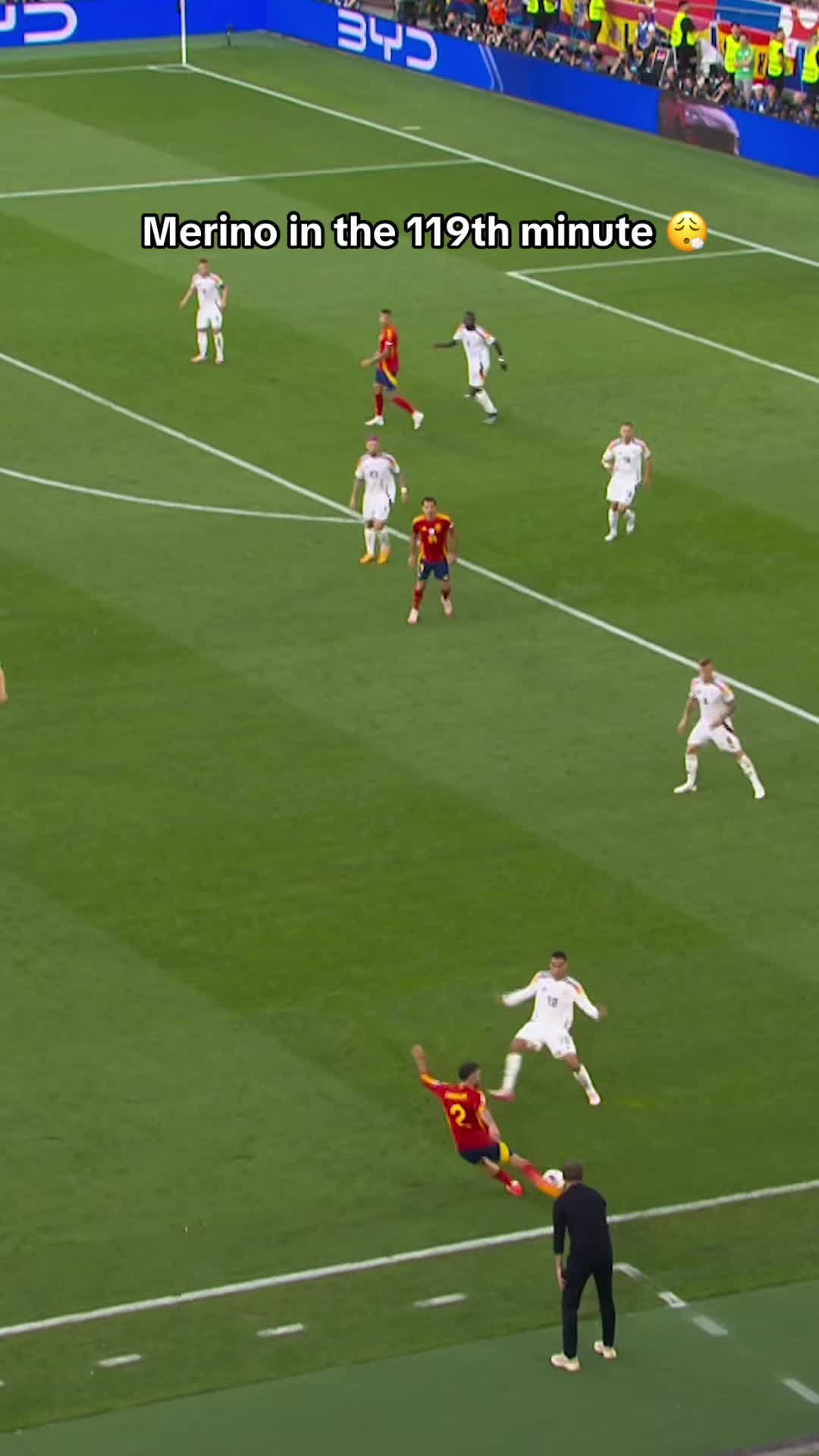
Clutch Merino 😮💨
merino goal today portugal 0-1 spain ronaldo interview today ronaldo retirement retiring
kane goal today kane highlights today england 2-1 congo
 Links
Links
 Contact
 App
App


