



The ceiling of Japanese football remains unmoved.


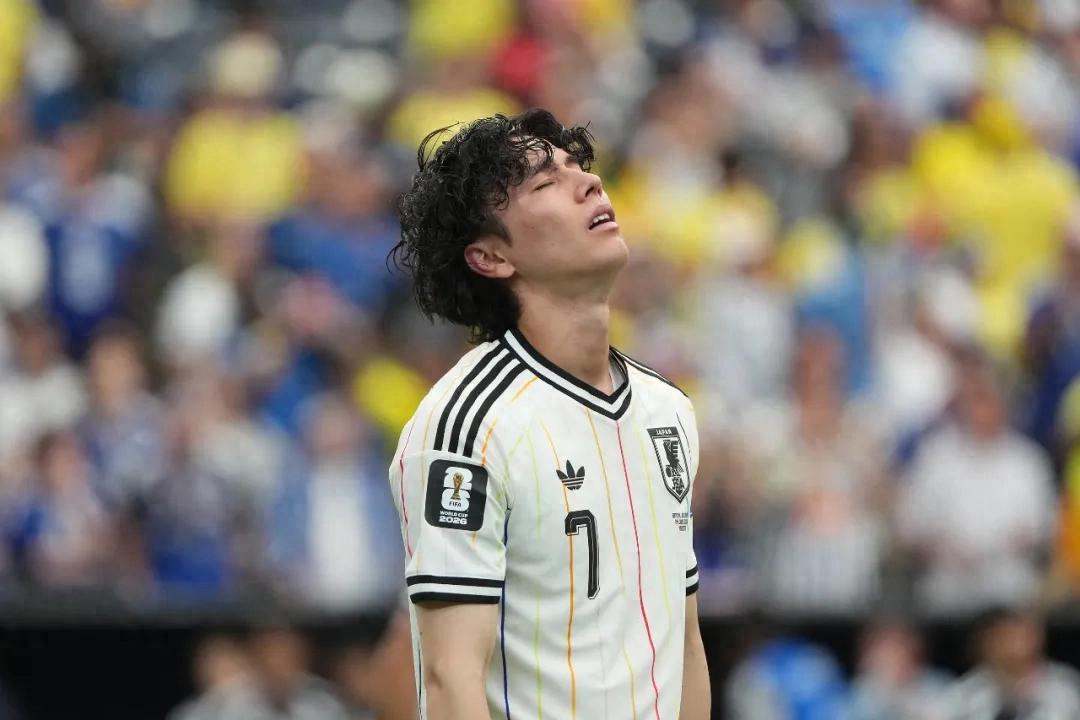
Special contribution by Cai Zonglin. As the match reached the 97th minute, the Brazilian players eagerly urged Italian referee Mariani to signal the end of stoppage time. The usually restrained Moriyasu rushed onto the pitch, picked up the ball, and handed it to his player. The set piece was taken, but Japan's final attack yielded nothing. A 1-2 defeat marked the end of Moriyasu's second World Cup campaign.
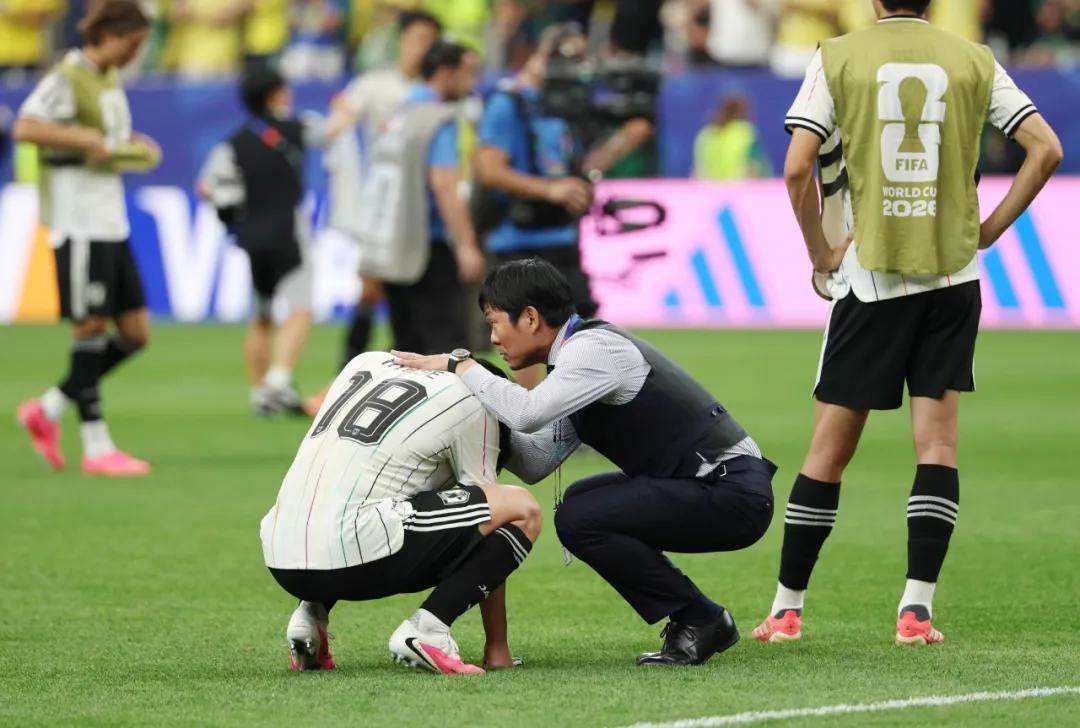
When the final whistle blew, Tanaka Hide was in tears, and Cunha stepped forward to console the Japanese midfielder who had erred in the dying moments. Then, turning to the outspoken Shiohama Kento, he delivered a "five-star counterattack"—a clear-cut distinction, much like the gap between Brazilian and Japanese football. The former advanced past the first knockout round for the ninth consecutive time, while the latter fell at that stage for the fifth time. What Brazilians might consider a mediocre achievement remains an elusive ceiling for Japan, repeatedly challenged but never breached.
Japan, already representing the pinnacle of Asian football, will not stop their quest to reach the highest summit they envision. But will the one to break through that ceiling still be Moriyasu?
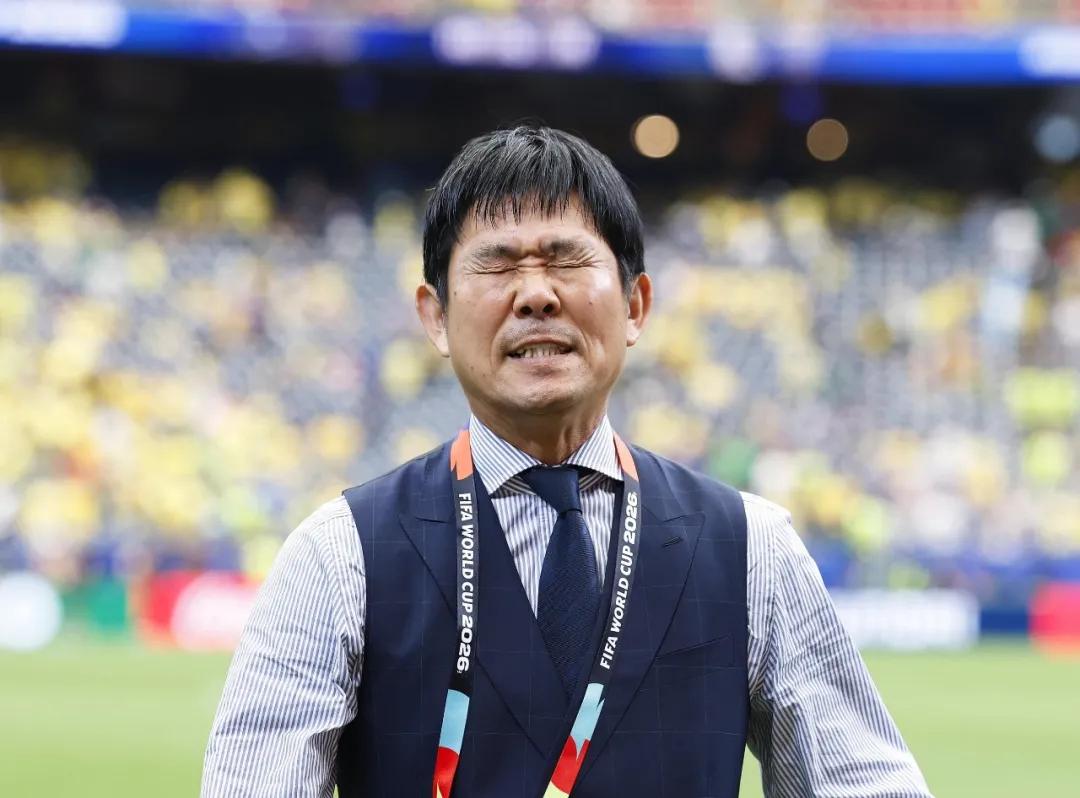

Rewind to three days earlier. After securing a draw against Sweden to advance, Japan immediately shifted focus to preparing for the knockout match against their all-too-familiar football mentor—Brazil. As Moriyasu put it, "There is no bigger stage than this." It was a game requiring no extra motivation. Training sessions over the three days were largely closed to minimize external distractions.
Previously, Japan had faced Brazil 14 times in friendlies and the Confederations Cup, making the Samba Kings the most frequent non-AFC opponent for the Blue Samurai. Japan's sole victory came in their most recent meeting, a 3-2 comeback win at Tokyo's Ajinomoto Stadium in 2025. Their last World Cup encounter was 20 years ago in the group stage, where Japan, despite featuring stars like Nakata Hidetoshi and Nakamura Shunsuke, suffered a 1-4 defeat against a Brazilian side boasting Ronaldo, Ronaldinho, Kaká, Adriano, and Juninho.
"Although outsiders may not think so, we firmly believe we are the dark horse capable of winning the title. We have full respect for our opponents, but just as we created miracles last year, we also have a chance to win," Moriyasu stated in the pre-match press conference. While the media focused more on his "bold claims," they overlooked his preceding remark: "In any major tournament, Brazil is always the absolute favorite to win." Moriyasu understood the difference between a friendly and a World Cup knockout match. He repeatedly reminded his players that, despite Brazil's current star power being less dazzling than in the past, they would undoubtedly raise their intensity. Japan could not afford complacency just because of a past victory; only by leveraging the characteristics they had cultivated over the years could they have a chance to break through.
For Japan, the inability of Kubo Takefusa and captain Itakura Ko to recover from injuries further depleted their strength. Already missing Mitoma Kaoru, Minamino Takumi, and Endo Wataru, Moriyasu's available attacking talent was further reduced—a major concern.
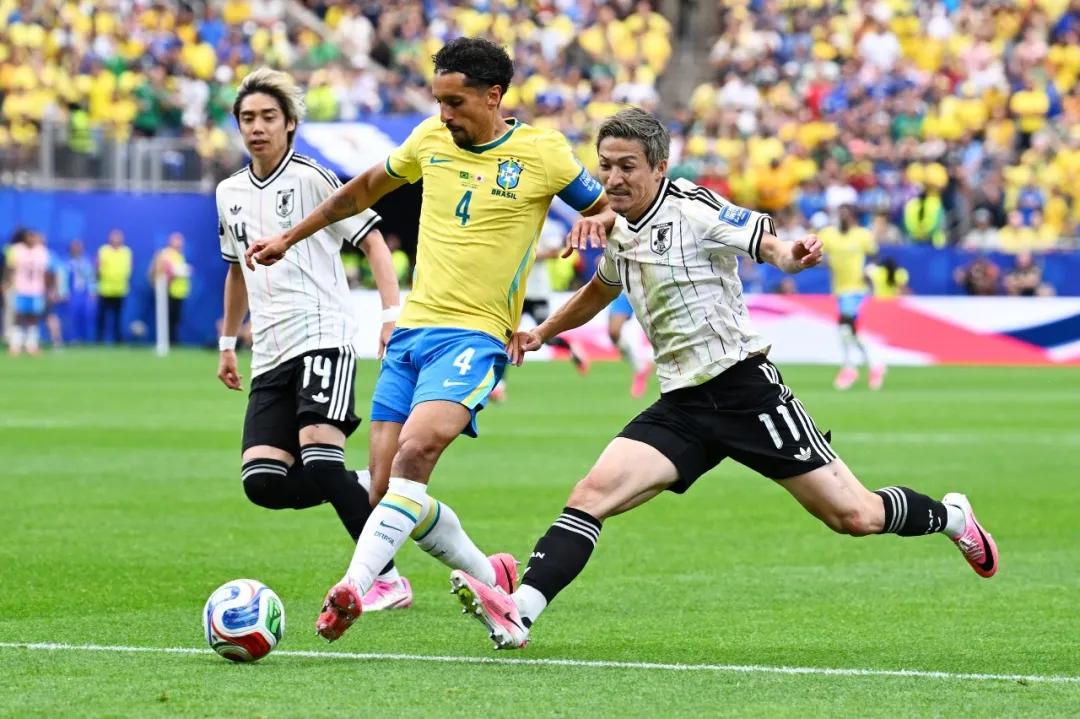
For the starting lineup against Brazil, Moriyasu benched the impressive midfielder Tanaka Hide from the previous two matches, moved Kamada Daichi back to the number six role to orchestrate play alongside the season's Bundesliga tackle leader Sano Kaishu in midfield, and deployed the speedy Ito Junya and Maeda Daizen up front, aiming for quick counterattacks and pressing.
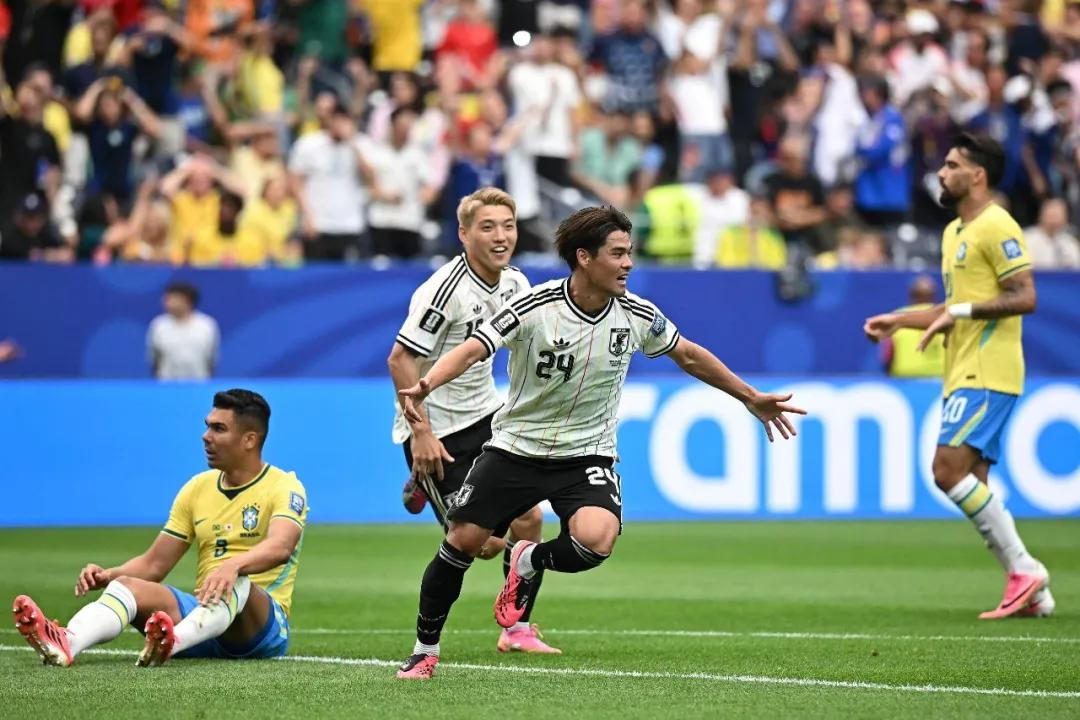
In the first half, Brazil dominated possession but created few threatening chances. Japan, however, generated several dangerous counterattacks by pressing Brazil's aging midfield pivot Casemiro. In the 29th minute, Sano Kaishu intercepted the ball from Danilo in midfield, drove 30 meters forward, and despite being surrounded by Casemiro and Gabriel, fired a low shot past Alisson into the net.
Sano Kaishu, the post-2000 "Japanese Kante," was embroiled in a sexual misconduct scandal two years ago that forced him to withdraw from national team activities and fade from public view. However, out of appreciation for his talent, Moriyasu recalled him to the squad after securing World Cup qualification. Thanks to his impressive performances in the Bundesliga, Sano became the top choice for the defensive midfield position following captain Endo Wataru's injury.
After a brief celebration from NHK commentator Honda Keisuke, he quickly said, "Stop celebrating, get back on defense, that's enough." With this mindset, Moriyasu's Japan maintained their one-goal lead into the halftime break.

Before departing for the World Cup, Moriyasu stated in an interview that his coaching idol was Ancelotti. In his view, Ancelotti is not only a tactical master but also possesses a unique magic that allows players to give their all on the pitch while maintaining high discipline. "When we played a friendly against Brazil in 2025, meeting him in person made me incredibly happy. It would be fantastic to face a team coached by him again."
Little did he know, his wish would come true. Japan and Brazil indeed met in a World Cup knockout match, and Ancelotti taught his admirer a lesson. After Ancelotti's adjustments, Brazil transformed in the second half, firmly controlling the tempo. In the 56th minute, Casemiro, the "culprit" of the first half, equalized with a header.
Facing Brazil's relentless onslaught, should Moriyasu bring on defensive players to strengthen the backline and maintain running intensity? Or should he introduce attacking players, risking being overwhelmed while fighting for a breakthrough? Moriyasu made his choice.
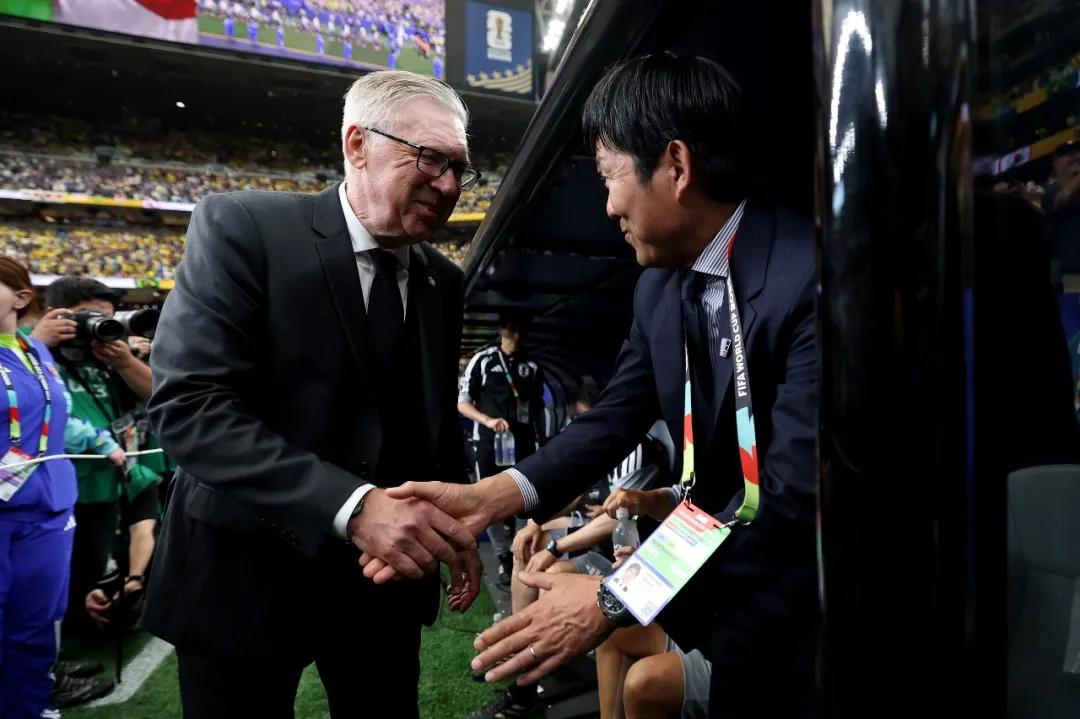
In the 66th minute, defenders Suzuki Junnosuke and Sugawara Yusei came on, replacing starting wing-backs Nakamura Keito and Doan Ritsu. The key to Moriyasu's 3-6-1 formation lies in the two wing-backs. In previous friendlies against strong opponents, he had used pure wingers in those roles to provide defensive cover and attacking outlets. However, this substitution shifted Japan into a full five-man defense for the first time in the tournament. Survival was Moriyasu's foremost thought.
Ten minutes later, midfield core Kamada Daichi couldn't continue due to muscle issues, and Ito Junya was exhausted. Suzuki Yuito, dubbed the "mini Kagawa," did not earn Moriyasu's trust from the bench. Instead, Tanaka Hide and the disruptive striker Machino Shuto came on. From that point, Japan's attacking talent was completely depleted—without Mitoma, Minamino, and Kubo, they were helpless against Brazil. A five-man defense, two defensive midfielders, and three aimless forwards up front would struggle even against a second-tier European team, let alone a surging Brazil under Ancelotti.
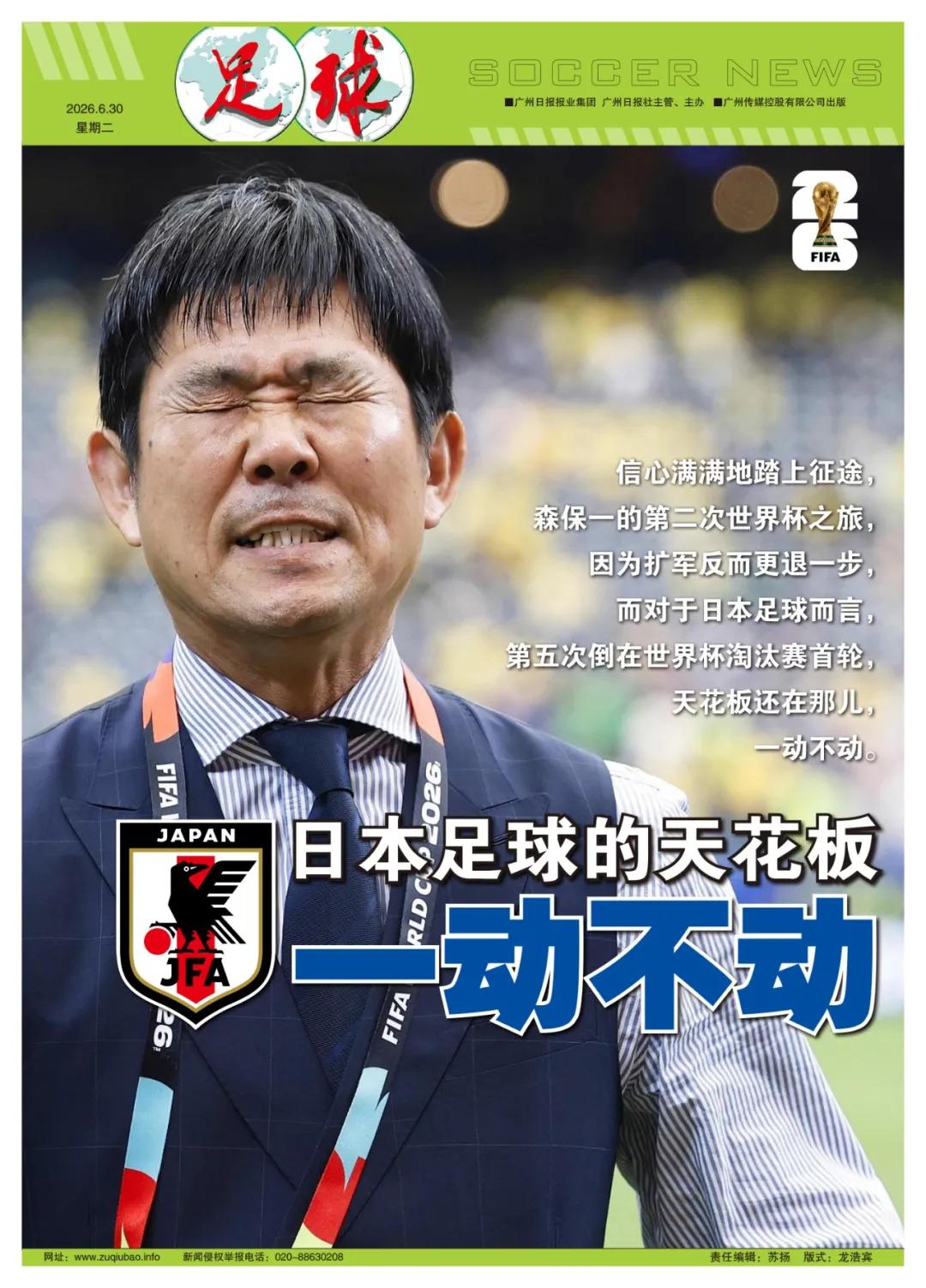
Japanese fans might only regret not holding out until extra time to catch their breath and, like three and a half years ago, gamble on a penalty shootout miracle. Tanaka Hide's slip was accidental, but Martinelli's stoppage-time winner was only a matter of time. Setting off with confidence, Moriyasu's second World Cup journey ended in a step backward due to the expanded format. For Japanese football, it was the fifth failure at the first knockout stage—the ceiling remains, unmoved.
"Ultimately, the reason comes down to individual ability," Honda Keisuke remarked while analyzing the contrasting performances of Vinícius Júnior in the two halves. "If I had to point out a challenge, it's still personal growth." The individual quality that organizational strength cannot compensate for is still lacking. Japan currently has no truly world-class superstar capable of shaking the global stage.
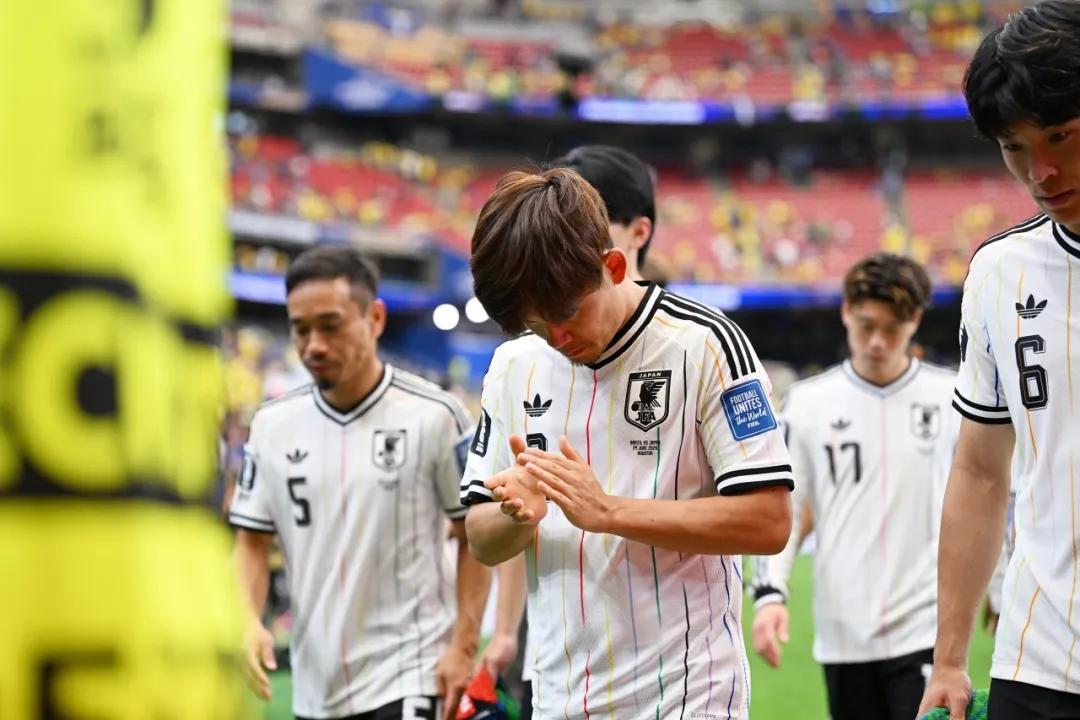

"To be, or not to be, that is the question." This classic line from Shakespeare's Hamlet is most famously translated in Chinese as "生存还是毁灭,这是一个值得考虑的问题." For Japan, the question is roughly whether to give Moriyasu another four years to continue experimenting—perhaps breaking through the first knockout round but likely still falling short of the quarterfinals—or to dismantle the national team system he painstakingly built and hire a world-class foreign coach to start anew. Past failures of such attempts are numerous, but the only successful Asian example remains the special case of South Korea and the special Hiddink.
In the post-match press conference, Moriyasu spoke for over 40 minutes. Besides apologizing, he repeatedly mentioned his dream of becoming "the best in the world." "We couldn't win the championship, and as a coach, I feel deeply regretful. We have excellent players, and the whole team united and fought until the last moment. Today, I firmly believed we had a chance to win, and we did have opportunities, but we couldn't seize them. I think this is my biggest shortcoming as a coach. We set the goal of becoming world champions. Over the past three and a half years, players and staff have put in tremendous effort. Players challenge themselves daily at their clubs to improve their level and elevate the national team. I told the players that I believe Japan's strength has significantly improved."
With this World Cup campaign concluded, Moriyasu's second term has reached its end, and the question of contract renewal is now on the table. Before the Brazil match, multiple authoritative Japanese media outlets reported that Moriyasu would receive a contract extension to lead the team through a third World Cup cycle. However, Moriyasu himself has expressed a desire to try coaching abroad for a different challenge.
Leaking the renewal news could be seen as a move to stabilize morale, which is reasonable for the Japan Football Association. After all, Moriyasu has the highest winning percentage among Japanese managers. However, looking at his eight-year tenure: two World Cup group stage exits, a fourth-place finish at the Tokyo Olympics, and two failed Asian Cup campaigns—despite commanding nearly all of Japan's resources, he has no major tournament achievements to show.
His squad selection for this World Cup, overlooked due to his high domestic prestige, was also a factor in the early exit. Issues included having no natural left-back besides veteran Nagatomo Yuto, forcing Suzuki Junnosuke, a center-back, into that role against Brazil; only retaining Sano Kaishu as a defensive midfielder after Endo's injury, leaving out strong players like Shuto Machino; and bringing four forwards while relying solely on Ueda Ayase, wasting spots that could have gone to attackers.
However, Moriyasu's ability to build a tactical system and maintain team cohesion is widely recognized by Japanese fans. After the defeat to Brazil, a poll on Japanese social media asking whether Moriyasu should be renewed saw 180,000 participants, with 81% in favor of his continued leadership. Perhaps his coaching style—teamwork overcoming individual talent, the "mortals challenging gods" narrative—resonates more with Japanese fans.
Moreover, Moriyasu's current annual salary is around one million dollars. It is unrealistic for the Japan Football Association to spend such a modest amount to hire a world-renowned coach who, like Moriyasu, would travel between Europe and Japan to scout players.
The ceiling of Japanese football remains. How to break it? Who will break it? Time will provide the answer.


Wonderfulshortvideo
messi goal today messi assist today messi highlights vs egypt enzo fernandez goal today romero goal today argentina goals today argentina 3-2 egypt



“Wonderful player, fantastic player, could not run” 😅
Neville, Keane and Wright DO NOT agree on the future of Argentina in the World Cup 👀
“It gave you everything” 👀
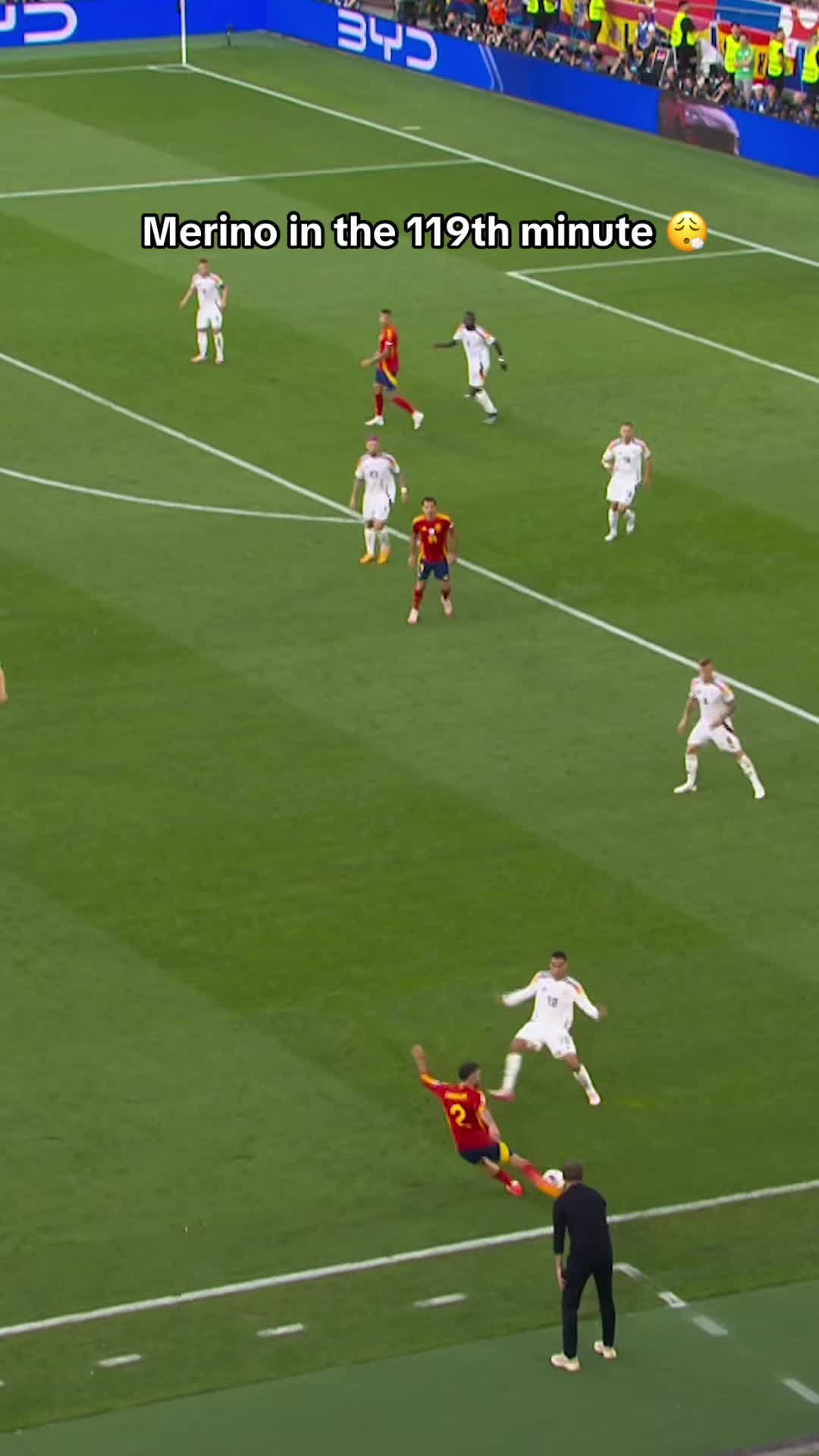
Clutch Merino 😮💨
merino goal today portugal 0-1 spain ronaldo interview today ronaldo retirement retiring
kane goal today kane highlights today england 2-1 congo
 Links
Links
 Contact
 App
App


