



VFF organizes the 2026 Sports Medicine and Anti-Doping Training Course.



The 2026 Sports Medicine and Anti-Doping Training Course is being conducted by VFF together with Vinmec for the medical teams of all national squads and clubs across the country.
The Vietnam Football Federation (VFF) The Vietnam Football Federation (VFF) continues to enhance professional quality in sports medicine by partnering with the Vinmec hospital system to launch the first Sports Medicine in Football and Anti-Doping Training Course of 2026. Held over two days, June 30 and July 1, at Vinmec Smart City Hospital (Hanoi), the program brought together over 100 participants, including medical officers, doctors, and coaches from national teams, professional clubs, and numerous football training centers nationwide.
This course is regarded as an annual professional activity of the VFF, aimed at meeting the growing demands of player healthcare. As Vietnamese football enters a period of rapid development with a packed schedule at both club and national team levels, equipping personnel with knowledge on injury treatment, rehabilitation, and anti-doping is considered crucial for improving professional standards. This is not just a training program but also a necessary step to enable the medical team to support players more effectively in the new season.
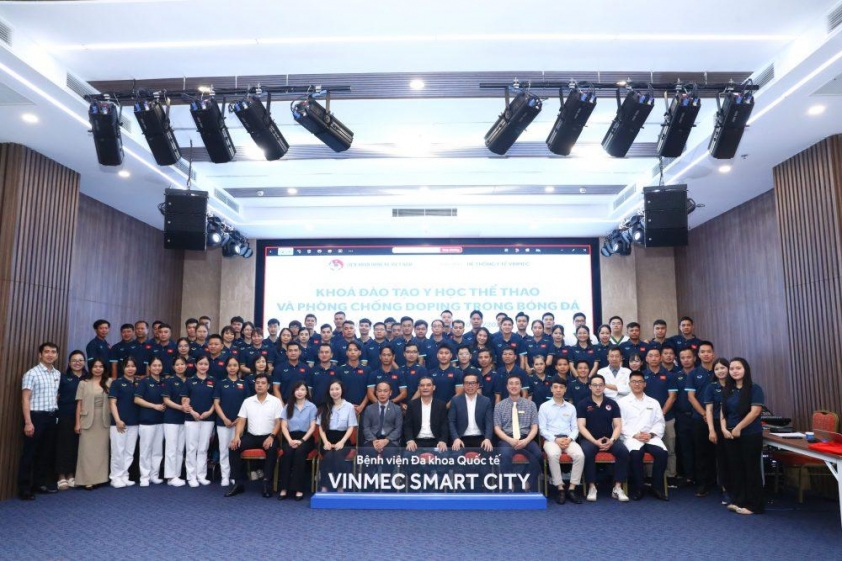
Speaking at the opening ceremony, VFF General Secretary Nguyen Van Phu emphasized that investing in sports medicine and sports science is a long-term strategy for Vietnamese football. According to him, the medical team plays a vital role in protecting athletes' health, shortening recovery time after injuries, and helping players achieve peak physical condition during matches. At the same time, the course helps update new knowledge on treatment, rehabilitation, and anti-doping regulations in professional football.
Representing the Vinmec system, Professor Dr. Tran Trung Dung affirmed that sports medicine is the foundation behind the success of teams and clubs. Beyond injury treatment, this field encompasses exercise science, nutrition, functional rehabilitation, and physical assessment to optimize performance. A modern sports medicine system helps athletes reduce injury risk, return to the field faster, and maintain form over the long term.
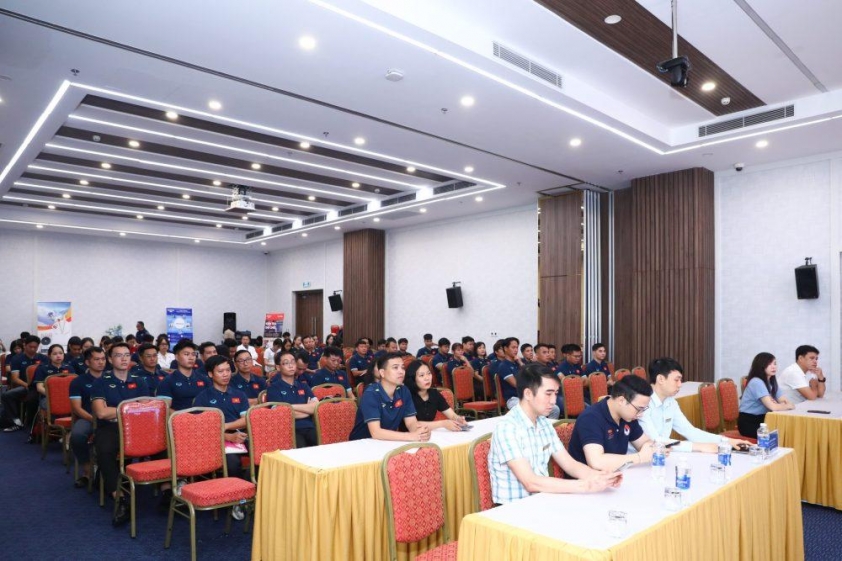
During the two-day training, participants engaged in in-depth topics such as overuse injury treatment, groin and spine rehabilitation, physical assessment, application of biological therapies, return-to-play criteria after injury, and the role of medicine in player transfers. Alongside theoretical sessions, the program also included practical content on physical evaluation and constructing personalized recovery plans for athletes.
Notably, the Anti-Doping module remained a core focus of the course, updating new regulations and raising awareness among medical staff, coaches, and football training units. Through this program, the VFF aims to build an increasingly professional sports medicine network, enhance player care, reduce injuries, and promote the sustainable development of Vietnamese football in the years ahead.


Wonderfulshortvideo
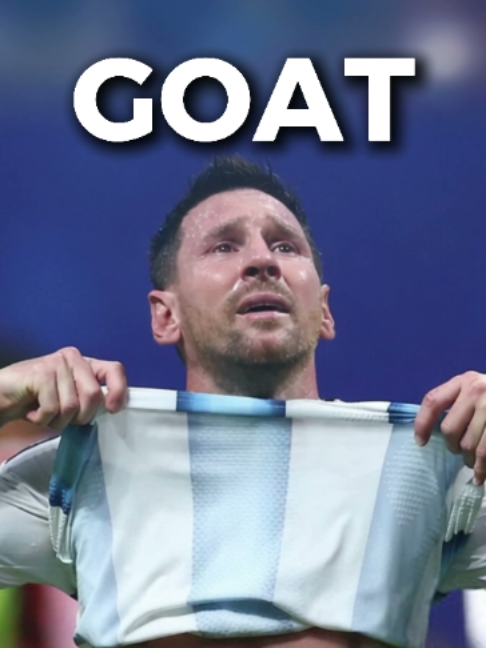
messi goal today messi assist today messi highlights vs egypt enzo fernandez goal today romero goal today argentina goals today argentina 3-2 egypt



“Wonderful player, fantastic player, could not run” 😅

Neville, Keane and Wright DO NOT agree on the future of Argentina in the World Cup 👀

“It gave you everything” 👀
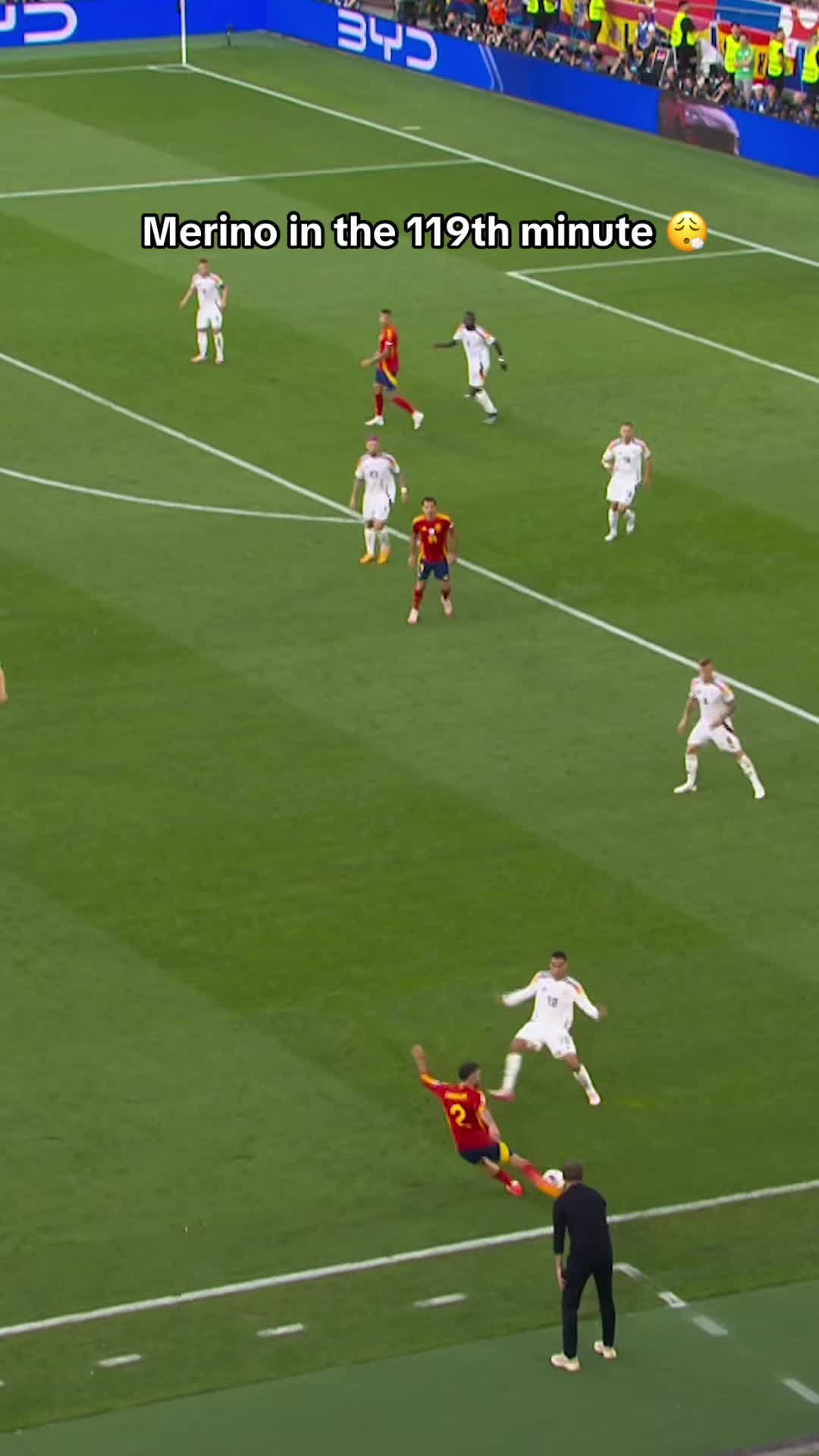
Clutch Merino 😮💨
merino goal today portugal 0-1 spain ronaldo interview today ronaldo retirement retiring
kane goal today kane highlights today england 2-1 congo
 Links
Links
 Contact
 App
App


